Austin Business Insurance Essentials for Contractors and Trades
Running a contracting or trades business in Austin means managing multiple risks every single day. From job site accidents to stolen equipment, the threats to your operation are real and costly.
At Heaton Bennett Insurance, we know that standard coverage won’t cut it for your specific needs. That’s why we’ve put together this guide to Austin business insurance essentials designed specifically for contractors and trades professionals.
The Three Core Coverages Every Austin Contractor Must Have
General Liability: Your First Line of Defense
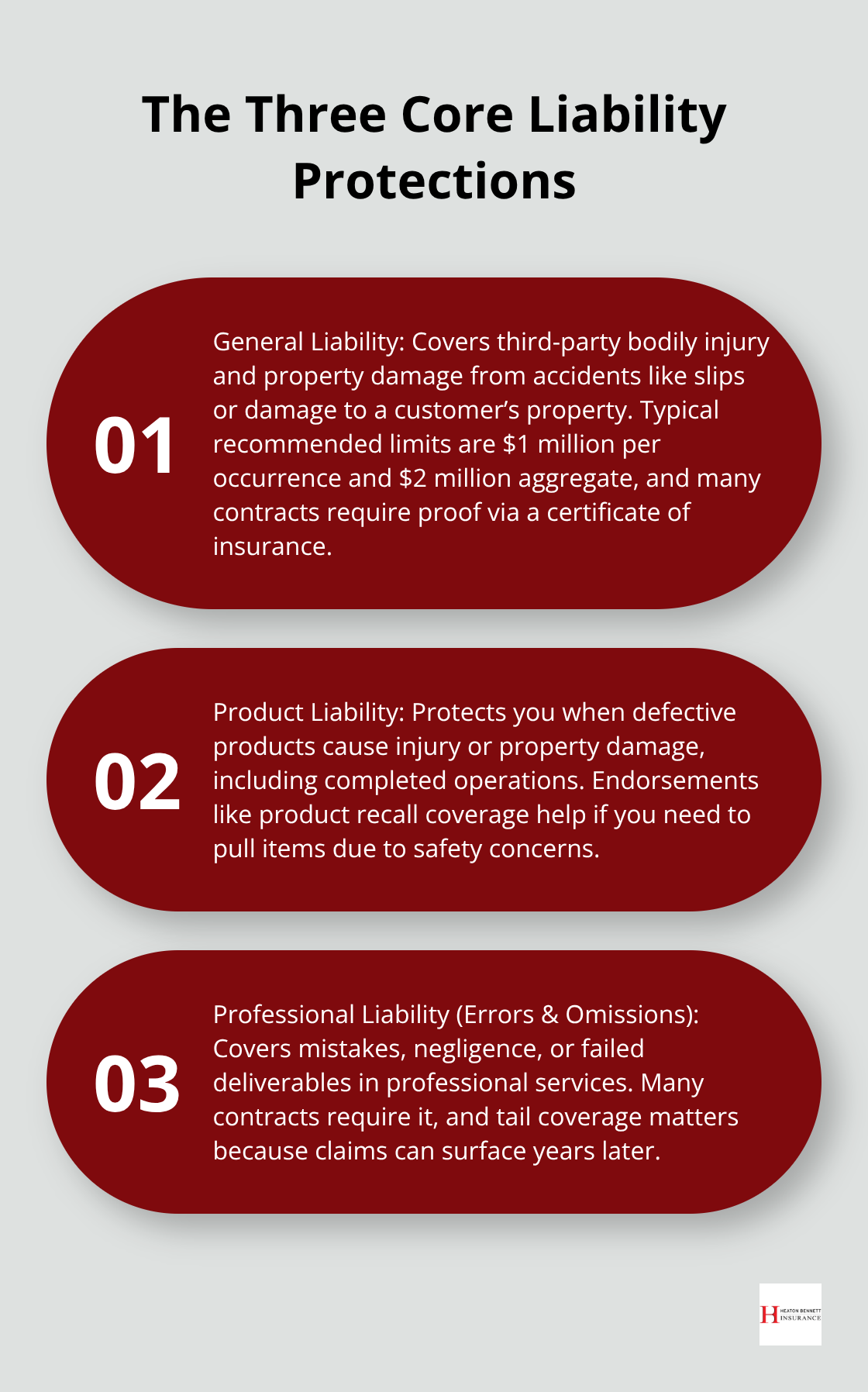
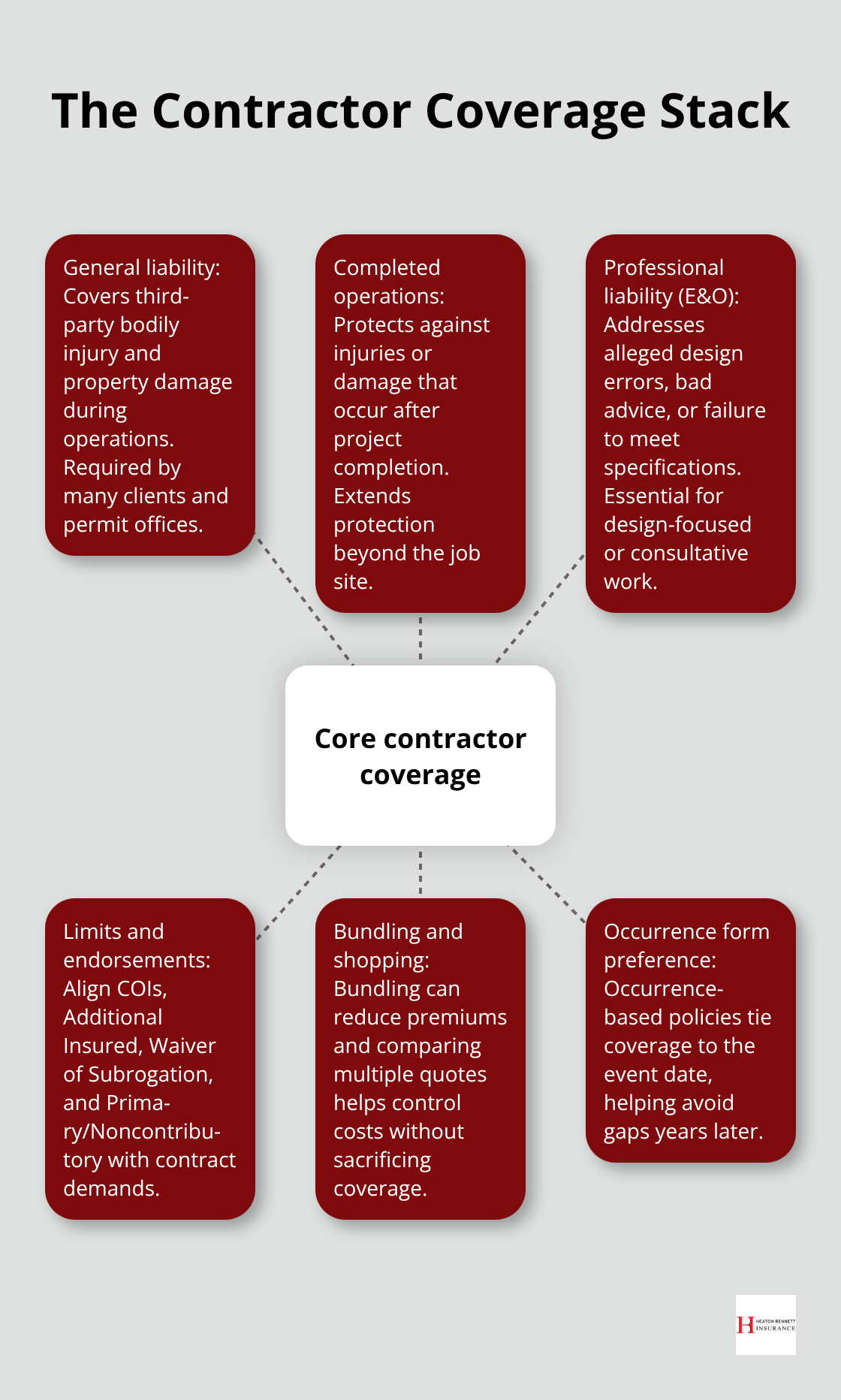
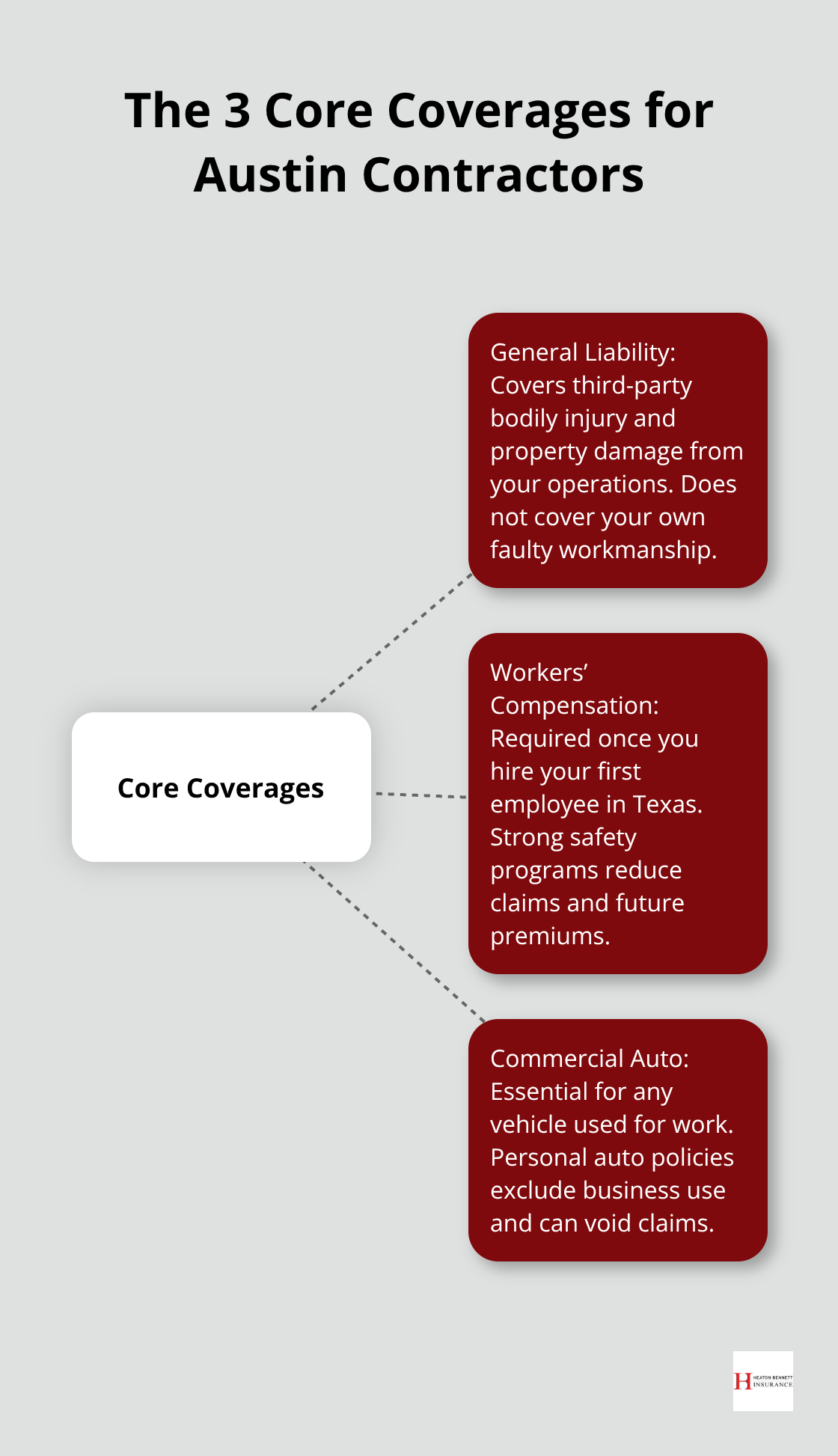
General Liability covers job site accidents and bodily injury claims, but the numbers matter more than the concept. Most Austin projects require a minimum of $1,000,000 per occurrence, with $2,000,000 or higher for larger commercial or public-sector work. This coverage protects you when someone is injured on your job site or when your work damages a client’s property, but it won’t cover your own faulty workmanship.
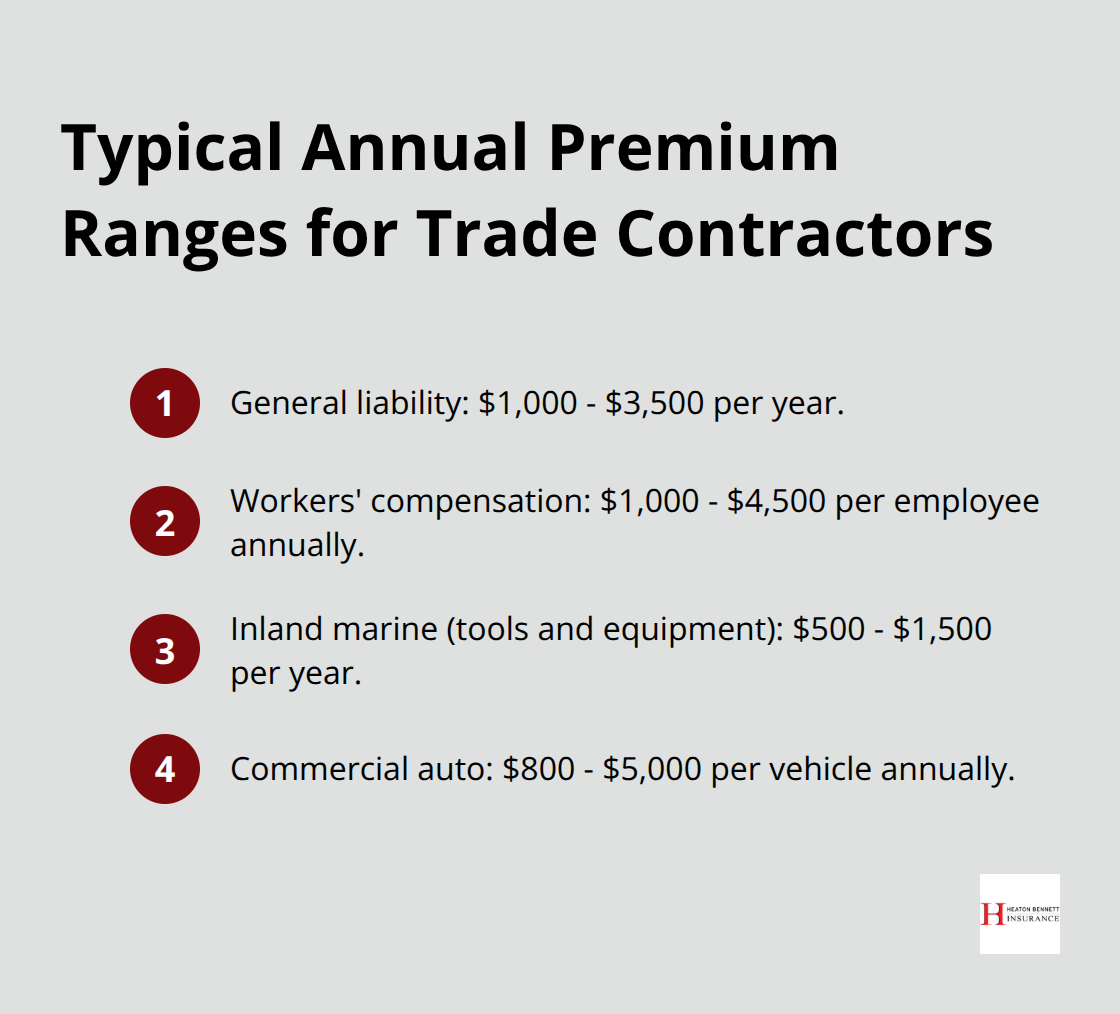
Small Texas contractors typically pay between $500 and $2,000 annually for General Liability, though rates vary based on your trade and loss history. When you request quotes, provide identical details across carriers-trade type, annual revenue, number of employees, loss history, and typical project values-so you can compare apples to apples. Most carriers respond within 24 to 48 hours.
Bundling Saves Money and Adds Protection
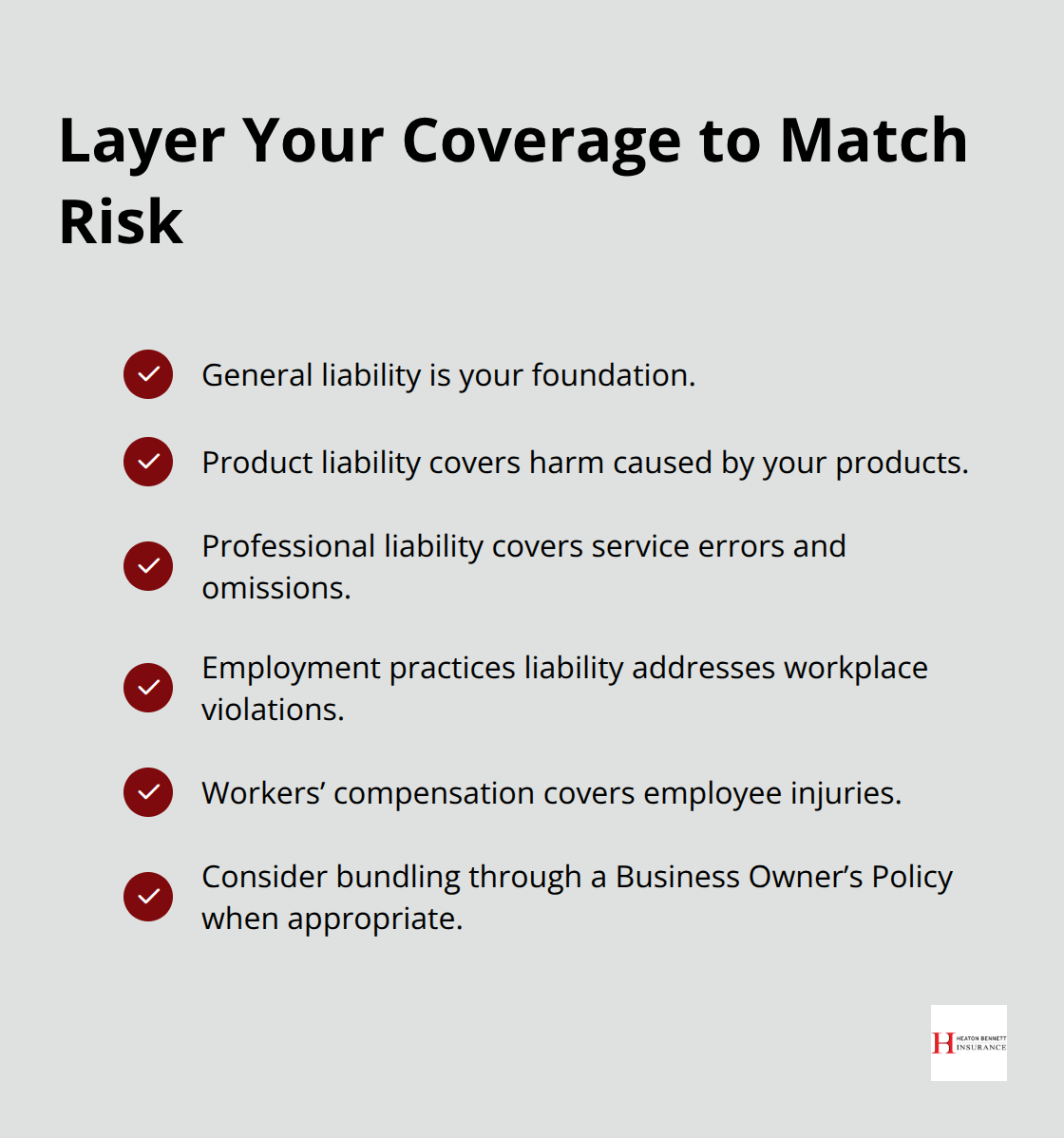
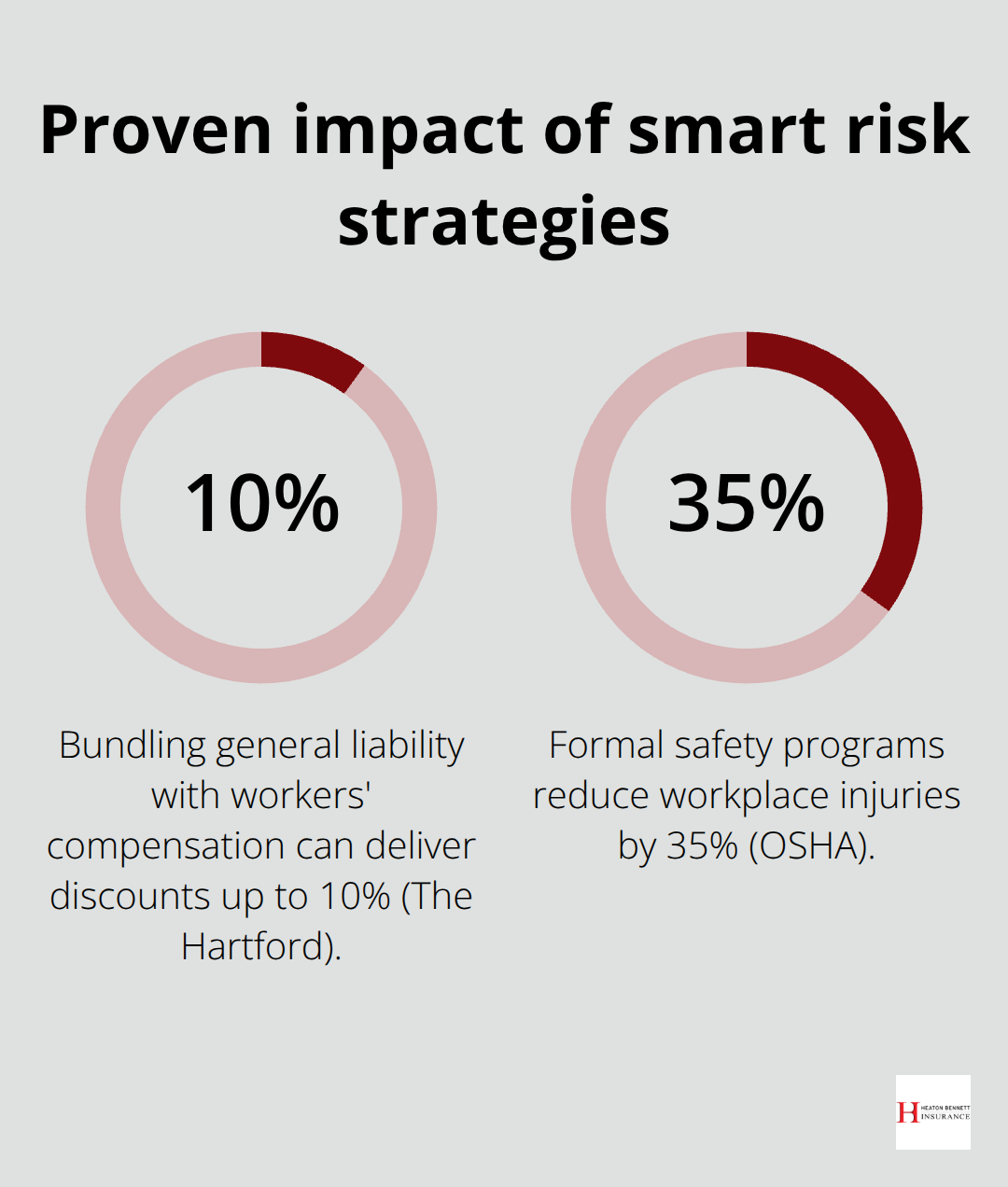
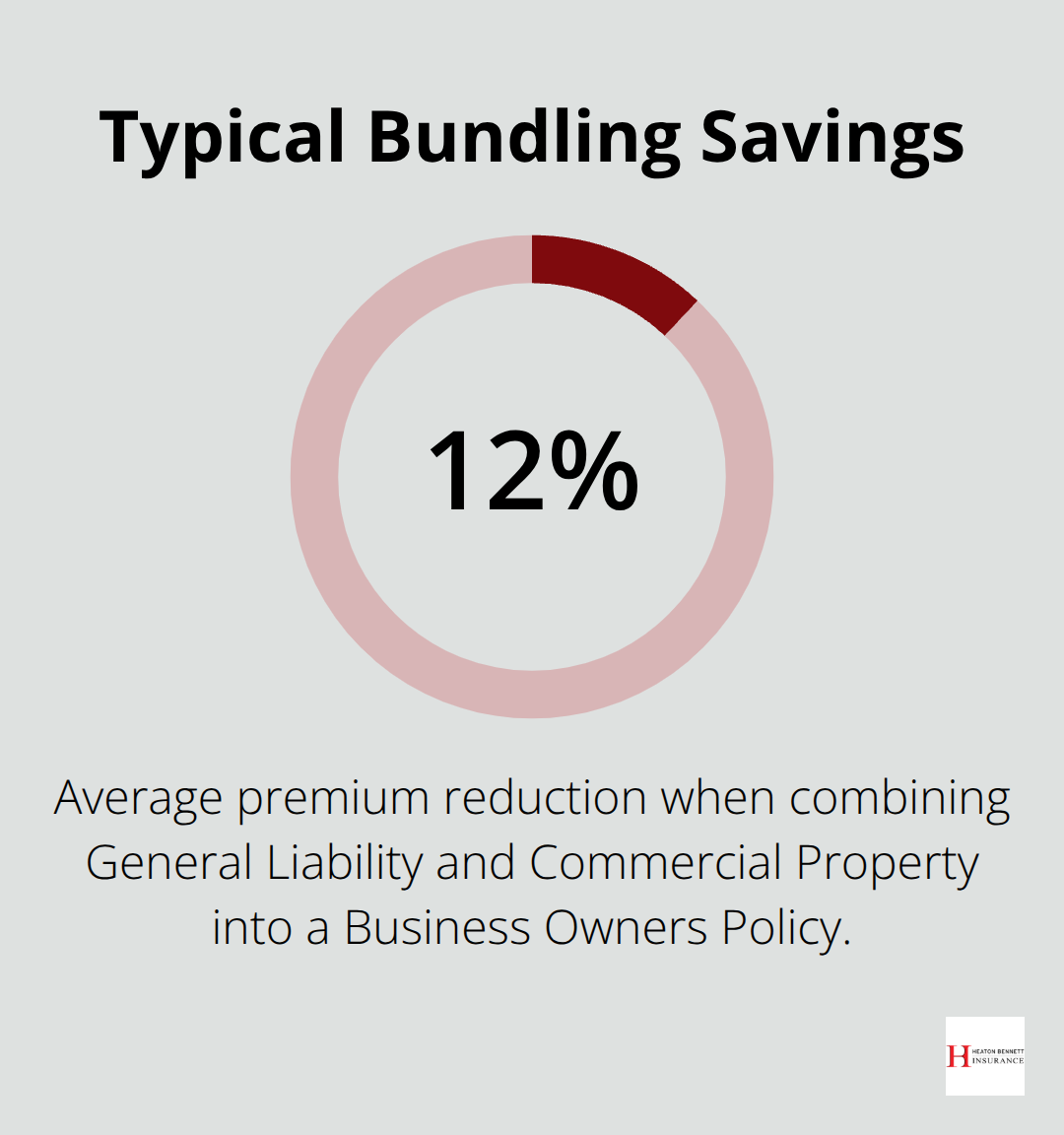
You’ll save around 12% when you bundle General Liability with Commercial Property into a Business Owners Policy versus buying separately. Additional insured endorsements often come at no extra cost, which most Austin clients require on contractor projects anyway. Evaluate total cost of ownership, not just the lowest premium, since deductibles and coverage gaps across your 12-month project pipeline affect your real exposure.
Workers’ Compensation: Mandatory and Cost-Reducing
Workers’ Compensation becomes mandatory the moment you hire your first employee in Texas. A strong safety culture directly reduces your claims, which lowers premiums and improves underwriting outcomes on future projects. Texas Mutual insures over 80,000 Texas businesses and offers a dividend history that can offset your costs, making it worth comparing during your quote process.
Commercial Auto: Non-Negotiable for Work Vehicles
Commercial Auto Insurance is non-negotiable if you use any vehicle for work-personal auto policies explicitly exclude business use and can void claims when you transport tools or travel to job sites. You need this coverage on every vehicle your crew uses, from pickup trucks to vans. When you request quotes from multiple carriers, provide identical information so you can make meaningful comparisons that reflect your real exposure.
Getting Quotes That Actually Compare
Most carriers respond to quote requests within 24 to 48 hours when you provide complete details. Identical information across carriers (trade, revenue, employees, loss history, project values) ensures you’re comparing actual coverage differences rather than different underwriting approaches. This preparation sets you up to move forward with confidence into the next phase: understanding the industry-specific risks that demand additional protection beyond these three core coverages.
Beyond the Basics: What Your Trade-Specific Risks Actually Cost
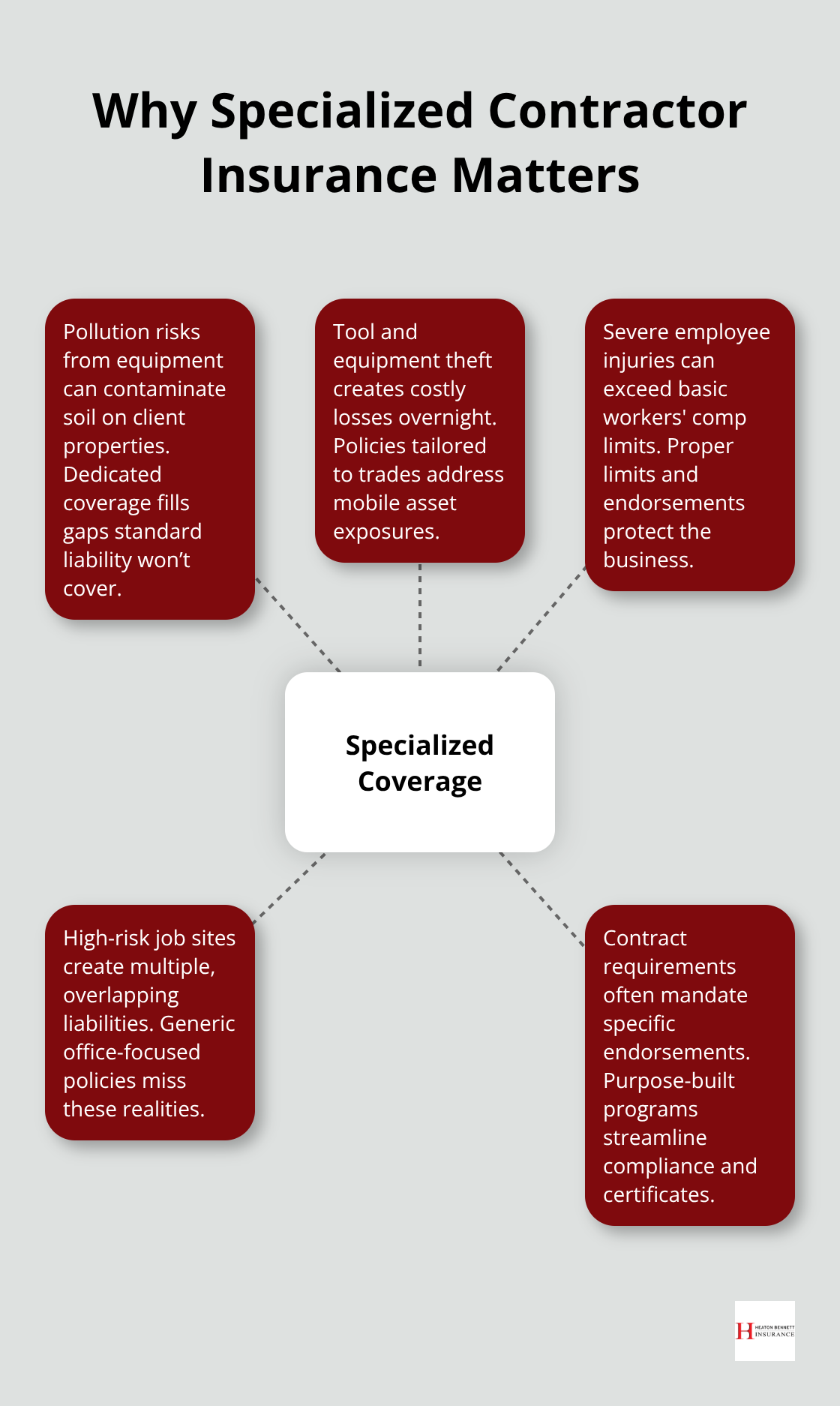
Every trade in Austin faces distinct exposures that the three core coverages won’t address. Electricians risk fires and electrical shocks on residential and commercial sites. Plumbers confront water damage liability and backups that extend beyond standard General Liability. Roofers deal with fall hazards and property damage that demand specialized attention. HVAC technicians manage refrigerant handling and system failure claims. Concrete contractors face site damage and environmental impacts from their work. When you operate in Austin’s competitive construction market, these gaps become expensive fast.
Tools and Equipment: Protecting Your Inventory from Theft and Damage
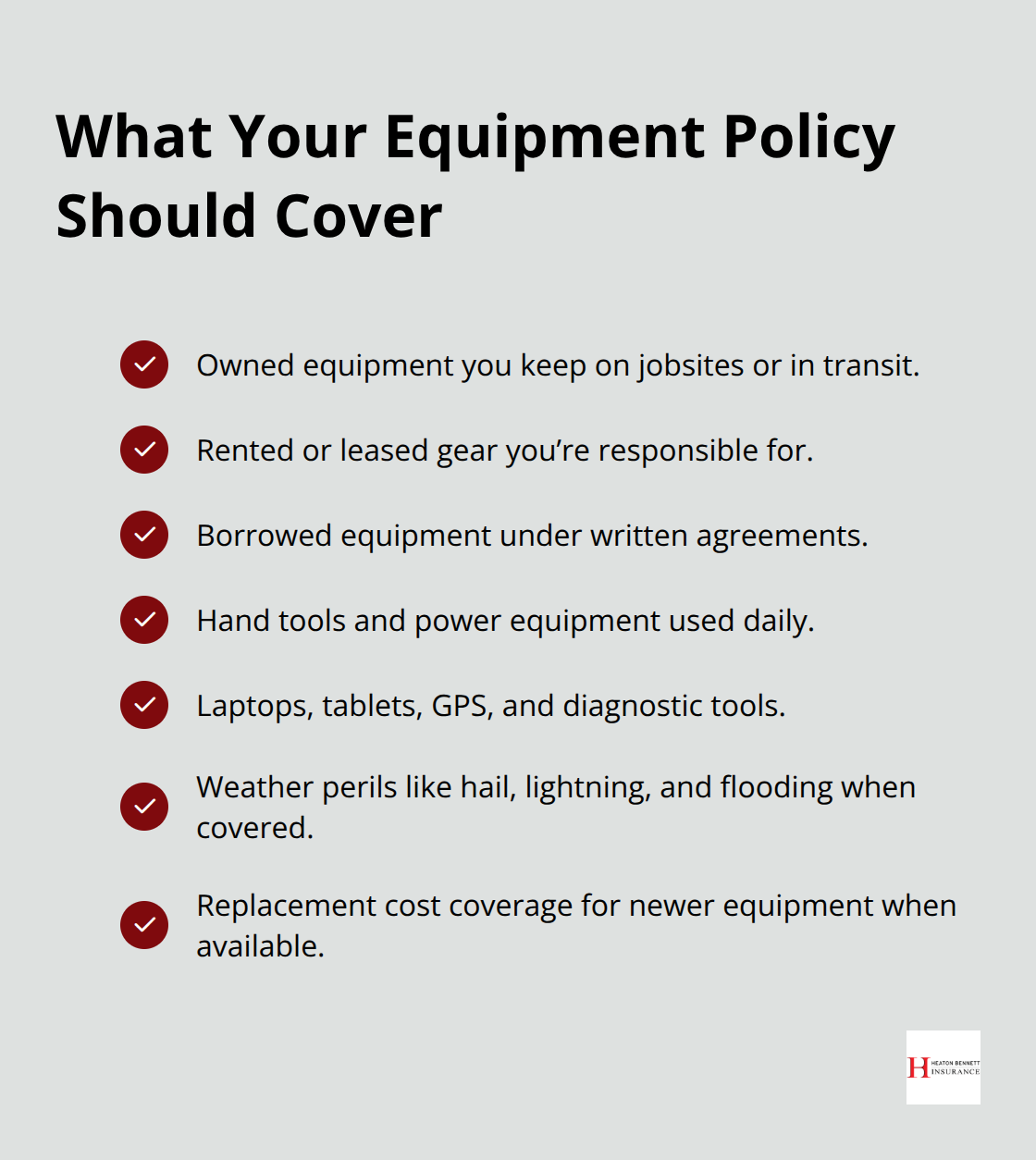
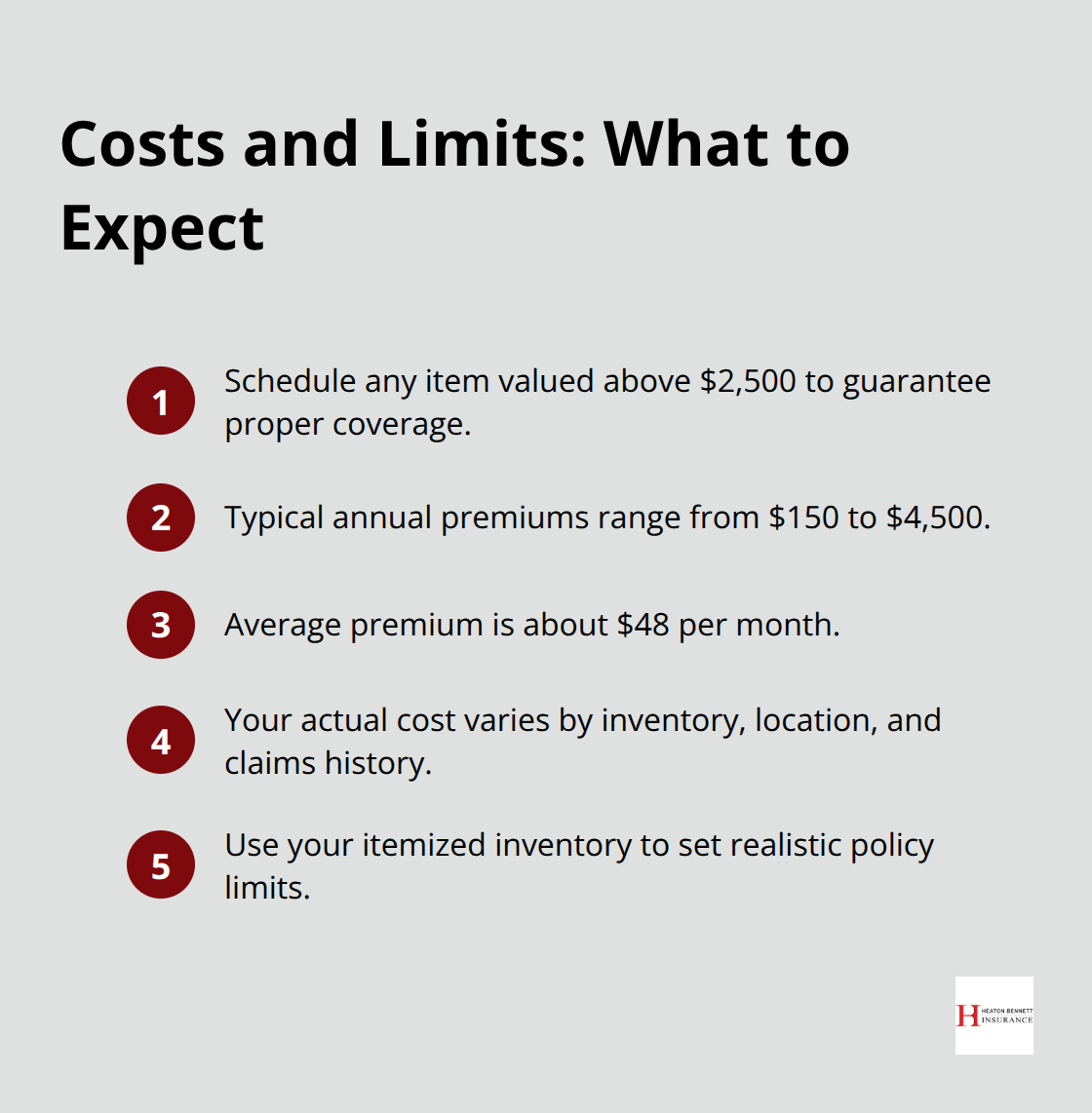
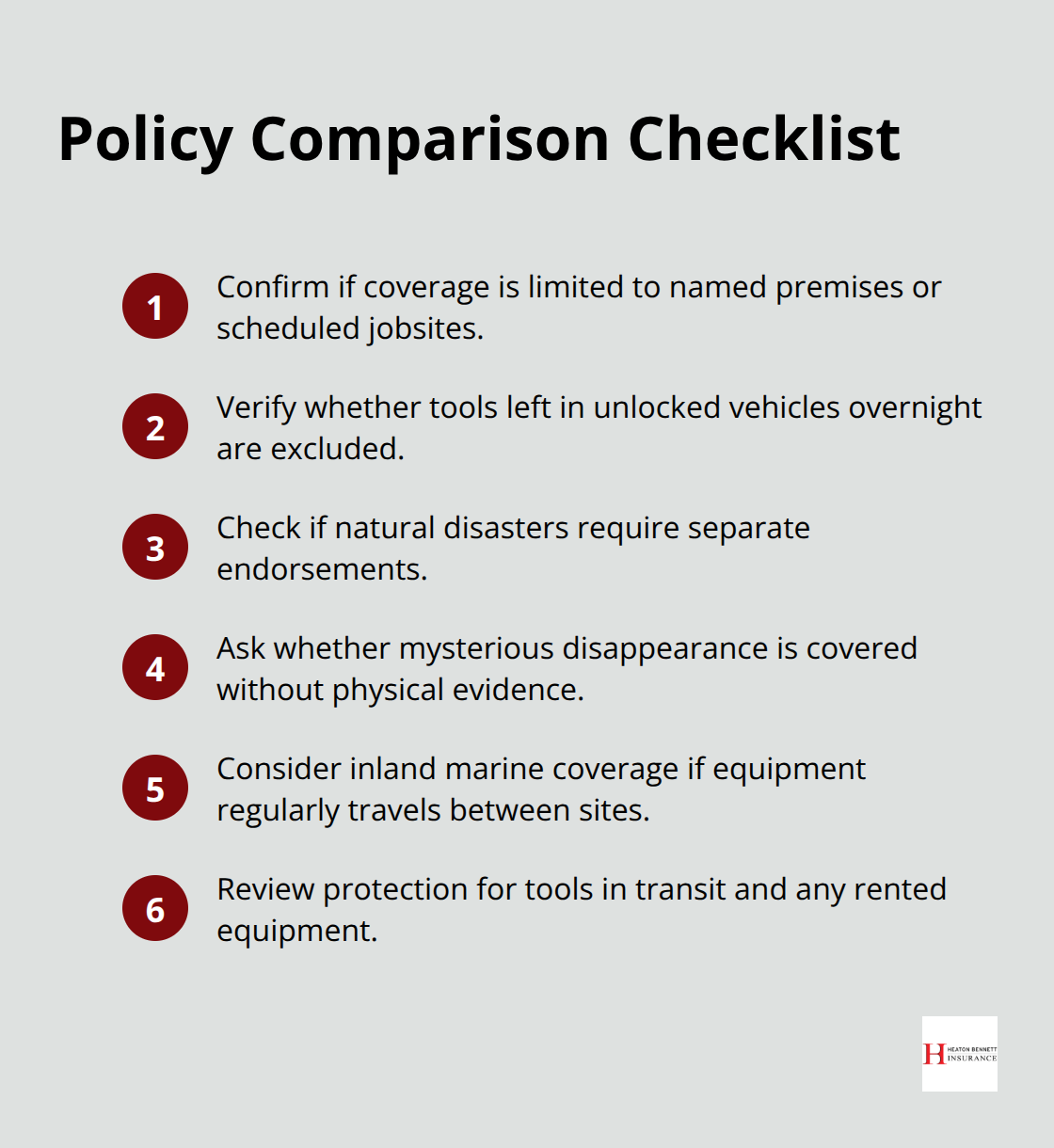
Contractors Equipment Insurance protects your tools and machinery from theft or damage on-site and in transit, which matters significantly in Austin where construction density drives higher theft rates. For tools valued around $10,000, you’ll pay roughly $300 to $500 annually in premium, making this one of the most affordable protections you’ll purchase. Most policies use blanket coverage with no itemized schedule, meaning no single item should exceed $500 in value to remain covered under standard limits. If you own high-value tools, schedule them separately on your policy to prevent gaps when theft or damage occurs. You should request quotes that specify your total tool inventory and current replacement cost, since underwriters need this detail to quote accurately. Avoid accepting a one-size-fits-all approach here; your specific equipment list drives the premium, not generic contractor assumptions.
Builders Risk: The Coverage Lenders Require Before Funding
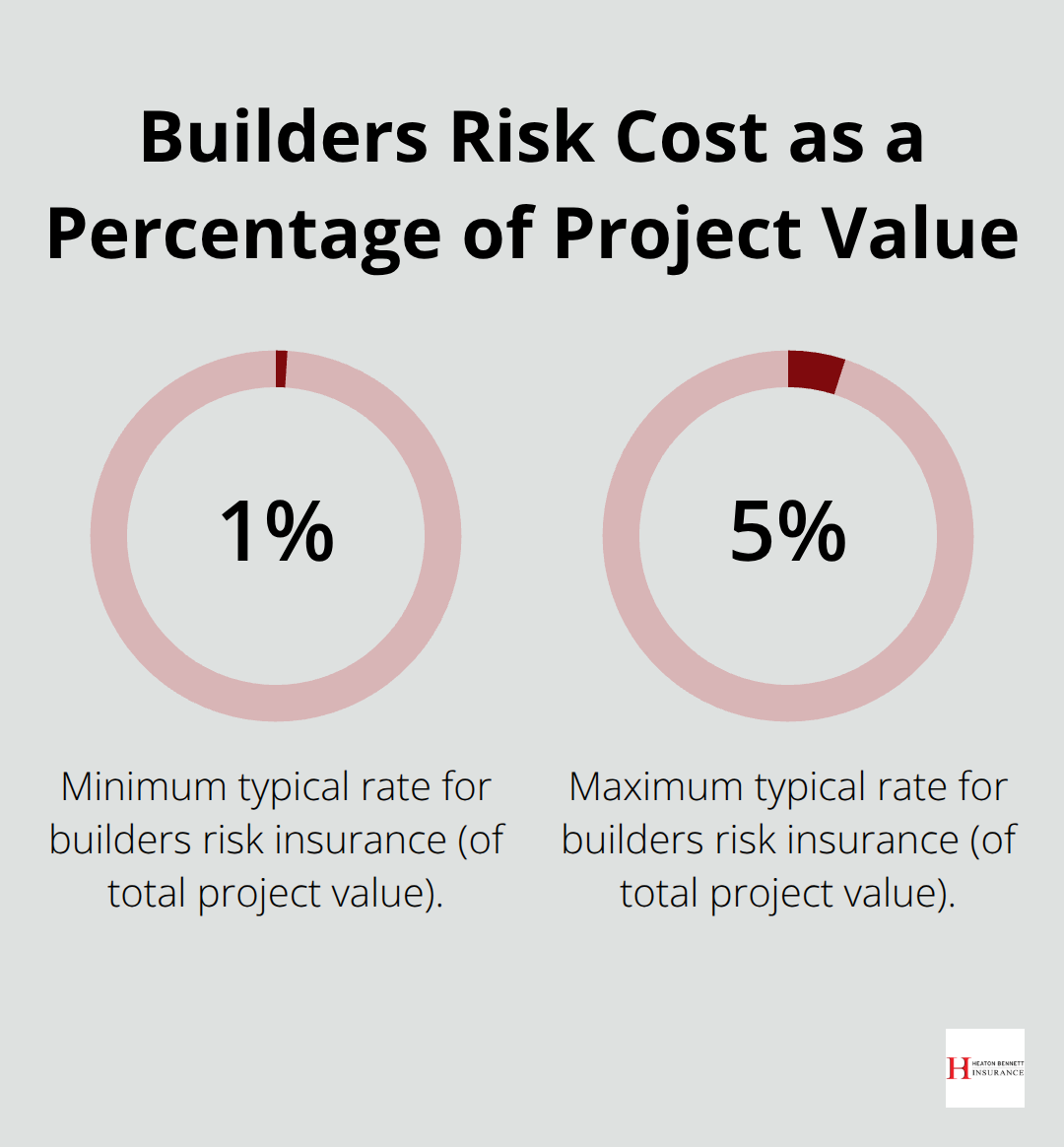
Builders Risk Insurance covers physical damage to property under construction, and lenders frequently require it before funding remodeling or new construction projects. This coverage protects materials, structures, and temporary facilities during active work, but the contract language matters enormously. You must confirm in your client agreement whether you or the general contractor purchases Builders Risk, since disputes over who holds the policy create liability gaps when damage occurs. You should ensure your policy limits match your actual exposure on the project, including materials stored on-site and the value of work in progress.
Flood Risk in Central Texas: A Gap That Costs Contractors Thousands
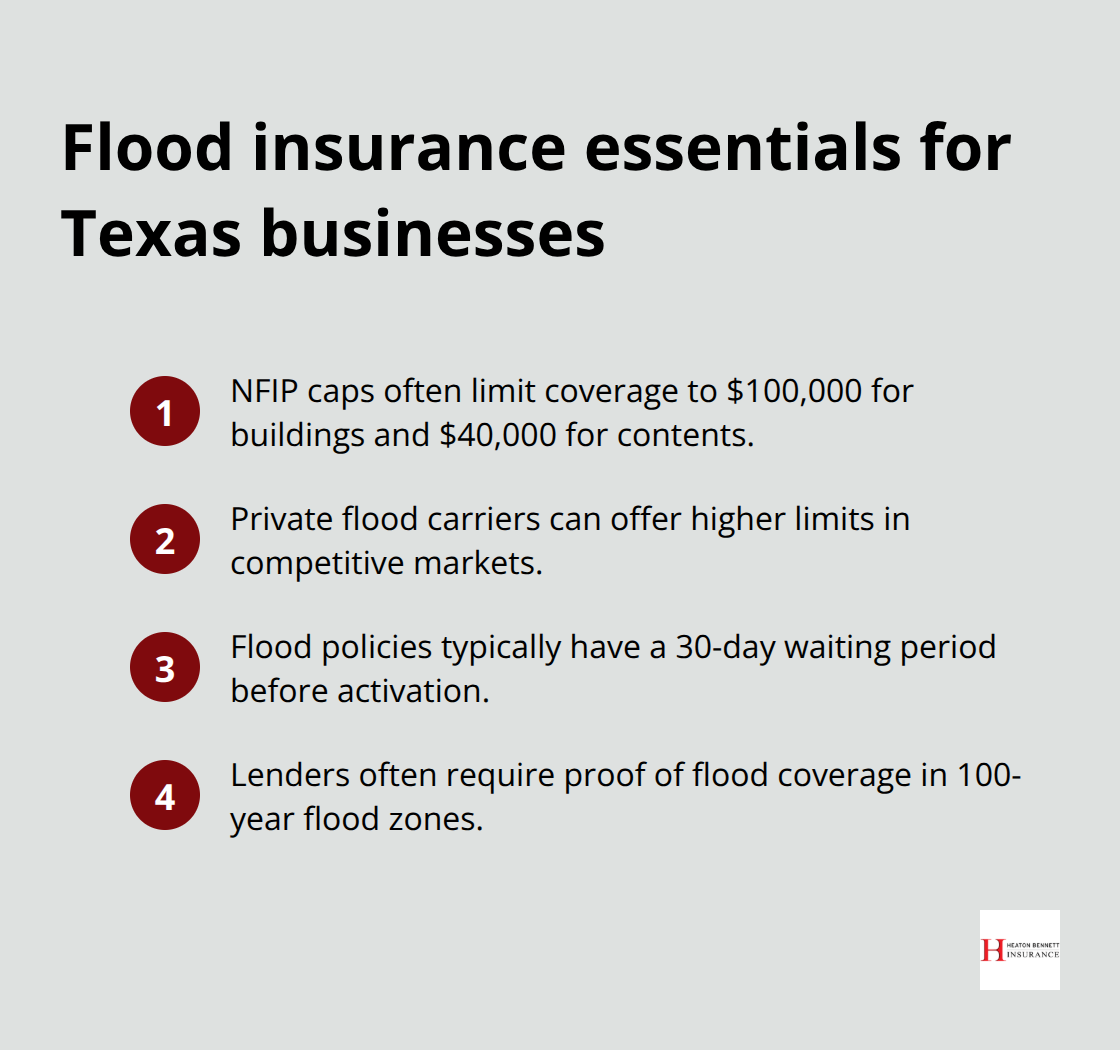
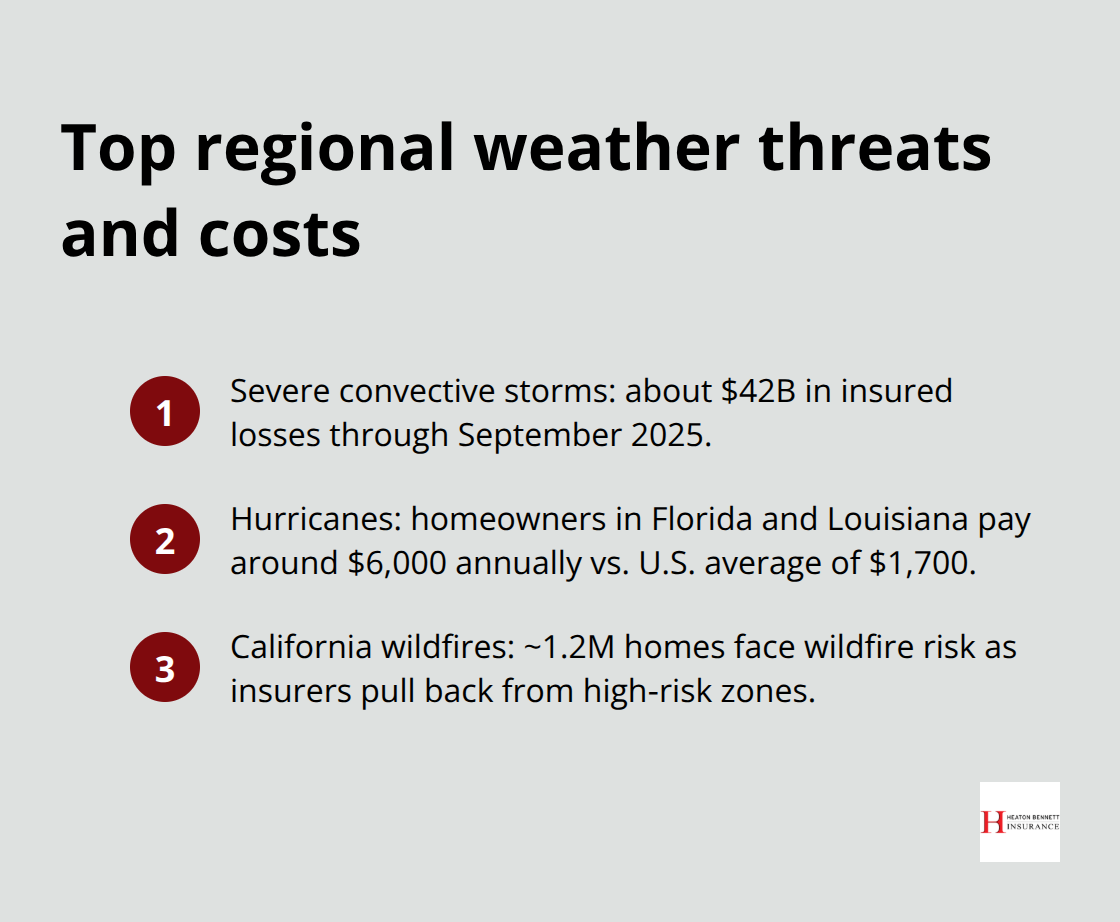
Flood risk in Central Texas requires standalone flood insurance, since standard property policies explicitly exclude flood and water damage, leaving you exposed during heavy rains or flash floods. This gap has cost Austin contractors thousands when unexpected water damage occurs on active projects. You need to address this exposure separately from your standard Builders Risk coverage, particularly if your projects sit in flood-prone areas or near drainage corridors. When you work with an independent agency, they can access multiple carriers and help you identify flood exposure specific to your job sites, ensuring you don’t face uninsured losses when weather strikes.
Matching Coverage to What Your Trade Actually Does
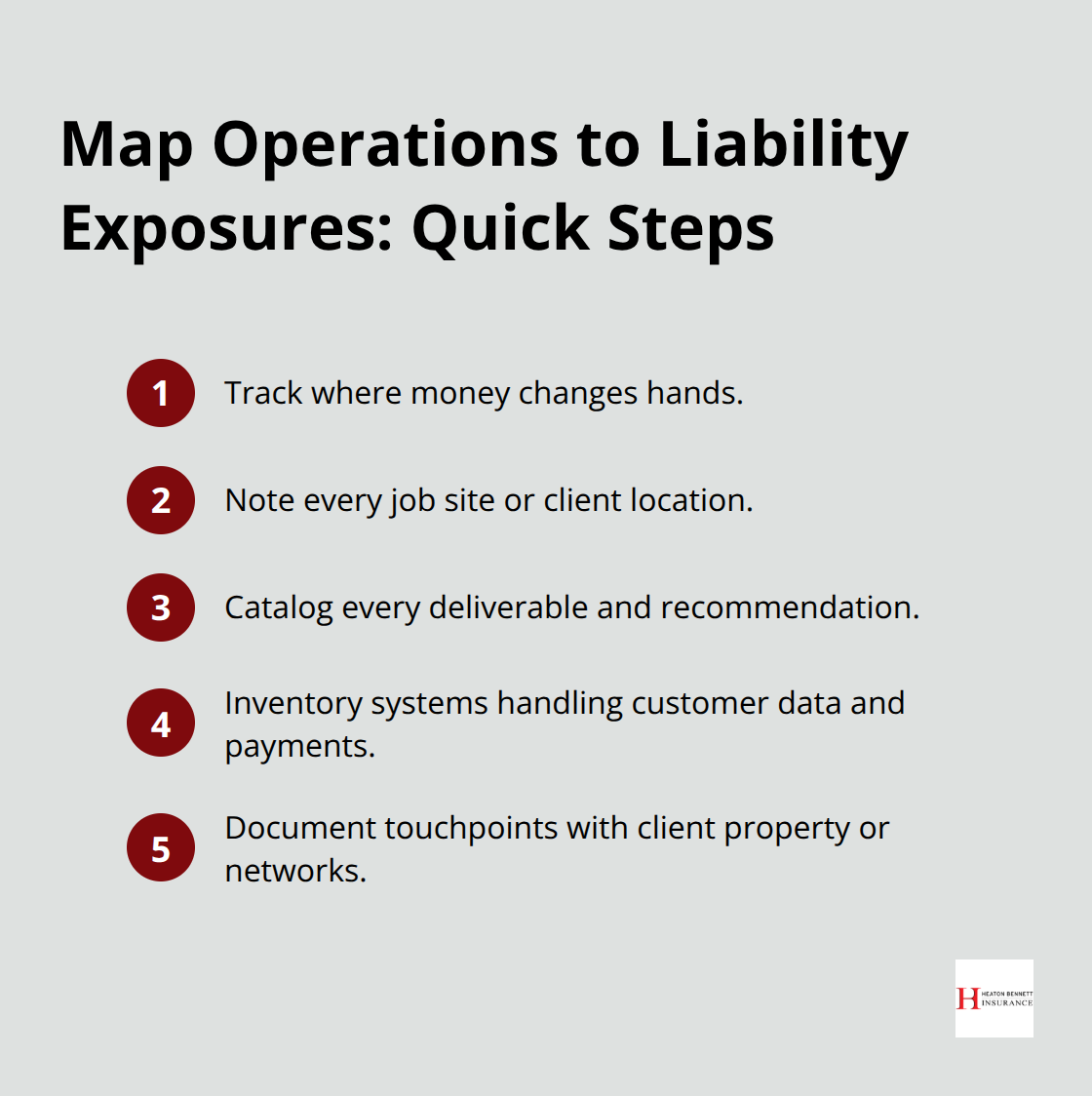
List Your Actual Work Activities and Cross-Reference Coverage
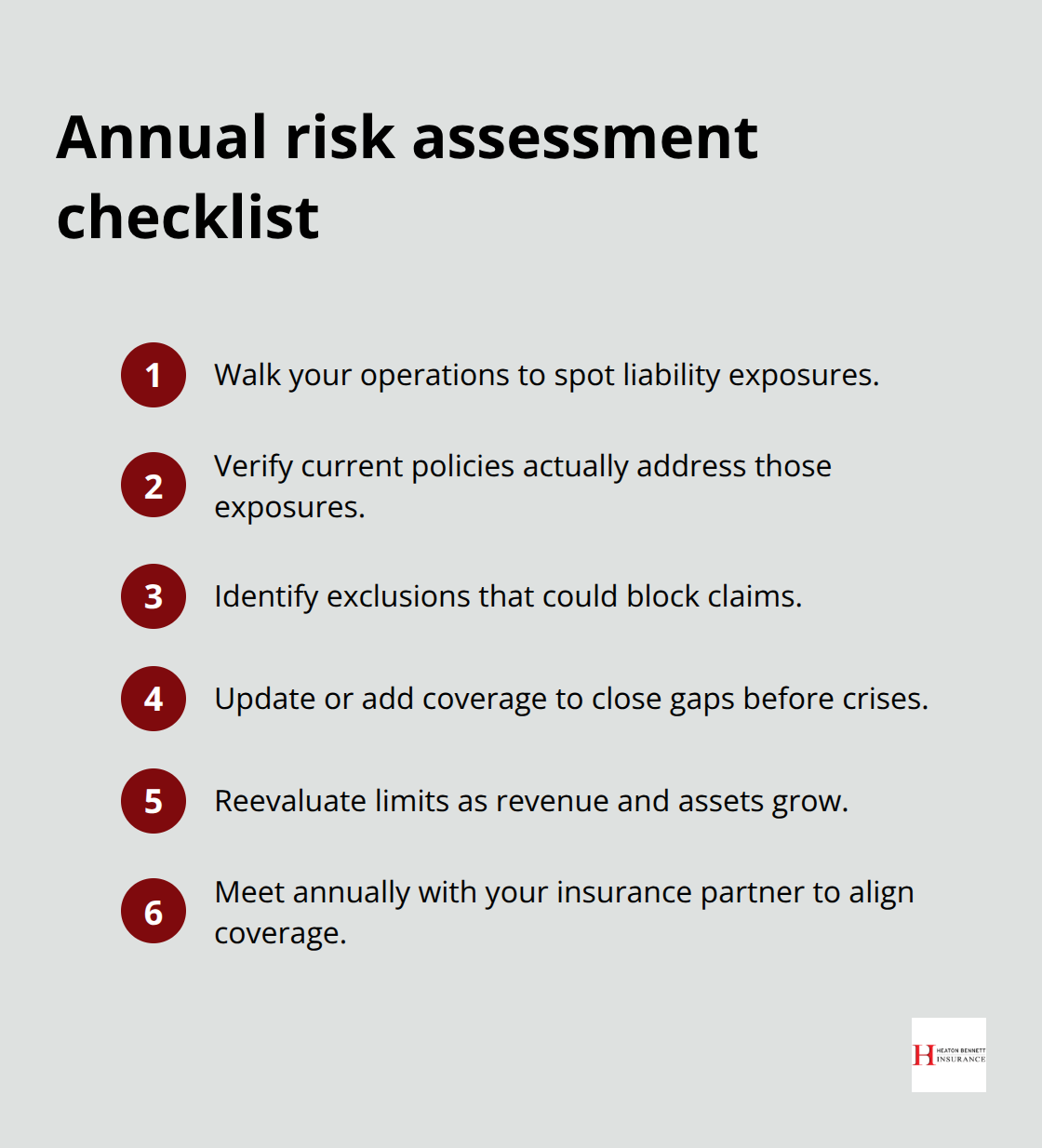
Start by listing every activity your crew performs on a typical project, then cross-reference it against what each policy actually covers. A roofing contractor might assume General Liability handles fall hazards, but it doesn’t-fall protection gaps exist in standard policies, and you need to address them explicitly with your carrier or add specialized coverage. An electrician working on commercial jobs faces different exposures than one doing residential rewiring, yet many contractors accept the same quote without pushing back on trade-specific language. Request quotes that specify your trade classification, typical project values, and the exact scope of work your crew performs.
Carriers price differently based on whether you perform new construction versus remodeling, residential versus commercial, or simple repairs versus complex installations. When you call for quotes, describe a recent project in detail: the type of work, the site conditions, the number of crew members involved, and any subcontractors on-site. This detail forces underwriters to quote your actual risk, not a generic contractor profile. Most carriers will adjust their initial quote once they understand your specific operations, so generic information leads to inflated premiums and gaps in coverage you won’t discover until a claim happens.
Organize Information for Meaningful Carrier Comparisons
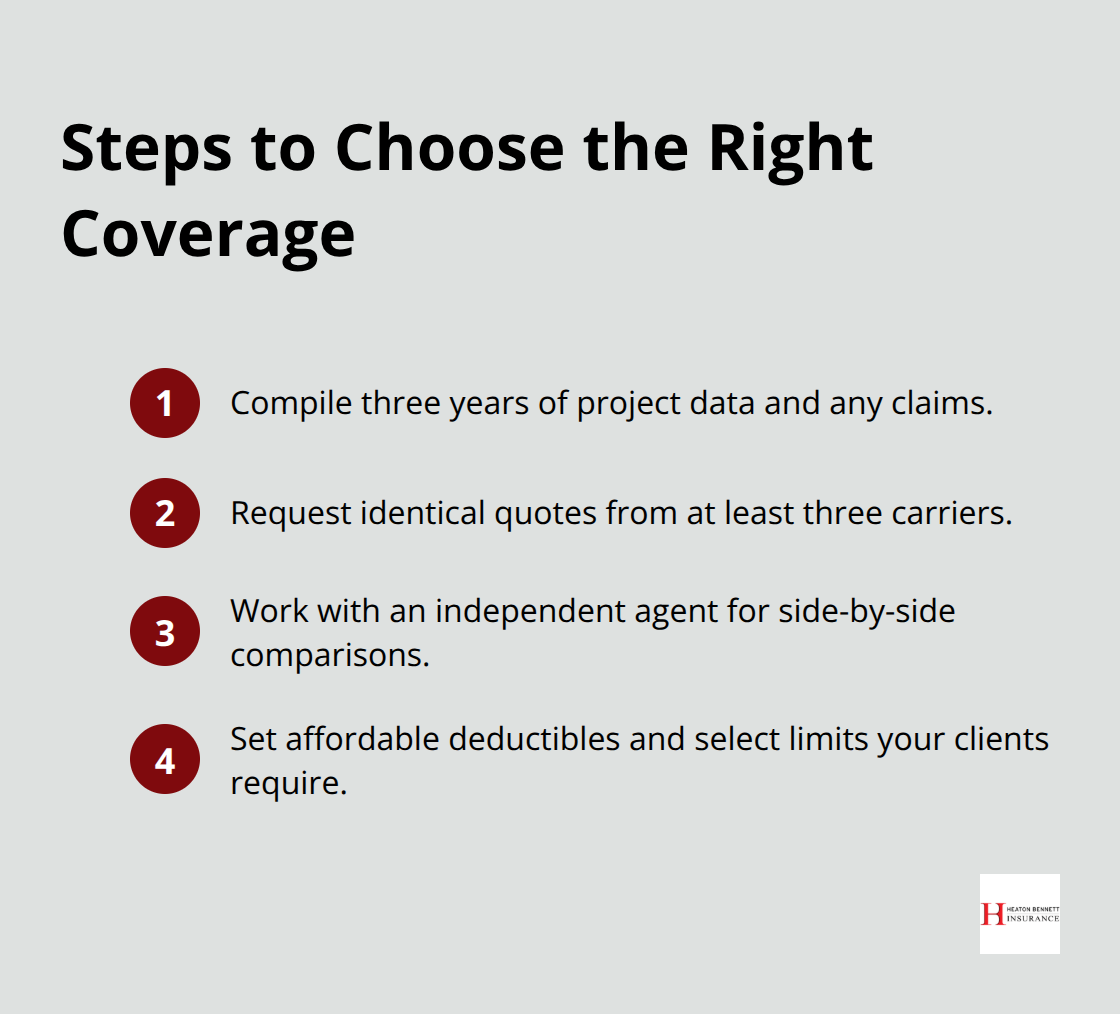
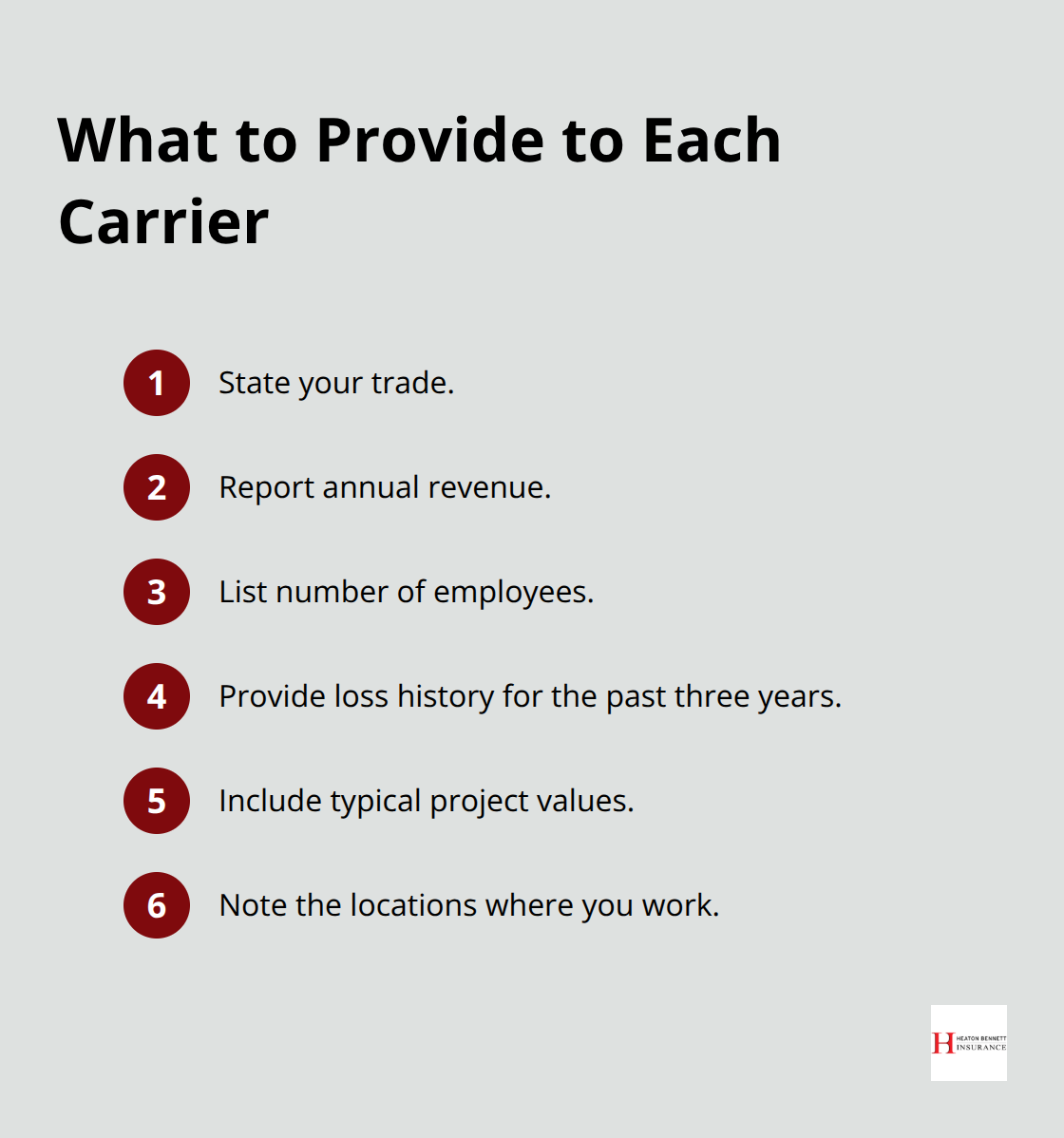
Comparing quotes across multiple carriers requires discipline and consistency, but it’s the only way to identify real price differences versus underwriting variations. Provide identical information to at least three carriers: your trade, annual revenue, number of employees, loss history for the past three years, typical project values, and locations where you work. Most carriers respond within 24 to 48 hours when you’re organized.
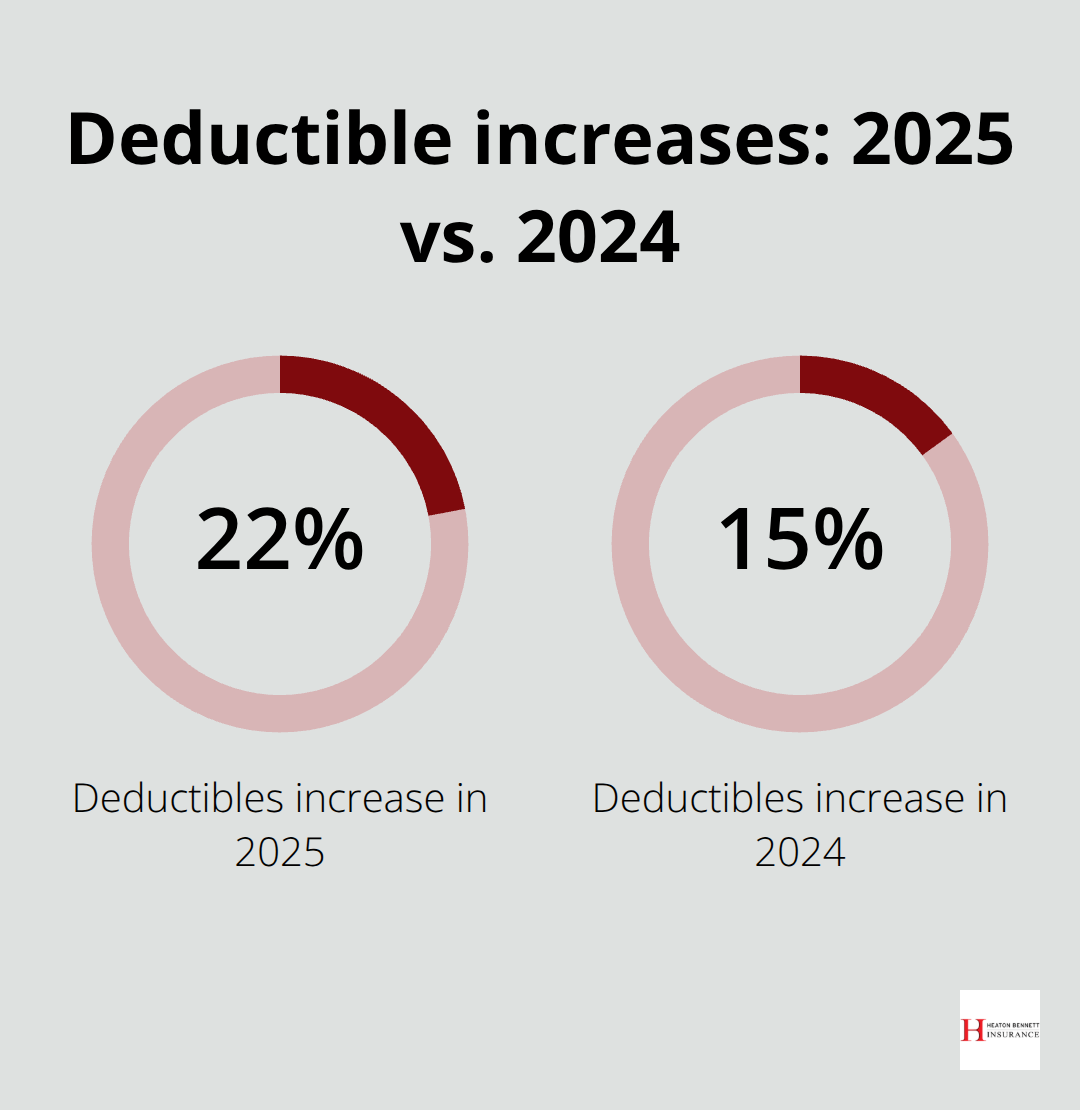
Then evaluate the total cost of ownership, not just the premium. A policy with a $1,000 annual premium but a $5,000 deductible costs more over a 12-month project cycle than a $1,200 premium with a $2,500 deductible, especially if you file smaller claims. Check whether bundling saves you money-combining General Liability with Commercial Property into a Business Owners Policy typically saves 12% compared to separate policies. Verify that additional insured endorsements, which most Austin clients require, are included at no extra cost.
Leverage Independent Agents and Loss Control Discounts
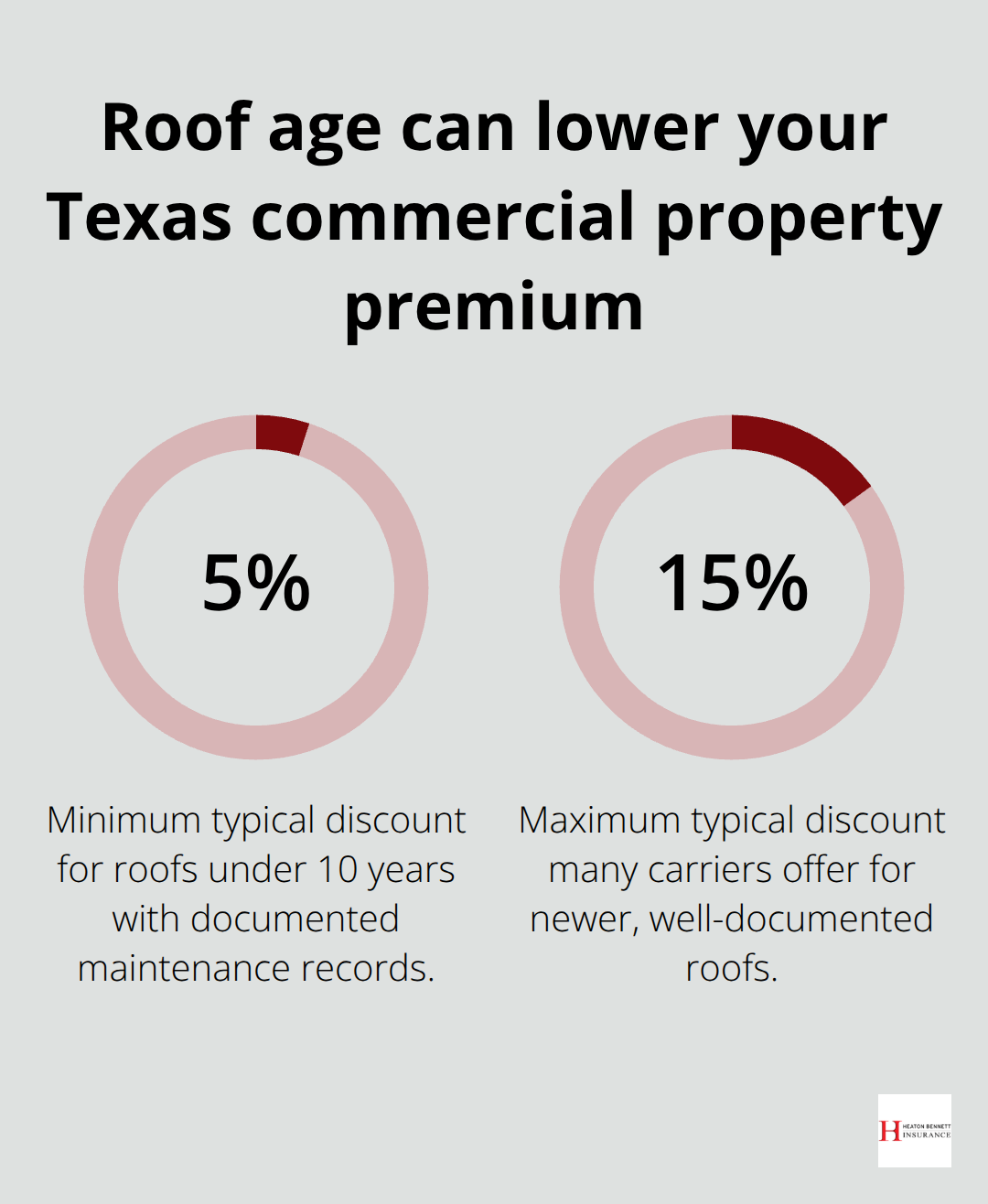
Independent agents access five to ten carriers at once, streamlining this comparison and saving you hours of phone calls. When you’ve narrowed your options, ask each carrier about loss control discounts for safety certifications, OSHA training, or participation in ABC Central Texas programs like STEP Safety, which can reduce your premium by 5% to 15% depending on your participation level.
Price alone tells you nothing about claims service or coverage quality-a cheap quote means nothing if the carrier denies your claim or takes months to respond when you need them. An independent agency can guide you through these comparisons and help you identify which carriers offer the best combination of price, service, and coverage for your specific trade and project profile.
Final Thoughts
Austin business insurance for contractors isn’t about buying the cheapest policy you find-it’s about matching your actual operations to coverage that protects what you’ve built and the people who work for you. General Liability, Workers’ Compensation, and Commercial Auto form the foundation every Austin contractor needs, but your trade has specific exposures that generic coverage misses. A roofer’s fall hazards, an electrician’s shock risks, a plumber’s water damage liability, and a concrete contractor’s site damage all demand attention beyond the basics.
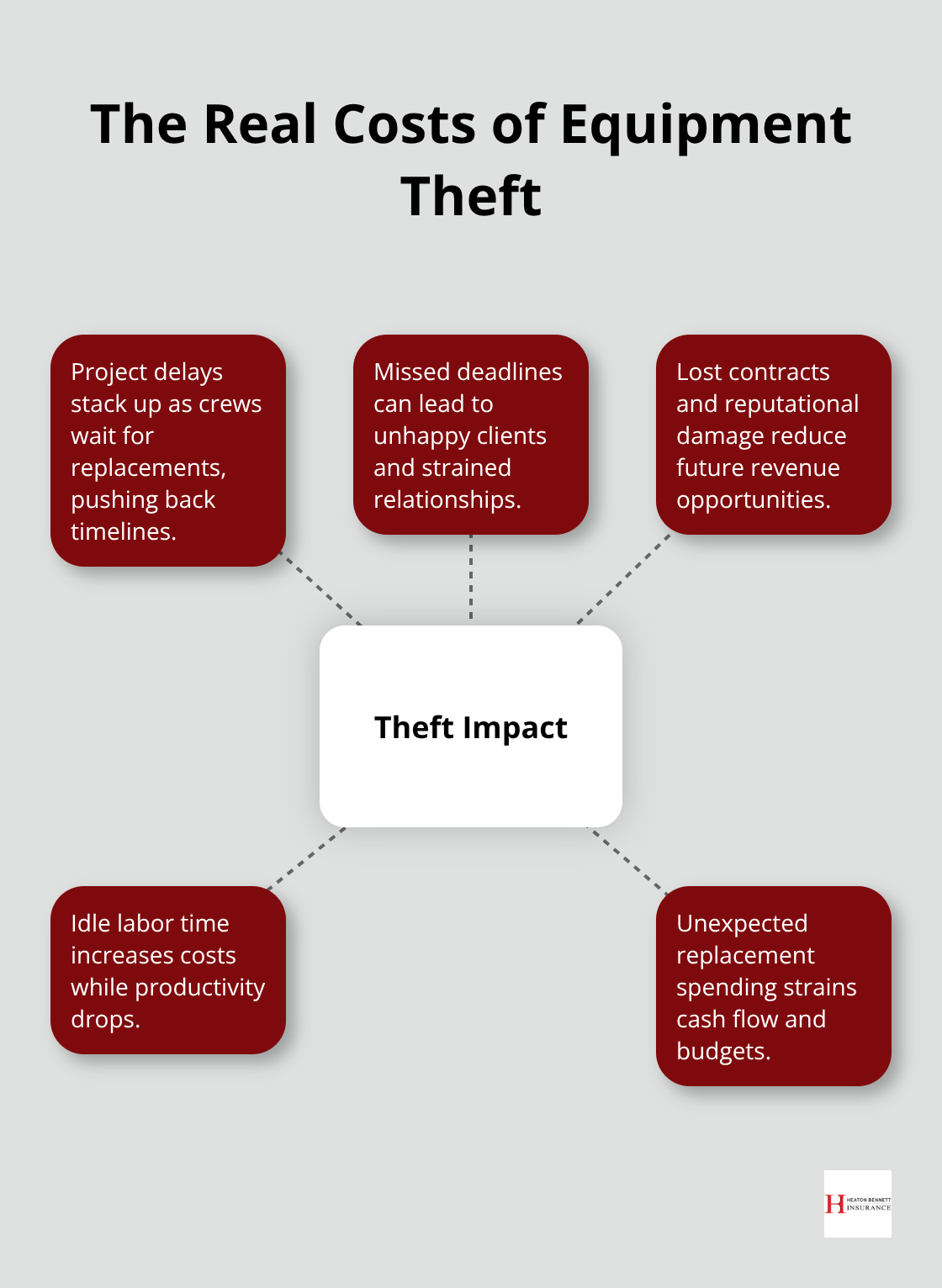
The contractors who pay too much or face claim denials later are the ones who accepted quotes without pushing back on trade-specific language or who bundled coverage without comparing total cost of ownership across multiple carriers. You need to list your actual work activities, provide identical information to at least three carriers, and evaluate deductibles alongside premiums over your full 12-month project cycle. Tools and equipment theft happens constantly in Austin’s dense construction market, Builders Risk protects your projects when lenders require it before funding, and flood coverage fills gaps that standard policies ignore during Central Texas storms.
Start by gathering your business details: trade, annual revenue, number of employees, loss history, and typical project values. Then contact Heaton Bennett Insurance to request quotes that reflect your actual operations. Most carriers respond within 24 to 48 hours, and you’ll have the clarity you need to move forward with confidence.
The information provided in this blog is for general informational purposes only and does not constitute legal, financial, or insurance advice. Coverage options, terms, and availability may vary. Please consult with a licensed professional for advice specific to your situation.