
Managing Business Weather Risk Austin: What SMBs Should Do
Austin’s unpredictable weather poses real threats to small and medium-sized businesses. Hail, flooding, and severe storms can damage property and disrupt operations without warning.
At Heaton Bennett Insurance, we help Austin business owners understand their weather risks and protect what they’ve built. This guide covers the coverage options and practical steps you need to stay resilient.
What Weather Threats Actually Impact Austin Businesses
Spring and Winter Storms Shape Austin’s Risk Profile
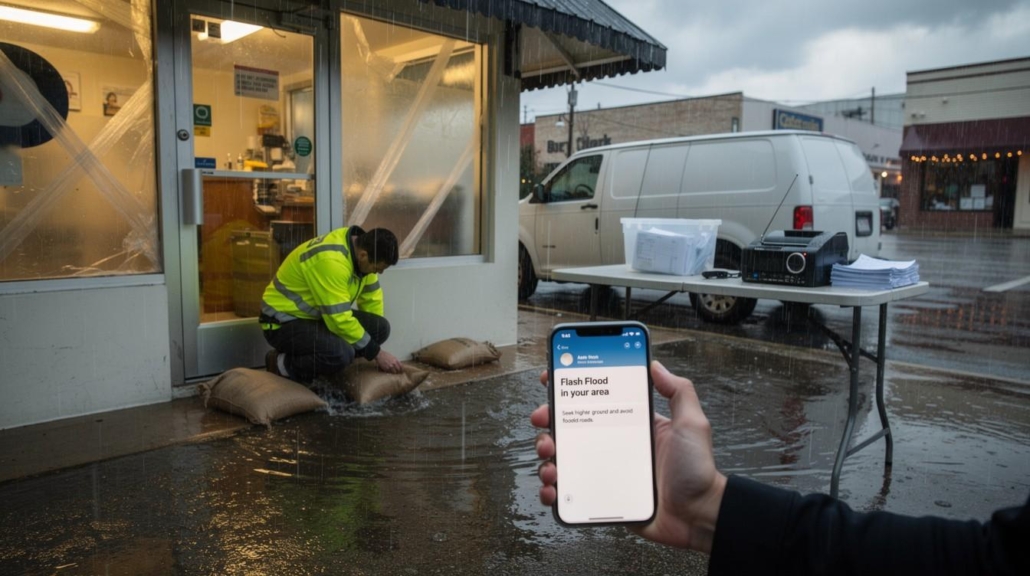
Austin sits in Flash Flood Alley, and that reality shapes every weather risk conversation we have with business owners. Spring severe weather in Austin includes thunderstorms, tornado risk, straight-line winds, and hail, according to the City of Austin’s Ready Central Texas guidance. These aren’t theoretical concerns-they’re seasonal events that disrupt operations, damage inventory, and force closures. Hail damages roofs, windows, and HVAC units on commercial buildings. Straight-line winds tear off sections of roofing, topple signage, and compromise structural integrity. Flooding happens fast in Central Texas, and businesses near creeks, low-lying areas, or with poor drainage face extended downtime after heavy rain. Winter events compound the problem. Storm Uri in 2021 and Storm Mara in 2023 demonstrated that freezing temperatures can last days or weeks, leaving pipes frozen, equipment inoperable, and power systems strained.
Assess Your Facility’s Specific Vulnerabilities
Your facility’s exposure depends on its location, age, construction type, and proximity to water. A 20-year-old building with a flat roof faces different hail risk than a newer structure with pitched roofing. A ground-floor retail space floods differently than a second-story office. Walk your property during dry conditions and identify what breaks first when weather hits hard.
Check your roof for visible wear, missing shingles, or poor drainage. Look at how water flows around your building during rain-does it pool near doors or foundation walls? Test your sump pump if you have one, and know where your water shutoff valve is located; Austin Water recommends locating it now so you’re not searching during an emergency. Walk through your parking lot and note if vehicles park under trees that could drop limbs, and inspect HVAC units and condensers for exposure to wind-driven debris.
Document Conditions Before Storms Strike
Photograph your property’s vulnerabilities and keep records. After a storm, the City of Austin advises inspecting property and vehicles, documenting damage with photos for insurance claims, and working with reputable insurers and repairers to avoid scams. That documentation habit starts before the storm hits. This practice protects you when you file a claim and helps you track patterns over time.
Identify Operations with Zero Downtime Tolerance
Know which operations have little-to-no downtime tolerance-if your business loses revenue the moment the doors close, that’s critical information for your insurance strategy and continuity planning. If you operate manufacturing, customer service, or IT infrastructure, extended outages cost you directly. If you’re retail or hospitality, a three-day closure is catastrophic. That severity level determines whether standard property coverage is enough or whether business interruption coverage becomes essential, which we’ll explore in the next section.
Insurance Coverage Options for Weather-Related Losses
Property Insurance Covers Direct Damage, Not Lost Revenue
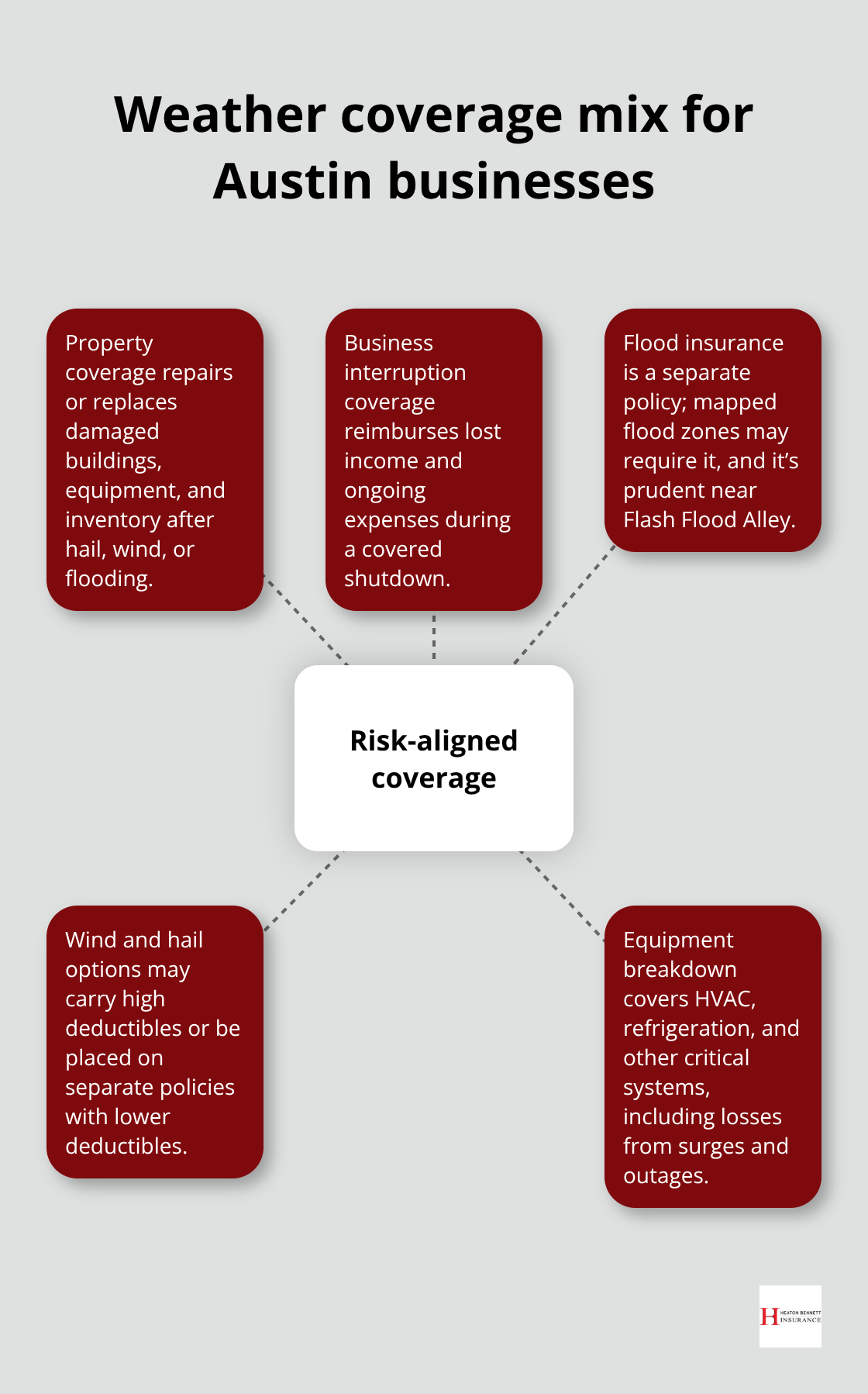
Standard commercial property coverage covers direct physical damage from weather events-hail dents your roof, wind tears off siding, or flooding destroys inventory and equipment. The coverage pays to repair or replace damaged property up to your policy limits. However, property insurance alone leaves a dangerous gap. When a hailstorm forces your business to close for a week, property coverage pays to fix the roof but not the revenue you lost while customers couldn’t reach you. When flooding damages your warehouse, you get money to rebuild, but your suppliers can’t deliver because their operations are also disrupted.
Business Interruption Coverage Protects Your Bottom Line
Business interruption coverage reimburses lost income and ongoing expenses like payroll and rent during the period your business cannot operate due to a covered weather event. If your business has zero downtime tolerance-meaning every closed day costs you significantly-this coverage becomes essential, not optional. A restaurant or manufacturing operation in Austin faces tens of thousands in lost revenue from a three-day closure caused by flooding or severe storms, and property coverage never touches that loss.
This coverage fills the gap that standard policies leave open.
Specialized Policies Address Austin’s Specific Weather Threats
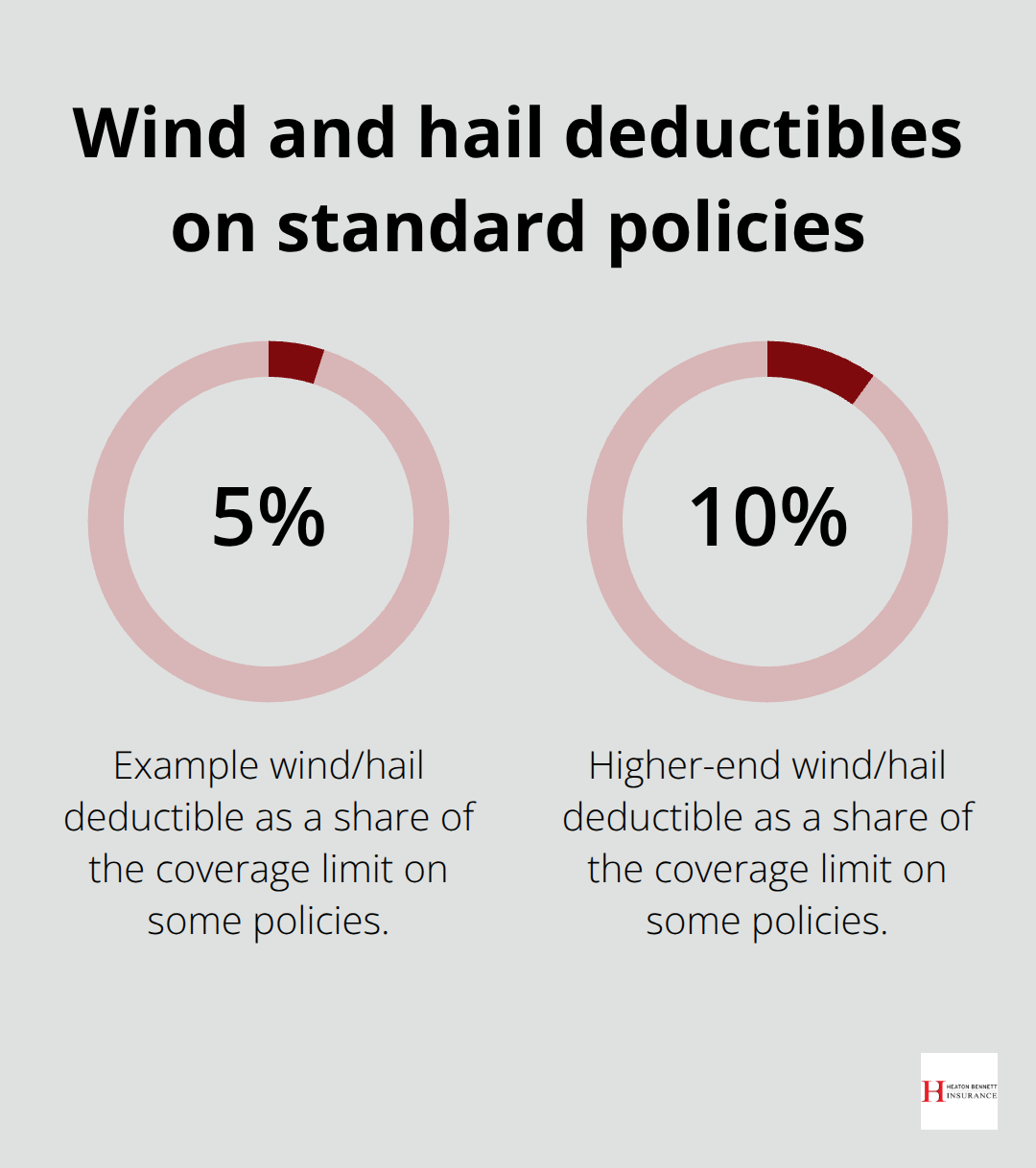
Flood insurance stands separate from standard property policies and requires its own application through the National Flood Insurance Program or private carriers. If your business sits in or near Flash Flood Alley areas identified by FEMA flood maps, lenders mandate flood coverage, and prudence demands it regardless. Wind and hail deductibles on standard policies often run high-sometimes 5 to 10 percent of your coverage limit-meaning a major hail event leaves you paying thousands before insurance kicks in. Some carriers offer separate wind and hail policies with lower deductibles, which makes sense for Austin businesses that face spring thunderstorms annually.
Equipment Breakdown Coverage Protects Critical Systems
Equipment breakdown coverage protects HVAC systems, refrigeration, and other critical mechanical equipment from weather-related failures and power surges during storms. If your operation depends on temperature control or powered machinery, a single lightning strike or extended power outage can idle your business for days while you wait for repairs or replacements. This coverage activates when standard property policies won’t, covering the cost of equipment repair or replacement and the business interruption that follows.
Match Coverage to Your Actual Risk Profile
Your policy should reflect where your facility sits, what operations matter most, and which weather scenarios would genuinely threaten your survival. Standard packages often miss the mark for Austin businesses facing specific seasonal threats. Working with an independent insurance agency gives you access to multiple carriers and the ability to customize coverage rather than accepting whatever a standard package offers. The right combination of property, business interruption, flood, wind and hail, and equipment breakdown coverage protects you against the weather events that actually happen in Central Texas.
How to Strengthen Your Austin Business Against Weather Damage
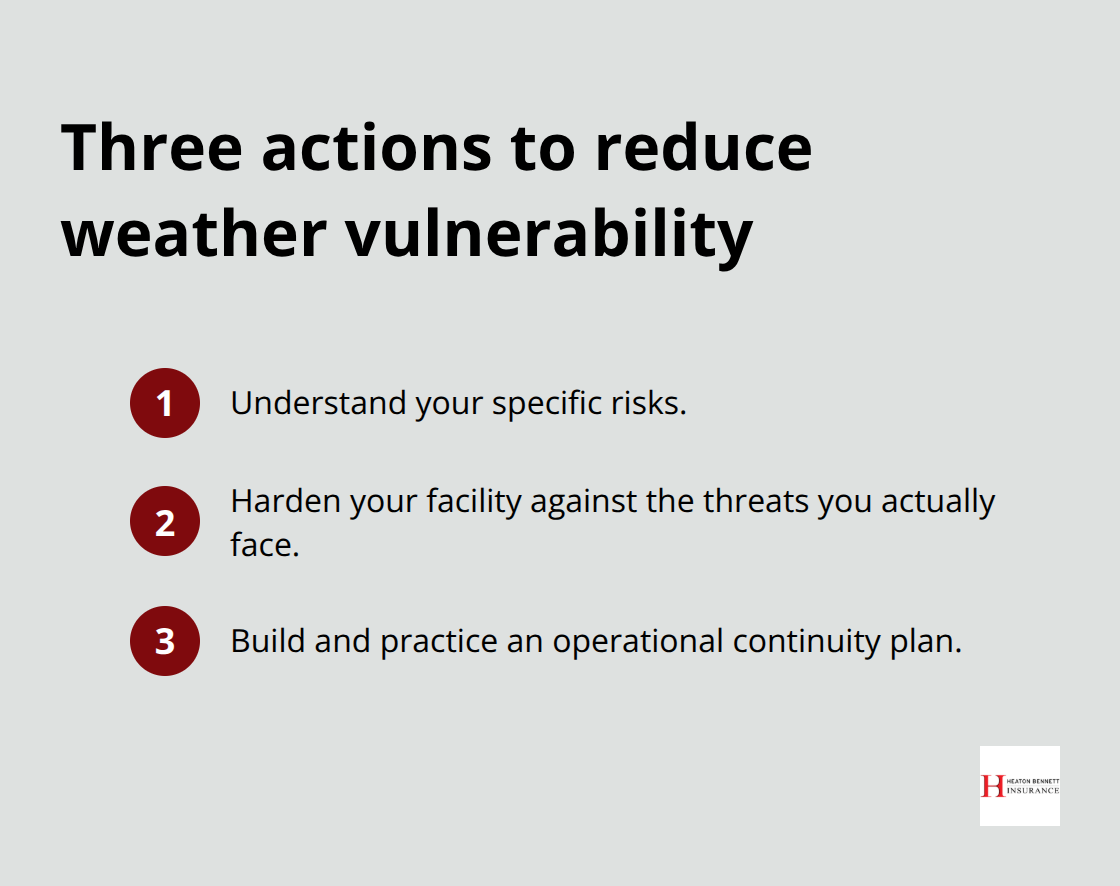
Reducing weather vulnerability requires three concrete actions that work together: understanding your specific risks, hardening your facility against the threats you actually face, and planning how your business stays operational when storms hit. Insurance protects you financially after damage occurs, but these steps prevent or minimize that damage in the first place. Austin businesses that skip this work end up filing larger claims, facing longer closures, and paying higher premiums because their loss history shows repeated damage to the same vulnerabilities.
Inspect and Harden Your Physical Facility
Walk your property with a focus on water and wind exposure. The City of Austin recommends testing gas service lines annually, checking furnaces and boilers, and ensuring smoke alarms and carbon monoxide detectors work properly. Weather-specific hardening goes further than baseline maintenance. Trim trees within 15 feet of your roof and HVAC units so branches don’t become projectiles or clog gutters during storms. Secure loose items on your roof, exterior, or parking areas that wind can turn into debris. Install or upgrade gutter systems to handle Austin’s heavy spring rainfall, and clear them monthly during storm season.
If your roof is more than 15 years old or shows visible wear, have it professionally inspected and plan replacement before the next hail season hits. Check your foundation and exterior walls for cracks where water can seep in, especially if your building sits in or near flood-prone areas. For equipment with high downtime costs, like HVAC systems or refrigeration, schedule preventive maintenance before spring storms arrive so you’re not scrambling for repairs when contractors are overwhelmed.
Prepare Your Water and Utility Systems
Austin Water advises locating your water shutoff valve now and keeping it clear so you can stop water damage quickly if a pipe bursts during a freeze event like Storm Uri in 2021 or Storm Mara in 2023. Know where your main electrical panel sits and how to cut power safely if water threatens your building. Document your property now with photos showing its current condition, existing damage, and vulnerabilities so you have baseline documentation for insurance claims after a storm.
Build Your Business Continuity Plan
Your business continuity plan translates this preparation into action when weather actually hits. Assign a staff member to lead the plan and designate clear roles so everyone knows what to do when a weather alert arrives. Identify which operations must continue and which can pause, then plan backup power, alternative suppliers, or remote work capabilities for critical functions.
Sign up for WarnCentralTexas.org emergency notifications so you receive alerts before severe weather strikes your area. Stock a basic emergency kit with non-perishable food, water at one gallon per person per day for seven days according to Austin Water guidance, a flashlight, first-aid supplies, and medications your team needs. Create a communication plan so you can reach customers and employees quickly if you need to close or delay opening.
Test and Update Your Plan Regularly
Schedule quarterly reviews of your plan and update it when you change locations, add equipment, or hire new staff. This isn’t theoretical work-Austin businesses that practice their plans recover faster and file smaller claims because they act decisively instead of scrambling during the crisis. Practice your evacuation routes, test your backup power systems, and walk through your communication procedures so your team responds with confidence when storms approach.
Final Thoughts
Weather disruption strikes Austin businesses regularly, and those that survive intact prepared beforehand. Managing business weather risk Austin means combining three elements: understanding your specific vulnerabilities, securing the right insurance coverage, and building a continuity plan your team can execute under pressure. The practical steps we’ve outlined reduce damage before it happens, while insurance fills the gaps that prevention cannot eliminate entirely.
At Heaton Bennett Insurance, we help Austin business owners navigate these decisions with clarity. As an independent agency, we work with multiple carriers to build coverage that matches your actual risk profile rather than forcing you into standard packages that miss the mark. Our Security Snapshot process guides you through the complex choices so you understand what you’re protected against and where gaps exist.
Start by scheduling a conversation with our team to walk through your facility and identify your vulnerabilities. We’ll show you the coverage options that make sense for your operation, and the peace of mind that comes from knowing you’re genuinely protected is worth far more than the cost of getting it right.
The information provided in this blog is for general informational purposes only and does not constitute legal, financial, or insurance advice. Coverage options, terms, and availability may vary. Please consult with a licensed professional for advice specific to your situation.

