
Weather Risk Property Insurance: What It Means for Your Bottom Line
Weather doesn’t care about your business plans. Storms, floods, and extreme temperatures hit your property without warning, and the financial damage extends far beyond repair bills.
At Heaton Bennett Insurance, we’ve seen how weather risk property insurance separates businesses that recover quickly from those that struggle for years. The right coverage strategy protects both your assets and your ability to stay operational when disaster strikes.
What Weather Patterns Really Mean for Your Insurance Claims
How Insurers Price Your Risk
Climate patterns don’t affect insurance claims in some distant, theoretical way-they determine whether your claim gets approved, how much you’ll pay in premiums next year, and whether your insurer will even renew your coverage. Insurance companies track weather data obsessively because they know that certain regions face predictable, recurring losses. A property in Louisiana faces flood risk every hurricane season. A home in Colorado faces hail damage from spring convective storms. A building in California sits in a wildfire zone. Insurers price these risks based on 20+ years of historical claims data, which means your location’s weather history directly shapes your costs today.
When storms hit your area with greater frequency or severity than historical averages predicted, insurers respond by raising premiums sharply or dropping coverage altogether. From 2018 to 2022, ZIP codes that experienced large-loss years saw premiums jump about 6.2 percent the following year, according to analysis of Federal Insurance Office data. This isn’t a minor adjustment-it’s a direct penalty for living in a place where weather is becoming more destructive.
Regional Weather Threats and Their Costs
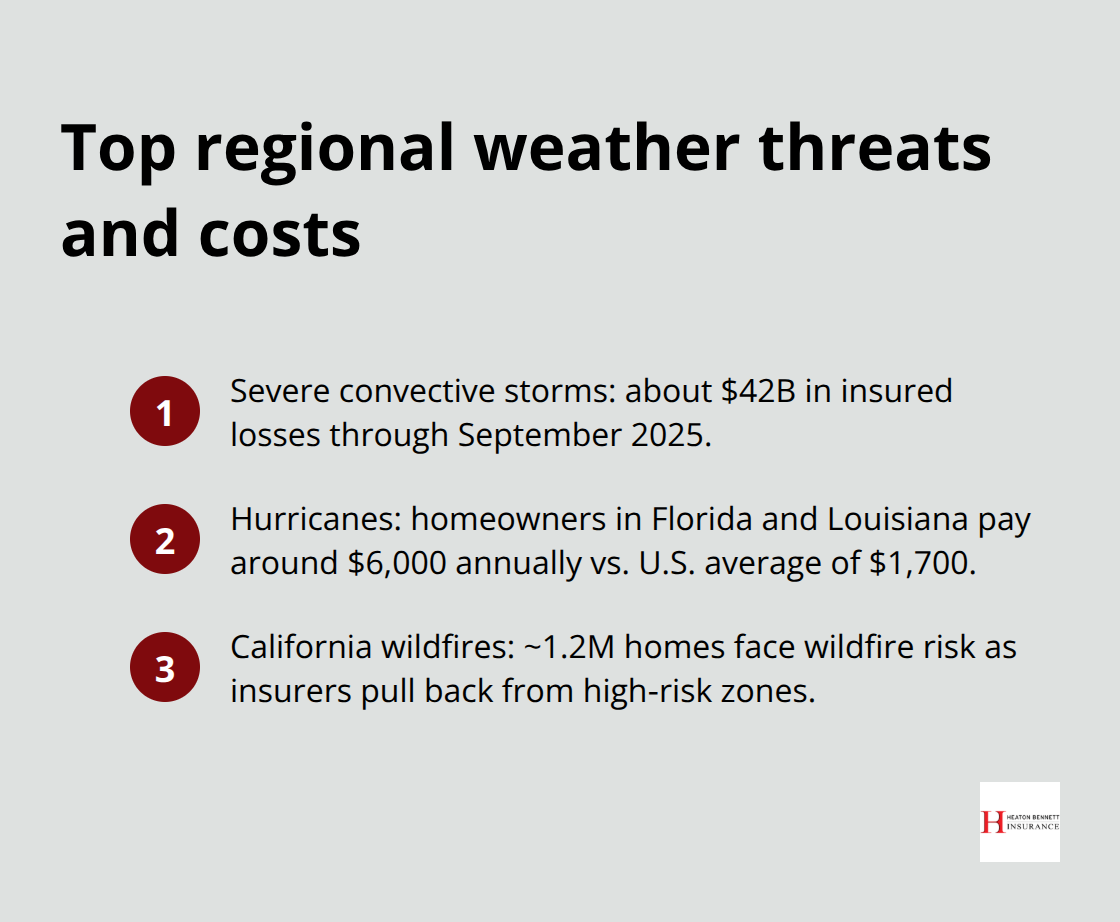
The specific weather events that damage properties vary by region, but severity is rising everywhere. Severe convective storms caused about 42 billion dollars in insured losses through September 2025, making them the top risk area for insurers nationwide. Hurricanes remain concentrated along the Gulf Coast, particularly in Florida and Louisiana, where homeowners now pay around 6,000 dollars annually for coverage versus the U.S. average of 1,700 dollars. Wildfires have made California’s insurance market nearly uninhabitable for standard coverage-CoreLogic estimates more than 1.2 million California homes face wildfire risk, and insurers have pulled back dramatically from high-risk zones.
Winter weather, floods, hail, and tornadoes round out the spectrum of threats. Property damages don’t always translate into insurer losses because many properties carry high deductibles or lack flood coverage entirely, which creates gaps between what you pay out of pocket and what insurance actually covers. A one standard deviation increase in storm damage per property (roughly 1,100 dollars) increases the probability of a large-loss year by about 2 percentage points.
How Large Losses Trigger Market Shifts
When large losses occur in a given year, nonrenewals spike by roughly 1.7 percentage points the following year, meaning your neighbors may lose coverage entirely. Rising frequency compounds this problem-property damages from extreme weather rose 6.5 percent on average per year from 1995 to 2022, according to analysis using NOAA Storm Events data. No region is immune to this trend.
The pattern shows that premium increases and nonrenewals can diverge across communities, with some areas experiencing both pressures simultaneously while others see significant nonrenewals with modest premium changes. Understanding your specific local risk-whether it’s hail in the Upper Midwest, hurricanes on the Gulf Coast, or wildfires in the West-shapes the coverage strategy you need. The next section examines how these weather-driven costs ripple through your business operations and long-term financial health.
How Weather Disasters Hit Your Bottom Line
The True Cost of Storm Damage
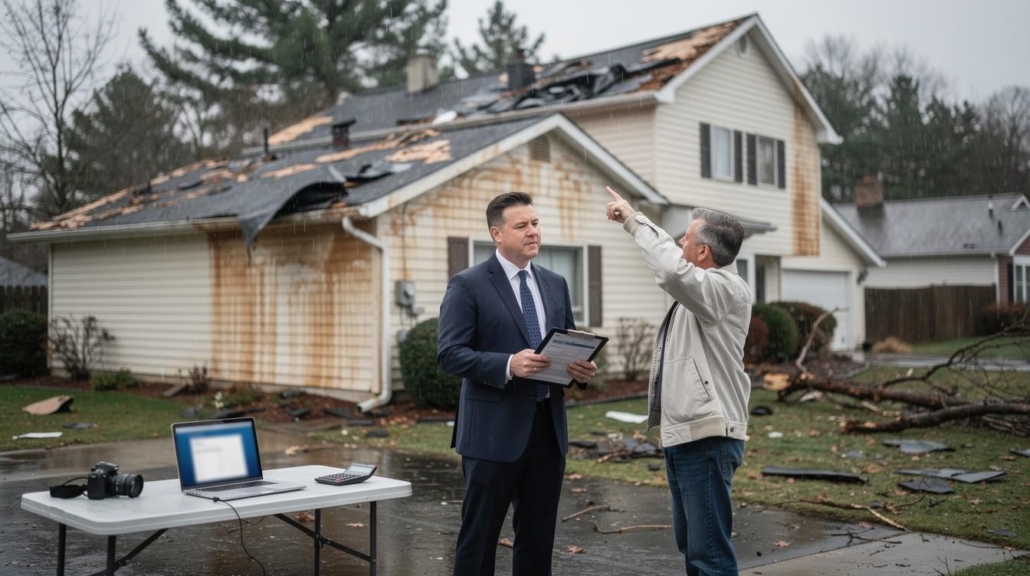
Weather-driven property damage costs far more than repair bills. When a severe storm damages your roof, floods your warehouse, or forces you to shut down operations, the financial bleeding extends through multiple budget lines simultaneously. Direct repair costs are just the visible injury. A commercial property in a hail-prone area might face $50,000 in roof damage, but that same event triggers business interruption losses that dwarf the physical repairs. If your operations halt for two weeks, lost revenue, unpaid employee wages, and customer defection can easily exceed $200,000.
How Insurers Recalibrate After Major Losses
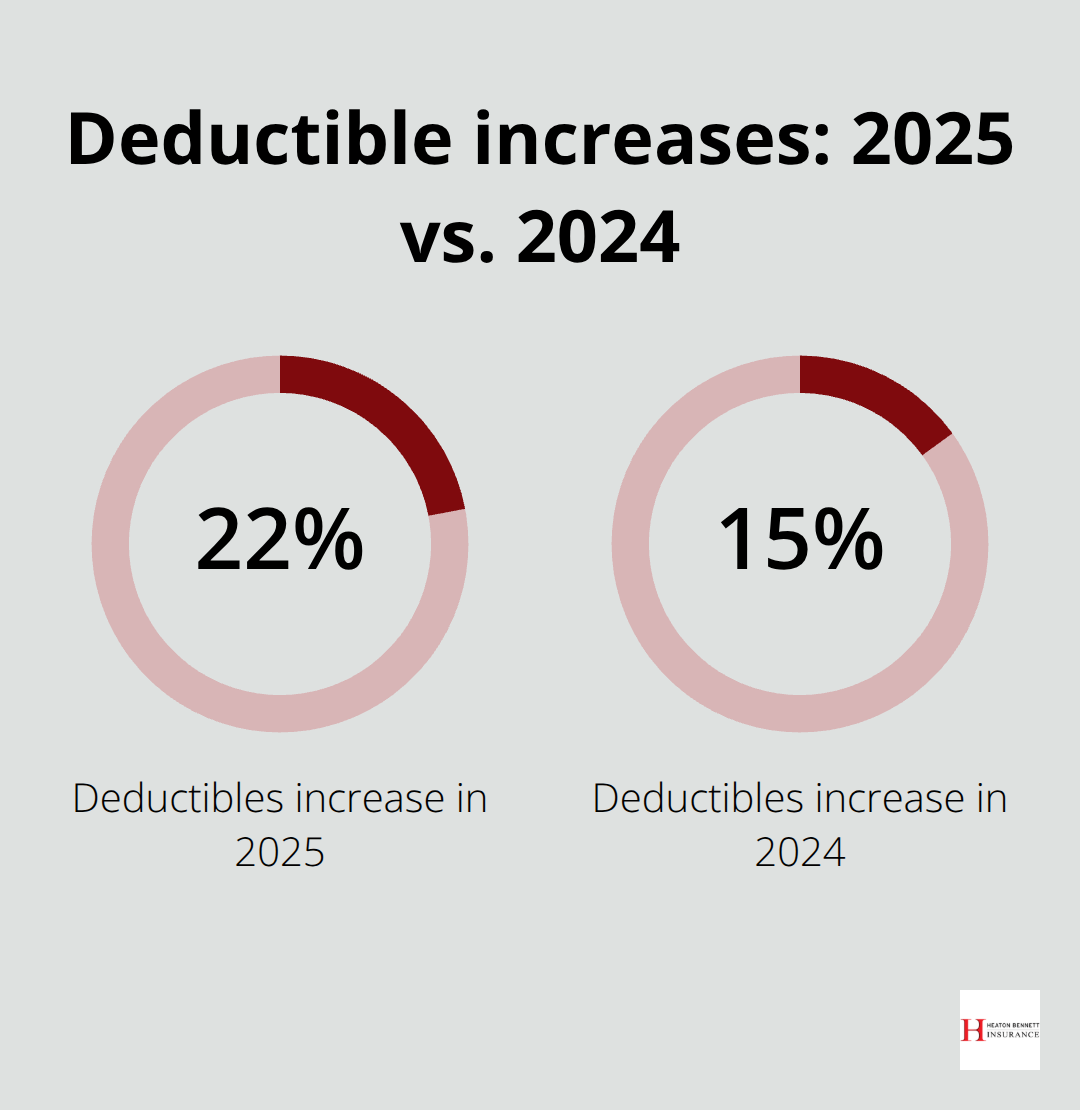
The real financial pressure emerges when you examine how weather events reshape your insurance economics over time. In 2025, the average new home insurance premium reached $1,952, up 8.5 percent year over year, and commercial policies have climbed even more steeply in high-risk regions. When your area experiences a large-loss year, insurers don’t just raise premiums slightly-they recalibrate entire underwriting models. Deductibles rose 22 percent in 2025 compared to 15 percent in 2024, meaning you absorb more risk before insurance kicks in.
Roof Age and Property Condition Drive Pricing
For properties with older roofs, the premium gap has widened dramatically. The difference between covering a roof under 5 years old versus one aged 11 to 15 years jumped from $49 in 2022 to $155 in 2025. Roof age now drives underwriting decisions because insurers use satellite imagery and drone inspections to assess condition with precision. This shift means property owners who maintain newer roofs gain a competitive advantage in pricing, while those with aging roofs face steeper costs.
High-Risk Zones and Market Alternatives
If your property sits in a high-risk ZIP code-whether that’s coastal Florida, wildfire zones in California, or hail corridors in Colorado-you may face nonrenewal entirely. Standard carriers pull back from these areas, forcing you into the Excess & Surplus market where premiums run 30 to 50 percent higher than standard carriers. One major loss in your neighborhood can trigger premium spikes affecting dozens of properties that never filed claims. Property values in the top 25 percent most exposed homes have dropped roughly $20,500 since 2018, and in the most vulnerable homes, values have fallen about $43,900.
Asset Value Erosion and Long-Term Financial Impact
This erosion of asset value makes refinancing harder, reduces collateral for business loans, and permanently impairs your net worth. The cascading effect is brutal: weather risk doesn’t just hit you once-it compounds through higher premiums, tighter coverage, and reduced property values that persist for years. Understanding your specific exposure and taking action to reduce it separates businesses that maintain financial stability from those that face mounting pressure. The next section examines concrete strategies to mitigate these risks and protect your bottom line before the next storm arrives.
How to Cut Insurance Costs Before the Next Storm
Act Now Before Insurers Recalibrate
Waiting for disaster to strike and then responding with higher deductibles and tighter coverage is a losing strategy. Property owners who act now, before insurers recalibrate their models after the next major loss in your area, gain a financial advantage. The gap between a roof under 5 years old and one aged 11 to 15 years costs you an extra $155 annually in premiums alone, according to 2025 underwriting data. That $155 difference compounds over a decade into thousands of dollars in unnecessary costs. More importantly, roof condition directly influences whether an insurer will renew your policy at all.
Prioritize Upgrades That Insurers Reward
Insurers now use satellite imagery and drone inspections to assess property condition with precision, meaning deferred maintenance isn’t hidden anymore. If your roof is aging, your HVAC system hasn’t been serviced, or your gutters sit clogged with debris, insurers see it and price accordingly. The practical response is straightforward: invest in targeted upgrades that insurers actively reward.
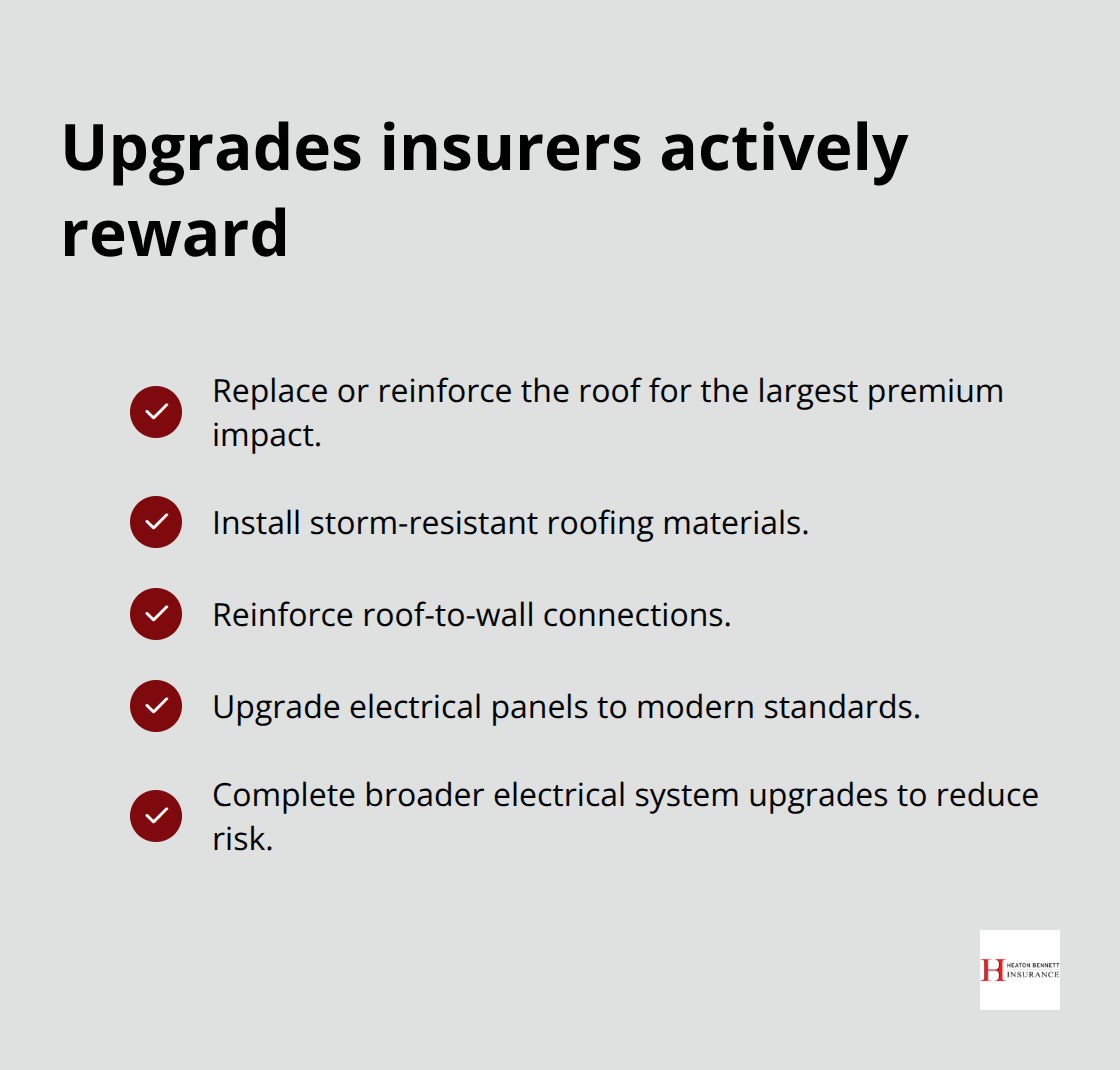
Roof replacement or reinforcement tops the priority list because it drives the largest premium differential. Electrical system upgrades matter significantly in areas prone to severe convective storms, which caused $42 billion in insured losses through September 2025. Installing storm-resistant roofing materials, reinforcing roof-to-wall connections, and upgrading electrical panels to modern standards create measurable risk reduction that insurers recognize in your premium. These aren’t theoretical improvements-they’re the specific factors underwriting models now prioritize.
Balance Deductibles Against Your Cash Position
Your deductible and coverage limit choices determine how much risk you absorb versus how much insurance covers, and this trade-off directly affects both your premium and your financial exposure. Raising your deductible from $500 to $2,500 lowers your premium, but it forces you to absorb $2,000 more out of pocket when a claim occurs. This makes sense only if you have cash reserves to cover that gap without disrupting operations.
For properties in high-risk zones, standard carriers often become unavailable entirely, pushing you into the Excess and Surplus market where premiums run 30 to 50 percent higher. Rather than waiting for nonrenewal, work with an insurance professional now to assess your specific local risk based on historical storm data, your property’s condition, and your region’s underwriting trends.
Understand Regional Risk and Market Shifts
Colorado experienced a 25.7 percent premium increase in 2025, while Georgia saw 28.4 percent, illustrating how dramatically regional risk reshapes costs. An independent agency with access to multiple carriers can identify which insurers remain active in your area and which ones are pulling back, then structure coverage that balances affordability with adequate protection. This matters because one major loss in your ZIP code can trigger nonrenewals affecting dozens of properties that never filed claims, making proactive planning essential before market conditions tighten further.
Final Thoughts
Weather risk property insurance protects far more than your roof-it protects your ability to recover financially when storms hit. Act now before the next major loss in your area triggers market-wide recalibration, because a roof replacement or electrical system upgrade costs money today but saves thousands in premiums over time and keeps you insurable when standard carriers pull back. Understand your specific regional risk, balance your deductible against your cash reserves, and recognize that Colorado’s 25.7 percent premium increase in 2025 demands a different strategy than Georgia’s 28.4 percent jump.
Professional guidance matters because insurance markets shift rapidly and one major loss in your ZIP code can trigger nonrenewals affecting dozens of properties that never filed claims. An independent agency with access to multiple carriers identifies which insurers remain active in your area, structures coverage that balances affordability with protection, and shows you how your property’s condition affects your premium. Waiting until nonrenewal forces you into the Excess and Surplus market (where premiums run 30 to 50 percent higher) leaves you scrambling for coverage when options narrow.
We at Heaton Bennett Insurance work with property owners to assess their specific weather risk and build coverage strategies that protect both assets and operations. Contact us for a personalized insurance assessment that fits your situation and budget.
The information provided in this blog is for general informational purposes only and does not constitute legal, financial, or insurance advice. Coverage options, terms, and availability may vary. Please consult with a licensed professional for advice specific to your situation.

