
Nonprofit Insurance Options: Finding Flexible Coverage

Nonprofits operate under unique constraints that standard business insurance simply doesn’t address. Your organization faces distinct risks-from volunteer liability to specialized property needs-that require tailored protection.

We at Heaton Bennett Insurance understand that nonprofit insurance options must balance comprehensive coverage with tight budgets. This guide walks you through the coverage types your organization actually needs and how to find flexible solutions that fit your mission.

What Risks Does Your Nonprofit Actually Face?

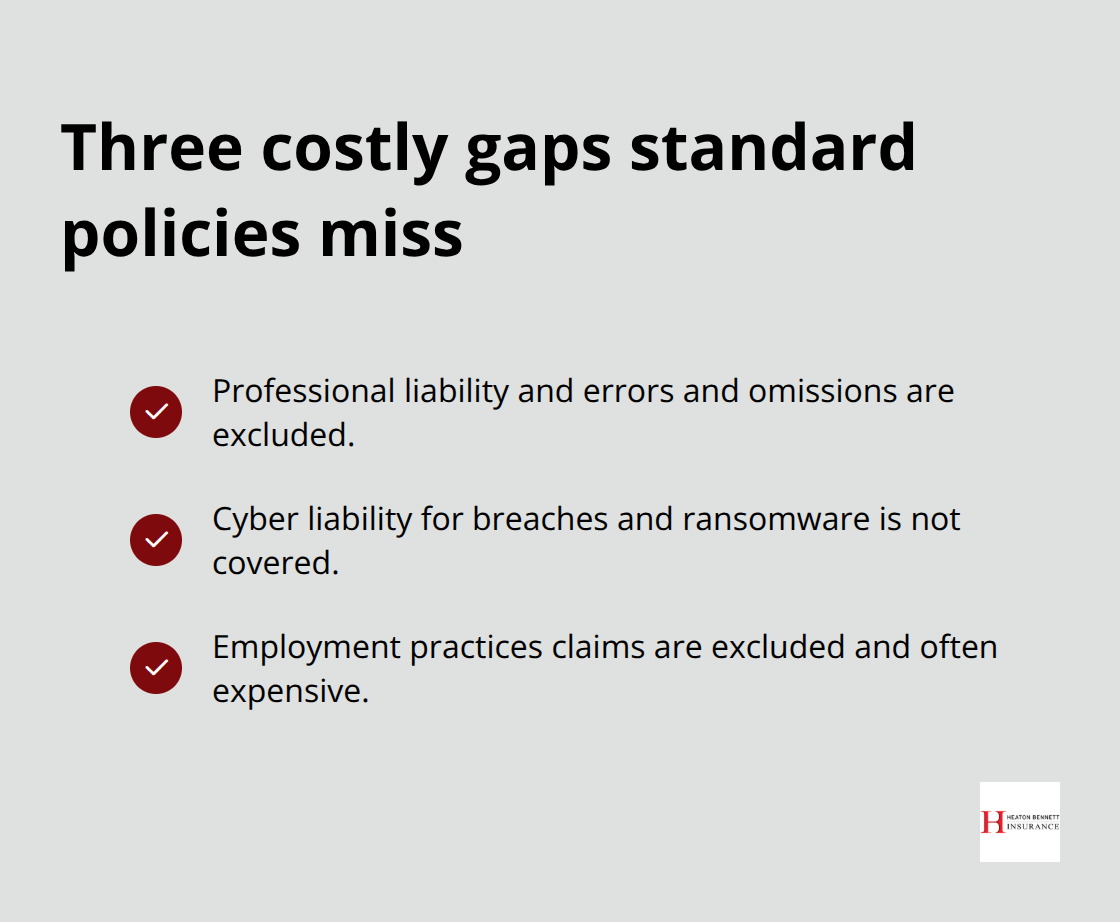
The Coverage Gaps in Standard Business Insurance

About 1.8 million nonprofit organizations operate across the United States, yet most operate with insurance gaps that expose them to catastrophic financial loss. Standard business policies exclude the specific exposures nonprofits encounter daily. General liability policies typically don’t cover volunteers as insureds, leaving your organization vulnerable when a volunteer causes injury or property damage. Directors and officers face personal liability for governance decisions, employment disputes, and fiduciary failures that commercial policies don’t address.

Specialized Exposures Require Tailored Protection

If your nonprofit serves vulnerable populations-children, elderly individuals, or people with disabilities-you need sexual abuse and physical abuse coverage that ordinary business insurance simply won’t provide. Property coverage must account for donated equipment and materials, client property in your care, and the unique value of mission-critical assets that standard valuations miss. Workers’ compensation requirements vary dramatically by state; some states exempt certain nonprofits while others mandate coverage for all employees and sometimes volunteers.

Infographic showing 20% of nonprofit workers lacking employer-sponsored health insurance and the typical 15–25% discount from bundling coverages. - nonprofit insurance options

According to the Urban Institute, roughly 20 percent of nonprofit workers lack employer-sponsored health insurance access, creating gaps in your employee benefits strategy that ripple through retention and morale.

The True Cost of Underinsurance

The financial pressure to cut corners on insurance is real, but it’s also the fastest way to destroy a nonprofit’s mission. A single liability claim can exceed $500,000 when legal defense costs and settlements combine. Cyber liability becomes critical once you store donor information, client health records, or volunteer screening data-breaches involving nonprofit donor databases cost organizations between $100,000 and $1 million in notification, legal, and regulatory penalties.

Market Dynamics Shape Your Renewal Strategy

The 2023 reinsurance market stress highlighted that larger nonprofits with budgets over $50 million faced non-renewals or sharp rate increases as carriers tightened capacity, while smaller agencies with favorable loss histories actually found better pricing as more carriers competed for stable business. This means your renewal strategy matters enormously. Start carrier conversations four months before renewal and document your safety training, loss control investments, and claims management approach-these factors influence underwriting decisions significantly.

Why Specialized Providers Understand Your Mission

Specialized nonprofit insurance providers understand these nuances in ways general carriers don’t, pricing based on your actual operations rather than market volatility and offering flexible limits and deductibles that align with constrained budgets. These providers recognize that your organization’s risks shift as your programs expand, your volunteer base grows, or your service population changes. Understanding your specific exposures positions you to select the right coverage types and limits that protect your mission without overpaying for unnecessary protection.

The Core Coverage Your Nonprofit Needs

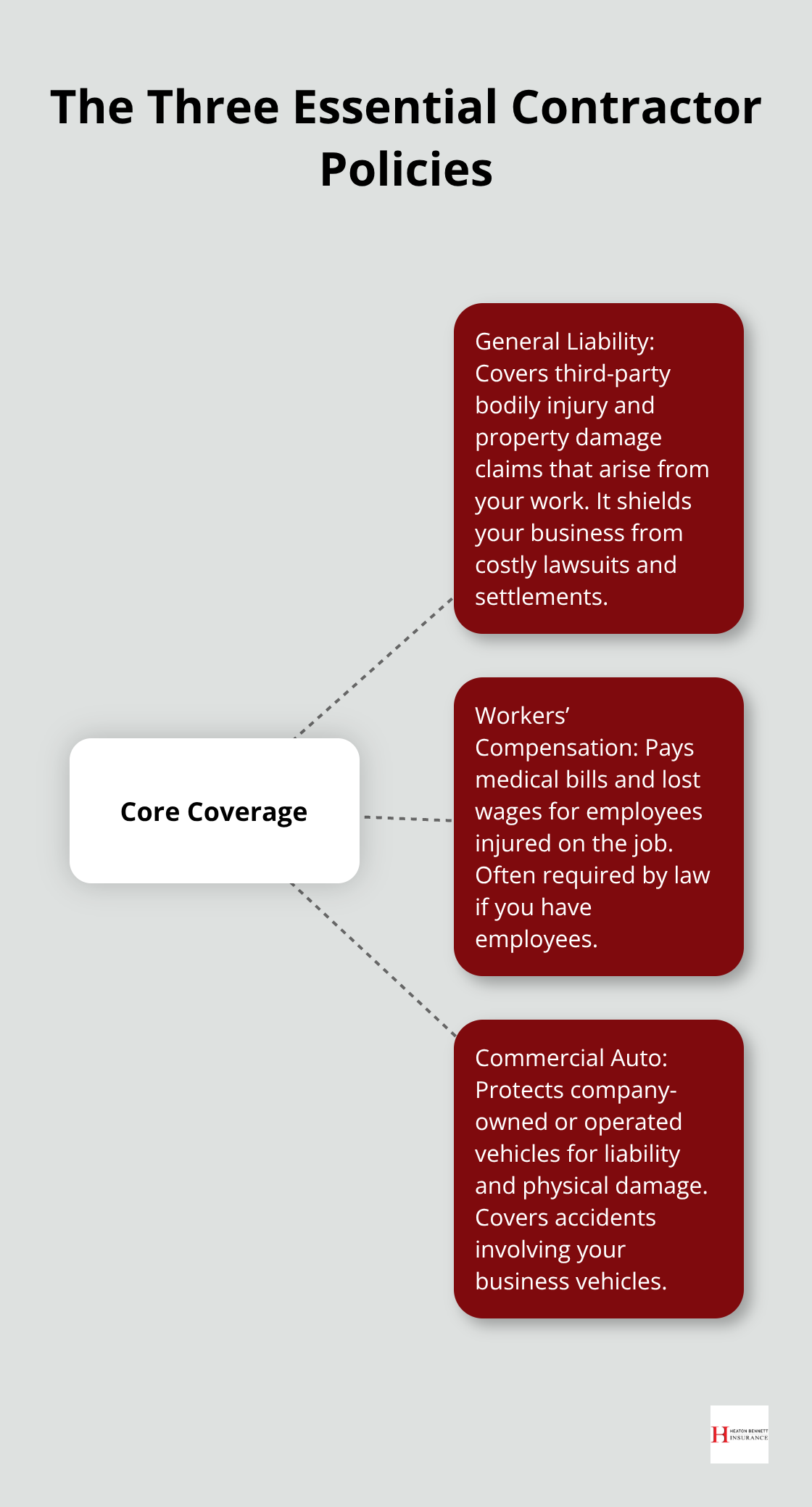
General Liability: Your Foundation

General liability forms the foundation of nonprofit protection, covering bodily injury, property damage, and reputational harm when someone is injured at your facility or by your operations. The critical distinction for nonprofits is that standard general liability policies typically exclude volunteers as insureds, leaving a dangerous gap. If a volunteer causes injury or property damage, your organization bears the liability exposure. An enhancement endorsement explicitly includes volunteers as covered parties and extends protection to property in your care-donated equipment, client belongings, or materials temporarily under your stewardship. This addition costs nothing extra but closes a major exposure that catches many nonprofits off guard.

Property Coverage: Valuation Matters

Property coverage protects buildings, equipment, and mission-critical assets, but the valuation matters enormously. Many nonprofits undervalue donated inventory or specialized equipment, then face inadequate payouts after a loss. Conduct a detailed asset inventory annually and work with your insurance provider to ensure valuations reflect replacement costs, not book value. This step alone prevents thousands of dollars in uncompensated losses when fire, vandalism, or weather strikes.

Leadership Liability: Protecting Your Board and Staff

Directors and officers liability protects your board members and staff from personal financial exposure when governance decisions, employment actions, or fiduciary responsibilities trigger claims. A wrongful termination suit, discrimination allegation, or breach of fiduciary duty can cost $50,000 to $250,000 in legal defense alone. Employment practices liability insurance covers harassment, discrimination, and wrongful termination claims-exposures that grow as your nonprofit expands its workforce and volunteer base. Gallagher research shows that D&O markets are becoming more competitive with flat to single-digit premium increases as more carriers enter the nonprofit space, making now an ideal time to review your coverage.

Hub-and-spoke diagram mapping essential nonprofit insurance coverages. - nonprofit insurance options

Bundling for Maximum Savings

Bundle general liability, property, and leadership liability together rather than purchasing separately; carriers offer substantial discounts when these coverages travel as a package. Small nonprofits often secure these bundled quotes within two to three days when applications are complete, while larger organizations typically wait about two weeks. Document your safety protocols, staff training investments, and loss history when requesting quotes-these factors directly influence pricing and underwriting appetite. The right combination of coverages protects your mission while controlling costs, but your specific needs depend on the populations you serve and the programs you operate.

How to Cut Nonprofit Insurance Costs Without Cutting Coverage

Bundle Coverages for Immediate Savings

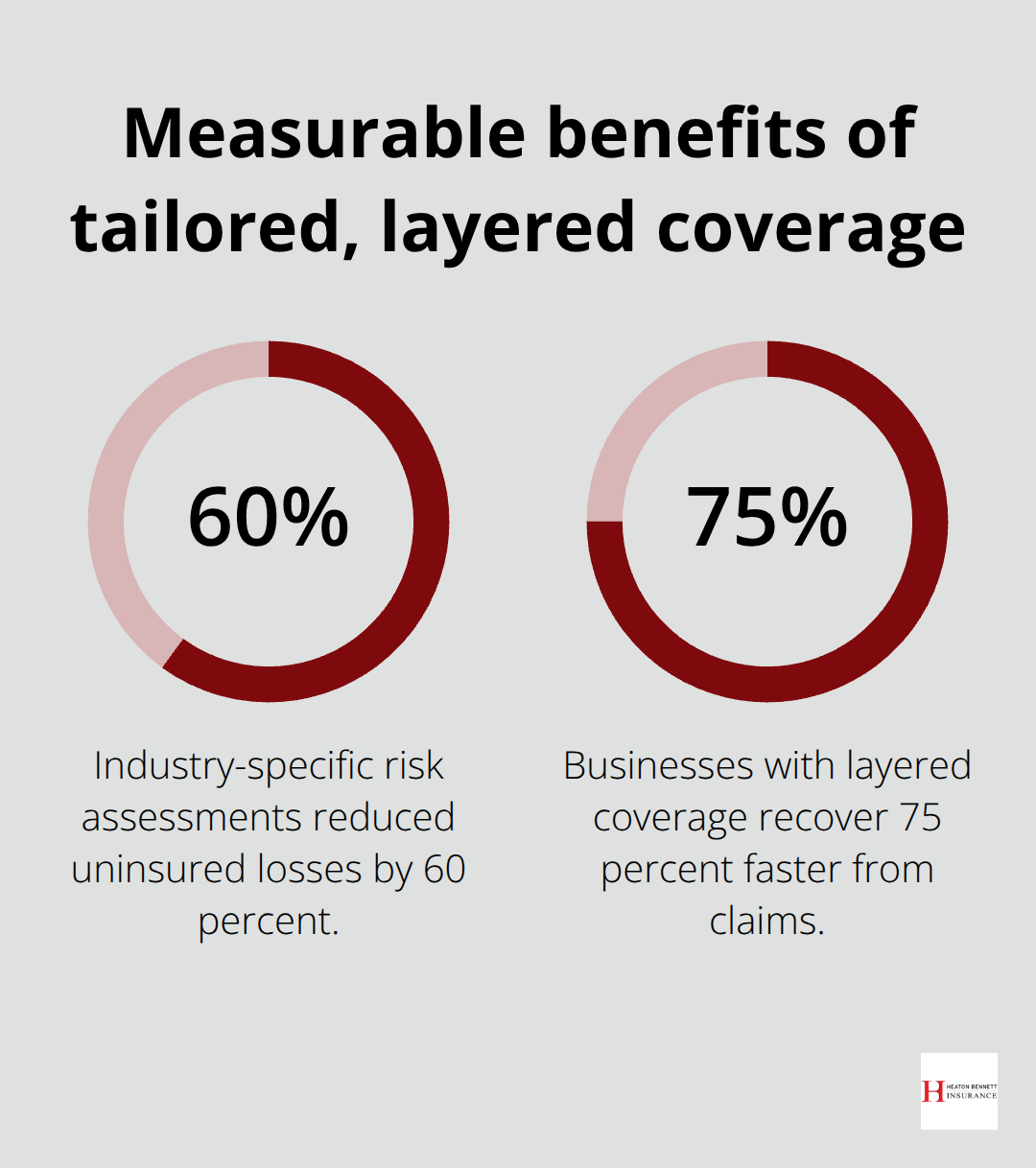
Combining your general liability, property, and leadership liability policies into a single package reduces premiums substantially-carriers typically offer 15–25 percent discounts when you consolidate coverages rather than purchase separately. Small nonprofits with complete applications receive quotes within two to three days, while larger organizations should expect about two weeks for underwriting review. The speed matters because you can compare multiple carriers simultaneously and negotiate based on competitive bids.

Five quick actions nonprofits can take to cut insurance costs while maintaining coverage.

When requesting quotes, attach documentation of your safety protocols, staff training investments, and loss history. These factors directly influence pricing and show underwriters that your organization manages risk actively.

Document Your Risk Management Efforts

Carriers view nonprofits with documented safety cultures and loss control measures as lower-risk accounts, which translates to better rates. Start your renewal process four months before your policy expires, not at the last minute when you have no leverage. Research shows that smaller nonprofits under $50 million in annual budget with favorable loss experience actually saw rate reductions in recent years as more carriers competed for stable business. Your loss history is a genuine asset in negotiations-use it.

Work with Providers Who Understand Nonprofit Operations

Specialized nonprofit insurance providers price based on your actual operations and mission-specific exposures rather than general market volatility. They understand that your coverage needs evolve as your programs expand or your volunteer base grows. Schedule an annual review with your insurance provider-not just at renewal-to discuss new programs, changes in staffing, or shifts in the populations you serve. Many nonprofits operate with outdated coverage limits that no longer reflect their current operations, which means they either overpay for unnecessary protection or carry dangerous gaps.

Assess Hidden Exposures and Update Valuations

A cyber liability assessment costs nothing when offered by your carrier and reveals whether your donor database, client health records, or volunteer screening files face genuine breach risk. Property valuations require annual updates because donated equipment and mission-critical assets often appreciate or depreciate in ways that book values miss entirely. If your nonprofit experienced claims in the past three years, work with your broker to explain the circumstances and demonstrate the corrective actions you implemented. This narrative directly influences underwriter decisions and can shift pricing from punitive to competitive.

Final Thoughts

Finding flexible nonprofit insurance options requires understanding your organization’s actual exposures and selecting coverages that address your mission-specific risks. We at Heaton Bennett Insurance understand that nonprofit leaders juggle mission delivery with financial constraints, which is why we focus on tailored solutions rather than one-size-fits-all policies. As an independent agency in Austin, Texas, we access multiple carriers and match your organization with providers who price based on your actual operations and offer flexible limits and deductibles that align with your budget.

Your next step is straightforward: contact Heaton Bennett Insurance to review your current coverage against your actual exposures. Bring your recent loss history, documentation of your safety protocols, and a list of any programs or populations you serve that might require specialized protection (such as youth programs or services for vulnerable populations). Many nonprofits discover coverage gaps or overpayment opportunities during this review that translate directly into better protection or lower premiums.

The investment in getting your nonprofit insurance options right pays dividends through reduced financial risk and genuine peace of mind that your mission stays protected. Starting your renewal conversations four months early gives you negotiating leverage based on your loss history and documented safety practices. Schedule your conversation today and take control of your nonprofit’s insurance strategy.

The information provided in this blog is for general informational purposes only and does not constitute legal, financial, or insurance advice. Coverage options, terms, and availability may vary. Please consult with a licensed professional for advice specific to your situation.

Contractor Liability Insurance Texas: What Builders Should Know

Running a construction business in Texas means managing serious liability risks every single day. One accident on a job site can cost you thousands in medical bills, property damage, or legal fees-money that could shut down your operation.

Contractor liability insurance in Texas isn’t optional if you want to protect your business. We at Heaton Bennett Insurance help builders understand exactly what coverage they need and why it matters.

What Contractor Liability Insurance Covers

The Foundation of Your Protection

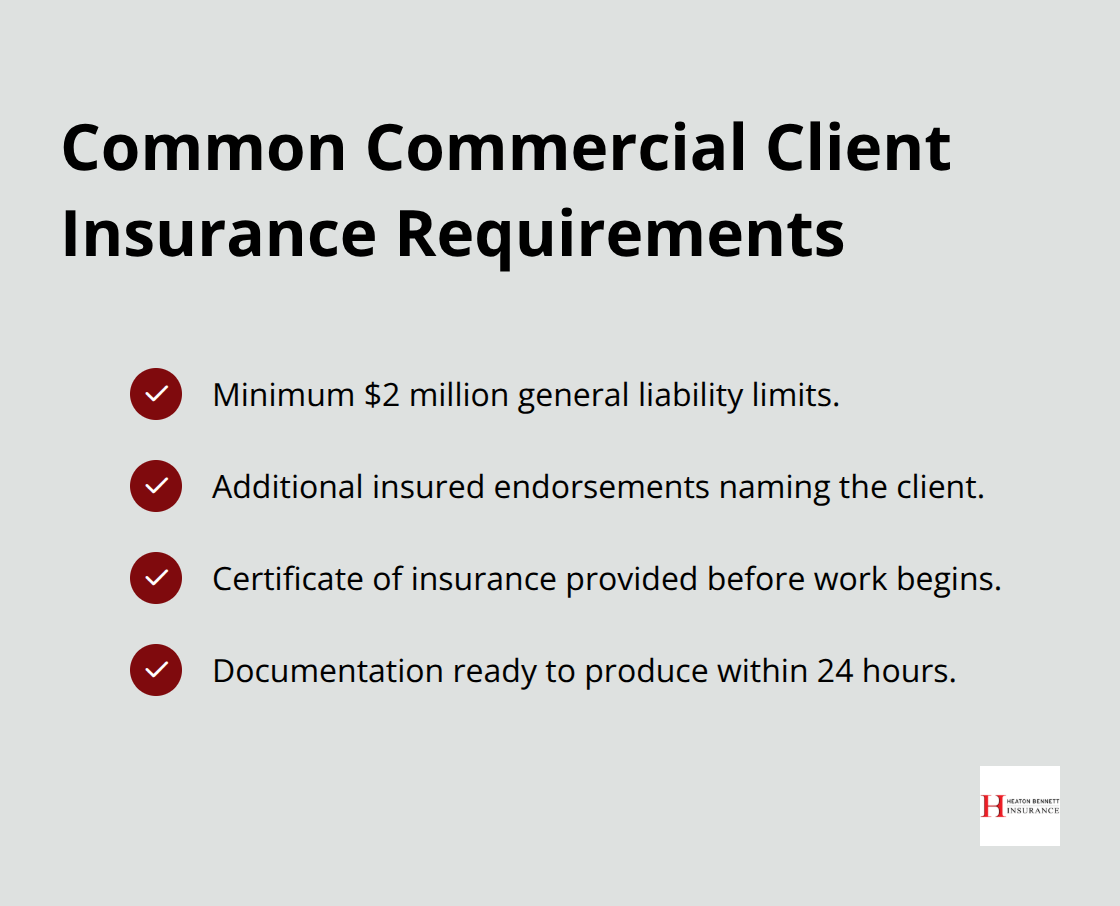
Contractor liability insurance protects your business from the financial fallout of accidents, injuries, and damage that occur on job sites. When a worker gets hurt, a client’s property sustains damage, or someone files a lawsuit against you, this coverage pays medical bills, repair costs, and legal defense fees. Without it, you face personal responsibility for these expenses, which can drain your business bank account faster than a major project delay. In Texas, more than 80 percent of clients require proof of liability insurance before they hire you, making this coverage essential just to bid on most projects.

Three core ways contractor liability insurance protects Texas contractors financially - contractor liability insurance Texas

What the Policy Actually Covers

The policy covers bodily injury claims when someone gets hurt because of your work, property damage when you accidentally damage a client’s building or belongings, and third-party liability when someone sues you for negligence. General liability forms the foundation, but your specific trade may require additional protection. Professional liability applies if you offer design or consulting services, workers’ compensation covers employee injuries, and specialized coverage like pollution liability protects you on environmental work.

The Real Cost of Going Uninsured

Texas doesn’t legally mandate contractor liability insurance for all businesses, but the market does. A lawsuit in construction costs anywhere from $54,000 to $91,000 depending on complexity, and that’s before any settlement or judgment. A single on-site injury claim or property damage incident triggers medical costs, legal defense fees, and potential settlements that would devastate an uninsured operation.

Premium Costs and What Influences Them

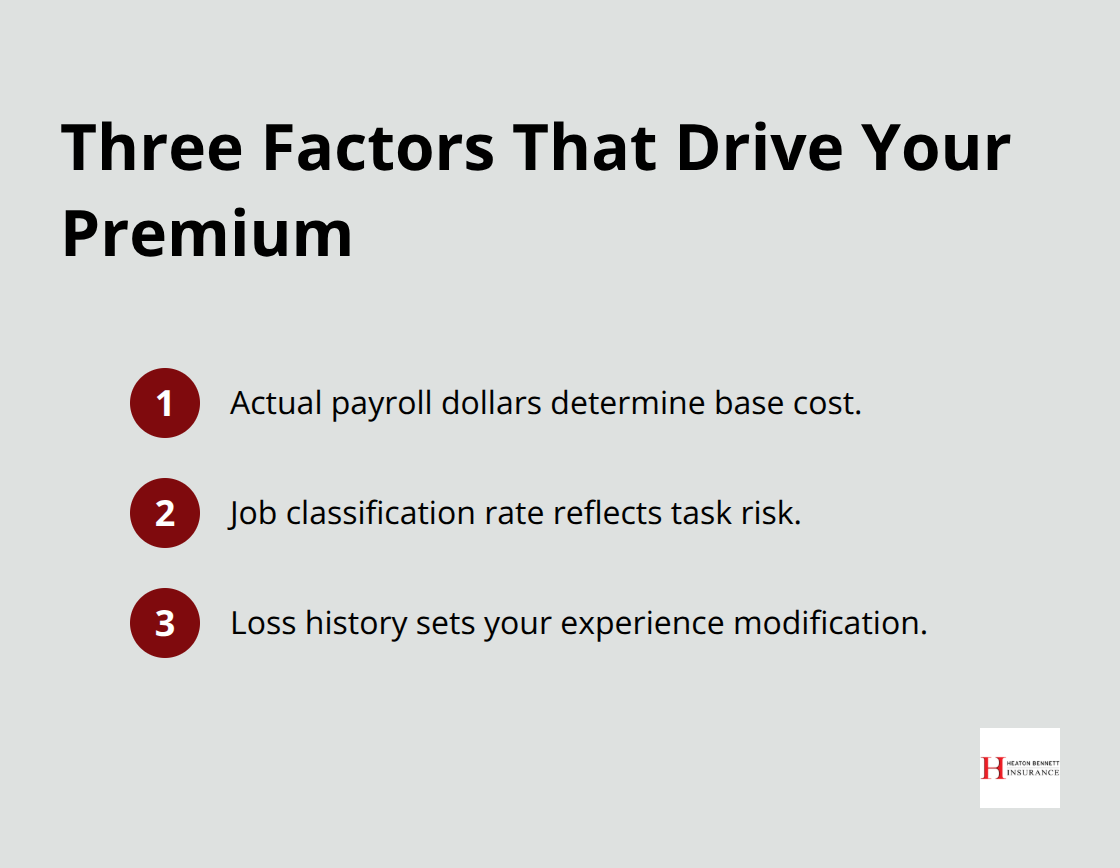
The average annual premium for a Texas contractor with $1 million in coverage runs about $500 to $1,500, influenced by your trade, project size, claims history, and safety practices. This cost varies significantly based on risk-an electrician’s premium differs from a roofer’s. Your certificate of insurance becomes your proof of protection when clients demand it before work starts, and having it ready means faster approvals and stronger client relationships.

Finding the Right Coverage for Your Business

Identifying the right coverage limits and types based on your specific work helps you avoid both underinsurance and overpaying for coverage you don’t need. The next section examines the specific types of coverage every Texas contractor should consider, from general liability to workers’ compensation and specialized protections that match your trade.

Types of Coverage Every Texas Contractor Needs

General Liability: Your First Line of Defense

General liability forms the foundation of contractor protection, but it covers only third-party bodily injury and property damage claims. When a client’s employee trips over your equipment and breaks an arm, or you accidentally damage their building, general liability pays medical costs and legal fees. However, this policy does not cover your own employees-that responsibility falls to workers’ compensation. Understanding this distinction prevents costly coverage gaps that leave your operation exposed.

Workers’ Compensation: Protecting Your Crew and Your Business

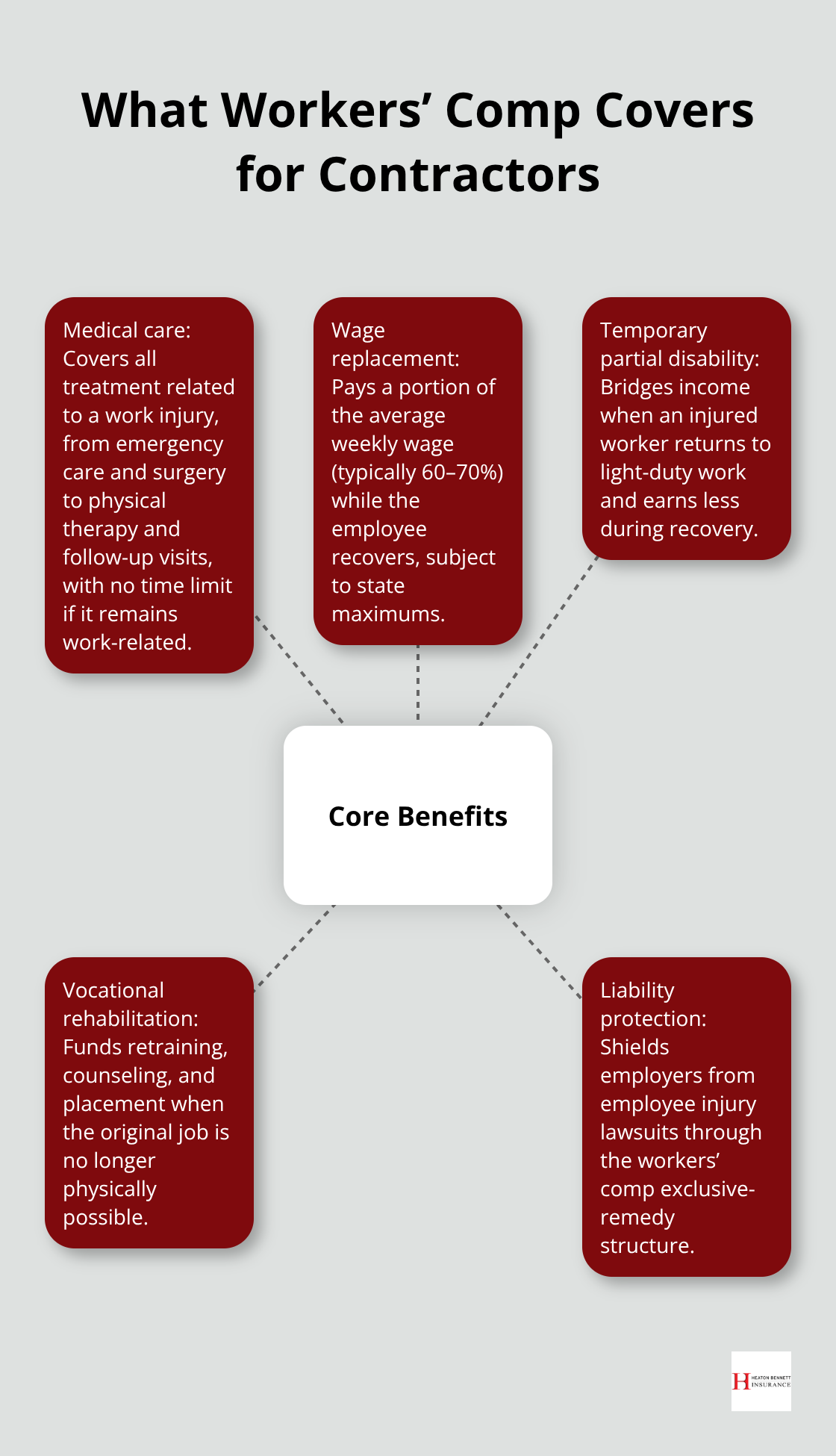
In Texas, workers’ compensation is mandatory for most contractors with employees. It covers medical treatment, lost wages, rehabilitation, and disability benefits when your crew gets hurt on the job. OSHA reports that roughly one in ten construction workers sustain injuries annually, making this coverage non-negotiable if you have staff.

Key workers’ compensation benefits for Texas contractors

The cost varies by trade and payroll, but it protects both your employees and your business from lawsuits that could otherwise drain your finances.

Tools and Equipment Coverage: Safeguarding Your Investment

Tools and equipment coverage protects your investment in job site gear against theft, vandalism, and weather damage. A single incident on the job site can wipe out thousands in tools before you finish a project. Many contractors absorb these losses personally, which eats into profit margins faster than project delays. This coverage prevents that drain on your bottom line.

Matching Coverage to Your Specific Trade

An electrician’s risk profile differs sharply from a roofer’s, and your premium reflects that reality. Electrical work carries higher professional liability exposure if you design systems, while roofing faces severe weather and fall risks that drive higher general liability costs. Start by documenting exactly what work you perform, what equipment you own, and how many employees you have. Then discuss these specifics with an insurance professional who understands Texas contractor risks. Request a detailed quote that breaks down each coverage type and shows how premiums reflect your specific trade and claims history. This transparency helps you understand what you’re buying and why each component matters to your operation.

The right coverage stack protects your operation without overpaying for unnecessary limits. Once you understand what each policy covers, the next step involves recognizing which claims actually trigger your protection and how that coverage responds when accidents happen on your job sites.

Common Claims and How Contractor Liability Insurance Protects You

Construction claims test your coverage in unpredictable ways. A worker steps on a nail and needs emergency surgery. A contractor accidentally damages electrical wiring in a client’s building during renovation. A third party sues because they claim your crew caused an injury weeks after work finished.

Hub-and-spoke diagram of frequent contractor liability claims and responses - contractor liability insurance Texas

These situations reveal whether your insurance truly protects your operation or leaves you exposed. Contractor liability insurance responds differently depending on the claim type, the coverage you carry, and the specific circumstances on the job site. Understanding how your policy responds to real situations prevents nasty surprises when you need protection most.

Property Damage Claims on Job Sites

Property damage claims represent the most frequent liability exposure for Texas contractors. When you accidentally damage a client’s building, equipment, or belongings during work, general liability covers the repair costs and legal defense fees. A roofer installs new shingles and punctures the client’s HVAC unit below. A plumber cuts into drywall and hits copper piping. A painter spills materials on expensive flooring. These incidents trigger property damage claims that general liability covers. The policy pays to repair or replace the damaged property, plus your legal defense costs if the client sues. Without this coverage, you absorb the full cost yourself.

Bodily Injury Claims and Medical Expenses

Bodily injury claims follow a similar pattern but carry higher financial exposure. OSHA data shows roughly one in ten construction workers sustain injuries annually across the industry, but third-party injuries on your job sites create liability exposure beyond your crew. A client’s employee trips over your equipment and fractures their leg. A homeowner gets burned by hot materials your crew left unattended. A neighbor gets injured by debris from your work site. General liability covers medical treatment, emergency care, lost wages, rehabilitation costs, and legal settlements or judgments. These claims often exceed $10,000 quickly once hospital bills and lost income accumulate.

Third-Party Liability and Post-Completion Exposure

Third-party liability scenarios create the most unpredictable claims because they involve people outside your direct control and often surface months or years after work finishes. A client claims your electrical work created a fire hazard that caused property damage weeks later. A neighboring business sues because your crew damaged their building during construction. A homeowner discovers structural defects in work you completed and claims negligence. These claims test whether your coverage extends to post-completion exposure. General liability covers some post-completion claims, but completed operations endorsements strengthen this protection by explicitly covering claims that arise after you finish a project. Without this endorsement, your coverage may exclude the exact scenario that causes the largest loss.

Final Thoughts

Contractor liability insurance in Texas protects your business from the financial devastation that follows accidents, injuries, and property damage on job sites. The coverage you carry determines whether a single claim drains your bank account or gets handled by your insurer, and more than 80 percent of clients require proof of this protection before they hire you. General liability covers third-party bodily injury and property damage, workers’ compensation protects your employees, and specialized endorsements like completed operations coverage shield you from claims that surface months after work finishes.

Document your trade, the types of projects you undertake, your equipment investment, and your employee count to assess your specific risks accurately. Request detailed quotes that break down each coverage type and explain how premiums reflect your actual risk profile, then start with general liability as your foundation and add workers’ compensation if you have employees. Layer in specialized coverage that matches your trade and project scope, and keep your certificate of insurance ready to accelerate client approvals and strengthen relationships.

We at Heaton Bennett Insurance understand the unique risks Texas contractors face and work with multiple carriers to build tailored contractor liability insurance coverage that protects your operation without overpaying for unnecessary limits. Contact Heaton Bennett Insurance today to discuss your specific needs and get a quote that reflects your business.

The information provided in this blog is for general informational purposes only and does not constitute legal, financial, or insurance advice. Coverage options, terms, and availability may vary. Please consult with a licensed professional for advice specific to your situation.
Restaurant Liability Coverage: Key Protections for Foodservice

Running a restaurant means facing real liability risks every single day. From foodborne illness claims to slip-and-fall accidents, one incident can threaten your business financially.

At Heaton Bennett Insurance, we know that restaurant liability coverage isn’t optional-it’s essential protection. This guide walks you through the risks you face, what coverage actually protects you, and how to choose the right policy for your operation.

What Liability Risks Threaten Your Restaurant Most

Slip-and-Fall Injuries Lead Restaurant Claims

Slip-and-fall injuries rank as the leading cause of restaurant liability claims, according to data from Inszone Insurance. Wet floors, cluttered aisles, uneven surfaces, and poor lighting create constant hazards in front-of-house areas. A single slip-and-fall lawsuit costs $15,000 to $50,000 in legal defense alone, even if you win the case. Daily safety walks through dining areas matter far more than most restaurant owners realize. You need documented incident logs and routine maintenance schedules to show you took reasonable precautions.

Compact list of the leading liability risks restaurants face in the U.S.

Foodborne Illness Claims Surface Weeks Later

Foodborne illness claims present a different threat because they often surface weeks after a customer dines at your restaurant, making the connection harder to trace. The FDA Food Code emphasizes strict handwashing protocols and prohibits bare-hand contact with ready-to-eat foods, yet violations remain common in kitchens operating under pressure. Temperature control failures and inadequate time-temperature logs create liability exposure that extends far beyond a single meal service.

Kitchen Fires Cause Property and Income Loss

Kitchen fires represent another significant risk, with the National Fire Protection Association reporting over 7,000 restaurant fires annually. Grease buildup in hood and duct systems drives most of these fires, yet many restaurants fail to follow NFPA 96 cleaning schedules. A kitchen fire triggers both property damage claims and business interruption losses that devastate cash flow.

Third-Party Injuries Beyond Your Premises

Third-party bodily injury claims extend beyond your premises. If a delivery driver working for your restaurant causes a car accident, you face hired and non-owned auto liability exposure even if that driver uses their own vehicle. Liquor liability presents acute risk if you serve alcohol, since courts often hold establishments liable for injuries caused by visibly intoxicated patrons. A single alcohol-related claim exceeds $100,000 according to industry data, making this coverage non-negotiable if you pour drinks.

Back-of-House Injuries Affect Your Insurance Profile

Back-of-house injuries from knives, slicers, and fryers happen frequently in foodservice environments. The National Safety Council reports that workers suffer injuries on the job every 7 seconds in this sector. These employee injuries fall under workers’ compensation, not general liability, but they still represent real operational costs and claims history that insurers examine when pricing your policies. Understanding which coverages address each risk type helps you build a protection strategy that actually fits your operation.

Coverage That Actually Protects You

General Liability Forms Your Foundation

General liability insurance forms the foundation of restaurant protection, but it doesn’t cover everything you face. This coverage pays for third-party bodily injury claims like slip-and-fall medical bills and legal defense costs, plus property damage you cause to someone else’s belongings. However, general liability explicitly excludes employee injuries, which fall under workers’ compensation instead. The policy also has limits, typically ranging from $300,000 to $1 million per occurrence depending on your restaurant’s size and risk profile. Annual premiums for general liability run $500 to $2,500 based on location, square footage, and claims history. If you operate a high-traffic establishment with a bar, expect the upper end of that range. One critical point: general liability doesn’t automatically cover foodborne illness claims.

Checkmark list summarizing what restaurant general liability insurance covers and excludes. - restaurant liability coverage

Some policies treat food poisoning as bodily injury and cover it; others exclude it entirely. You must verify this in your policy language before you need it.

Product Liability Covers Food-Related Claims

Product liability specifically covers claims arising from food you served that allegedly caused illness, including medical costs and settlements. Foodborne illness claims create extended liability exposure because illness surfaces weeks after service, expanding the window during which customers can file claims. This means a contamination event in January could trigger a lawsuit in March or April. The FDA Food Code emphasizes strict handwashing protocols and prohibits bare-hand contact with ready-to-eat foods, yet violations remain common in kitchens operating under pressure. Temperature control failures and inadequate time-temperature logs create liability exposure that extends far beyond a single meal service.

Liquor Liability Protects Against Alcohol-Related Incidents

Liquor liability insurance protects you from injuries caused by intoxicated patrons you served, and courts frequently hold establishments liable for serving visibly intoxicated customers. Annual premiums for liquor liability range from $400 to $3,000 depending on your operation’s size and alcohol volume. A single alcohol-related claim routinely exceeds $100,000 according to industry data, making this coverage absolutely essential if you pour any drinks whatsoever. If you serve alcohol at all-even beer and wine only-you need this protection in place.

Hired and Non-Owned Auto Liability Covers Delivery Risks

If you operate a delivery business or food truck, you also need hired and non-owned auto liability to cover accidents involving drivers using their personal vehicles for work. Many restaurant owners overlook this exposure entirely, assuming their general liability covers delivery accidents. It doesn’t. A delivery driver accident creates auto liability exposure that your general liability policy explicitly excludes, leaving you exposed to significant financial loss. Understanding which coverages address each risk type helps you build a protection strategy that actually fits your operation, and the next step involves assessing your specific business risks to determine which combination of policies you truly need.

Matching Coverage to Your Restaurant’s Real Risks

Document Your Actual Operation, Not Industry Averages

Start by writing down your annual revenue, square footage, number of employees, hours of operation, whether you serve alcohol, how you prepare food, and whether you deliver. This data matters because generic quotes miss the real exposures you face. A high-traffic casual restaurant with a bar faces different risks than a small takeout shop or a catering operation. Inszone Insurance’s 2025 data shows that quick-service restaurants with delivery face higher hired and non-owned auto exposure, while full-service establishments with bars show greater slip-and-fall and liquor liability claims. Your operational details drive the coverage limits you actually need.

Calculate Worst-Case Scenarios Specific to Your Business

Work backward from realistic incident scenarios rather than arbitrary industry benchmarks. If you operate a 2,000-square-foot dining room with 40 seats turning tables five times during dinner service, you face far more slip-and-fall exposure than a 500-square-foot takeout counter. A single slip-and-fall lawsuit costs $15,000 to $50,000 in legal defense alone, so starting with the industry minimum of $300,000 general liability coverage makes no sense if you run high-volume operations. What would a multi-case foodborne illness outbreak cost your business in medical claims, legal fees, and lost revenue? What if a delivery driver caused a serious injury accident? These calculations should drive your coverage limits.

Balance Deductibles Against Premium Costs

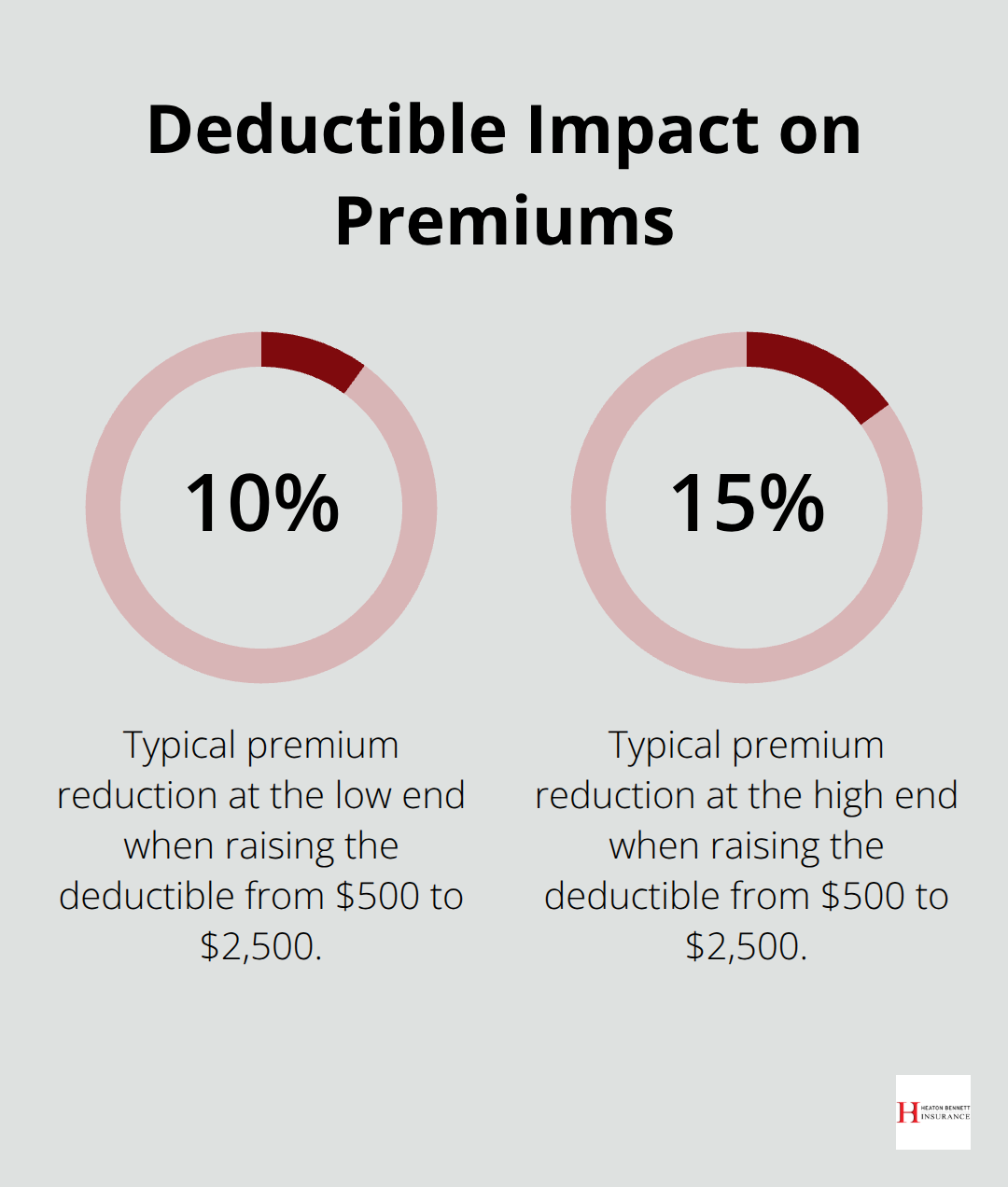
Deductibles between $1,000 and $2,500 strike the right balance between affordable premiums and manageable out-of-pocket costs when claims happen. A lower deductible reduces your financial pain during a claim but raises annual premiums significantly. A higher deductible cuts premiums but forces you to absorb more cost when incidents occur. Most restaurants should target the $1,500 to $2,000 range unless your claims history is spotless and your cash reserves are substantial.

When comparing quotes, never compare one restaurant’s premium to another’s because your risks differ fundamentally. Instead, compare quotes for your specific operation across multiple providers. Restaurant-specialist carriers like The Hartford and Berkshire Hathaway GUARD understand foodservice exposures better than generic commercial insurers and often price more competitively once they understand your actual risk profile. Ask each potential insurer for five referrals from similar restaurants and contact those references to verify their claims experience and coverage quality. This step matters more than premium shopping because a $200 annual savings means nothing if the insurer denies your claim or responds slowly when you need help.

Bundling policies into a Business Owners Policy combining general liability and property coverage can reduce costs, but verify that bundled coverage provides equivalent limits and exclusions to standalone policies. Some bundled packages reduce coverage limits to hit a lower price point, creating false savings that leave you underprotected.

Identify Exclusions and Expand Coverage With Endorsements

Read the policy exclusions section before signing anything because that’s where coverage gaps hide. Most general liability policies exclude employee injuries, which fall under workers’ compensation instead. Many policies also exclude foodborne illness claims or restrict coverage to specific circumstances. Some exclude liquor liability entirely, forcing you to purchase a separate policy. Product liability coverage might exclude claims arising from allergen contamination if you don’t document your allergen handling procedures.

These exclusions aren’t negotiable in standard policies, but endorsements can expand coverage or reduce exclusions. If your policy excludes spoilage from equipment breakdown, an equipment breakdown endorsement adds that protection. If standard general liability excludes hired and non-owned auto coverage, you purchase that as a separate endorsement. Ask your insurer specifically what’s excluded for your operation type and what endorsements they recommend.

Spoilage coverage for refrigeration failures and power outages matters if you hold significant inventory. Cyber liability coverage protects against payment-card breaches and data theft, increasingly important as restaurants process more digital transactions. Employment practices liability coverage protects against wage-and-hour claims and wrongful termination suits, particularly relevant if you manage multiple locations. Excess liability or umbrella coverage provides protection above your primary policy limits and becomes essential if you face a nuclear verdict situation where a jury awards damages exceeding your standard limits.

Hub-and-spoke diagram showing important restaurant insurance endorsements and why they matter. - restaurant liability coverage

The 2025 commercial insurance market shows umbrella pricing and attachment points remain elevated compared to pre-2020 norms according to Swiss Re Institute data, so securing adequate umbrella protection costs more but protects your business assets more comprehensively.

Final Thoughts

Restaurant liability coverage protects your business from the financial devastation that follows slip-and-fall injuries, foodborne illness claims, kitchen fires, and alcohol-related incidents. The coverage types we’ve outlined-general liability, product liability, liquor liability, and hired and non-owned auto protection-form a comprehensive shield against the risks that threaten restaurants daily. Without these protections in place, a single claim can drain your cash reserves, force temporary closure, or end your business entirely.

Evaluating your coverage starts with honest assessment of your operation. Document your revenue, square footage, employee count, service type, and whether you serve alcohol or deliver, then calculate realistic worst-case scenarios based on your specific business model rather than industry averages. A high-traffic bar with full-service dining faces fundamentally different exposures than a small takeout operation, and your coverage limits should reflect that reality. Try deductibles between $1,000 and $2,500 to balance affordable premiums with manageable out-of-pocket costs when claims occur.

Compare quotes from restaurant-specialist carriers across multiple providers and contact references from similar establishments to verify claims handling quality before committing to any policy. Contact Heaton Bennett Insurance to discuss your restaurant’s liability exposure and receive quotes that reflect your actual risk profile rather than industry averages.

The information provided in this blog is for general informational purposes only and does not constitute legal, financial, or insurance advice. Coverage options, terms, and availability may vary. Please consult with a licensed professional for advice specific to your situation.
Restaurant Business Policy: Protecting Your Dining Operation

Running a restaurant means managing countless moving parts, from food safety to customer interactions to kitchen operations. At Heaton Bennett Insurance, we know that one accident or incident can threaten your entire business. A solid restaurant business policy protects you against the specific risks that come with operating a dining establishment. This guide walks you through the coverage types you need and how to choose the right protection for your operation.

What Coverage Types Your Restaurant Actually Needs

General liability coverage protects your restaurant when a customer slips on a wet floor, suffers food poisoning, or sustains an injury at your location. This coverage pays for medical expenses, legal fees, and settlements up to your policy limit. Most restaurants carry between $1 million and $2 million in general liability coverage. The cost varies based on your revenue, location, and claims history, but restaurants typically pay between $500 and $1,500 annually for basic coverage.

Property Coverage Shields Your Physical Assets

Property coverage protects your building, kitchen equipment, furniture, and inventory against fire, theft, weather damage, and other physical losses. A kitchen fire can cost $50,000 to $250,000 in equipment replacement and structural repairs, which makes property insurance non-negotiable. Your policy should cover replacement cost, not actual cash value, because depreciated equipment values won’t cover modern replacements. Without this protection, you absorb the full financial hit when disaster strikes.

Workers Compensation Covers Employee Injuries

Workers compensation insurance is mandatory in most states and covers medical bills and lost wages when an employee gets injured on the job. Restaurant kitchens have high injury rates-burns, cuts, and repetitive strain injuries occur regularly-and workers compensation protects both your employees and your business from liability. Most states require coverage if you have even one employee, and failing to carry it can result in fines exceeding $10,000. This coverage keeps your operation compliant and your team protected.

Kitchen Equipment Requires Specific Coverage Terms

Commercial kitchen equipment represents your largest asset and demands explicit coverage terms. Ovens, grills, fryers, and refrigeration units cost $30,000 to $100,000 to replace, and standard property policies sometimes exclude certain equipment or impose low limits. Your property policy should explicitly cover equipment breakdown, spoilage from refrigeration failure, and business interruption if equipment failure forces temporary closure. A walk-in freezer failure can destroy $5,000 to $15,000 in inventory, so ask your insurance provider whether your policy covers spoilage losses from such incidents.

Diagram showing key restaurant insurance coverages and what each protects - restaurant business policy

Liquor Liability Protects Against Alcohol-Related Claims

If you serve alcohol, liquor liability insurance operates separately from general liability and covers injuries or damages caused by intoxicated guests. A customer who drinks at your bar and then causes a car accident can sue your restaurant under dram shop laws in most states. Liquor liability claims average $25,000 to $100,000, making this coverage essential if alcohol sales represent any portion of your revenue. The cost typically runs $500 to $1,500 annually depending on your alcohol volume and server training documentation. Understanding these coverage types positions you to make informed decisions about your specific operational needs.

Where Restaurant Accidents Actually Happen

Foodborne Illness Threatens Your Reputation and Revenue

Foodborne illness claims cost restaurants an average of $25,000 to $75,000 in legal fees and settlements alone, before accounting for lost customers and reputation damage. The CDC links approximately 48 million foodborne illness cases annually in the United States to contaminated food, with restaurants responsible for a significant portion. One outbreak traced back to your kitchen spreads quickly on social media and destroys years of customer trust. Temperature control failures account for roughly 60% of foodborne illness cases in restaurants, making refrigeration monitoring non-negotiable.

Implement daily temperature logs with staff signatures for all cold storage units. Use color-coded cutting boards to prevent cross-contamination between raw proteins and vegetables, and designate separate prep areas for allergen-sensitive items. Laminated visual guides posted at each station reduce confusion during busy service. Quarterly food safety training keeps your team sharp on proper handling techniques.

Health Code Violations Create Cascading Costs

Health code violations follow foodborne illness as a major operational threat-a single violation from your local health department triggers fines between $500 and $5,000 per infraction, and repeated violations can force temporary closure. The real damage extends beyond fines: customers learn about violations through inspection reports and social media, and they take their business elsewhere. Your business liability insurance covers the financial fallout, but prevention stops the crisis before it starts.

Slip and Fall Accidents Generate the Highest Claims

Slip and fall accidents generate the highest number of general liability claims in restaurants-accounting for roughly 25% of all restaurant injury claims according to industry data. A customer who falls on a wet floor and fractures their hip can claim $50,000 to $150,000 in medical expenses and pain-and-suffering damages. Your kitchen floor presents even greater risk: grease accumulation, water spills, and food debris create hazardous conditions that injure staff regularly.

Two percentage stats about foodborne illness causes and slip-and-fall injury claims - restaurant business policy

Non-slip flooring in kitchens and high-traffic dining areas costs $3,000 to $8,000 to install but eliminates a major liability source. Absorbent mats positioned at entry points and bar stations reduce moisture on walking surfaces. Immediate cleanup protocols for spills prevent accidents before they happen. Require slip-resistant shoes for all kitchen staff and enforce the rule consistently.

Kitchen Equipment Fires Destroy Assets and Operations

Kitchen equipment fires destroy equipment valued at $50,000 to $250,000 and can force weeks of closure while repairs happen. Fryer fires alone account for roughly 5,000 residential and commercial fires annually in the United States, making routine equipment maintenance absolutely critical. Schedule quarterly professional inspections of all cooking equipment and clean hood systems monthly to remove grease buildup. Train staff on fire suppression techniques specific to each equipment type. Your property insurance covers replacement costs, but the business interruption from closure often exceeds the equipment damage itself.

These accident categories represent your highest-risk exposure areas, and understanding them shapes how you structure your insurance coverage and operational safeguards. The next section examines how to assess your specific risks and select the right policy limits for your restaurant’s unique profile.

Sizing Your Coverage to Match Your Restaurant’s Reality

Your restaurant’s revenue, location, kitchen size, and service model determine which coverage limits actually protect you versus which ones waste your premium dollars. A 40-seat casual dining spot in a suburban strip mall faces different risks than a 150-seat fine-dining establishment downtown with a full bar and late-night service. Start by documenting your annual revenue, employee count, alcohol sales percentage, and equipment inventory value. This data becomes your baseline for conversations with insurance providers.

Match General Liability Limits to Your Operation Size

General liability limits of $1 million work for smaller operations, but restaurants with $2 million-plus annual revenue and high-traffic locations should carry $2 million minimum. If you serve alcohol, add liquor liability coverage matching your general liability limit rather than settling for the minimum $100,000 some carriers offer. Your location and customer volume directly influence the risk exposure that your policy limits must cover.

Account for Your Actual Replacement Costs

Property coverage must account for the full replacement value of everything inside your restaurant, not estimates from five years ago. Kitchen equipment depreciates slowly, so a fryer worth $8,000 new still costs $7,500 to replace today. Request a detailed inventory walkthrough with your insurance agent and photograph expensive items for documentation. This step prevents underinsurance when you file a claim.

Control Workers Compensation Through Loss Prevention

Workers compensation rates depend on your payroll and claims history, but you cannot negotiate coverage limits-the state mandates minimums. What you can control is loss prevention through training programs and safety protocols that reduce injury claims and lower your premiums over time. Documented safety initiatives directly impact your long-term costs.

Compare Policies Beyond Premium Price

Comparing policies requires looking beyond premium price because cheap coverage with $250,000 property limits leaves you exposed when a kitchen fire hits. Request quotes from at least three carriers and ask each one to explain exclusions in plain language. Many restaurants miss critical gaps because they assume standard policies cover everything. Some carriers exclude flood damage unless you purchase separate coverage, exclude certain equipment types, or impose caps on spoilage losses.

Ask specifically whether your policy covers equipment breakdown, spoilage from refrigeration failure, and business interruption from temporary closure. Request sample policy documents and review the definitions section-terms like “direct physical loss” or “sudden and accidental” determine whether claims get paid. Industry data shows restaurants with documented safety programs and regular training receive 10-15% premium discounts, so ask carriers whether they offer safety incentive programs. An independent insurance agent can access multiple carriers and help you identify coverage gaps that matter for your specific operation.

Checklist of essential questions and documents to review when comparing restaurant insurance

Final Thoughts

Your restaurant’s survival depends on protecting against the specific risks that threaten your operation daily. General liability, property coverage, workers compensation, and liquor liability form the foundation of a solid restaurant business policy that keeps you compliant and financially secure when accidents happen. The cost of these coverages pales against the $50,000 to $250,000 that kitchen fires can destroy or the $25,000 to $75,000 that foodborne illness claims can cost.

Evaluating your coverage starts with honest assessment of your actual risks and the data that defines your operation. Document your annual revenue, employee count, equipment inventory, and alcohol sales percentage, then use this information to determine whether $1 million or $2 million in general liability limits fits your restaurant. Request detailed quotes from multiple carriers and ask each one to explain exclusions in plain language rather than accepting the cheapest option, and review sample policies to confirm that equipment breakdown, spoilage losses, and business interruption protection are explicitly included.

At Heaton Bennett Insurance, we understand that restaurant owners need coverage tailored to their specific operational challenges. Our team accesses multiple carriers to find protection that matches your actual risks rather than forcing you into one-size-fits-all policies, and we guide you through the coverage decisions that matter for your dining operation. Contact us to discuss your restaurant’s unique risk profile and build a comprehensive policy that lets you focus on running your business instead of worrying about what happens when disaster strikes.

The information provided in this blog is for general informational purposes only and does not constitute legal, financial, or insurance advice. Coverage options, terms, and availability may vary. Please consult with a licensed professional for advice specific to your situation.

Contractor Tool Coverage: A Practical Guide for Small Contractors

Your tools are your livelihood. When a drill goes missing from a job site or a truck gets broken into, you lose money fast.

Most standard business insurance won’t cover contractor tool coverage the way you need it to. That’s why we at Heaton Bennett Insurance created this guide to help you understand your options and protect what matters most to your business.

What Contractor Tool Coverage Actually Protects

Contractor tool coverage is inland marine insurance designed specifically for tools and equipment that move between job sites. Unlike standard business property insurance, which only covers items at a fixed business address, this coverage travels with your gear-whether that’s hand tools in your truck, power equipment at a client’s home, or machinery stored off-site. The policy reimburses you for repair or replacement costs when tools are stolen, damaged by impact or weather, or vandalized. For small contractors in construction, landscaping, electrical work, plumbing, and painting, this distinction matters enormously because your tools aren’t sitting safely in one location. They’re exposed to loss every single day on multiple job sites.

Why Standard Insurance Leaves You Exposed

Your general liability policy covers damage you cause to someone else’s property or their injuries on your job site. Your business property coverage protects items at your shop or office. Neither of these policies covers your own equipment when it’s in transit or stored temporarily at a client’s location. A stolen cordless drill, a damaged laser level, or a broken compressor means immediate lost income because you can’t work until you replace it. According to industry data, the average premium for tools and equipment insurance for small businesses runs about $14 per month or roughly $170 annually-cheap compared to replacing even one mid-range power tool. Contractors without this coverage often absorb thousands in losses before they realize the gap in their protection.

What Actually Gets Covered and What Doesn’t

Property and equipment coverage protects hand tools, power tools, saws, laptops, work clothing, safety gear, and other portable equipment valued under $10,000. Covered events include theft from a job site or vehicle, accidental damage from drops or impacts, and vandalism. Items over $10,000 typically require separate inland marine coverage because of their higher value. What’s explicitly not covered is normal wear and tear, rust, corrosion, intentional damage, and equipment older than five years. Natural disasters like earthquakes and floods are excluded unless you add an endorsement to your policy. Coverage is triggered by sudden, unexpected loss-not gradual deterioration.

Calculating Your Coverage Needs

You need to assess your total tool inventory value and replacement costs to determine whether this policy makes sense for your business. If you carry $15,000 to $25,000 in equipment across multiple sites, the annual premium becomes a straightforward investment in avoiding catastrophic loss. The coverage limits and deductibles you select directly affect both your premium and your out-of-pocket costs when a loss occurs. Higher deductibles lower your monthly payments but increase what you pay when you file a claim. Lower deductibles cost more upfront but protect you better when theft or damage happens. Understanding this trade-off helps you pick limits that match your financial situation and risk tolerance.

Moving Forward with Protection

The right tool coverage depends on your specific equipment, how you transport it, and where you store it between jobs. Once you understand what standard business insurance won’t cover, you can see why contractors in high-risk trades need this protection. The next step is to explore the different types of tool coverage available and match them to your actual operations.

Types of Contractor Tool Coverage Available

Contractor tool coverage comes in distinct flavors, and understanding which type matches your operation is essential for avoiding gaps when loss happens. The coverage you need depends on where your tools spend most of their time and what threats pose the biggest risk to your bottom line. A painter who carries hand tools in a truck faces different exposures than a landscaper with expensive equipment stored at multiple job sites. Start by mapping where your tools actually live during a typical week, then match coverage to those specific locations and scenarios.

On-Site Tool and Equipment Coverage

On-site tool protection covers equipment while you work actively at a client’s location, whether that’s a residential home, commercial building, or renovation project. This coverage reimburses you when tools are stolen from a job site, damaged by weather or accidental impact, or vandalized during the workday. Contractors in construction, electrical, plumbing, and painting trades rely heavily on this component because tools disappear constantly from job sites, especially on larger projects where multiple crews work simultaneously.

Tools in Transit and Off-Site Protection

Tools in transit and off-site storage address the exposure that occurs between jobs. Your cordless drill in the truck bed, your power tools locked in a storage unit, or your equipment staged at a client’s property before work begins all fall under this protection. Theft from vehicles represents a major loss driver for contractors. According to Insureon, stolen tools (including those in transit or at client sites) represent a significant claim category. The coverage reimburses replacement or repair costs regardless of whether the loss occurred at 2 p.m. on a busy job site or at midnight in a parking lot.

Theft and Damage Coverage Options

Theft and damage coverage options split into two main approaches: named peril policies that cover specific events you list, and open peril policies that protect against all sudden losses except those explicitly excluded. Open peril coverage costs more but protects you from unexpected events you might not have anticipated. Named peril coverage is cheaper and works well if you’ve already experienced losses and know exactly what to protect against. A contractor in a high-crime area might choose open peril protection as insurance against unpredictable theft, while someone in a lower-risk location might save money with named peril coverage focused on impact damage and vandalism.

Selecting Coverage Limits and Valuation Methods

Your coverage limits should reflect what you’d actually need to replace. Items under $10,000 fit comfortably in standard tools and equipment policies, but anything above that threshold usually requires separate inland marine coverage because of valuation and administration complexity. Replacement cost coverage pays to replace a stolen or damaged item with a new one, while actual cash value coverage deducts depreciation. A three-year-old impact driver worth $400 new might only be worth $240 under actual cash value, so the difference between these two approaches directly impacts your reimbursement. Replacement cost costs more upfront but leaves you whole when loss occurs. Most contractors choose replacement cost protection because the premium difference is modest compared to the financial hit of absorbing depreciation on top of a loss.

Once you understand these coverage types, the next critical step involves assessing your specific tools and equipment inventory to determine which combination of protections actually fits your business operations and budget constraints.

Matching Your Tools to the Right Coverage

Create a Real Inventory of Your Equipment

Start with an actual list of what you carry to job sites and what you store off-site. Write down each tool’s make, model, age, and replacement cost-not what you paid three years ago, but what it costs to buy new today. A cordless drill that cost $150 in 2022 might run $180 now. A used laser level you picked up for $200 might need $350 to replace. This exercise takes two hours maximum and becomes your foundation for every coverage decision that follows. Many contractors skip this step and end up either underinsured or paying for limits they don’t need.

Categorize Tools by Location and Value

Separate tools into categories: items you carry daily in your truck, equipment stored at your shop, and expensive gear you own but use infrequently. Items under $10,000 fit standard tools and equipment policies, which average about $14 per month or $170 annually according to Insureon. Anything above $10,000 typically requires inland marine coverage with different underwriting and higher premiums. Once you know your total equipment value and where each item lives during the week, you can calculate whether the annual premium makes financial sense. If you carry $20,000 in tools across five job sites weekly, a $170 annual premium is negligible against even one stolen compressor or damaged power saw.

Choose a Deductible You Can Actually Afford

Deductibles matter far more than most contractors realize because they directly affect both your monthly payment and your real-world financial exposure. A $250 deductible policy costs roughly 15 to 20 percent more than a $1,000 deductible policy, but that difference disappears the first time you file a claim on a $400 stolen tool. Choose a deductible you can actually afford to pay out of pocket without disrupting operations, because a deductible you can’t pay is worthless protection. A contractor with tight cash flow might choose a $500 deductible and accept slightly higher premiums, while an established operation with reserves might comfortably absorb $1,000 and save on monthly costs.

Set Coverage Limits with a Buffer

Coverage limits should reflect your replacement costs plus a 20 percent buffer for unexpected equipment upgrades or newly acquired tools. If your current inventory totals $18,000, set limits at $22,000 rather than exactly $18,000. The small premium increase costs nothing compared to discovering mid-claim that you’ve outgrown your coverage.

Select Between Named Peril and Open Peril Coverage

Named peril coverage covers specific events like theft, vandalism, and impact damage, while open peril coverage protects against all sudden losses except those explicitly excluded. Open peril costs more but eliminates the risk of discovering your particular loss wasn’t on the named list.

Comparison of named vs open peril and replacement cost vs actual cash value for contractors - contractor tool coverage

Replacement cost coverage reimburses you for a brand-new replacement, while actual cash value deducts depreciation and leaves you short. Replacement cost typically runs 20 to 30 percent higher in premium but is worth the cost because depreciation on top of a loss creates financial hardship fast.

Final Thoughts

Contractor tool coverage protects your equipment from theft, damage, and loss-the three threats that hit your bottom line hardest. Standard business insurance won’t cover tools in transit or at client sites, coverage limits should match your actual replacement costs, and the annual premium of roughly $170 for small businesses costs far less than replacing even one mid-range power tool. The real work happens when you sit down with your actual equipment inventory, assign replacement costs to each item, and decide whether named peril or open peril protection fits your risk profile and budget.

Gather your tool list with make, model, and replacement costs, then calculate your total equipment value across all locations where tools spend time during a typical week. Decide on a deductible you can actually afford to pay out of pocket without disrupting operations, and choose between replacement cost and actual cash value coverage, knowing that replacement cost leaves you whole but costs more upfront. Contact an independent insurance agent who can compare quotes from multiple carriers and customize a policy that matches your specific operations.

We at Heaton Bennett Insurance understand that contractor tool coverage isn’t a one-size-fits-all decision. Our team works with multiple carriers to find coverage that protects your equipment without forcing you into unnecessary limits or exclusions, and we tailor solutions that fit your actual business whether you’re a solo painter or a construction company managing equipment across multiple job sites. Visit us to start a conversation about protecting your tools and your livelihood.

The information provided in this blog is for general informational purposes only and does not constitute legal, financial, or insurance advice. Coverage options, terms, and availability may vary. Please consult with a licensed professional for advice specific to your situation.
Nonprofit Insurance Quotes: How to Compare Plans

Nonprofit organizations face insurance challenges that standard business plans simply don’t address. Your tax-exempt status, volunteer workforce, and mission-driven activities create coverage gaps that leave you exposed.

Getting nonprofit insurance quotes shouldn’t mean settling for generic options. We at Heaton Bennett Insurance help nonprofits find plans that actually fit their operations and budgets.

Why Nonprofits Need Different Insurance

Tax-Exempt Status Creates Unique Coverage Gaps

Nonprofits operate in a fundamentally different risk environment than traditional businesses, yet many still rely on standard commercial policies that leave critical gaps. Your tax-exempt status creates specific coverage needs that insurers designed for profit-driven companies simply don’t anticipate. When you operate with volunteers instead of employees, host public events, serve vulnerable populations like children or seniors, or depend on fundraising activities, your liability profile looks nothing like a standard business.

Standard commercial plans are built around employment relationships, predictable operations, and profit-focused activities. They don’t account for the unpredictable nature of volunteer management, the liability exposure from community events, or the specialized risks of serving populations with greater care requirements.

The Nonprofit Insurance Market Has Hardened Significantly

A 2024 survey of nonprofit insurance brokers found that 70.5% of commercial carriers are actively nonrenewing nonprofits across the board, up significantly from 56% in 2020. This retreat from the nonprofit market isn’t random-it reflects carriers’ unwillingness to underwrite the specific exposures your organization presents.

Brokers report that 80% of nonprofit clients are seeing premium increases of 25% or more, and specialized coverages like improper sexual conduct insurance for child-serving organizations now face restrictions from 87.5% of carriers. Property coverage has become particularly problematic, with carriers imposing larger wind and hail deductibles and applying actual cash value terms that devastate nonprofits operating on tight budgets.

Placement Challenges Vary by Nonprofit Type

Foster family agencies, homeless shelters, and affordable housing organizations face the most severe placement challenges, with 70.5%, 58%, and 69% of brokers respectively reporting difficulty finding adequate coverage. Even less specialized nonprofits-camps, daycare centers, and child-serving organizations-encounter placement difficulties in 47%, 47%, and 49% of cases.

Share of brokers reporting placement difficulty by nonprofit category - nonprofit insurance quotes

This hardening means you can’t shop your nonprofit the way you’d shop a for-profit business. You need carriers and brokers who understand nonprofit operations deeply, who know how to structure coverage around volunteer exposure, and who recognize that your mission-driven activities require tailored protection rather than cookie-cutter policies. The right partner will help you navigate these market conditions and secure the coverage your organization actually needs.

Getting the Right Information Before Comparing Quotes

Compile Your Organization’s Operational Details

Requesting nonprofit insurance quotes without proper preparation wastes everyone’s time and produces apples-to-oranges comparisons that leave you confused. Before contacting any broker, compile detailed information about your organization’s structure, operations, and risk profile. Start with your nonprofit’s basic details: annual budget, number of full-time and part-time employees, total volunteer count, and the specific populations you serve. If you work with children, seniors, or vulnerable adults, state this explicitly because carriers treat these exposures differently. Document your fundraising activities in detail-the types of events you host, attendance numbers, whether alcohol is served, and how frequently you operate programs.

List all vehicles your organization owns or uses, including whether volunteers use personal vehicles for nonprofit work. Include your property information: the square footage of buildings you own or lease, the year constructed, security systems installed, and any previous property claims. This data directly influences your premium, so accuracy matters more than optimism. A 2024 broker survey found that applications missing key operational details delay quotes by an average of seven days, pushing your timeline to roughly two weeks instead of one.

Verify Core Coverages Across All Quotes

When comparing actual quotes, ignore the temptation to focus solely on price. Instead, verify that each quote includes the core coverages your nonprofit genuinely needs: Commercial General Liability as the foundation, Directors and Officers coverage for your board, abuse liability options appropriate to your populations served, professional liability if you deliver direct services, property coverage for your physical assets, and commercial auto if you operate vehicles. Many brokers include liquor liability at no extra cost, which matters if you host fundraising events.

Checklist of essential nonprofit insurance coverages to confirm across quotes - nonprofit insurance quotes

State-specific terms and exclusions vary significantly, so the policy document from your state takes precedence over national templates. The National Council of Nonprofits maintains state-by-state guidance on coverage requirements, which helps you verify whether quotes meet your state’s standards.

Examine Deductibles and Exclusions Carefully

Deductibles and exclusions are where quotes diverge most dramatically. A $2,500 deductible sounds reasonable until property damage from a fire occurs and you discover wind and hail deductibles are significantly higher. Ask each broker explicitly about actual cash value versus replacement cost terms on property coverage, because many nonprofits operating on tight margins cannot absorb the financial gap between what a carrier pays and what rebuilding actually costs. When comparing quotes from multiple carriers, ensure you’re evaluating identical coverage limits and deductibles across all options so you’re truly comparing apples to apples. These details determine whether your coverage truly protects your mission or leaves you exposed when claims happen.

Reducing Your Nonprofit Insurance Costs Without Sacrificing Coverage

Bundle Coverage Types for Maximum Savings

Bundling coverage types remains the single most effective cost-reduction strategy in nonprofit insurance, yet most organizations fail to leverage it properly. When you purchase Commercial General Liability, Directors and Officers coverage, property insurance, and commercial auto through the same carrier, you access pricing that individual policies simply cannot match. Progressive Commercial reports an average 12% savings on auto insurance when bundled with property coverage, and this principle extends across the entire nonprofit insurance spectrum.

Percentage savings achieved by bundling auto with property coverage

The carrier reduces underwriting costs and administrative overhead, passing those savings directly to you. More importantly, bundled policies create cleaner claims experiences because a single carrier manages your entire coverage portfolio rather than forcing you to navigate multiple insurers with conflicting terms and exclusions. Before requesting quotes, decide which coverages your organization genuinely needs, then request bundled quotes specifically asking for multi-line discounts. Carriers price bundled packages differently than piecemeal coverage, so this distinction matters when comparing final numbers.

Identify Nonprofit-Specific Discounts

Nonprofit-specific discounts exist but require you to ask directly and verify eligibility requirements with precision. Some carriers offer 5-10% reductions for organizations with strong risk management practices, documented safety protocols, or claims-free histories. Others provide discounts for nonprofits meeting specific operational standards like staff training on abuse prevention or board governance certifications. The challenge is that carriers rarely advertise these discounts prominently, so your broker must know which carriers offer what. This is where working with an insurer who understands nonprofit operations becomes invaluable-they understand which carriers reward your specific operational strengths and can structure quotes to capture available savings.

Compare Annual and Multi-Year Policy Options

When evaluating annual versus multi-year policies, understand that multi-year commitments typically provide 3-5% rate locks that protect you from the premium increases currently plaguing the nonprofit sector. A 2024 broker survey found that 80% of nonprofit clients experienced premium increases of 25% or more year-over-year, making rate stability through multi-year policies genuinely attractive for budgeting purposes. However, multi-year commitments create risk if your organization’s operations change significantly, so evaluate this trade-off based on your operational stability and growth projections. Request quotes with both annual and multi-year options so you can compare the actual dollar difference before committing. The rate protection offered by multi-year policies may justify the reduced flexibility, particularly if your nonprofit’s core operations remain stable.

Final Thoughts

Choosing nonprofit insurance comes down to three priorities that determine whether your coverage actually protects your mission. Verify that your nonprofit insurance quotes include the core coverages your organization genuinely needs-not what a generic template suggests, but what your specific operations demand. Demand transparency on deductibles, exclusions, and state-specific terms before you commit, because the lowest premium means nothing if exclusions leave you exposed when claims happen.

Start by gathering your operational details with precision: your volunteer count, the populations you serve, your fundraising activities, and your property information. Submit these details to multiple brokers simultaneously so you receive quotes based on identical information, making true comparison possible. Request bundled quotes explicitly, ask about nonprofit-specific discounts, and evaluate both annual and multi-year options before deciding.

We at Heaton Bennett Insurance work with multiple carriers to provide tailored insurance solutions that fit your mission and budget. Contact us to discuss your nonprofit insurance needs and receive quotes that reflect your organization’s real risk profile.

The information provided in this blog is for general informational purposes only and does not constitute legal, financial, or insurance advice. Coverage options, terms, and availability may vary. Please consult with a licensed professional for advice specific to your situation.
Restaurant Flood Coverage: Protecting A Common Risk

Flooding poses one of the biggest threats to restaurant operations, yet many owners overlook this risk until it’s too late. Water damage can shut down your business for weeks, destroy inventory, and cost tens of thousands in repairs.

At Heaton Bennett Insurance, we’ve seen firsthand how the right restaurant flood coverage makes the difference between a temporary setback and a permanent closure. This guide walks you through what you need to know to protect your business.

Why Flooding Threatens Your Restaurant

Flooding hits restaurants harder than most businesses because water damage affects every part of operations at once. Your kitchen equipment, inventory, seating areas, and structural systems all face risk simultaneously. Since 1996, floods have affected 99 percent of U.S. counties, meaning your location likely faces some level of exposure regardless of whether you sit in a designated high-risk zone. About 40 percent of flood damage claims come from low-risk areas, so complacency based on your address is dangerous. The Insurance Information Institute reports that floods are among the costliest natural disasters for U.S. businesses, with Florida small business property claims often running into the hundreds of thousands of dollars.

Two key flood risk percentages for U.S. restaurants - restaurant flood coverage

Multiple Entry Points Create Widespread Damage

Restaurants face vulnerability because water enters through multiple pathways. Ground-level entrances, loading docks, and drive-thru windows create direct exposure. Foundation cracks, floor drains, and basement utility areas act as entry points during heavy rainfall or storm surge. Your HVAC systems, electrical panels, and plumbing infrastructure sit in areas where water accumulates first. Walk-in coolers and freezers fail within hours of water exposure, spoiling thousands in food inventory. The longer water sits, the more damage spreads to walls, flooring, and structural components that aren’t visible immediately. Contents damage extends beyond equipment: furniture, finished goods, raw materials, and permanently installed systems all require replacement or extensive restoration.

Financial Impact Extends Far Beyond Repairs

A flooded restaurant doesn’t just lose the building for a few days. The average commercial flood claim from 2011 to 2015 ran around 90,000 dollars, but many restaurants face significantly higher losses. Business interruptions force you to discard perishable inventory, lose reservation revenue, and potentially lose customer loyalty to competitors who reopen first. Cleanup and debris removal alone can stretch into weeks, keeping your doors closed long after water recedes. Without dedicated flood insurance, you’re betting your business on whether standard commercial property coverage includes water damage-and it typically doesn’t. The recovery window directly determines whether customers return or permanently shift their dining habits elsewhere.

Why Standard Insurance Falls Short

Standard commercial property policies exclude flood damage entirely. Your general liability coverage won’t protect your building or contents from rising water. Business interruption coverage only works if your base property policy covers the initial flood loss-which it doesn’t. This gap leaves restaurant owners exposed to catastrophic financial loss. The solution requires dedicated flood insurance, which we’ll explore in the next section, along with how to assess whether your current coverage leaves you vulnerable.

What Flood Insurance Actually Covers

How Flood Insurance Defines Coverage

Your standard commercial property policy stops working the moment water rises. The National Flood Insurance Program defines a covered flood event as an excess of water on normally dry land affecting multiple properties, caused by storm surge, overflowing rivers, heavy rainfall, rapid surface water, or mudflows. This distinction matters because water damage from burst pipes or roof leaks inside your building falls under standard commercial property coverage, not flood insurance. Water entering from outside sources requires dedicated flood protection instead.

Building and Contents Protection Under NFIP

The NFIP offers up to 500,000 dollars in building coverage and 500,000 dollars in contents coverage for nonresidential properties like restaurants. Building coverage protects your structure, foundation, electrical systems, plumbing, HVAC, fire protection systems, permanently installed carpets, attached structures, windows, tanks, and pumps. Contents coverage protects furniture, equipment, seating, appliances, finished inventory, raw materials, and personal property like artwork or rugs. However, the NFIP does not cover sump pump backups, landscaped areas, septic tanks, unattached structures, or business interruption losses.

When NFIP Coverage Limits Fall Short

If your restaurant’s insurable value exceeds the NFIP caps, you need private flood insurance to cover the excess. Insurable value is calculated as the replacement cost value of your building minus the land value, which determines the minimum required coverage your lender demands. For a nonresidential building with an insurable value around 700,000 dollars and contents of 50,000 dollars, the NFIP building coverage maxes out at 500,000 dollars while contents coverage covers the full 50,000 dollars. This gap forces you to purchase additional private coverage or accept uninsured loss.

Premium Factors and Timing Considerations

Premiums vary based on your flood map status, construction type, building size, age, elevation, basement presence, proximity to water, and prior flood history. Waiting periods typically apply before coverage activates, so purchasing flood insurance now protects you against claims filed later, not against events occurring before your policy begins. For waterfront restaurants in Florida facing hurricane season from June through November, this advance planning becomes essential to avoid coverage gaps when storms arrive. Understanding what your policy covers sets the foundation for the next critical step: evaluating your specific restaurant’s flood vulnerability and determining the right coverage limits for your operation.

Compact list of factors and timing that influence restaurant flood premiums

How to Assess Your Restaurant’s Flood Risk

Determine Your Actual Flood Zone Status

Start by knowing your actual flood risk, not assumptions based on your address. Use FEMA’s Flood Map Service Center to enter your restaurant’s address or coordinates and determine your official flood zone designation. This takes five minutes and reveals whether your lender will require flood insurance as a loan condition. However, don’t stop there if the map shows low risk. The National Flood Insurance Program notes that 40 percent of flood damage claims originate from low-risk areas, meaning your restaurant faces exposure regardless of zone classification.

Identify Vulnerable Areas in Your Building

Next, assess your building’s specific vulnerabilities. Ground-level entrances, loading docks, and drive-thru windows create direct water entry points during heavy rainfall or storm surge. Walk-in coolers and freezers positioned at floor level or in basements fail quickly when water enters, destroying thousands in perishable inventory within hours. Check your HVAC systems, electrical panels, and utility areas for their elevation and proximity to water accumulation zones. Basements and crawlspaces amplify risk significantly because water naturally pools in these areas first. If your restaurant occupies a space with a history of water intrusion, previous flood claims on the property, or proximity to rivers, streams, or coastal areas, your vulnerability increases substantially. Waterfront locations in Florida face particular exposure because hurricane season runs from June through November, and coastal erosion combined with storm surge creates compounding risks that inland restaurants simply don’t encounter.

Strengthen Your Physical Defenses

Physical improvements reduce your flood risk before insurance enters the equation. Install hurricane-rated shutters or impact-resistant glass on ground-level windows and doors to prevent water and debris entry during storms. Anchor signage, drive-thru canopies, and outdoor structures securely because wind-driven debris causes secondary water damage when it breaches walls and windows. Elevate critical equipment like HVAC units, electrical panels, and backup generators above your property’s flood level to preserve operational capacity after water recedes. Seal foundation cracks and gaps around utility penetrations where water seeps into your building during heavy rainfall. Improve drainage around your property by clearing gutters, downspouts, and grading away from the foundation so water flows away rather than pools against your building. Install check valves in floor drains and sewer lines to prevent backflow when municipal systems become overwhelmed during flooding events. These measures cost money upfront but reduce both your flood damage exposure and your insurance premiums because carriers reward risk reduction with lower rates. A restaurant in New York City that implemented proper grading and sealed its foundation before 2023’s record rainfall avoided the six feet of basement water that affected dozens of Park Slope businesses that year.

Match Coverage to Your Exposure Level

Work with an insurance professional who understands restaurant operations specifically, not general commercial insurance. Your insurable value determines your minimum required coverage and should reflect your building’s replacement cost minus land value. If your restaurant’s insurable value reaches 700,000 dollars, the NFIP building coverage maximum of 500,000 dollars leaves a 200,000 dollar gap that requires private flood insurance.

Hub-and-spoke showing steps to align flood coverage with restaurant risks - restaurant flood coverage

Contents coverage matters equally because spoiled inventory, damaged equipment, and destroyed furnishings represent substantial losses. The NFIP covers up to 500,000 dollars in contents for nonresidential properties, protecting furniture, appliances, finished inventory, raw materials, and equipment. However, if your restaurant stocks high-value items or operates with significant inventory value, this limit may prove insufficient. Request a professional risk assessment that evaluates your location, building structure, drive-thru layout (if applicable), equipment inventory, and staffing to identify specific vulnerabilities. An independent agency with access to multiple carriers can source both NFIP coverage and private flood insurance options tailored to your exposure rather than forcing you into a single carrier’s limitations. This approach allows your coverage to grow with your business and adjust when you add equipment, expand your menu, or renovate your space. Annual policy reviews become non-negotiable because restaurants change constantly, and your insurance must reflect those changes to avoid coverage gaps when floods occur.

Final Thoughts

Restaurant flood coverage protects your business from a threat that affects 99 percent of U.S. counties and originates 40 percent of damage claims from low-risk areas. Standard commercial property insurance won’t cover water damage from external sources, leaving you exposed to losses that average around $90,000 per claim-often far higher for restaurants when you factor in spoiled inventory, equipment replacement, and structural repairs. Your restaurant faces real exposure regardless of location, and the gap between what your current policy covers and what a flood actually costs determines whether you reopen in weeks or close permanently.

Proper restaurant flood coverage planning requires three concrete actions. Check your actual flood zone using FEMA’s Flood Map Service Center rather than guessing based on your address, assess your building’s specific vulnerabilities like ground-level entrances and basement utility areas, and work with an insurance professional who understands restaurant operations to match your coverage to your actual insurable value. If your building replacement cost exceeds the NFIP maximum of $500,000, you need private flood insurance to cover the gap, and contents coverage matters equally because your equipment, inventory, and furnishings represent substantial loss exposure.

Contact Heaton Bennett Insurance to assess your flood vulnerability and build a coverage plan that protects your restaurant through whatever water damage comes your way. Our team accesses multiple carriers to source both NFIP policies and private flood insurance options matched to your specific exposure. Start protecting your restaurant today.

The information provided in this blog is for general informational purposes only and does not constitute legal, financial, or insurance advice. Coverage options, terms, and availability may vary. Please consult with a licensed professional for advice specific to your situation.
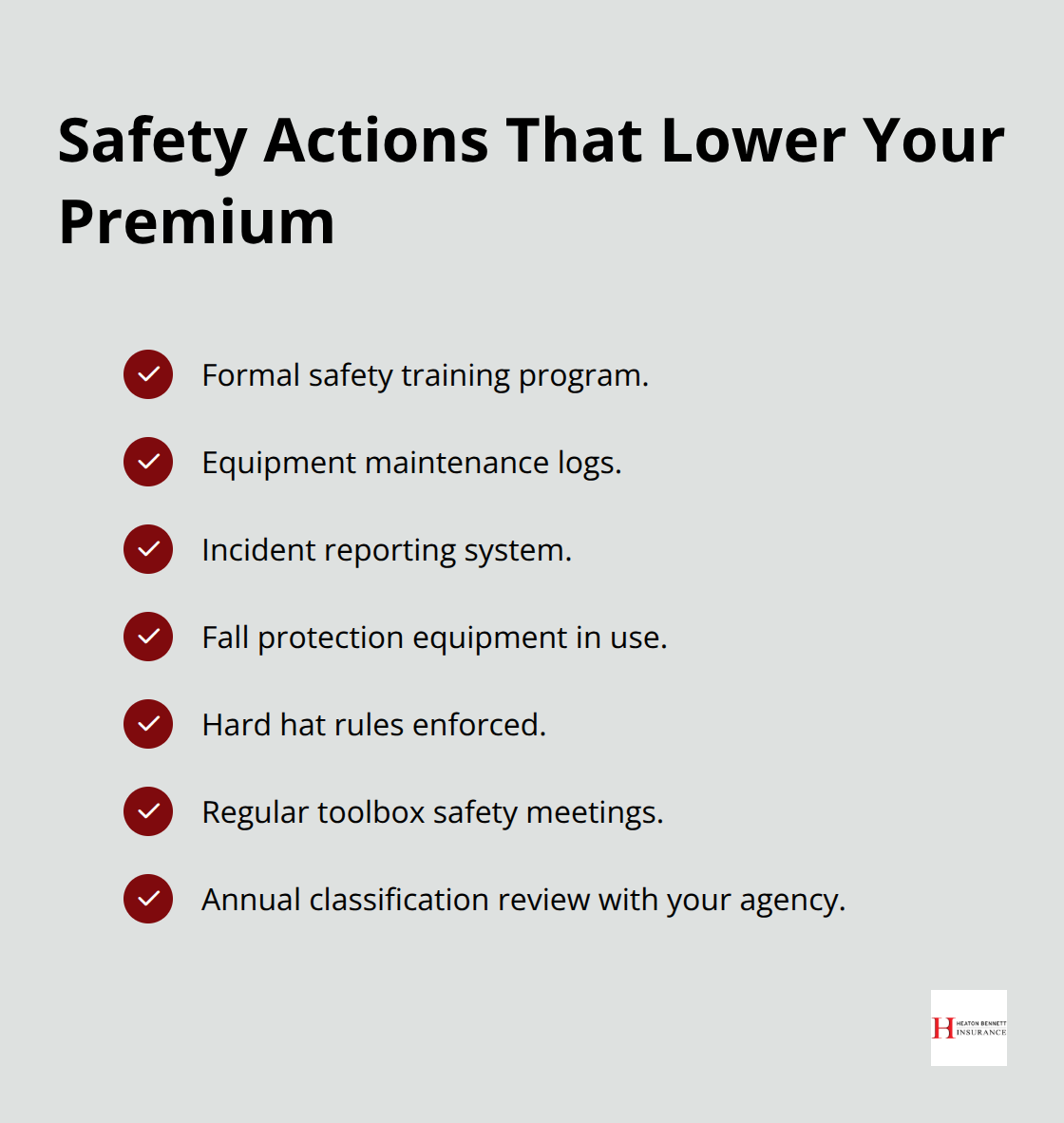
Independent Contractor Insurance: What It Covers for Small Firms

Independent contractors often operate without realizing how exposed they are to liability claims. A single lawsuit or accident can wipe out months of profit, which is why independent contractor insurance isn’t optional-it’s essential.

At Heaton Bennett Insurance, we’ve seen too many small firms learn this lesson the hard way. The right coverage protects your business, your clients, and your income when things go wrong.

What Independent Contractor Insurance Actually Covers

General Liability Protection

General liability protection forms the foundation of independent contractor insurance and covers third-party claims for bodily injury or property damage caused by your work. If a client claims you damaged their furniture during a cleaning job or someone is injured on a job site, general liability steps in to cover legal defense costs and damages up to your policy limit. On average, construction businesses pay about $1,351 per year for general liability insurance, roughly $113 per month, though a typical $1,000,000 policy costs around $69 per month or $824 per year. The coverage also protects against reputational harm from accusations like slander, libel, or privacy violations arising from your business operations. Without this protection, a single lawsuit can exceed your annual profits and force you to pay damages out of pocket, which is why general liability isn’t just recommended-it’s the bare minimum for any independent contractor.

Quick benchmarks for general liability insurance costs for independent contractors in the U.S.

Professional Liability and Errors and Omissions

Professional liability insurance, also called errors and omissions coverage, protects you when mistakes in your professional services cost a client money. A bookkeeper’s accounting error that costs a client thousands, a web developer’s site issue that causes missed sales, or an accountant filing an incorrect tax return leading to penalties-these scenarios are exactly what professional liability covers. This coverage is essential if you provide services for a fee, particularly in consulting, design, IT, accounting, or similar fields where your advice or work directly impacts client finances.

Property and Equipment Coverage

Property and equipment coverage protects the tools and equipment you own or rent for work, covering damage from fires, storms, theft, or other covered losses. Many independent contractors overlook this coverage until they lose expensive equipment or inventory to a covered event. The combination of these three coverage types-general liability, professional liability, and property coverage-creates a comprehensive shield against the most common and costly risks contractors face.

Your specific industry determines which coverages matter most. Assessing your actual risk exposure before shopping for insurance saves you money and prevents dangerous gaps in protection, which is why the next step involves understanding the specific risks your business faces.

Key Risks Independent Contractors Face Without Proper Coverage

Client Lawsuits Drain Cash Reserves Fast

A client lawsuit over property damage or bodily injury costs $50,000 to $150,000 in legal defense alone, even if you win the case. Medical expenses and settlement payouts for serious injuries regularly exceed $200,000, which most contractors cannot absorb without filing for bankruptcy. Equipment theft, job site accidents, or client disputes that turn into litigation drain cash reserves faster than most small firms can recover.

Key uninsured cost exposures for independent contractors, including legal defense and medical payouts. - independent contractor insurance

A single claim wipes out an entire year’s profit, and ongoing legal battles prevent you from working while still requiring payment for attorney fees and court costs.

Income Loss Creates Immediate Financial Crisis

If you become injured or seriously ill, you lose income immediately with no safety net unless you have business interruption or disability coverage built into your policy. A construction worker who breaks an arm cannot work for eight weeks, losing roughly $8,000 to $12,000 in income depending on project rates, and general liability alone does not replace that lost revenue. Equipment damage from weather, theft, or accidents forces you to rent replacements at premium rates or pause projects entirely, multiplying losses.

Reputation Damage Destroys Future Revenue

Clients who claim dissatisfaction with your work and refuse payment create cash flow crises that small firms cannot survive without legal protection and professional liability coverage to defend your reputation and fee agreements. A negative review or dispute that escalates into a claim damages your ability to land new projects, compounding the financial impact of the original loss. Without professional liability coverage, you pay attorney fees to defend yourself while simultaneously losing the income you need to cover those costs.

The combination of lawsuit costs, income interruption, and equipment losses transforms a single bad year into permanent business closure for contractors operating without comprehensive insurance. Understanding these specific risks helps you identify which coverage types your business actually needs.

How to Choose the Right Independent Contractor Insurance Policy

Identify Your Specific Business Risks

Start by documenting exactly what your business does and where the financial exposure lives. A plumber faces different risks than a freelance designer, and a painter working on residential properties faces different liability than one handling commercial contracts. Write down the three to five worst-case scenarios specific to your work: What if you damage a client’s property? What if someone gets injured? What if a mistake costs a client money? What equipment would you lose if theft or weather struck? This exercise takes 30 minutes and reveals which coverage types matter most instead of purchasing blanket protection you don’t need.

Many contractors waste money on coverages that don’t apply to their work while leaving critical gaps unprotected. A virtual assistant has no use for property coverage but absolutely needs professional liability because a data handling error could cost a client thousands. A house cleaner needs general liability to cover accidental damage but might skip professional liability entirely since they’re not providing fee-based professional advice.

Compare Coverage Limits Across Multiple Carriers

Once you identify your real risks, compare actual policy limits and deductibles across multiple carriers rather than assuming the cheapest quote offers the best value. A $1,000,000 general liability policy costs around $69 per month on average, but your industry, location, years in business, and claims history shift that number significantly. Request quotes from at least three different insurers and ask each one to explain what scenarios their policy covers and which ones it excludes.

Deductibles matter more than people realize: a $500 deductible saves you roughly 10 to 15 percent in premiums compared to a $250 deductible, but that savings vanishes if you face multiple small claims in a year. Higher-risk industries like construction justify higher coverage limits because a single lawsuit regularly exceeds $200,000, while lower-risk service work might function fine with $500,000 limits.

Core components to tailor independent contractor insurance coverage for U.S. businesses.

Work with a Local Insurance Agent

A local independent insurance agent who understands your specific industry prevents costly mistakes that online quote tools often miss. An agent can identify state-specific requirements, flag coverage gaps you wouldn’t catch alone, and bundle policies into a Business Owner’s Policy that costs less than purchasing general liability and property coverage separately. This approach transforms insurance from a compliance checkbox into actual protection that matches your business reality.

Final Thoughts

Independent contractor insurance protects your business from the financial devastation that lawsuits, equipment loss, and income interruption create. General liability covers third-party injury and property damage claims, professional liability protects against mistakes in your services, and property coverage shields your tools and equipment from theft or disaster. Together, these coverage types address the real risks that destroy small firms operating without protection.

Securing adequate independent contractor insurance starts with honest assessment of your specific business risks rather than guessing what you might need. Document your worst-case scenarios, identify which coverage types actually apply to your work, and request quotes from multiple carriers to compare limits and deductibles. A $1,000,000 general liability policy costs around $69 per month on average, but your industry, location, and experience shift that price significantly, which is why comparison shopping matters more than accepting the first quote.

Working with an insurance agent transforms this process from overwhelming to straightforward. At Heaton Bennett Insurance, we access multiple carriers to find coverage that matches your actual exposure rather than forcing you into one-size-fits-all policies that leave gaps or waste money on unnecessary protection. Contact us today to discuss your independent contractor insurance needs and build a protection plan tailored to your business.

The information provided in this blog is for general informational purposes only and does not constitute legal, financial, or insurance advice. Coverage options, terms, and availability may vary. Please consult with a licensed professional for advice specific to your situation.

Nonprofit Liability Coverage: Safeguarding Your Mission

Nonprofits operate with limited resources and big missions. One lawsuit or accident can drain your budget and distract your team from the work that matters.

At Heaton Bennett Insurance, we’ve seen how the right nonprofit liability coverage protects organizations when things go wrong. This guide walks you through the risks you face, the coverage options available, and the gaps you need to fill.

What Liability Risks Keep Nonprofit Leaders Up at Night

Employment Practices Claims Drain Your Budget

Employment practices claims hit nonprofits harder than most realize. When you terminate a staff member, deny a promotion, or fail to accommodate a disability, you face allegations of wrongful termination, discrimination, or retaliation. These claims cost money to defend even when you win. A single employment lawsuit runs $50,000 to $150,000 in legal fees alone, draining resources that should fund your mission. The Urban Institute reports that about two-thirds of nonprofits receive at least one government grant or contract, which means your funding stays concentrated and less flexible when unexpected legal costs emerge. Employment Practices Liability Insurance covers these claims directly, protecting both your organization and your board members from personal financial exposure.

Three key reasons employment practices claims hit nonprofits hard and how EPLI helps - nonprofit liability coverage

Without this coverage, you pay legal bills out of pocket while your programs suffer.

Directors and Officers Face Personal Liability

Board members and executives face personal liability for decisions made in their official capacity. Directors and Officers liability claims arise from alleged mismanagement of funds, breach of fiduciary duty, or poor governance decisions. A former volunteer might sue the board for how grant money was spent. A donor could claim the executive director misused restricted funds. These cases expose individual board members to personal financial risk, which deters qualified leaders from serving your organization. D&O Insurance protects the organization and shields directors, officers, and employees from personal liability for these alleged wrongful acts. Without it, talented people avoid board roles because they fear personal bankruptcy.

General Liability and Property Damage Claims Happen Constantly

General liability and property damage claims occur throughout nonprofit operations. Someone slips at your fundraiser and breaks their leg. A volunteer causes property damage during a community event. Your organization accidentally injures a client through service delivery. General liability covers bodily injury, property damage, and personal injury claims from third parties. Property insurance protects your buildings, equipment, and supplies from fire, theft, vandalism, and weather damage. These two coverages form the foundation of nonprofit protection. Rising litigation trends (including what industry experts call social inflation and nuclear verdicts) push liability costs higher. The Council of Insurance Agents and Brokers reported that as of Q4 2024, commercial property and casualty rates have risen for 29 consecutive quarters. This trend directly affects nonprofit premiums, making adequate coverage limits essential right now.

Why Coverage Gaps Matter Most

The risks you face today demand more than basic protection. Your organization needs coverage that matches the actual scope of your operations and the vulnerabilities your team encounters daily. Understanding what each policy covers-and what it doesn’t-separates organizations that recover from claims and those that face financial crisis. The next section explores the specific coverage options that address these liability risks head-on.

Building the Right Coverage Foundation

General Liability Policies Require Strategic Enhancement

General liability insurance forms the backbone of nonprofit protection, but the standard policy has limits that expose your organization to financial risk. A comprehensive general liability policy for nonprofits goes beyond basic third-party coverage by including endorsements that address gaps in standard commercial policies. The enhancement endorsement adds coverage for property in your care, custody, and control and for damage caused by clients to rented property-both common exposures nonprofits face during programs and events. Your coverage limits matter enormously right now. With commercial property and casualty rates rising for 29 consecutive quarters as of Q4 2024 according to the Council of Insurance Agents and Brokers, many nonprofits discover their existing limits no longer match their actual risk exposure. A small nonprofit carrying $1 million in general liability coverage may find that a serious injury at a community event triggers a lawsuit exceeding that limit.

Checklist of priority general liability enhancements and limit actions for nonprofits - nonprofit liability coverage

Evaluate Your Coverage Limits Against Real Exposure

Review your current limits against your annual budget, your largest single event attendance, and the value of your facilities. If your organization operates multiple programs or serves vulnerable populations, higher limits become non-negotiable. This assessment prevents the financial devastation that occurs when a single claim exhausts your coverage and leaves your organization liable for the remainder.

Management Liability Protects Leadership and Operations

Management liability insurance addresses the employment, governance, and professional service risks that general liability ignores completely. This coverage bundles directors and officers liability, employment practices liability, and fiduciary liability into one package that protects your leadership team and organization from the financial devastation of employment claims, wrongful termination disputes, and governance failures. Employment practices claims alone cost $50,000 to $150,000 in legal defense even when you win. Management liability covers these defense costs and any settlements or judgments, allowing your organization to focus on mission work rather than depleting reserves for legal bills.

Abuse and Molestation Coverage Addresses Vulnerable Population Exposure

Abuse and molestation coverage addresses a specific exposure that general liability explicitly excludes. If your nonprofit works with children, elderly adults, or other vulnerable populations, you face exposure to allegations of sexual or physical abuse. A single credible allegation can destroy your organization’s reputation and trigger lawsuits that exceed $500,000 in defense and settlement costs. Standard general liability policies contain abuse exclusions precisely because insurers view this risk as too severe for standard coverage. Abuse and molestation insurance provides first-party coverage for your organization’s defense costs and third-party coverage for claims brought by affected individuals. This coverage becomes mandatory if you employ staff who have unsupervised contact with vulnerable populations or if your programs involve overnight stays, transportation, or one-on-one service delivery.

Identifying Coverage Gaps Requires Honest Assessment

Without abuse and molestation insurance, a single incident can bankrupt your organization. The coverage options outlined here form a strong foundation, but your specific programs and operations may reveal additional exposures that demand specialized protection. The next section examines the common gaps that leave nonprofits vulnerable even when they carry standard policies.

Common Gaps in Nonprofit Insurance Plans

Most nonprofits discover gaps in their insurance plans only after a claim exposes them. The problem isn’t that these gaps are hidden-they’re written right into your policies. Your general liability coverage has a $1 million limit, but a serious injury claim at your largest annual event could reach $2 million. Your employment practices liability covers wrongful termination, but not wage and hour disputes that the Department of Labor increasingly pursues against nonprofits.

Compact list of frequent nonprofit insurance blind spots to review with your broker

You carry property insurance for your main office building, but not for equipment stored at a volunteer’s home or materials staged at an event venue. These gaps exist because standard nonprofit policies assume standard operations. The moment your organization expands programs, adds facilities, or increases volunteer involvement, those standard policies become inadequate. As of Q4 2024, the Council of Insurance Agents and Brokers reported that commercial property and casualty rates have risen for 29 consecutive quarters. This sustained rate environment means nonprofits face harder choices: maintain inadequate limits to control costs, or invest in proper coverage.

Inadequate Coverage Limits Create Financial Exposure

Coverage limits represent the most dangerous gap in nonprofit insurance. A $1 million general liability limit sounds substantial until you face a catastrophic claim. If a participant in your youth program suffers permanent spinal injury during an activity, medical costs, lost wages, and pain and suffering claims routinely exceed $2 million. Your $1 million policy covers the first million dollars, and your organization absorbs the remaining $1 million from operating reserves or future fundraising. This scenario plays out regularly in nonprofit litigation. Pull your current policies and compare the actual coverage language against your organization’s real operations. List every program, every facility, every volunteer role, and every contractor relationship. Then ask your broker whether each item receives explicit coverage or sits in a policy gap waiting to become a claim.

Excluded Activities and Programs Leave You Vulnerable

Your organization faces exposure through excluded activities that don’t appear in your policy language until you need coverage. Does your general liability policy cover your nonprofit’s counseling services, medical advice, or professional guidance? Many standard policies exclude professional services entirely, leaving organizations that provide direct client services dangerously underprotected. If your nonprofit operates vehicles for client transportation, volunteers in your programs, or contractors who work unsupervised with vulnerable populations, your current policies likely contain gaps that create personal liability for board members.

Volunteer and Contractor Protection Gaps

Standard general liability policies often exclude volunteer actions or limit coverage for volunteer-caused injuries. If a volunteer causes property damage or injures someone during a nonprofit activity, your organization may lack coverage and the volunteer themselves becomes a liability target. Contractor coverage presents an identical problem. If you hire independent contractors for program delivery, grant writing, or specialized services, your general liability may not extend to their work. A contractor’s professional error that harms a client leaves your nonprofit financially exposed unless your policy explicitly covers contractor liability.

The gap between what you think you’re covered for and what your policy actually covers costs nonprofits thousands in unexpected out-of-pocket expenses annually. Your broker can help you identify these exposures and recommend coverage that matches your actual operations.

Final Thoughts

Nonprofit liability coverage protects your mission, your team, and your ability to serve your community when unexpected claims arrive. The coverage gaps outlined throughout this guide represent real financial exposure that grows every year as litigation costs rise and nonprofit operations become more complex. Your organization cannot afford to discover these gaps after a claim happens, and the sustained rise in commercial property and casualty rates over 29 consecutive quarters means the cost of waiting only increases.

Regular policy reviews separate organizations that stay protected from those that drift into inadequate coverage. Your nonprofit’s programs evolve, your facilities change, your volunteer base grows, and your board composition shifts-each of these changes creates new exposures that your existing policies may not address. An annual review with your insurance broker identifies these shifts before they become claims and prevents the financial devastation that follows when coverage fails at the moment you need it most.

We at Heaton Bennett Insurance understand that nonprofit leaders balance limited budgets with unlimited missions. Contact us to discuss your nonprofit’s insurance needs and build a protection strategy that lets your team focus on mission work instead of worrying about financial exposure.

The information provided in this blog is for general informational purposes only and does not constitute legal, financial, or insurance advice. Coverage options, terms, and availability may vary. Please consult with a licensed professional for advice specific to your situation.
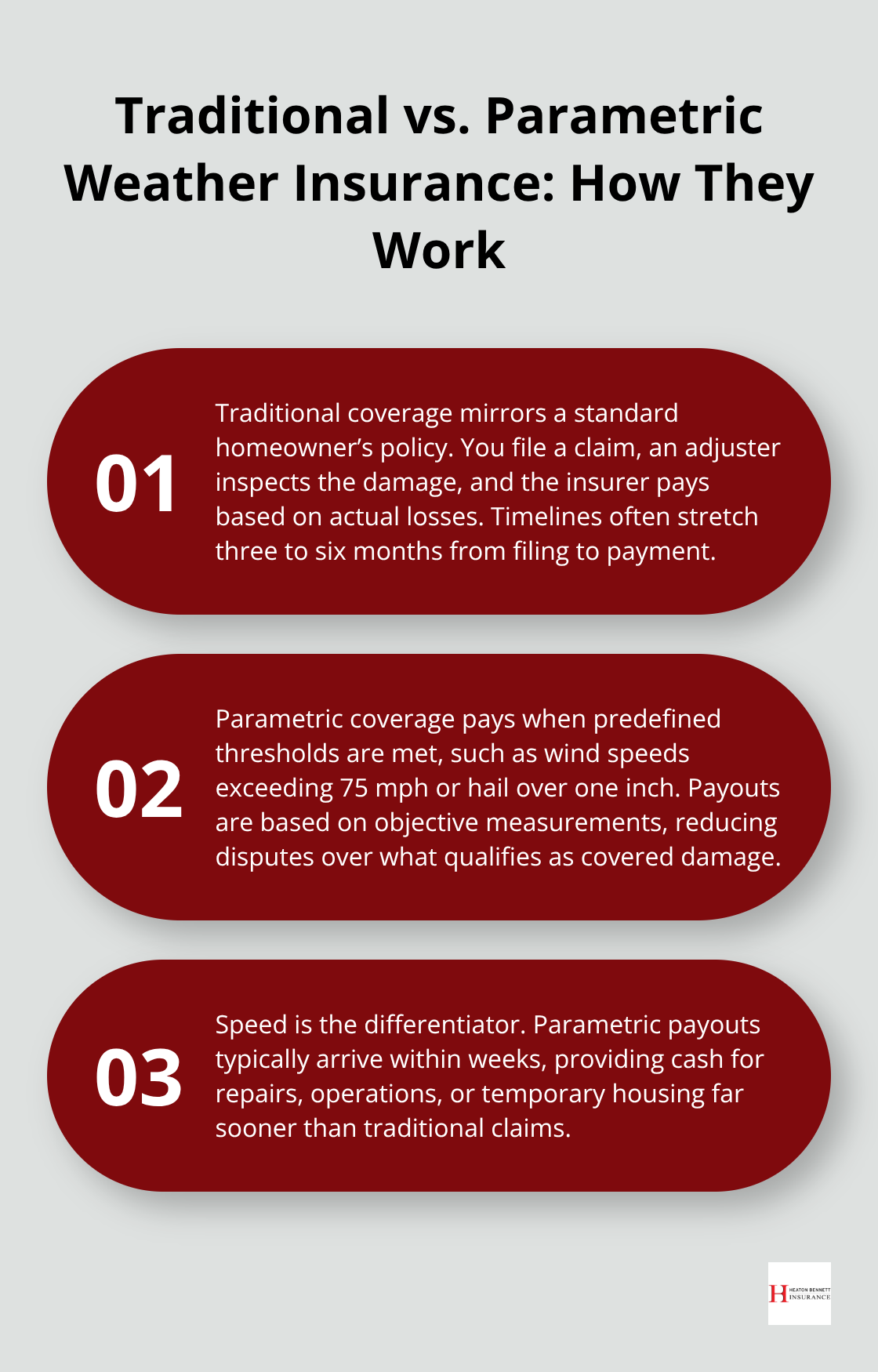
Restaurant Property Coverage: Insuring Your Venue and Inventory

Your restaurant is one of your biggest investments, and protecting it requires more than just a standard business policy. Restaurant property coverage shields your building, equipment, and inventory from the losses that hit hardest-fire, weather, theft, and more.

At Heaton Bennett Insurance, we help restaurant owners understand exactly what they need to protect their operations. The right coverage limits make the difference between a temporary setback and a financial crisis.

What Restaurant Property Coverage Actually Protects

Restaurant property coverage protects three critical areas that directly impact your ability to operate. Your building structure comes first-whether you own the space or lease it, coverage protects the walls, roof, foundation, and permanent fixtures from fire, weather damage, theft, and vandalism.

Visual map of restaurant property coverage, including building, assets, equipment breakdown, spoilage, and business personal property.

If you lease, you need coverage for leasehold improvements like custom ventilation systems or kitchen build-outs you’ve installed. Commercial property insurance should extend to all inside assets including equipment, appliances, chairs, tables, and dishware. Many restaurant owners underestimate the cost of these improvements and face significant out-of-pocket expenses when damage occurs.

Equipment and Inventory Protection

Your equipment and furniture represent the second layer of protection. Commercial kitchen equipment, POS systems, dining furniture, and bar fixtures all need coverage against damage and loss. Equipment breakdown coverage pays for repairs or replacement when critical devices like coolers or refrigeration units fail unexpectedly, and it covers lost income when essential equipment stops working. Food spoilage coverage protects your high-value perishable inventory during extended power outages or mechanical failures-a relatively affordable protection compared to the losses you’d face without it.

Inventory and stock form the third essential component. Your coverage should protect ingredients, finished products, and supplies from theft, fire, and damage in transit. Business personal property coverage protects movable items from damage or theft, ensuring you recover the full replacement value of everything inside your restaurant.

Setting Coverage Limits That Match Your Reality

Setting the right coverage limits determines whether you recover quickly or face a financial crisis. Most restaurants fail to account for seasonal inventory fluctuations-your stock value in December differs dramatically from January, yet many owners choose a single coverage limit year-round. You need coverage that reflects your highest inventory value during peak seasons.

Building value assessment requires calculating the cost to rebuild your restaurant from scratch, not just the market value of the property. Older buildings or wood-framed structures cost more to rebuild due to stricter modern building codes, so your coverage limit should reflect reconstruction costs, not the original purchase price. A licensed insurance agent who understands restaurant operations can set appropriate limits and help you avoid underinsurance, which leaves you paying out-of-pocket for losses exceeding your policy limits.

Common Risks Restaurants Face and How Coverage Addresses Them

Fire and Smoke Damage

Fire remains the single greatest threat to restaurant survival, and the statistics back this up. The National Fire Protection Association reports that structure fires in food service properties cause an average of 3,600 fires annually in the United States, with cooking equipment involved in roughly one-third of all reported restaurant fires.

Three key facts on restaurant fire risk, damage scope, and coverage implications.

Grease fires spread faster than most restaurant owners anticipate, and smoke damage extends far beyond the immediate burn area, contaminating equipment, inventory, and structural materials throughout your space.

Property coverage protects against fire and smoke damage, but the real challenge lies in ensuring your coverage limit reflects the total replacement cost of everything affected. Many owners discover after a fire that their coverage falls short because they failed to account for the cost of replacing contaminated equipment that cannot be salvaged, specialized ventilation systems, or the full inventory lost to smoke exposure. Your property policy should cover not just the obvious fire damage but also the hidden costs of restoration and replacement that emerge weeks after the initial incident.

Weather-Related Damage and Natural Disasters

Heavy rain, hail, and flooding damage refrigeration units, spoil inventory, and compromise structural integrity, yet many restaurant owners carry inadequate weather coverage or skip flood insurance entirely because they assume their location will not be affected. According to data from insurance industry sources, weather-related business interruptions cost restaurants an average of $10,000 to $50,000 in lost revenue during closure periods, making business interruption coverage essential alongside property protection.

Your property coverage should explicitly address the specific weather threats in your region. Restaurants in flood-prone areas need separate flood insurance, as standard property policies exclude flood damage. Those in hail-prone regions should verify that their coverage includes hail damage to roofs and exterior equipment. Working with an insurance agent who understands your local climate risks helps you avoid gaps in protection that could leave you exposed when severe weather strikes.

Theft and Vandalism

Theft and vandalism target restaurants specifically because they contain high-value portable items like copper piping, outdoor equipment, and technology. Criminals know restaurants operate during predictable hours and often have limited security measures in place. Outdoor seating areas, loading docks, and storage spaces present particular vulnerability, and theft coverage protects not just the stolen items but also covers the cost of emergency replacements needed to keep operations running.

Your property coverage should explicitly include theft protection for equipment, inventory, and fixtures. Work with your insurance agent to identify which outdoor or exposed assets need additional specialized coverage based on your specific location and layout. Once you understand which risks threaten your restaurant most, determining the right coverage limits becomes the next critical step in protecting your investment.

How to Determine the Right Coverage Limits for Your Restaurant

Rebuild Costs, Not Market Value

Setting coverage limits requires far more precision than most restaurant owners invest. The fundamental mistake happens when owners use their property’s purchase price or current market value as their coverage limit. That approach fails completely because rebuilding costs exceed market value dramatically, especially in older buildings subject to modern building codes. A restaurant in a 1970s structure with wood framing costs significantly more to rebuild than an identical operation in a newer steel-frame building because updated fire codes, electrical systems, and structural requirements drive reconstruction expenses higher.

You need to calculate the actual cost to rebuild your restaurant from the ground up, including all structural components, mechanical systems, and finishes. A licensed insurance agent who understands restaurant construction can provide a detailed replacement cost analysis that reflects your specific building type, age, and local construction costs. This analysis forms the foundation for setting appropriate coverage limits that actually protect you when disaster strikes.

Account for Seasonal Inventory Swings

Inventory valuation demands attention to seasonal patterns that most owners overlook entirely. Your December inventory value during holiday service differs dramatically from your January inventory after the post-holiday slowdown, yet many restaurants select a single annual coverage limit that leaves them underinsured during peak seasons or paying unnecessary premiums during slow periods. Document your highest inventory value during your busiest season, then work with your insurance agent to establish a coverage limit that reflects that peak value.

Equipment values matter equally, so catalog every piece of kitchen equipment, technology, furniture, and fixture with current replacement costs rather than depreciated values. Many restaurant owners discover after a loss that their coverage falls thousands of dollars short because they failed to account for the true replacement cost of specialized equipment like commercial-grade refrigeration or custom hood ventilation systems.

Update Your Asset Inventory Annually

Conduct a complete asset inventory annually, updating values as you add equipment or modify your space, then adjust your coverage limits accordingly to stay aligned with your actual property value. This practice prevents the common scenario where restaurants operate with outdated coverage limits that no longer match their current assets. Your inventory should include detailed descriptions, purchase dates, and current replacement costs for every item your restaurant depends on to operate.

Checklist to keep restaurant property coverage limits aligned with current assets and values.

When you work with an insurance agent to review this inventory, you establish coverage limits grounded in reality rather than guesswork.

Final Thoughts

Restaurant property coverage protects your most valuable business asset, but only when you set limits that match your actual exposure. The mistakes happen quietly-underestimating rebuild costs, ignoring seasonal inventory swings, or assuming your current policy still reflects what you own. These gaps between what you think you’re covered for and what you actually need create financial disasters when fires, weather, or theft strike.

Pull together your most recent property inventory, document your peak season inventory value, and calculate what it would cost to rebuild your restaurant from scratch. Compare those numbers against your current coverage limits, and if you discover gaps, you’re not alone-most restaurant owners find their restaurant property coverage falls short of their actual needs once they complete this exercise. An independent insurance agent who understands restaurant operations will walk you through the details that matter: building age, equipment values, seasonal fluctuations, and local risks.

Contact Heaton Bennett Insurance to review your current coverage and identify what you’re missing. Our team guides you through the specifics of your operation rather than forcing you into a one-size-fits-all package, and we help you build protection that matches your investment. The cost of getting this right is far less than the cost of being underinsured when disaster strikes.

The information provided in this blog is for general informational purposes only and does not constitute legal, financial, or insurance advice. Coverage options, terms, and availability may vary. Please consult with a licensed professional for advice specific to your situation.