Why Is My Auto Insurance Premium So High?

Your auto insurance premium feels high because multiple factors work together to determine your rate. At Heaton Bennett Insurance, we’ve helped thousands of drivers understand what drives their costs up-and more importantly, how to bring them down.

The good news is that you have more control over your premium than you might think. This guide breaks down exactly what insurers look at and shows you concrete steps to lower what you pay.

What Really Drives Your Auto Insurance Premium

Your Driving Record Sets the Foundation

Your driving record is the single most important factor insurers examine, and the data proves it. According to The Zebra, a driver with no accidents or tickets pays around $1,759 annually, while one speeding ticket bumps that to $2,188, an accident pushes it to $2,429, and a DUI skyrockets the cost to $3,441. These aren’t small differences-they’re permanent reminders that your behavior behind the wheel directly determines what you pay. One bad decision can cost you thousands over the next three to five years.

Ordered list showing annual premium examples by driving record severity

If you’ve had violations, the best strategy is to drive cleanly going forward and watch your rates drop as those incidents age off your record. Your actions today shape your premiums for years to come.

Age and Gender: The Numbers Behind the Rates

Age matters far more than most people realize. Teenage drivers face premiums around $5,039 per year, while drivers in their 20s average $2,284, and those in their 50s drop to around $1,555, according to The Zebra. This isn’t discrimination-it’s math based on real crash data showing younger, less experienced drivers cause more expensive accidents. Your gender also influences rates, though the effect is smaller and primarily affects drivers under 25.

Vehicle Choice and Safety Features

The vehicle you choose to insure carries enormous weight in the calculation. Luxury cars and sports vehicles cost significantly more to insure because repair and replacement costs are higher. A Honda Civic costs far less to insure than a BMW or Tesla, and safety features matter too. Vehicles with strong safety ratings from the Insurance Institute for Highway Safety qualify for discounts that can meaningfully reduce your premium.

Credit Score and Location Impact

Your credit score might surprise you as a rating factor, but it’s real and substantial. Drivers with poor credit can pay over $1,500 more per year than those with excellent credit, according to The Zebra. Four states-California, Hawaii, Massachusetts, and Michigan-ban or limit credit-based scoring, but everywhere else, insurers use it extensively. This means maintaining good credit isn’t just about your financial health; it directly affects your insurance costs. Pay your bills on time and monitor your credit report for errors that could unfairly inflate your score.

Location is another massive driver of premiums that catches people off guard. Moving to a different ZIP code, even within the same city, can trigger significant price changes because insurers use local risk data tied to theft rates, accident frequencies, and weather exposure. Michigan averages about $193 per month for full coverage while Ohio sits around $111, and Florida reaches about $253 due to high uninsured-driver rates and hurricane exposure.

Mileage and Risk Exposure

Your annual mileage also affects what you pay. Drivers who log under 7,500 miles yearly pay less than those driving 15,000 or more miles because exposure to risk increases with time on the road. If your commute changed after a move or your work situation shifted, your mileage profile likely changed too-and insurers will reprice your policy accordingly. Understanding these specific factors about your situation puts you in position to identify which ones you can actually control and which ones require a different approach, like shopping for better rates or adjusting your coverage strategy.

How Insurers Price Your Policy

Insurance companies use sophisticated risk assessment models that analyze hundreds of data points about you, your vehicle, and your location to predict the likelihood you’ll file a claim. The algorithms are proprietary and vary between carriers, which is why two people with identical driving records and vehicles receive wildly different quotes from different insurers. According to The Zebra, typical monthly premiums among major carriers range from USAA at around $114 to Allstate at around $201, illustrating just how much variation exists. Each company weights risk factors differently based on their own claims history and business model.

Some insurers heavily penalize young drivers while others use telematics data to reward safe driving habits. Some treat accidents from five years ago as serious red flags while others let them fade faster. The only way to know your actual price is to get quotes from multiple carriers, not just one or two. Shopping around isn’t optional if you want fair pricing-it’s the single most effective way to combat high premiums because you force competition to work in your favor.

Your ZIP Code Carries More Weight Than Your Driving Record

Your ZIP code determines more of your premium than you’d expect, sometimes outweighing your driving record entirely. Michigan drivers pay approximately $193 monthly for full coverage while Ohio drivers average around $111 for the same protection, according to The Zebra. That $82 monthly difference has nothing to do with individual driving skill and everything to do with state regulations, local claim costs, and risk exposure.

Hub-and-spoke showing local factors that influence auto insurance premiums by ZIP code - why is my auto insurance premium so high

Even moving within the same metro area triggers repricing because insurers use detailed local data about theft rates, accident frequencies, weather patterns, and uninsured motorist percentages. When you update your address mid-policy, insurers reprice immediately, sometimes increasing your premium even if you relocate to what feels like a safer neighborhood. The new ZIP code’s rating territory, local traffic patterns, and claims history override your personal profile. A driver with a perfect record faces a premium jump simply from relocating.

State Regulations Create Massive Price Swings

Florida’s average of $253 monthly reflects high uninsured-driver rates and hurricane exposure that push costs upward for everyone in the state. California runs about 16 percent above the national average due to high living costs and congestion, while Hawaii sits roughly 38 percent below average thanks to strict rating limitations and fewer drivers. If you’re considering a move, calculate the insurance impact before signing a lease or mortgage because it can cost hundreds or thousands annually.

These state-level differences stem from regulatory frameworks that vary significantly. No-fault states require personal injury protection and have different claims processes, which affects premium structure and medical expense coverage. Four states-California, Hawaii, Massachusetts, and Michigan-ban or limit credit-based insurance scores in pricing, which shifts how insurers calculate premiums. Understanding your state’s rules helps explain why your neighbor in another state pays so differently for identical coverage.

How Different Carriers Weight the Same Information

Two insurers analyzing your exact same profile produce different numbers because they prioritize risk factors differently. One carrier might view a three-year-old accident as a major concern while another considers it largely resolved. One might charge heavily for young drivers while another offers competitive rates through telematics programs that track safe driving. This variation means the cheapest quote isn’t always the best value-you need to compare final premiums across multiple carriers to find what actually works for your situation. The carrier that offers the lowest rate for a 35-year-old with a clean record might charge significantly more for a 22-year-old with one speeding ticket. Shopping around reveals these differences and puts you in control of finding the rate that matches your actual risk profile rather than accepting the first number you receive.
How to Actually Lower Your Premium

Shop Around to Force Competition in Your Favor

The most direct way to lower your premium is to shop around, and this step matters more than almost anything else you can do. According to The Zebra, typical monthly premiums from major carriers range from USAA at $114 to Allstate at $201, meaning the same coverage costs you $1,044 more annually depending on which company you choose. You’re not powerless against high rates-you’re simply accepting whatever number appears on your renewal notice instead of forcing competition to work for you. Get quotes from at least three different carriers for identical coverage levels and deductibles, then compare the final premiums side by side. The cheapest option isn’t always the best value, but you’ll immediately see where your current insurer stands relative to the market. If you’re paying significantly more, switching carriers is often the fastest way to reduce what you owe without changing your driving habits or vehicle.

Bundle Policies and Adjust Your Deductible

Bundling your auto policy with homeowners or renters insurance delivers measurable savings that compound quickly. Bundling typically cuts costs across both policies, and The Zebra data shows this remains one of the most effective discounts available. Raising your deductible from $500 to $1,000 can reduce your premium by 40 percent or more, according to The Zebra, but only make this move if you actually have $1,000 set aside to cover a claim. You control this lever completely-many drivers overlook this option because they assume deductibles are fixed.

Evaluate Your Coverage and Mileage Profile

On older vehicles worth less than ten times your annual premium, dropping collision and comprehensive coverage entirely makes financial sense. Use Kelley Blue Book or Edmunds to calculate your car’s actual value before deciding. Your annual mileage also influences your rate, so if you’ve shifted to working from home or carpooling, contact your insurer to update your mileage profile because some carriers offer low-mileage discounts for drivers under 7,500 miles yearly.

Leverage Telematics and Additional Discounts

Telematics programs that track your driving behavior can cut premiums by up to 40 percent for safe drivers, making this particularly valuable if you have a clean driving record. Defensive driving courses and good student discounts for those under 25 provide additional savings opportunities, though availability varies by state and insurer. The reality is that multiple small adjustments-bundling, higher deductibles, accurate mileage reporting, and discount hunting-combine to produce substantial savings, but none of these tactics matter if you shop with only one carrier because you’ll never know if you’re getting a competitive price in the first place.

Percentage chart showing potential premium reductions from deductible changes and telematics - why is my auto insurance premium so high

Final Thoughts

Your auto insurance premium reflects dozens of factors working together, but you control more than you realize. Your driving record, age, vehicle choice, credit score, location, and mileage all influence what you pay, yet most drivers never question whether they’re getting a fair price. The answer to why your auto insurance premium is so high often comes down to one simple fact: you haven’t shopped around, which means you’re accepting whatever number appears on your renewal notice instead of forcing competition to work in your favor.

Start by obtaining quotes from at least three different carriers for the exact same coverage and deductibles. Next, evaluate your deductible level and coverage composition to ensure you’re not paying for protection you don’t need while maintaining adequate limits for your situation. Bundle your auto policy with homeowners or renters insurance if possible, update your mileage profile if your driving habits have changed, and explore telematics programs that reward safe driving with meaningful discounts.

We at Heaton Bennett Insurance understand that navigating these decisions alone feels overwhelming. As an independent agency in Austin, Texas, we have access to multiple carriers and can pull quotes from different companies to show you exactly where your current premium stands in the market. Visit Heaton Bennett Insurance to start your personalized quote process and discover how much you could actually save.

What Is Business Income Insurance and Why Do You Need It?

A single unexpected event-a fire, flood, or forced closure-can wipe out your business’s income for weeks or months. Most business owners focus on protecting their physical assets but overlook the revenue they’ll lose when operations stop.

What is business income insurance, and why should it matter to you? At Heaton Bennett Insurance, we’ve seen firsthand how this coverage saves businesses from financial collapse when interruptions strike.

What Business Income Insurance Actually Covers

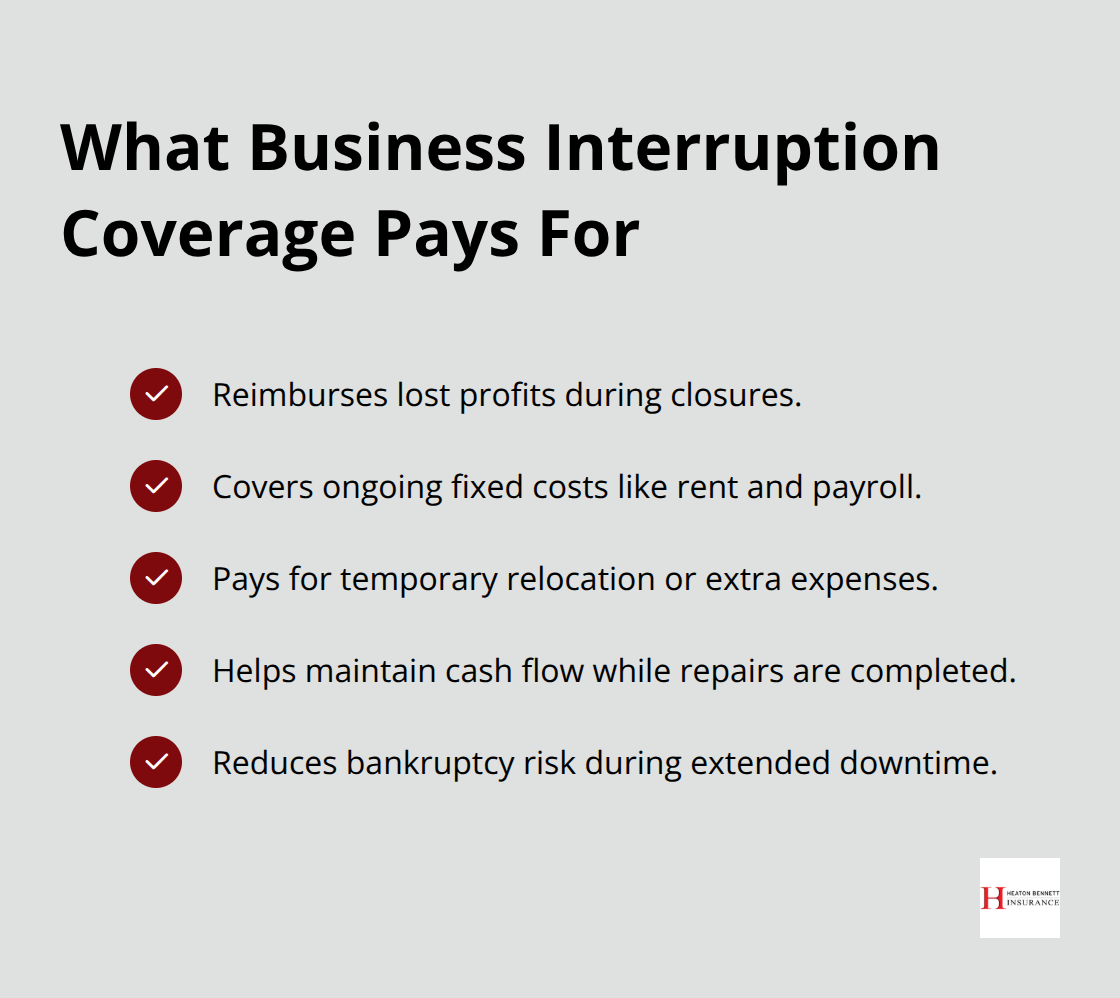
Business income insurance replaces the money your business stops earning when a covered event forces you to shut down. It covers lost profits plus the ongoing expenses that keep piling up even when your doors are closed-rent, payroll, loan payments, utilities, and insurance premiums. This differs fundamentally from property insurance, which pays to rebuild your building or replace equipment. Property insurance gets you back in business; business income insurance keeps you financially stable while repairs happen.

FEMA data shows that 25% of businesses never reopen after a disaster, and one of the biggest reasons is that owners run out of cash during the recovery period. Business income insurance solves that problem by bridging the gap between when damage occurs and when you generate revenue again. The coverage typically activates the moment a covered peril causes physical damage to your property, and it continues through the entire restoration period-however long it takes to repair or rebuild. Many policies include a waiting period (sometimes zero hours, sometimes 24 hours or more), so confirm this detail when you review your coverage. Extra expense coverage often comes bundled with business income, paying for emergency costs like temporary workspace rental, expedited shipping for replacement inventory, or overtime wages to speed up recovery.

When Coverage Kicks In and How Long It Lasts

Your business income coverage applies to specific events: fire, theft, wind damage, hail, explosions, and other perils listed in your policy. Each type of interruption has different recovery timelines. A kitchen fire at a restaurant requires two to four weeks of repairs; a manufacturing facility damaged by a tornado could take months or longer. The period of restoration is the key measurement-it’s the time from when the damage forces closure until your business can operate at pre-loss capacity.

Extended business income coverage, available as an add-on, stretches protection beyond the standard period so you stay covered if customers take months to return or if your supply chain needs time to normalize. Contingent business income coverage protects you against revenue loss caused by disruptions at your suppliers or major customers, not just your own property. This matters intensely if you rely on a single vendor or if your business depends on continuous shipments. Service interruption coverage handles utility failures at your location or a critical partner’s location.

Infographic showing business income coverage extensions and a key exclusion

Flood damage is not covered under standard business income policies and requires a separate flood insurance policy, so don’t assume you’re protected just because you have basic coverage.

Building the Right Coverage Limits

Underinsurance is common and expensive. Many business owners guess at coverage amounts instead of calculating actual needs based on their financial records. Start with your profit and loss statement, payroll records, and balance sheet from the past two years. Add up your fixed monthly expenses-rent, mortgage, insurance, loan payments, utilities-and your variable costs.

Compact checklist of steps to calculate business income coverage limits - what is business income insurance

Then estimate how long your business would take to fully recover from a total loss.

A practical guideline from industry data suggests coverage for at least 12 months of potential interruption, especially if your main revenue-generating property is at risk. For seasonal businesses, this calculation changes dramatically; a retail store with 60% of annual revenue between November and December needs much higher limits than monthly averages suggest. If you might relocate temporarily during repairs, include temporary space rental, moving costs, and equipment setup in your coverage calculation. Keeping organized financial records off-site or digitally makes the claims process faster and smoother when you need it most.

What Happens When You File a Claim

Your insurer will request detailed financial documentation to verify your pre-loss income and expenses. Profit and loss statements, tax returns, payroll records, and bank statements all support your claim and help establish the actual amount you lost. The more organized your records are, the faster your claim moves through the process. Incident reports, photographs, and official notices from authorities document the cause and impact of the interruption. You’ll also want to track all extra expenses with receipts and invoices-temporary location rent, overtime wages, replacement costs-to substantiate every dollar you spent to minimize downtime.

The next step in protecting your business is understanding which specific perils your policy covers and whether additional endorsements make sense for your operations.

Why Your Business Needs This Coverage Now

The True Cost of Shutdowns

A business interruption costs far more than lost sales. When your doors close due to a covered event, your expenses accelerate rather than pause. A restaurant forced to shut after a kitchen fire still owes rent, still pays property taxes, still needs to retain staff or face massive rehiring costs when reopening. FEMA data shows that approximately 40% of businesses won’t reopen after a major disaster, and cash flow collapse during the interruption period causes most of these failures.

Percentage chart highlighting disaster reopening rates and seasonal revenue concentration - what is business income insurance

Without business income insurance, you’re betting that your savings can cover months of zero revenue while expenses pile up. Most small and medium business owners lack sufficient cash reserves for this scenario. The National Federation of Independent Business reports that the average small business has less than one month of operating expenses in reserve, meaning even a two-week closure creates severe financial stress.

Protecting Your Team and Your Recovery

Business income insurance provides operational continuity and employee retention-two assets that directly determine whether your business survives. When you can pay salaries during recovery, your experienced team stays intact rather than scattering to other employers. Replacing skilled workers costs 50% to 200% of their annual salary in recruitment and training expenses, according to industry research. Payroll protection within business income coverage is non-negotiable for any business with specialized staff. Extended business income coverage deserves serious consideration if your industry faces slow customer return patterns or supply chain normalization delays. Many businesses reopen physically but take months to return to pre-loss revenue levels, and standard coverage ends when repairs finish, not when profits recover.

Contingent Losses From Your Supply Chain

Contingent business income coverage matters equally if your suppliers or major customers experience disruptions. Their closures directly impact your ability to generate revenue, yet standard property coverage won’t address this loss. If you rely on a single vendor or depend on continuous shipments, this protection becomes essential rather than optional.

Calculating Your Actual Coverage Need

Calculate your 12-month coverage need by adding fixed monthly expenses plus realistic profit expectations, then adjust upward for seasonal peaks and relocation costs if applicable. This calculation takes two hours with your financial records but saves your business from underinsurance that leaves you exposed when interruption strikes. The next section explores the specific perils your policy covers and which additional endorsements make sense for your operations.

Common Misconceptions About Business Income Insurance

General Liability Does Not Cover Lost Income

General liability insurance and business income insurance are entirely different coverages that serve opposite purposes, yet business owners constantly confuse them. General liability covers lawsuits-when someone sues your business for bodily injury or property damage they claim you caused. It pays for medical bills, legal defense, and settlements. Business income insurance covers lost profits when your own property is damaged and forces closure. If a customer slips in your store and sues, general liability responds. If a fire closes your store for three weeks, general liability does nothing while your rent and payroll bills arrive anyway.

The confusion costs businesses thousands in unplanned expenses because owners assume their liability policy handles revenue loss. It doesn’t. A restaurant owner with a $1 million general liability policy still faces complete financial collapse from a kitchen fire unless they separately carry business income coverage. These are not overlapping protections-they’re unrelated. Your general liability policy explicitly excludes coverage for lost income, lost profits, or business interruption. Read the exclusions section of your policy and you’ll see this stated clearly. Many business owners never read their policies and therefore never discover this gap until a closure forces them to learn the hard way.

Coverage Extends Far Beyond Natural Disasters

Business income insurance covers far more than natural disasters, despite the widespread assumption that it only applies to hurricanes, earthquakes, or tornadoes. Standard business income policies cover fire, theft, wind damage, hail, explosions, and many other perils-including forced closures ordered by civil authorities when nearby property damage makes your location inaccessible. A fire at a neighboring building might force authorities to close your block, triggering your civil authority coverage even though your building sustained no damage.

Theft interruptions qualify for coverage too. A manufacturing facility robbed of critical equipment faces weeks of downtime while replacements arrive, and business income covers lost production during that period. Utility failures at your location or a critical supplier’s location can trigger service interruption or contingent business income coverage depending on your policy endorsements. The peril list is much broader than weather events, yet business owners frequently skip this coverage thinking it only protects against hurricanes.

Small Businesses Need This Protection Just as Much

Small businesses absolutely need this protection, contrary to what many owners believe. FEMA data shows that 40% of businesses never reopen after a major disaster, and cash flow collapse during interruption is the primary cause. A five-person accounting firm or a ten-person plumbing company faces identical financial pressure during closure as a hundred-person operation. Fixed expenses don’t scale down with business size.

A small business with $3,000 monthly rent and $8,000 in payroll still owes $11,000 monthly during shutdown, regardless of annual revenue. Small business owners typically lack the cash reserves to absorb even two weeks of zero revenue, making business income insurance not optional but essential. The National Federation of Independent Business reports that the average small business has less than one month of operating expenses in reserve, meaning even a brief closure creates severe financial stress. This protection applies equally to businesses of all sizes across Austin and beyond.

Final Thoughts

Business income insurance fills a gap that most business owners don’t recognize until a closure forces them to confront it. What is business income insurance? It’s the financial protection that keeps your business alive when a covered event stops your operations, covering lost profits and ongoing expenses while repairs happen. This coverage prevents the cash flow collapse that causes 40% of businesses to close permanently after a disaster.

The misconceptions we’ve covered-that general liability handles lost income, that only natural disasters trigger coverage, that small businesses don’t need protection-cost business owners thousands in unexpected expenses every year. Business income insurance applies to fires, theft, wind damage, utility failures, and many other perils, protecting businesses of all sizes equally because fixed expenses don’t scale down with revenue. At Heaton Bennett Insurance, we help Austin businesses evaluate their actual coverage needs rather than guessing at limits based on incomplete information.

Review your current business insurance and confirm whether you have business income coverage in place. If you’re unsure what your policy covers or whether your limits are adequate, contact Heaton Bennett Insurance for a personalized evaluation. A brief conversation now prevents financial disaster later.

Vacation Rental Insurance for Owners [2025 Guide]

Vacation rental owners face a harsh reality: standard homeowners insurance won’t cover your guests or their belongings. Most policies explicitly exclude short-term rentals, leaving you exposed to significant financial risk.

At Heaton Bennett Insurance, we’ve seen too many owners learn this lesson the hard way. This guide walks you through the coverage gaps, your insurance options, and how to protect your investment properly.

Why Standard Homeowners Insurance Doesn’t Work for Vacation Rentals

Standard homeowners insurance policies are built for owner-occupied properties. The moment you rent your home to guests for short periods, you’ve fundamentally changed the risk profile in ways traditional policies simply don’t cover. According to the Insurance Information Institute, standard homeowners policies explicitly exclude rental activity without a dedicated endorsement, and most insurers won’t even add one for short-term rentals. Your policy was underwritten with the assumption that you and your family live there full-time. Guest turnover, unfamiliar people accessing the property multiple times monthly, and commercial activity transform the risk into something your homeowners insurer never agreed to protect.

The Liability Exposure Problem

The liability exposure alone makes standard homeowners insurance inadequate. Your homeowners policy typically includes $100,000 to $300,000 in personal liability coverage, but vacation rental owners need $1 million per occurrence minimum, according to the Insurance Information Institute. When a guest slips on your stairs and requires emergency surgery, or their child drowns in your pool, your homeowners liability limit evaporates instantly. Beyond guest injuries, you face property damage claims from guests themselves. A guest causes a kitchen fire that damages cabinetry and appliances worth $15,000, or they destroy furniture and electronics during a wild party. Your homeowners policy treats guest-caused damage as third-party liability rather than property damage, which means deductibles and coverage limits work against you.

Diagram showing key liability risks vacation rental owners face that standard homeowners policies don7t cover well. - vacation rental insurance for owners

If your homeowners policy has a $2,500 deductible and a $300,000 liability limit, you’re personally responsible for everything above that threshold.

Why Business Income Protection Matters Most

Here’s what separates vacation rental owners from homeowners: your property generates revenue. When a covered event damages your rental, you lose income while repairs happen. Standard homeowners policies don’t include business interruption or loss-of-rent coverage. If a water pipe bursts and takes your property offline for 30 days during peak season, you lose $6,000 or $10,000 in bookings with zero protection. Dedicated vacation rental policies include actual loss sustained business income with no time limits, which means you recover the full income you would have earned during repairs. The Insurance Information Institute specifically recommends loss-of-rental income coverage as a core component for STR owners. Without it, a single claim can wipe out months of profit.

Property Damage Claims From Guests

Guest-caused damage represents a distinct risk that homeowners policies handle poorly. Your homeowners coverage treats damage caused by guests as a liability claim rather than property damage, which creates a coverage mismatch. A guest spills red wine on your hardwood floors, or they damage your HVAC system through misuse-your homeowners policy won’t cover these losses the way a vacation rental policy would. Dedicated vacation rental insurance covers guest-caused damage to the property itself, including accidental and intentional damage, with no sub-limits on theft or vandalism. This distinction matters enormously when you calculate the true cost of a claim. Your property’s revenue potential is a business asset that requires business insurance, not homeowners insurance, and the next section explores the specific coverage types that actually protect vacation rental owners.

Your Coverage Options Beyond Standard Homeowners

Why Platform Protection Falls Short

Platform host protection programs sound appealing until you read the fine print. Airbnb offers up to $1 million in Host Protection coverage, but this is not a comprehensive insurance policy-it’s a liability backstop with significant exclusions. The program covers guest injuries and third-party liability but leaves your property contents, building damage, theft, and business income unprotected. According to the Insurance Information Institute, platform protection should supplement your dedicated insurance, never replace it. These programs have annual aggregate caps and notable exclusions that create dangerous gaps. A guest steals $8,000 worth of electronics, or they cause $12,000 in water damage to your kitchen-platform protection won’t cover either scenario.

What makes this worse is that many owners believe platform coverage is sufficient and operate without a real policy. In 2024, roughly 2.4 million short-term rental listings were active in the United States, yet most owners rely on platform protection alone, leaving themselves dangerously exposed. Vrbo and other platforms have similar limitations. The data proves that platform programs alone cannot protect your investment adequately.

How Dedicated Vacation Rental Policies Work Differently

Dedicated vacation rental insurance policies are fundamentally different because they’re built for your business model. These policies cover property damage, guest-caused damage, general liability with $1 million per occurrence minimum, and actual loss sustained business income with no time limits. Unlike platform protection, dedicated policies include replacement cost valuation for building and contents, meaning your furniture and appliances are covered for what it costs to replace them new, not their depreciated value.

Coverage extends to amenities like pools, hot tubs, bicycles, and equipment with no sub-limits on guest damage or theft. Lloyd’s of London-backed providers have set the industry standard, covering over 100,000 owners and offering policies underwritten to commercial standards rather than homeowner standards. You can add riders for guest medical payments, water backup, equipment breakdown, and pet liability depending on your property’s specific risks.

Checklist of core protections found in dedicated vacation rental insurance policies. - vacation rental insurance for owners

Understanding Premium Costs and Coverage Variations

The cost varies significantly based on property value, occupancy rate, location, and amenities. Properties with 6 or more bedrooms showed 12.61% demand growth in 2025 according to AirDNA, which means higher replacement values and correspondingly higher premiums. A 3-bedroom property in a low-risk area might cost $800 annually, while a luxury 6-bedroom with a pool in a competitive market could run $3,500 or more.

If your rental includes a pool or hot tub, your liability exposure increases dramatically, and dedicated policies account for this with appropriate coverage and pricing. The key difference from platform protection is that dedicated policies actually transfer risk to an insurance company, whereas platform programs leave most risk on you.

Selecting the Right Provider for Your Needs

When you evaluate providers, verify that your chosen platform (Airbnb, Vrbo, or direct bookings) is explicitly covered under the policy, and confirm that the insurer offers quick claims processing-some providers settle claims within 4 business days, which matters enormously when you need income recovery during downtime. An independent insurance agent can help you compare multiple carriers and find the policy that matches your specific property type and business model, rather than forcing you into a one-size-fits-all solution.

Matching Coverage to Your Specific Rental Model

The single biggest mistake vacation rental owners make is purchasing generic coverage that doesn’t match how they actually operate. A luxury 5-bedroom beachfront property with a pool rented weekly at $400 per night faces entirely different risks than a modest 2-bedroom urban apartment rented to business travelers. Your coverage must reflect your actual exposure, which means starting with a brutally honest assessment of what you own and what guests do to it.

Property Value and Inventory Requirements

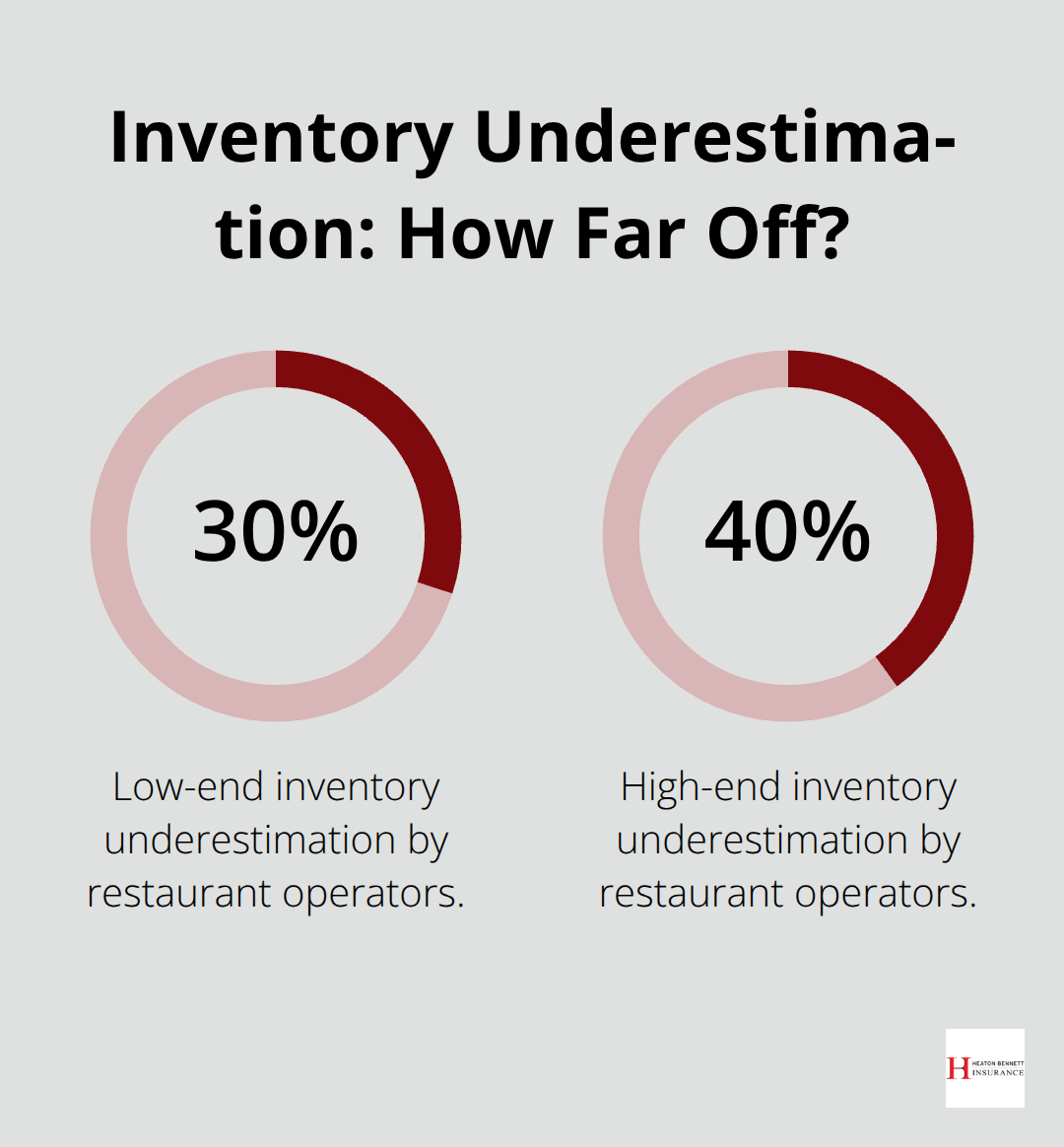
Property value matters enormously because it determines your replacement cost coverage needs. If your rental contains $45,000 worth of furniture, appliances, and fixtures, your contents limit must cover that amount in full. Most owners underestimate property value by 30 to 40 percent because they forget to include kitchen equipment, bedding, artwork, outdoor furniture, and electronics. Create a detailed inventory with photos and receipts, then add 20 percent to account for items you’ll inevitably forget. This inventory becomes your insurance baseline and your claims documentation if something happens.

Occupancy Rates and Business Income Coverage

Occupancy rate directly impacts your business income coverage needs. An owner with 80 percent annual occupancy in a market with $200 nightly rates loses roughly $48,000 per month during complete downtime. Your loss-of-rent coverage must reflect this reality, not some theoretical average. AirDNA data shows occupancy around 54.9 percent nationally in 2025, but your specific property and market will differ significantly.

Percentage chart highlighting occupancy, deductible pricing, and inventory buffer figures for U.S. vacation rentals.

Calculate your actual monthly revenue loss and verify your business interruption coverage matches that number. If you operate multiple properties, portfolio policies often deliver 15 to 25 percent lower combined premiums than insuring each property separately, which makes this a financial decision as much as a coverage decision.

Liability Limits and Amenity-Based Exposure

Your liability limits require matching your amenities and guest volume. The $1 million per occurrence standard exists because guest injuries happen frequently enough that lower limits get exhausted. A guest drowns in your pool, or they suffer a serious injury from falling on your stairs, and medical costs plus legal liability easily exceed $500,000. If you have a pool or hot tub, your liability exposure doubles, and some insurers will require $2 million per occurrence coverage for properties with water features.

Deductibles and Claims Frequency

Deductibles create a critical trade-off between premium cost and out-of-pocket expense. A $500 deductible costs roughly 15 to 20 percent more annually than a $1,000 deductible, but a $1,000 deductible costs roughly 10 percent more than a $2,500 deductible. The real question is how many claims you expect in a given year. High-turnover properties with frequent guest changes experience more damage claims, so lower deductibles make financial sense. A property with 40 guest turnovers annually will almost certainly have at least one claim, making a $500 deductible worth the extra cost.

Exclusions, Sub-Limits, and Platform Verification

Review policy exclusions with specific attention to what your property actually contains and how guests use it. Water damage, theft, and vandalism should have no sub-limits or exclusions. Pet damage requires explicit coverage if you allow animals, and the Insurance Information Institute recommends verifying coverage for theft and vandalism specifically because these exclusions create dangerous gaps. Ask carriers directly whether the policy covers intentional damage by guests, not just accidental damage, because this distinction determines whether a guest’s deliberate destruction gets covered. Confirm that your platform of choice appears explicitly in the policy language. Airbnb-specific exclusions exist with some carriers, and Vrbo coverage varies widely. A 3-minute quote before committing to a full application helps eliminate carriers that won’t cover your specific situation.

Final Thoughts

Vacation rental insurance for owners isn’t optional anymore. The market has matured, the risks are real, and the financial consequences of operating without proper coverage far exceed the cost of a dedicated policy. Standard homeowners insurance won’t protect you, platform protection leaves dangerous gaps, and the difference between adequate coverage and inadequate coverage often determines whether a single claim bankrupts your business or gets handled professionally.

Your next step is straightforward: obtain quotes from at least three carriers that specialize in vacation rental coverage. Ask each carrier specifically about your property type, your occupancy rate, and your platform of choice. Verify that guest-caused damage, theft, and vandalism are covered with no sub-limits, and confirm that business income protection includes actual loss sustained coverage with no time restrictions. Calculate your property’s replacement value honestly, then add 20 percent to account for items you’ll forget, and review deductibles against your expected claim frequency.

At Heaton Bennett Insurance, we understand that vacation rental owners need more than a generic policy. Contact us at Heaton Bennett Insurance to start your Security Snapshot process and get a clear picture of your actual coverage needs. Peace of mind comes from knowing your investment is protected by real insurance, not platform promises or wishful thinking.

EPLI Insurance Cost A Breakdown for Businesses

EPLI insurance cost varies dramatically depending on your business size, industry, and hiring practices. Most companies underestimate how much they’ll pay until they get their first quote.

We at Heaton Bennett Insurance help businesses understand what drives these costs and how to control them. This breakdown shows you exactly what to expect.

What Really Drives Your EPLI Insurance Price

Employee count stands as the single most important factor in your EPLI premium, accounting for roughly 80% of your base cost. A business with 5 to 10 employees typically pays around $1,500 annually, while 50 to 100 employees averages $4,000 to $6,000. This scaling reflects a straightforward reality: more employees create more potential employment disputes. However, raw headcount tells only part of the story.

Industry Type Creates Massive Price Differences

Your industry matters significantly. Healthcare facilities pay roughly $409 per month according to Insureon’s data, while consulting firms average $355 per month and nonprofits just $92 per month. This variation reflects real differences in litigation risk. Healthcare settings face higher exposure to discrimination and harassment claims, while nonprofits operate in lower-risk environments. If you work in healthcare, construction, or manufacturing, you’ll pay substantially more than a nonprofit or professional services firm with identical employee counts.

Location and Claims History Reshape Your Bottom Line

Geography is not a minor detail. California premiums run 25 to 40% above the national average due to aggressive employment laws, and New York sits similarly high. Texas and Florida offer comparatively moderate rates. A single past employment claim can increase your premium by 30 to 50%, while a clean claims history can reduce costs by 15 to 25%.

How geography and claims history change EPLI premiums in the U.S.

This means your hiring and termination practices directly affect what you pay today and for years to come.

State labor laws amplify this effect: California’s strict rules create higher baseline risk, so insurers charge accordingly. Your revenue size also influences pricing. Firms generating over $5 million annually face base premium increases of 25 to 40% compared with smaller companies at the same headcount.

How Your Hiring Practices Impact Costs

High employee turnover signals risk to insurers because it correlates with wrongful termination and wage disputes. Inconsistent hiring or termination practices push premiums upward, while documented, standardized procedures can lower them. Your business decisions around hiring, firing, and documentation directly shape your insurance costs-and understanding these connections helps you move toward the specific cost breakdowns that apply to your company size.

What You’ll Actually Pay by Company Size

Small Businesses Under 50 Employees

Small businesses with under 50 employees typically pay between $800 and $3,000 annually for EPLI coverage, with most clustering around $1,500 for a 5 to 10 person team. According to Insureon’s data, 36% of small business customers pay less than $150 per month, meaning roughly $1,800 annually. The $10,000 deductible represents the sweet spot for most small operations-high enough to keep premiums manageable but low enough to avoid catastrophic out-of-pocket expenses if a discrimination or wrongful termination claim surfaces.

Three key EPLI statistics: base cost share, small-business payer share, and EEOC reduction. - epli insurance cost

A healthcare clinic with 8 employees might pay $3,264 annually at $272 per month, while a consulting firm of similar size averages around $2,840 yearly. The real cost driver for small businesses isn’t the per-employee rate; it’s industry risk and your state’s labor laws. A small firm in California faces 25 to 40% higher premiums than an identical business in Texas simply because California’s employment regulations create measurably higher litigation exposure.

Mid-Sized Companies with 50 to 500 Employees

Mid-sized companies operating with 50 to 500 employees see annual EPLI costs ranging from $4,000 to $15,000, with the 50 to 100 employee range averaging $4,000 to $6,000 per year. A consulting firm at 75 employees might pay $5,325 annually, while a healthcare provider at the same size could exceed $8,000. At this scale, your claims history becomes your most powerful cost lever-a single past employment lawsuit can spike your premium by 30 to 50%, while a completely clean record qualifies you for 15 to 25% discounts.

Large Enterprises Over 500 Employees

Large enterprises exceeding 500 employees frequently exceed $15,000 annually, with some paying substantially more depending on revenue and industry. A 500-person manufacturing operation in California could easily surpass $25,000 yearly. For businesses at any scale, annual prepayment saves 5 to 8% compared to monthly installments, and bundling EPLI with general liability or workers’ compensation typically yields 10 to 25% total premium reductions.

How to Control Your Costs Across All Business Sizes

The most expensive mistake mid-sized and large companies make is accepting the first quote without shopping-identical coverage routinely varies by 30 to 40% across carriers, making competitive bidding essential to controlling costs. Your next step involves understanding which specific cost factors apply to your business and how your hiring practices directly influence what you’ll pay.

How to Actually Reduce Your EPLI Premiums

Build Strong Documentation and Processes

Documentation and consistent processes cut your EPLI costs without cutting coverage. Insurers reduce premiums by 15 to 25% for businesses with written HR policies, formal complaint procedures, and documented disciplinary practices because these elements measurably lower claim frequency. The EEOC reports that formal complaint procedures reduce discrimination charges by roughly 40%, which directly translates to fewer claims and lower premiums. Your hiring manual, termination checklist, and complaint log serve as legal protection and investments that pay back in reduced insurance costs year after year.

A healthcare facility with 20 employees that documents all disciplinary actions, maintains clear anti-harassment policies, and follows progressive discipline before termination pays substantially lower premiums than an identical facility operating without these safeguards. Timeliness matters most: all employee complaints require listening, investigation, decision, and follow-up within a documented timeframe. When complaints drag on unresolved, employees escalate to attorneys, turning a manageable internal dispute into a costly lawsuit.

Control Wage-and-Hour Disputes Through Precise Tracking

Wage-and-hour disputes represent a massive cost driver that documentation controls directly. Paying employees for hours worked, including training time and overtime, eliminates the most common category of EPLI claims. A manufacturing firm that implements precise time-tracking and ensures all overtime receives proper compensation removes one of the largest claim triggers from its risk profile. This single operational change addresses the root cause of preventable claims rather than simply hoping disputes don’t arise.

Invest in Manager Training and Employee Relations

Manager training and employee relations quality matter more than most businesses realize, yet they remain underutilized cost-reduction tools. Insurers increasingly offer preferred rates to companies that conduct regular harassment prevention and management training because trained managers catch problems early and respond appropriately rather than defensively. Your claims history-whether clean or blemished-drives premium variations of 15 to 50%, making every claim prevention effort compound over time. A consulting firm with zero employment-related claims over three years qualifies for discounts that offset training program costs in a single policy year.

Shop Aggressively Across Multiple Carriers

Identical coverage routinely varies by 30 to 40% across carriers, yet most businesses accept their first quote. An independent agent with access to multiple carriers identifies which insurers favor your specific industry and risk profile, often uncovering 20 to 30% savings compared to direct quotes. Bundling EPLI with general liability, workers’ compensation, or commercial property policies yields 10 to 25% total premium reductions because insurers reward consolidated relationships.

Optimize Your Payment Structure

Paying your annual premium upfront rather than monthly saves 5 to 8%, a straightforward reduction that requires no operational changes. This simple adjustment compounds with other cost-reduction strategies to create meaningful savings across your policy term.

Hub-and-spoke showing six actionable strategies to lower EPLI costs. - epli insurance cost

Final Thoughts

Your EPLI insurance cost reflects both factors outside your control and decisions you make every day. Employee count, industry type, location, and claims history establish your baseline premium, while your hiring practices, documentation standards, and manager training directly shape what you actually pay. A business that maintains strong HR policies, tracks wages precisely, and handles complaints formally pays measurably less than a competitor of identical size operating without these safeguards.

Shopping across multiple carriers and bundling coverage with other business policies typically saves 10 to 40% compared to accepting a single quote. Your deductible, policy limits, and specific exclusions matter as much as your premium because they determine what you recover when a discrimination, harassment, or wrongful termination claim surfaces. Most businesses discover they’ve either over-insured or under-insured only after a claim hits, making the coverage decision critical before problems arise.

We at Heaton Bennett Insurance help you navigate EPLI options and identify coverage that matches your specific industry, employee count, and risk profile. Our team works with multiple carriers to find the right balance between protection and affordability, and we handle the competitive shopping that typically saves our clients thousands annually. Contact our Austin-based team at Heaton Bennett Insurance to discuss your EPLI insurance cost and get a personalized quote today.

How to Get General Liability Insurance for Cleaning Business

One slip on a wet floor. One broken vase at a client’s home. One accident on the job site-and your cleaning business could face a lawsuit that wipes out your savings.

General liability insurance for cleaning businesses isn’t optional anymore. Most clients won’t hire you without it, and the financial risk of operating without coverage is simply too high. Here at Heaton Bennett Insurance, we’ve seen too many cleaning business owners learn this lesson the hard way.

This guide walks you through exactly what coverage you need and how to get it.

Why You Actually Need General Liability Insurance

A broken window at a client’s home costs $500 to replace. Your cleaning crew caused it while washing exterior glass. Without general liability insurance, you pay that $500 from your business account. Now multiply that by a slip-and-fall injury where a client’s medical bills reach $15,000, or a scenario where your equipment damages expensive flooring during a commercial job. These aren’t hypothetical situations-they happen to cleaning businesses regularly, and they destroy companies that lack proper coverage. According to Insureon data, general liability insurance for cleaning businesses averages just $48 per month, yet the average claim could easily exceed your annual premium by thousands of dollars. The math is simple: skipping this coverage isn’t saving money, it’s gambling with your business survival.

Property damage claims hit harder than you think

Cleaning businesses operate in client spaces filled with valuables. You work around furniture, artwork, hardwood floors, and personal belongings. One aggressive pressure washing session can strip paint from siding. One chemical mixture can bleach carpet. One misplaced equipment can crack tile or dent walls. These aren’t rare events-they’re part of the job risk. General liability coverage protects you when accidental damage occurs during your work, covering repair or replacement costs plus legal fees if the client sues. Without it, you remain personally liable for the full amount. Most cleaning business owners operate with minimal cash reserves, meaning a single property damage claim can force you to shut down temporarily or permanently. The coverage exists specifically because these incidents are predictable hazards in your industry, not freak accidents.

Client injuries create immediate legal exposure

A client slips on a wet floor you just mopped. They break their wrist and require surgery costing $20,000. They hire an attorney. Now you face a lawsuit regardless of whether you were actually negligent. General liability insurance covers medical expenses, legal defense costs, and settlement amounts up to your policy limits. According to data from the insurance industry, bodily injury claims from slip-and-fall incidents rank among the most common liability claims against service businesses. Without coverage, you pay an attorney out of pocket to defend yourself, even if you ultimately win the case. Court costs alone can reach $5,000 to $10,000. Most cleaning businesses can’t absorb those expenses while continuing operations. Additionally, many commercial clients require proof of coverage before they allow you on their property, meaning no insurance often means no high-value contracts.

Clients won’t hire you without it

This isn’t speculation-it’s standard business practice. Commercial facilities, property management companies, and even many residential clients now request certificates of insurance before signing contracts. Insureon data shows that 89% of cleaning businesses purchase general liability insurance with $1 million per occurrence and $2 million aggregate limits, indicating this has become the industry standard.

Pie showing 89% of cleaning businesses choose $1M/$2M limits

When a potential client asks for your certificate of insurance and you don’t have one, you’ve lost that job. You can’t compete with other cleaning companies that carry coverage. Building a cleaning business means taking on larger commercial contracts as you grow, and those contracts almost always require proof of liability coverage. The businesses you want to work with-property management companies, corporate offices, multi-unit residential buildings-won’t even review your proposal without it. This isn’t just about protecting yourself from financial ruin; it’s about accessing the market opportunities that actually pay well.

Understanding what coverage you need is one thing. Actually obtaining it requires knowing which types of policies protect your business and which ones are optional versus mandatory.

What Coverage Protects Your Cleaning Business

General liability insurance forms your foundation, but it’s not your only protection. Many cleaning business owners assume general liability covers everything, then face denied claims because they lacked the right additional policies.

List of primary insurance types cleaning businesses should carry - general liability insurance for cleaning business

The reality is that different coverage types protect against different risks, and mixing them up costs you money or leaves you exposed.

General Liability Covers Third-Party Claims

General liability specifically protects you against third-party bodily injury and property damage-meaning injuries or damage that happen to clients or their property, not your employees or your own equipment. When a client slips on a freshly mopped floor or you accidentally damage their hardwood while stripping wax, general liability pays for medical bills, repairs, and legal defense. This coverage addresses the most common risks you face in daily operations. However, general liability won’t cover your employees if they get injured on the job. That’s where workers’ compensation enters the picture.

Workers’ Compensation Protects Your Team

Workers’ compensation is legally required in 49 of 50 states if you have employees, and it covers medical expenses, lost wages, and disability benefits for work-related injuries. According to Insureon data, workers’ compensation for cleaning businesses averages $136 per month, with 67% of cleaning businesses with employees paying less than $200 monthly. The cost depends on your payroll, the number of employees, and your state’s rates. This coverage protects your team and shields you from personal liability when an employee gets hurt performing their job duties.

Commercial Auto Insurance Protects Your Vehicles

If you operate vehicles for your business-whether company-owned vans for transporting supplies or personal cars you use to travel between job sites-commercial auto insurance is mandatory in most states. Personal auto insurance explicitly excludes business use, meaning you remain uninsured if you get into an accident while driving to a client’s home. Commercial auto insurance averages $173 per month according to Insureon, and it protects you against liability claims and vehicle damage when you use vehicles for work purposes.

Bundling Coverage Saves Money and Simplifies Management

These three coverage types work together to create a complete protection strategy. General liability handles third-party claims, workers’ compensation covers your team, and commercial auto protects your vehicles and the people in them.

Hub-and-spoke showing general liability, workers' comp, commercial auto, and bundling benefits - general liability insurance for cleaning business

Bundling general liability with commercial property coverage into a Business Owner’s Policy costs approximately $76 per month according to Insureon data, which is often cheaper than buying them separately. Many cleaning businesses start with general liability and workers’ compensation, then add commercial auto once they have company vehicles or regularly drive personal vehicles to client locations.

Match Your Coverage to Your Operations

The key is matching your coverage to your actual operations. A solo cleaner working from home needs different coverage than a five-person team with service vehicles. A pressure washing operation carries different risks than residential house cleaning. Commercial clients like property management companies or corporate offices often specify minimum coverage requirements in their contracts-typically $1 million per occurrence and $2 million aggregate for general liability. Knowing these industry standards before you request quotes helps you compare apples to apples and ensures you can meet client demands without overpaying for excessive coverage limits. Understanding what you need is only half the battle; the next step involves actually gathering the information insurers require to provide accurate quotes.

Getting Your General Liability Quote in Three Steps

Compile Your Business Details First

Obtaining general liability insurance requires you to submit accurate business information to insurers so they can calculate your premium. Start by compiling your business details: your cleaning service type (residential house cleaning, pressure washing, commercial janitorial, carpet cleaning, or a combination), the number of employees you currently have or plan to hire, your annual revenue or projected revenue, your location, and whether you own or lease business vehicles. Insurers use these specifics to assess your risk profile. A solo residential house cleaner presents different risk than a five-person team performing commercial floor waxing at multiple locations daily.

According to Insureon data, general liability premiums vary significantly by service type-pressure washing averages around $75 per month while house cleaning averages $44 per month. This variation exists because pressure washing carries higher property damage risk than basic house cleaning. When you request quotes, insurers will ask about your claims history, any previous incidents, and the specific equipment you use. Have this information ready before contacting providers; vague answers delay quotes and often result in higher estimates since insurers assume worst-case scenarios when details are missing.

Request Quotes from Multiple Carriers

Comparing quotes from multiple carriers is non-negotiable because premium differences between insurers for identical coverage can exceed 50 percent. Request quotes from at least three providers and ensure each quote specifies the same coverage limits-typically $1 million per occurrence and $2 million aggregate, which Insureon data shows 89 percent of cleaning businesses select. Don’t assume the lowest quote is your best option; examine what each policy actually covers, the deductible amounts, and any exclusions specific to your service type.

Some insurers exclude certain cleaning methods or won’t cover high-risk services like biohazard cleanup. Work with an independent agent who represents multiple carriers rather than captive agents tied to single insurers. Independent agents can access multiple carriers and help you understand coverage differences so you select appropriate limits for your client base. If you regularly work with commercial clients requiring $2 million per occurrence limits, paying extra for that coverage makes sense; if you primarily service residential clients, standard limits may suffice.

Obtain Your Certificate of Insurance Immediately

Request your certificate of insurance immediately after purchasing-most insurers generate these within 24 hours, allowing you to share proof of coverage with clients right away and start bidding on contracts that require insurance documentation. This document demonstrates to potential clients that you carry legitimate protection, which accelerates your ability to win new business and meet contractual requirements.

Final Thoughts

General liability insurance for cleaning business operations protects you from the financial devastation that follows a single property damage claim or client injury. A broken window, a slip-and-fall accident, or damaged flooring can cost thousands in repairs and medical bills-expenses that force most uninsured cleaning businesses to shut down permanently. At just $48 per month on average, this coverage costs far less than the financial ruin you face without it.

Your coverage needs match your business structure and client base. A solo residential cleaner requires different protection than a five-person team handling commercial contracts, and commercial clients almost always demand proof of coverage before signing agreements. The industry standard of $1 million per occurrence and $2 million aggregate limits (which 89 percent of cleaning businesses carry) gives you a benchmark for comparing quotes and meeting client requirements without overpaying for unnecessary limits.

The process takes minimal time when you prepare properly. Compile your business details, request quotes from multiple carriers, and most insurers generate your certificate of insurance within 24 hours. Contact Heaton Bennett Insurance today to discuss your general liability insurance needs and receive a personalized quote tailored to your cleaning business.

Term Group Life Insurance A Smart Choice for Small Businesses?

Small businesses face tough decisions when choosing employee benefits that balance cost with value. Term group life insurance has emerged as a popular option, offering affordable coverage for entire teams.

We at Heaton Bennett Insurance see many business owners weighing this choice carefully. The question isn’t just about cost-it’s about finding the right fit for your company’s unique needs and employee expectations.

What Does Term Group Life Insurance Actually Cover

Term group life insurance pays a death benefit to employees’ beneficiaries when the insured person dies during the policy term. Most policies cover death from any cause, including illness, accidents, and natural causes, with some exclusions for suicide within the first two years.

The Society for Human Resource Management reports that over 80% of union workers and nearly 60% of nonunion employees have access to employer-sponsored life insurance. Coverage amounts typically range from one to three times an employee’s annual salary, though the National Association of Insurance Commissioners found that 68% of American families rely solely on this often inadequate coverage.

Percentages of U.S. workers with access to employer life insurance and families relying solely on group coverage. - term group

How Group Policies Differ from Individual Coverage

Group life insurance operates fundamentally differently from individual policies. Employees receive coverage without medical exams, but premiums increase with age rather than remain fixed. The Insurance Information Institute notes that group premiums can rise 15-20% every five years after age 35, while individual term policies lock in rates for 10, 20, or 30 years.

Group policies terminate when employees leave, which creates dangerous coverage gaps that COBRA continuation rarely addresses since it costs 102% of total premiums. Individual policies offer portability and higher coverage limits (reaching 20-30 times annual income) compared to group policies’ typical 2-3 times salary cap.

Hub-and-spoke visualization comparing group and individual life insurance across enrollment, rates, portability, and limits.

Standard Coverage Terms and Limitations

Most group term policies renew annually with employer-controlled terms and automatic enrollment. Coverage amounts rarely exceed $50,000 in employer-paid benefits due to IRS tax regulations, though employees can often purchase additional coverage through payroll deduction.

The average policy face value in the U.S. was $160,000 in 2015, far below the recommended 10-12 times annual income. Premium structures favor younger employees but become increasingly expensive for workers over 50, whose costs can triple compared to their younger colleagues.

These coverage limitations and cost structures directly impact how small businesses can use group term life insurance as a competitive advantage in their comprehensive employee benefits packages.

Why Term Group Life Insurance Benefits Small Businesses

Term group life insurance delivers immediate financial advantages that make it an exceptional choice for small businesses. A healthy 35-year-old employee can receive $1 million in coverage for approximately $40-60 monthly through individual policies, but group rates run 30% lower due to bulk purchase power. The U.S. Bureau of Labor Statistics shows that businesses can offer this benefit while employers often cover the entire premium cost for basic coverage, which creates essentially free money for employees.

Tax Benefits That Actually Matter

The IRS allows employers to provide up to $50,000 in group life insurance coverage completely tax-free to employees, which creates genuine value without additional tax burden. Employers deduct premium payments as business expenses, which reduces their taxable income while employees receive coverage without the need to report it as taxable compensation. This tax treatment makes group life insurance more valuable than equivalent salary increases, since employees would pay income tax on additional wages but receive the insurance benefit tax-free.

Administrative Simplicity Saves Time and Money

Group enrollment eliminates individual underwriting, medical exams, and complex application processes that drain administrative resources. Employees typically have 30-60 days after they start employment to enroll without health questions, and premiums integrate directly into payroll deduction systems. This streamlined approach contrasts sharply with individual policy management, where each employee would need separate applications, medical evaluations, and payment processing (which can take weeks to complete).

Cost Control Through Predictable Premiums

Small businesses gain budget predictability through group life insurance premium structures that remain stable for the entire group. Employers can forecast annual benefit costs more accurately compared to individual policies where each employee’s health status affects pricing. The bulk purchase approach also provides negotiation leverage with insurance carriers, particularly for businesses with 10 or more employees.

However, these advantages come with trade-offs that business owners must carefully consider before implementation.

What Are the Real Downsides of Group Term Life Insurance

Group term life insurance creates significant coverage gaps that leave employees financially vulnerable. The National Association of Insurance Commissioners found that 68% of American families rely solely on group coverage, yet financial experts recommend 10-12 times annual income while group policies typically cap at 2-3 times salary.

Compact list of key risks when relying solely on group term life insurance. - term group

A software engineer who earns $80,000 annually might receive only $160,000-$240,000 in group coverage, which falls $640,000 short of the recommended $800,000-$960,000 protection level. This shortfall becomes critical when mortgage payments, childcare costs, and education expenses demand substantial financial resources after a breadwinner’s death.

Premium Escalation Hits Older Workers Hard

Group life insurance premiums increase dramatically with age and create budget surprises that catch small businesses off guard. The Society for Human Resource Management reports that premiums for employees over 50 can triple compared to younger workers, while the Insurance Information Institute shows group premiums rise 15-20% every five years after age 35. A 45-year-old employee who paid $30 monthly for coverage might face $90 monthly premiums by age 55 (which makes continued participation financially impossible). These costs force businesses to either absorb massive premium increases or watch valuable experienced employees lose coverage when they need it most.

Job Changes Create Dangerous Coverage Gaps

Employees lose all group life insurance protection the moment they leave their job, which creates potentially devastating coverage gaps during career transitions. COBRA continuation costs 102% of total premiums and makes it unaffordable for most people between jobs, and approximately 99% of term policies never pay claims due to lapses or terminations. Workers who change jobs face weeks or months without protection while they secure new employment or navigate individual policy applications that require medical exams and underwriting delays. This vulnerability particularly affects employees with health conditions who may struggle to qualify for individual coverage after they lose group benefits.

Limited Customization Options

Group policies restrict employee choice and prevent workers from tailoring coverage to their specific needs. Employers control all policy terms, benefit amounts, and rider options (such as accidental death coverage or disability waivers). Employees cannot adjust their coverage based on life changes like marriage, home purchases, or children without employer approval. This inflexibility contrasts sharply with individual policies that allow workers to modify coverage amounts, add riders, and update beneficiaries without workplace restrictions.

Final Thoughts

Term group life insurance serves small businesses with younger workforces who need basic coverage at minimal cost. Companies with employees under 35 and limited benefit budgets can provide meaningful protection while they keep expenses predictable. The tax advantages and simplified administration make it particularly attractive for businesses with 10-50 employees who want to compete for talent without complex benefit management.

Businesses with older employees or those who seek comprehensive coverage should consider supplemental options. The premium increases after age 35 and coverage gaps during job transitions create real financial risks that demand attention. Term group policies alone often fall short of the 10-12 times annual income that financial experts recommend.

We at Heaton Bennett Insurance recommend that you evaluate your workforce demographics and long-term benefit strategy before you commit to term group coverage alone (many successful small businesses combine basic group coverage with voluntary individual policy options). This approach gives employees choice while it controls costs. Ready to explore group life insurance options for your business? Contact our team to discuss how term group policies fit into your overall employee benefits strategy and compare multiple carrier options tailored to your specific needs.

How Much Does Liability Insurance Cost for Small Business?

Small business owners face a common question: how much does liability insurance cost for a small business? The answer varies significantly based on multiple factors.

We at Heaton Bennett Insurance see costs ranging from $400 to $3,000 annually, depending on your industry, business size, and coverage needs. Understanding these variables helps you budget effectively and find the right protection for your company.

What Drives Your Liability Insurance Costs

Business Size Determines Premium Structure

Your business size directly impacts premium calculations. Companies with one employee pay approximately $45 monthly for workers’ compensation, while multi-employee operations face exponentially higher costs. The Hartford data shows businesses with 10+ employees typically pay 300-400% more than single-employee companies.

Your annual revenue affects rates significantly. Businesses that earn over $500,000 face premiums 60-80% higher than those under $100,000 in revenue. This revenue-based calculation reflects the increased exposure and potential claim sizes that larger operations face.

Industry Risk Classifications Set Base Rates

Your industry classification determines your base premium rate. Construction companies pay $1,200-2,400 annually for general liability coverage, while accounting firms average just $400-600. Progressive Insurance reports that tree trimmers and contractors face the highest premiums due to injury frequency, while financial advisors enjoy the lowest rates.

Manufacturing businesses fall into high-risk categories, with premiums often exceeding $2,000 annually. Service-based businesses like consulting typically pay 50-70% less than product-based companies. These classifications reflect historical claim data and risk assessments specific to each industry type.

Hub-and-spoke showing key drivers of small business liability insurance premiums in the U.S. - how much does liability insurance cost for a small business

Coverage Limits Control Your Budget

Your policy limits dramatically affect costs. A $1 million per-occurrence policy averages $42 monthly, while $2 million coverage jumps to $75-90 monthly. Most Insureon customers choose $1 million limits with $500 deductibles (the most popular combination among small businesses).

Higher deductibles reduce premiums by 15-25%. Raising your deductible from $250 to $1,000 can save $200-400 annually. Aggregate limits matter too: $2 million aggregate coverage costs 20-30% more than $1 million aggregate limits.

Location Impacts Premium Calculations

Urban businesses pay 25-40% more than rural counterparts due to higher claim frequencies and legal costs. Metropolitan areas present increased liability exposure through higher population density and elevated litigation rates.

Natural disaster zones also affect rates significantly. Businesses in flood-prone or earthquake-active regions face additional premium adjustments that reflect these environmental risks. These location-based factors combine with your other risk characteristics to create your final premium structure, which leads us to examine the specific costs across different liability insurance types.

What Does Each Liability Insurance Type Actually Cost

General Liability Insurance Sets the Foundation

General liability insurance forms the base protection layer for most businesses, with small companies paying an average of $42 monthly according to Insureon data. The Hartford reports slightly higher figures at $68 monthly, while businesses that select $1 million per-occurrence limits typically see costs around $500-600 annually.

Professional service companies like accounting firms pay the lowest rates at $400-600 yearly. Construction businesses face premiums of $1,200-2,400 annually due to elevated injury risks. This wide range reflects the direct correlation between industry risk levels and premium calculations.

Compact list of typical general liability insurance costs for small businesses in the United States. - how much does liability insurance cost for a small business

Professional Liability Insurance Commands Higher Rates

Professional liability insurance costs significantly more than general coverage, with most service-based businesses paying $50-61 monthly. Medical professionals and technology consultants face the steepest rates, often exceeding $200 monthly due to high-value claim potential.

Legal and financial advisory firms typically pay $75-150 monthly, which reflects the substantial financial exposure these professions carry. Newer businesses without established track records pay 20-30% more than established companies with clean claims histories (a factor that insurance carriers weigh heavily in their underwriting process).

Product Liability Insurance Shows Maximum Variation

Product liability coverage demonstrates the widest cost variation among liability types. Food manufacturers and supplement companies face premiums of $150-400 monthly due to contamination risks and FDA regulations. Electronics manufacturers typically pay $100-250 monthly, while clothing and textile businesses see rates of $75-150 monthly.

Companies that manufacture children’s products or medical devices face the highest premiums, often exceeding $500 monthly. Import businesses add another complexity layer, with international product liability often doubling domestic rates due to supply chain risks and foreign manufacturing standards.

These varying costs across liability types highlight why businesses need strategic approaches to manage their insurance expenses effectively.

How Can You Cut Your Liability Insurance Costs

Bundle Policies for Maximum Savings

Business owners who combine multiple insurance types with one carrier see immediate cost reductions of 15-25%. A Business Owner’s Policy that bundles general liability with commercial property insurance costs $57 monthly on average, compared to separate purchases at $75-90 monthly. Progressive Insurance data shows that businesses that combine three or more policies receive discounts up to 30%.

Workers compensation paired with general liability typically reduces total premiums by $200-400 annually. Commercial auto insurance bundled with liability coverage delivers additional savings of 10-20% according to The Hartford’s structure. These combinations create substantial cost advantages while simplifying your insurance management process.

Document Safety Programs for Premium Reductions

Companies with formal safety programs pay 20-40% less for liability coverage than businesses without risk management protocols. OSHA compliance documentation reduces workers compensation premiums by an average of $300-600 annually per employee. Security systems, employee training programs, and incident logs demonstrate proactive risk management to insurers.

Businesses that complete safety certifications through industry associations see premium reductions of 10-15%. Regular safety audits and documented maintenance schedules for equipment further reduce rates. The National Association of Insurance Commissioners confirms that insurers reward businesses that actively minimize their risk exposure through measurable safety initiatives.

Compare Carriers for Best Rates

Premium variations between carriers for identical coverage reach 40-60% according to Insureon’s market analysis. Three quotes minimum should be your standard practice (some businesses see cost differences exceeding $1,000 annually between highest and lowest bids). Independent agents access multiple carriers simultaneously, which streamlines this comparison process while providing expertise on coverage nuances.

Checkmark list of actionable strategies to reduce liability insurance premiums for U.S. small businesses.

Established businesses with clean claims histories have the strongest position and should leverage this advantage when they request quotes. Annual policy reviews become essential since carrier strategies shift regularly, and your current provider may no longer offer the most competitive rates for your risk profile.

Final Thoughts

Small business owners who ask “how much does liability insurance cost for a small business” must consider multiple factors that directly impact premiums. Business size, industry risk level, coverage limits, and location create the foundation for insurance costs, with annual premiums that range from $400 to $3,000. The data reveals clear patterns: construction companies pay significantly more than accounting firms, businesses with multiple employees face higher costs than single-employee operations, and urban locations command premium increases of 25-40% over rural areas.

Proper liability coverage protects business assets and future income from potentially devastating lawsuits. The modest cost of adequate insurance coverage becomes insignificant when compared to the financial destruction that one uninsured claim could cause. Smart business owners recognize this protection as an investment rather than an expense (particularly when considering the average claim costs in their industry).

We at Heaton Bennett Insurance recommend that business owners obtain quotes from multiple carriers to find competitive rates for their specific situation. Our team provides access to numerous insurance companies, which allows us to compare coverage options and pricing structures that match business needs. Contact Heaton Bennett Insurance to start your coverage evaluation and secure the protection your business requires.
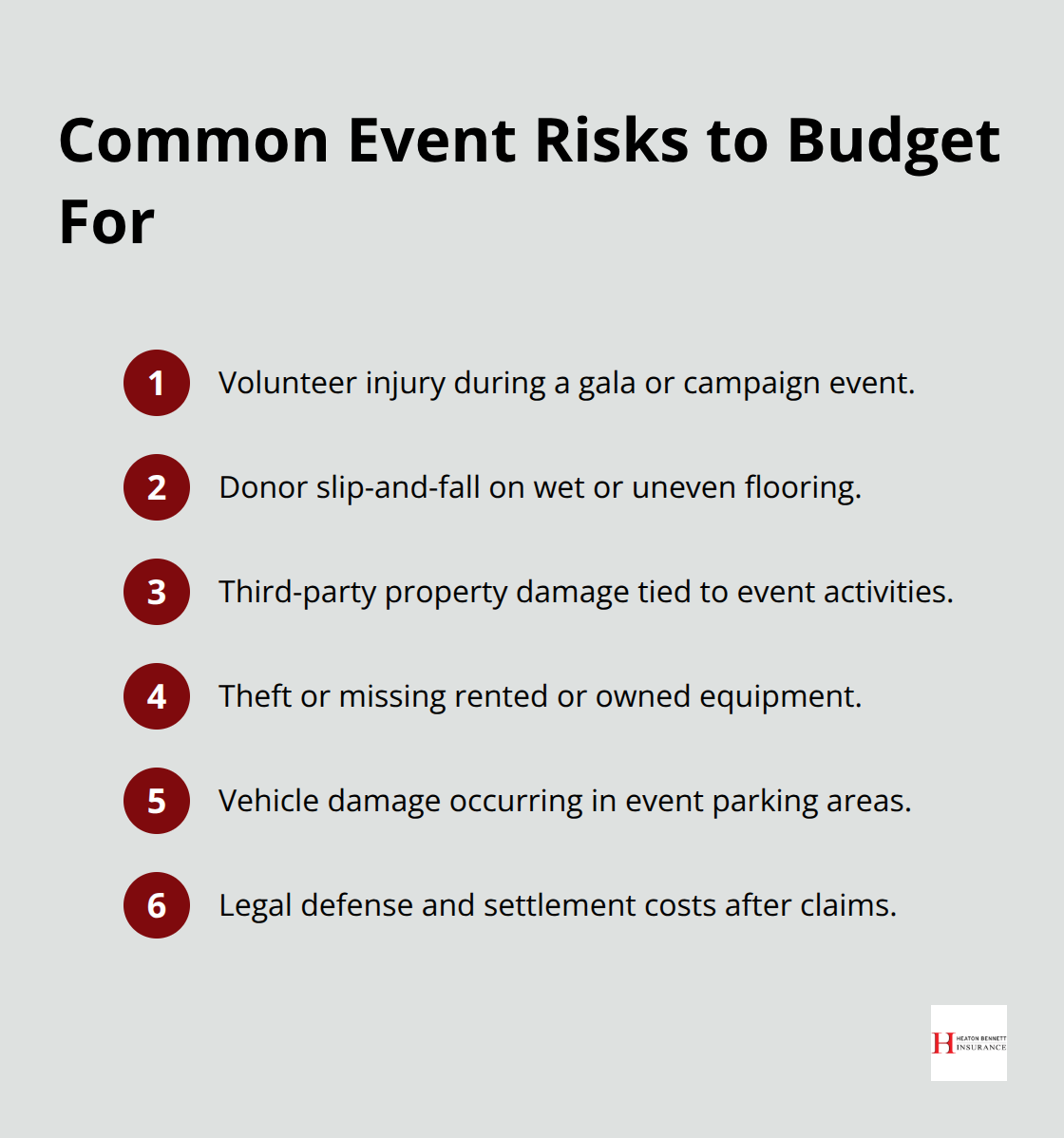
How Much Is Business Liability Insurance?

Business liability insurance costs vary dramatically based on your company’s size, industry, and location. Small businesses typically pay between $400 to $1,500 annually for general liability coverage.

We at Heaton Bennett Insurance see many business owners struggle with understanding how much is business liability insurance and what drives these price differences. The right coverage protects your business without breaking your budget.

What Drives Business Liability Insurance Pricing?

Business size directly impacts your insurance costs. Small businesses under $100,000 annual revenue typically pay $400-$1,500 annually for general liability coverage. Medium-sized businesses with revenues between $100,000-$1 million face premiums that range from $1,500-$3,500, while larger companies often exceed $5,000 annually. The National Federation of Independent Business found that 53% of small businesses earn less than $100,000, which places them in the lowest premium bracket.

Industry Risk Levels Shape Your Premiums

Construction companies pay the highest premiums, with costs that average $1,200-$3,000 annually due to physical injury risks and property damage exposure. Professional services like accounting or consulting pay significantly less, typically $300-$800 per year. Healthcare businesses face elevated costs around $2,000-$4,000 annually because of malpractice exposure. Manufacturing operations fall in the middle range at $800-$2,500 yearly.

Typical annual general liability costs by industry in the United States

The Insurance Information Institute reports that high-risk industries experience claim frequencies three times higher than low-risk sectors.

Geographic Location Creates Premium Variations

Texas businesses pay 15-20% more than the national average due to severe weather risks and higher litigation rates. California companies face similar increases because of earthquake exposure and strict liability laws. Florida businesses deal with hurricane-related surcharges that add 25-30% to base premiums. Conversely, businesses in states like Wyoming or Vermont often pay 10-15% below national averages. Urban locations within any state typically cost 20-40% more than rural areas due to higher property values and increased lawsuit frequency.

Employee Count Affects Your Risk Profile

Companies with more employees face higher premiums because additional staff increases potential liability exposure. Businesses with 1-5 employees typically pay base rates, while companies with 10-25 employees see premium increases of 20-30%. Organizations with over 50 employees often pay 50-75% more than small operations due to workers’ compensation requirements and general liability exposure. Each additional employee represents potential claims risk that insurers factor into their calculations.

These factors work together to determine your final premium, but you can take specific steps to reduce these costs through strategic choices.

What Determines Your Business Liability Premium

Your annual revenue directly controls your premium calculations because insurers view higher-earning businesses as greater liability targets. Companies that earn under $100,000 pay base rates, while businesses that generate $500,000-$1 million face premium increases of 40-60% according to Progressive Commercial data. Revenue over $2 million often triggers premium multipliers of 2-3 times the base rate. This structure reflects the reality that successful businesses attract more lawsuits and face higher settlement demands.

Risk Classification Drives Premium Structure

Insurers use specific industry classification codes that place your business into predetermined risk categories with fixed premium ranges. Construction trades face the highest multipliers at 3.5-4 times base rates due to injury exposure, while professional consultants receive the lowest multipliers at 0.8-1.2 times base rates. Manufacturing operations sit in the middle at 1.8-2.2 times base rates. Your business description on the application determines your rate category, so accuracy matters more than you think. Misclassification of your business operations can result in denied claims or premium adjustments later.

Claims History Creates Long-Term Cost Impact

A single liability claim increases your premiums by 25-40% for the next three to five years according to Insurance Information Institute research. Two claims within five years can double your annual costs, while three or more claims often make coverage difficult to obtain through standard markets. The claims-free discount works in reverse too – businesses with five-year clean records receive premium reductions of 10-15%.

Coverage Limits Multiply Base Costs

Your coverage limits also multiply your base premium: $2 million coverage costs roughly 40% more than $1 million coverage, while umbrella policies that add $5 million in additional protection typically cost $600-$1,200 annually. Higher limits protect your business assets but come with proportional cost increases that compound over time.

Three percentage stats affecting business liability insurance costs in the U.S. - how much is business liability insurance

These premium factors work together to create your final rate, but smart business owners can implement specific strategies to reduce these costs significantly.

How Can You Cut Your Insurance Costs

Smart bundling delivers the most immediate savings on your business liability premiums. You combine general liability with commercial property insurance through a Business Owner’s Policy and reduce costs by 15-25% compared to separate policies according to The Hartford data. You add workers’ compensation to your bundle and create additional discounts of 10-15%, while professional liability inclusion saves another 5-10%.

Hub-and-spoke diagram of cost-cutting strategies for business liability insurance - how much is business liability insurance

Commercial umbrella policies become significantly cheaper when bundled, often costing 40-50% less than standalone umbrella coverage.

Safety Programs Generate Measurable Premium Reductions

Insurance companies reward businesses that implement documented safety programs with premium discounts of 10-20%. The Occupational Safety and Health Administration reports that companies with formal safety programs experience 40% fewer workplace incidents, which directly translates to lower insurance costs. Monthly safety meetings, written safety protocols, and incident reports qualify for these discounts. Equipment maintenance logs and employee safety certifications provide additional premium reductions. You install security systems, fire suppression equipment, and proper lights and reduce premiums by another 5-15%. Regular safety audits conducted by third-party professionals often unlock the highest discounts available.

Strategic Deductible Selection Reduces Annual Costs

You increase your deductible from $500 to $2,500 and typically reduce annual premiums by 15-25%, while you jump to $5,000 and can cut costs by 25-35% according to Progressive Commercial analysis. Higher deductibles work best for businesses with strong cash flow and low claims frequency. The key calculation involves you compare annual premium savings against your increased out-of-pocket exposure per claim. Businesses that have maintained claims-free records for three or more years (particularly those with consistent revenue streams) benefit most from higher deductibles because their low claims probability makes the risk worthwhile.

Risk Management Practices Lower Long-Term Costs

You implement comprehensive risk management and create substantial premium reductions over time. Employee training programs that focus on workplace safety reduce incident rates by up to 30% according to industry data. You document all safety procedures and maintain detailed records, which insurers view favorably during renewal periods. Regular equipment inspections and maintenance schedules prevent accidents that lead to claims. You establish clear protocols for customer interactions and reduce liability exposure in service-based businesses.

Final Thoughts

Business liability insurance costs depend on multiple interconnected factors that work together to determine your final premium. Your industry risk level, business size, geographic location, employee count, and claims history create the foundation for pricing calculations. Construction companies face the highest costs at $1,200-$3,000 annually, while professional services pay significantly less at $300-$800 per year.

Revenue levels directly impact premiums, with businesses that earn over $500,000 facing increases of 40-60% compared to smaller operations. Geographic factors add another layer of complexity, with Texas businesses that pay 15-20% above national averages due to weather risks and litigation rates. Independent insurance agents provide access to multiple carriers and competitive pricing options that single-carrier agents cannot match.

We at Heaton Bennett Insurance help Austin businesses navigate these complex pricing factors when they ask how much is business liability insurance. Our team evaluates your unique risk profile and compares options from multiple carriers to find optimal coverage at competitive rates (through our comprehensive approach to commercial insurance). Contact us today for personalized quotes that reflect your actual business operations and risk exposure through our commercial insurance coverage services.

Tiny Home Insurance Cost What to Expect

Tiny home insurance cost varies dramatically based on your home’s type, location, and coverage needs. Most owners pay between $600 to $1,800 annually, though mobile units often cost less than permanent foundations.

We at Heaton Bennett Insurance see many tiny home owners surprised by pricing differences compared to traditional homeowners policies. Understanding these costs upfront helps you budget effectively and find the right protection for your unique living situation.
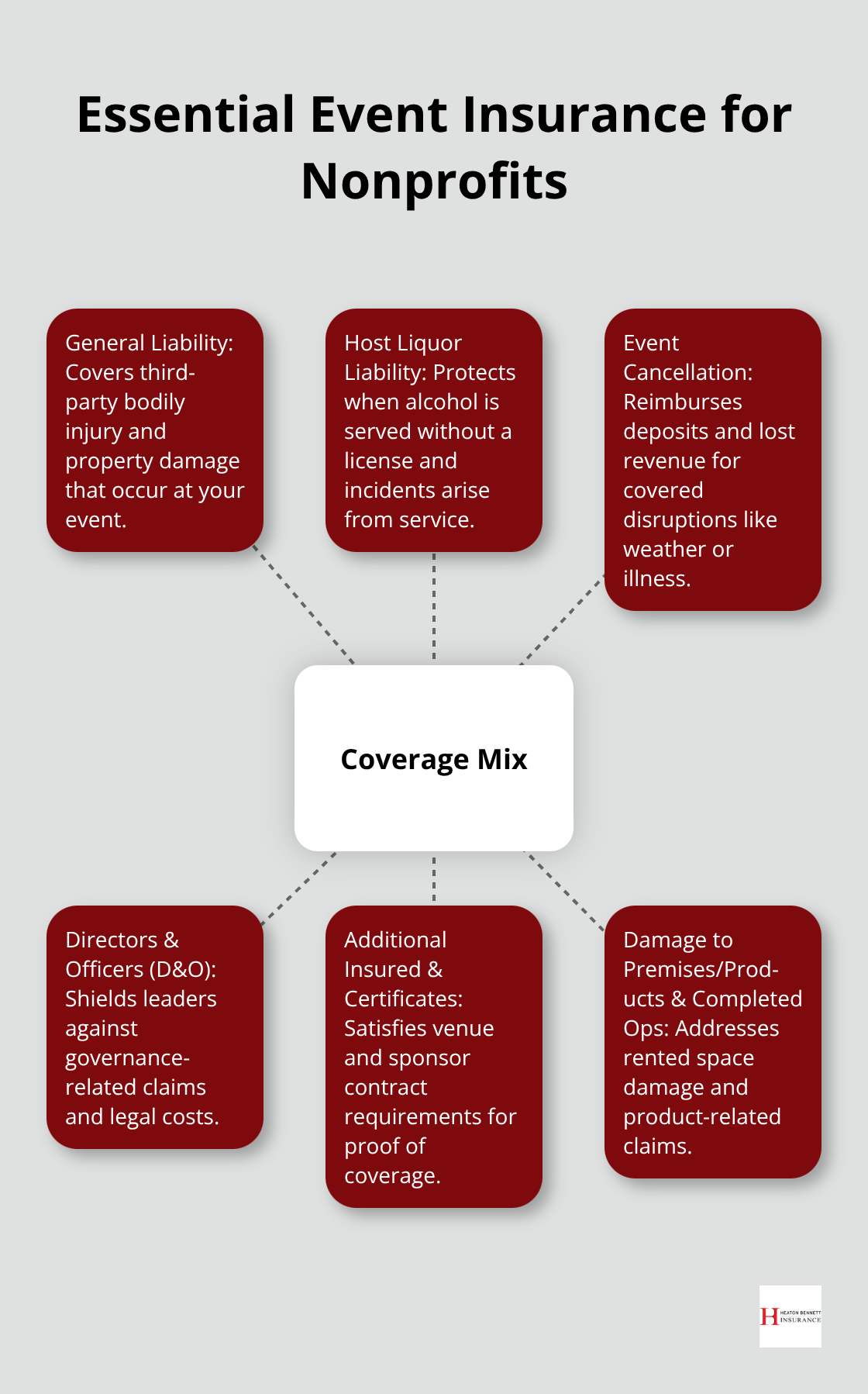
How Much Do Tiny Homes Actually Cost to Insure

Stationary tiny homes on permanent foundations cost $800 to $1,500 annually to insure, while mobile tiny homes on wheels range from $600 to $1,200 per year. Factory-built certified tiny homes command lower premiums than DIY builds, with Progressive and Foremost Insurance offering competitive rates for NOAH-certified structures. RubyHome Real Estate data shows the average tiny home value reached $67,000 in 2024, making insurance premiums roughly 1.2% to 2.2% of home value.

Premium Differences Between Mobile and Stationary Units

Quick view of stationary vs. mobile tiny home insurance costs and value-based premium share

Mobile tiny homes face higher transit risks but benefit from RV-style coverage options that cost significantly less than traditional homeowners policies. Stationary units require manufactured home insurance, which averages $1,200 annually compared to the $1,687 national average for standard homeowners coverage (according to 2024 industry data). Mobile units often qualify for specialized RV insurance that provides adequate protection at lower costs.

Regional Cost Variations Impact Your Budget

Southern states with hurricane exposure and western fire-prone areas drive premiums up substantially. Florida tiny home owners often pay double the national average, while Midwest locations like Ohio and Indiana offer the lowest rates. Texas and California tiny home owners pay 20-30% more than national averages due to weather risks and higher property values, while states like Montana and Wyoming offer premiums as low as $500 annually for basic coverage.

Insurance Provider Options Shape Your Costs

Strategic Insurance and American Modern Insurance provide state-specific rates that reflect local risk factors. Progressive requires factory construction and NOAH certification but offers competitive premiums for qualified homes. The Hartford provides builder’s risk insurance during construction phases, which protects your investment before standard coverage takes effect.

These cost factors directly connect to the specific elements that insurance companies evaluate when they calculate your premium, which we’ll examine next.

What Drives Your Tiny Home Insurance Premium

Insurance companies evaluate three primary factors when they calculate your tiny home premium. Construction materials create the biggest price variations, with lightweight materials like vinyl siding and composite panels reducing premiums by 15-20% compared to traditional wood construction. Steel framing increases costs due to higher replacement values. DIY builds face premium increases of 25-40% over factory-constructed homes because insurers view them as higher risk.

Hub-and-spoke view of the core factors that determine tiny home insurance premiums

Homes that lack NOAH or RVIA certification often require specialty coverage that costs significantly more than standard policies.

Location Determines Base Risk Assessment

Weather exposure drives the most dramatic premium differences. Hurricane zones add $300-600 annually to base rates, while wildfire-prone areas increase costs by $200-400 per year. Mobile tiny homes face additional complexity because insurers evaluate both your primary parking location and travel patterns. Homes that move frequently between states pay 20-30% higher premiums than those that stay within single regions.

Zoning compliance affects rates substantially. Homes that violate local codes often require non-standard coverage that costs double traditional rates. Urban locations with better fire protection services reduce premiums by 10-15% compared to rural areas that lack professional fire departments.

Coverage Choices Control Your Final Premium

Deductible selection creates immediate cost impact. $2,500 deductibles reduce premiums by 25-35% compared to $500 deductibles, though this strategy only works if you maintain adequate emergency funds. Dwelling coverage limits should reflect your home’s actual replacement cost (underinsuring saves money upfront but creates devastating gaps during claims, while overinsuring wastes premium dollars without added protection).

Personal property coverage typically costs $2-4 per $1,000 of coverage. This makes it affordable protection that most owners should maximize rather than minimize to save small amounts.

Construction Quality Impacts Long-term Costs

Factory-built homes with proper certification consistently receive better rates than custom builds. Progressive and other major carriers prefer NOAH-certified structures because they meet standardized safety requirements. Homes built to NFPA 1192 or ANSI 119.5 standards qualify for preferred rates that can save hundreds annually.

These premium factors work together to create your final insurance cost, but smart owners can implement specific strategies to reduce these expenses significantly.

How to Cut Your Tiny Home Insurance Costs

Insurance companies reward customers who bundle multiple policies together, and tiny home owners can save 10-25% when they combine their coverage with auto, motorcycle, or other property insurance. Progressive offers the deepest discounts for customers who bundle tiny home coverage with their auto policies, often reducing total premiums by $150-300 annually. Independent agencies provide access to competitive rates from multiple insurers rather than limiting options to a single company, which allows clients to stack multiple discounts across carrier networks.

Security Features Deliver Immediate Premium Reductions

Monitored security systems reduce premiums by 5-15% with most carriers, while smoke detectors and fire suppression systems cut rates by another 3-8%. Strategic Insurance specifically rewards tiny homes equipped with cellular monitoring systems because remote locations often lack reliable landline connections. Deadbolt locks, window security film, and motion-activated lighting create additional 2-5% discounts that compound over time.

Percentage savings from key tiny home security and safety features - tiny home insurance cost

Hard-wired smoke detectors perform better than battery-operated units for insurance discounts, and professionally monitored systems outperform self-monitored alternatives.

Smart Deductible Strategies Maximize Savings

Higher deductibles instead of $500 options reduce annual premiums by 25-35%, saving most owners $200-400 yearly. This strategy works best when you maintain emergency funds equal to your deductible amount in easily accessible accounts (most financial experts recommend three months of expenses). Foremost Insurance offers the most competitive rates for higher deductible policies, particularly for mobile tiny homes. Coverage limits should match your actual replacement costs rather than arbitrary round numbers – a $45,000 tiny home insured for $60,000 wastes premium dollars without providing meaningful protection, while underinsurance creates catastrophic gaps during total loss claims.

Professional Installation Reduces Risk Premiums

Certified electricians and plumbers who install tiny home systems help qualify for preferred rates with major carriers. Homes that meet NFPA 1192 or ANSI 119.5 standards receive automatic discounts because these codes reduce fire and structural risks. Professional installation documentation proves compliance during underwriting reviews, which often results in 5-10% premium reductions compared to DIY installations.

Final Thoughts

Tiny home insurance cost typically ranges from $600 to $1,800 annually, with mobile units generally costing less than stationary homes on permanent foundations. Factory-built certified homes receive better rates than DIY builds, while location factors like hurricane zones or wildfire areas can increase premiums by $200-600 yearly. Smart strategies significantly reduce your insurance expenses through bundled policies, security systems, and higher deductibles.

Multiple carriers offer different coverage options since requirements vary dramatically between providers. Progressive prefers factory-built homes, while Strategic Insurance covers non-certified builds. Independent agencies provide access to competitive rates from multiple insurers rather than single company limitations (which often results in better coverage matches for unique tiny home situations).

We at Heaton Bennett Insurance help tiny home owners navigate these complex coverage decisions. Our independent agency status provides access to multiple carriers, allowing us to find tailored insurance solutions that match your specific tiny home situation. Contact us today to explore your coverage options and get personalized quotes for your unique living arrangement.
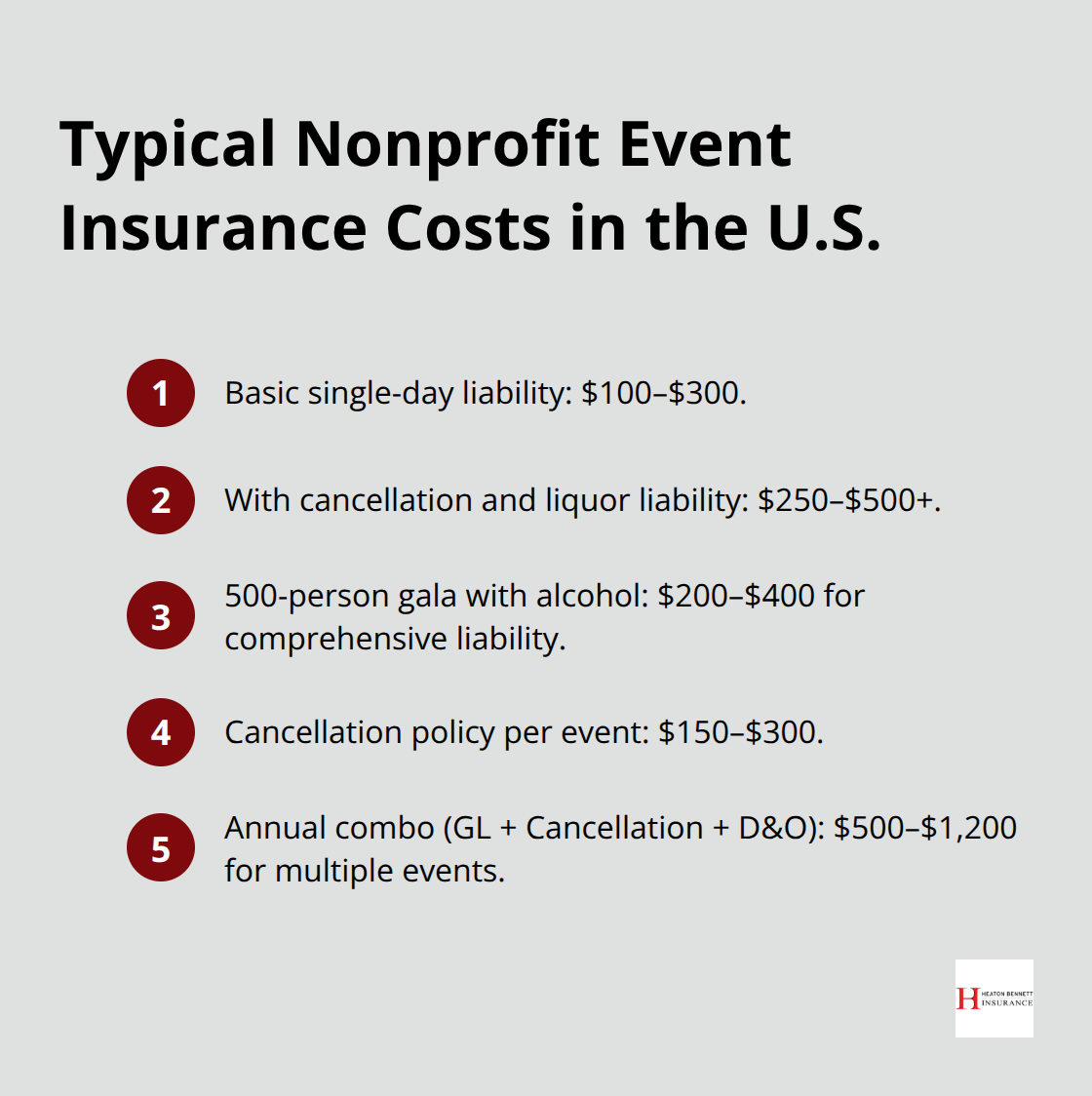
Cyber Liability Insurance Safeguarding Your Digital Assets

Cyber attacks cost businesses an average of $4.45 million per incident in 2023, according to IBM’s Cost of a Data Breach Report. Small and medium enterprises face even greater risks, with 60% closing within six months of a major breach.

We at Heaton Bennett Insurance understand that cyber insurance has become essential protection for modern businesses. The right policy can mean the difference between recovery and bankruptcy when digital threats strike.

What Does Cyber Liability Insurance Actually Cover?

First-Party Protection for Your Direct Losses

First-party coverage protects your business from direct financial losses when cyber incidents hit your systems. This protection covers data recovery costs, which averaged $1.76 million per incident according to IBM’s 2024 report. Your policy pays for forensic investigations to determine how attackers breached your systems, plus the costs of specialists who restore corrupted files and rebuild damaged networks.

Crisis management expenses fall under this coverage, including public relations firms that manage your reputation after a breach. Many policies include credit monitoring services for affected customers (which can cost $50-200 per person annually). The policy also covers notification costs when you must inform customers about compromised data.

Third-Party Claims Protection

Third-party coverage handles lawsuits from customers, vendors, or partners whose data you compromised. Legal defense costs alone can reach $500,000 before any settlement, with regulatory fines that add another layer of expense. The healthcare sector faces particularly steep penalties, with HIPAA violations that cost up to $1.5 million per incident.

This coverage protects against privacy violations, copyright infringement claims, and defamation lawsuits that stem from cyber incidents. Your insurer defends these claims and pays settlements or judgments up to your policy limits.

Three core cyber liability coverage types summarized for U.S. businesses

Business Interruption Coverage

Business interruption protection compensates for lost revenue during system downtime, which affects 95% of cyber incidents according to Ponemon Institute research. This coverage calculates your daily revenue and pays for each day your operations remain offline (typically covering 30-365 days depending on your policy limits).

Manufacturing companies lose an average of $50,000 per hour during ransomware attacks. The coverage also pays for extra expenses you incur to minimize downtime, such as renting temporary equipment or outsourcing critical functions. These comprehensive protections address the most common cyber threats that target businesses across all industries.

What Cyber Threats Target Your Business Daily?

Ransomware Dominates Business Attacks

Ransomware attacks increased 25% in 2024 despite law enforcement actions against major groups, according to cybersecurity firm reports. Manufacturing companies face the highest risk and account for 25.7% of cyber incidents with ransomware involvement in 71% of those cases (based on World Economic Forum data). Healthcare organizations see 21.82% of cyber incidents while hospitality follows at 19.57%.

Attackers typically demand payments between $200,000 and $2 million from mid-sized businesses. The FBI strongly advises against payment since only 65% of companies recover their data even after ransom payment. Instead, maintain offline backups with 24-hour updates and test recovery procedures monthly. Multi-factor authentication blocks 99.9% of automated attacks according to Microsoft security research.

Social Engineering Exploits Human Weakness

Business Email Compromise scams caused $55 billion in losses over the past decade and represent the costliest cyber threat that organizations face. These attacks target finance departments with fake vendor invoices or executive impersonation requests for wire transfers. The average BEC loss reaches $125,000 per incident according to FBI data.

Train employees to verify payment requests through separate communication channels and implement dual approval processes for transfers that exceed $10,000. Phishing emails successfully deceive 30% of recipients who open malicious attachments or click dangerous links. Deploy email filters that block 99% of phishing attempts and conduct monthly simulated attacks to test employee awareness. Companies with regular training programs reduce successful phishing by 70% compared to untrained staff.

Key phishing and training effectiveness statistics for U.S. organizations - cyber insurance

Data Breaches Strike Without Warning

Data breaches affect 83% of organizations annually and cost an average of $4.88 million per incident in 2024. Hackers target customer databases, financial records, and intellectual property through vulnerable network entry points. Healthcare data commands premium prices on dark web markets ($250 per record versus $5 for credit card information).

Most breaches stem from weak passwords, unpatched software, or insider threats rather than sophisticated attacks. Implement network segmentation to limit breach scope and monitor user access patterns for unusual activity. Regular vulnerability scans identify security gaps before attackers exploit them, while encryption protects sensitive data even when systems face compromise.

These threats create complex insurance needs that require careful policy selection and comprehensive coverage analysis. Unlike general liability or property insurance that protects against external risks, cyber liability coverage addresses internal vulnerabilities that digital threats exploit.

How Do You Select the Right Cyber Policy?

Assess Your Business Risk Profile

Risk assessment drives every cyber insurance decision and starts with data classification. Companies that handle credit card information face Payment Card Industry compliance requirements that cost $10,000-50,000 annually when breached. Healthcare organizations need HIPAA-compliant policies with minimum $2 million coverage limits since violations average $10,000 per compromised record (according to Department of Health and Human Services data). Manufacturing firms require specialized coverage for intellectual property theft, which costs businesses an average of $2.6 million per incident based on Ponemon Institute research.
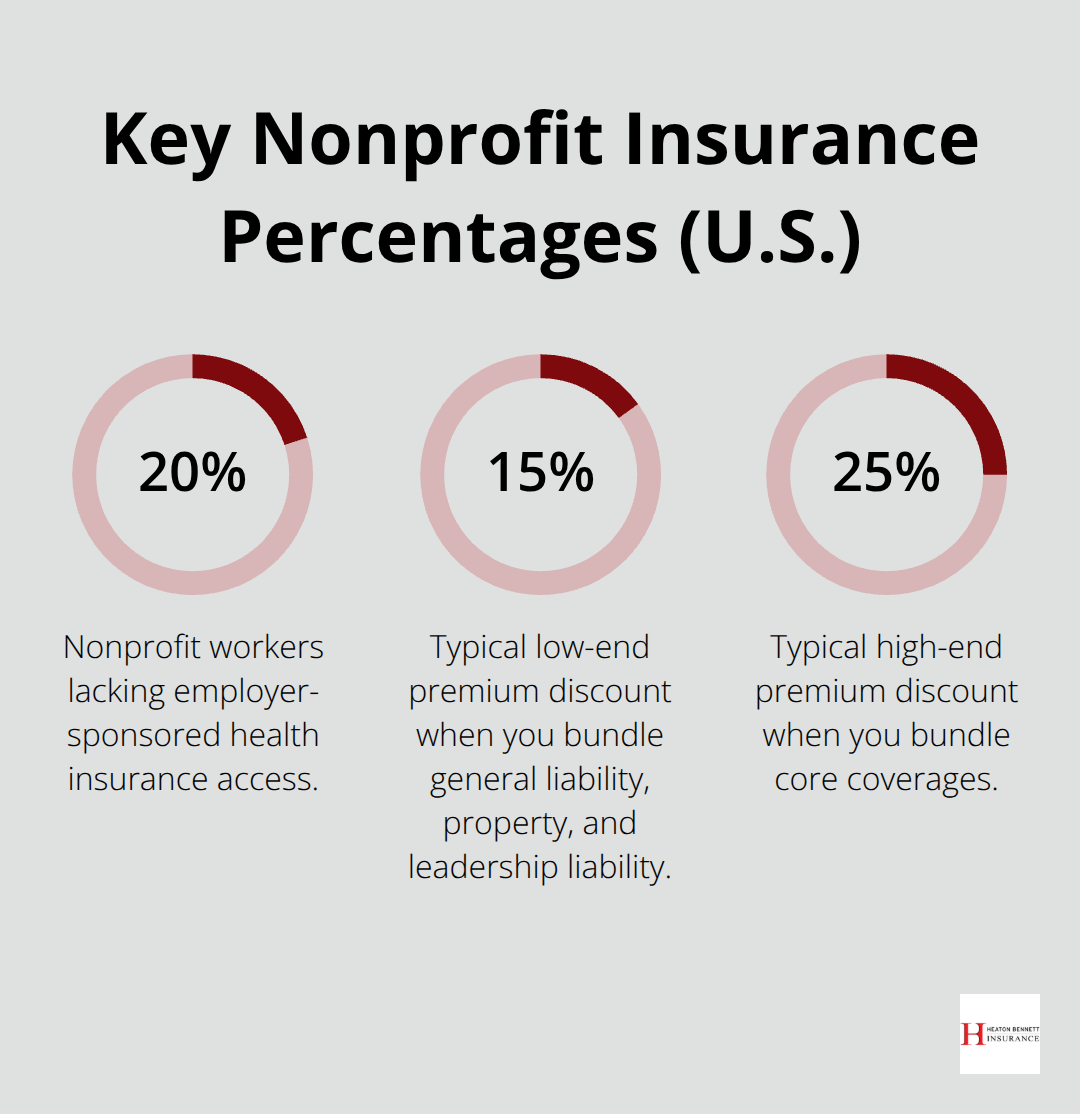
Match Coverage Limits to Real Exposure

Purchase coverage that equals your annual revenue or $5 million minimum, whichever proves higher. Small businesses with $1-5 million revenue typically need $1-2 million limits, while mid-market companies require $5-10 million protection. Deductibles should not exceed 2% of annual revenue since higher amounts delay recovery efforts. Choose per-claim deductibles over aggregate options because multiple incidents can exhaust your coverage faster.
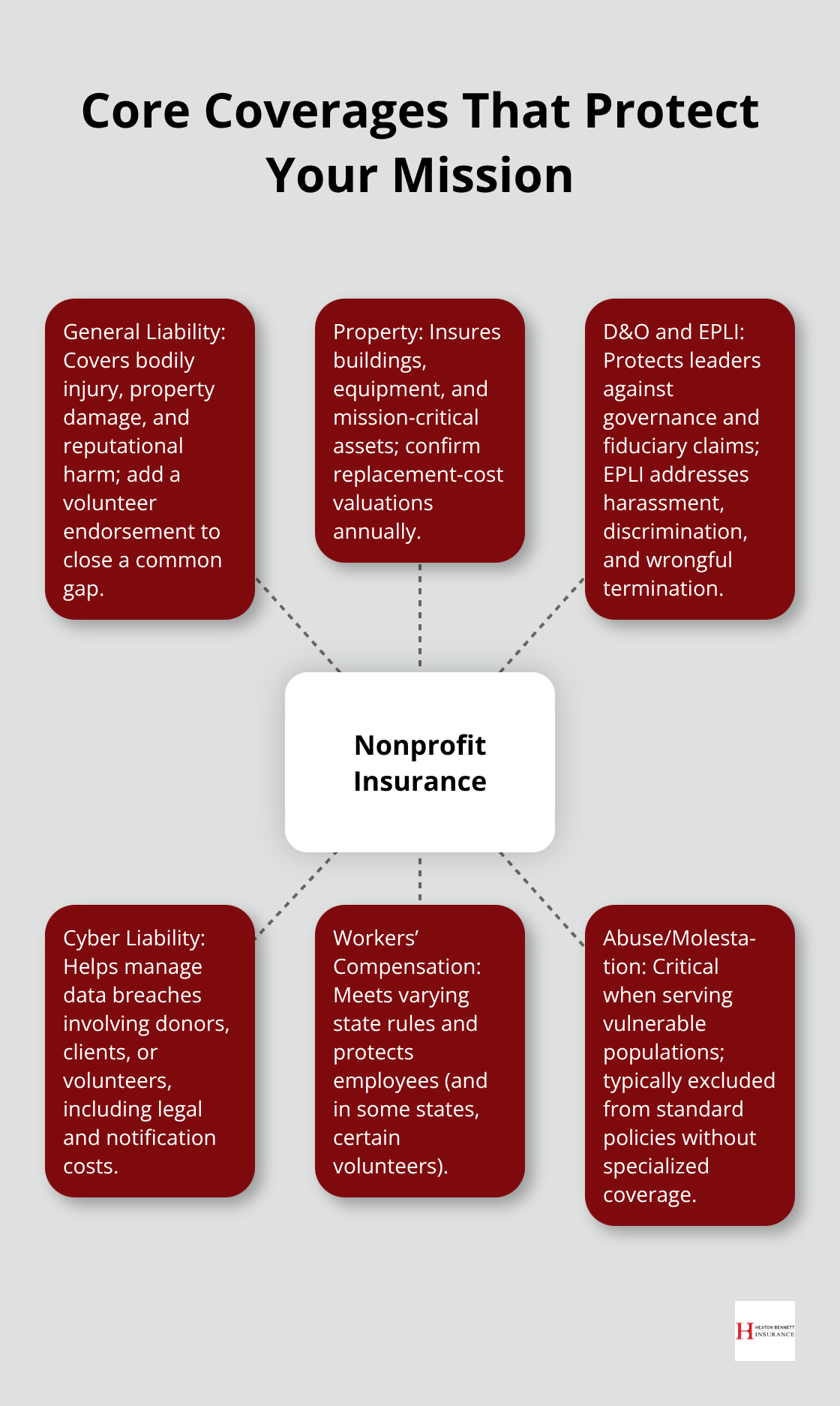
Three-step framework to choose cyber insurance coverage for U.S. businesses

Evaluate Technology-Specific Needs

Technology companies need errors and omissions coverage that starts at $1 million since software failures cost clients an average of $300,000 per hour in downtime. Software developers face unique liability exposures when their products malfunction or fail to perform as promised. Professional liability protection covers these risks that standard cyber policies often exclude.

Compare Additional Services and Support

Premium policies include 24/7 incident response teams that reduce breach costs by 30% compared to self-managed responses (according to IBM data). Look for policies that provide pre-breach services like vulnerability assessments, employee training programs, and security audits. These services typically cost $50,000-100,000 separately but come included with comprehensive coverage. Avoid policies that exclude social engineering losses since these attacks represent 98% of successful cyber incidents that target businesses. The best way to determine what type of business insurance you should purchase is to ask a licensed agent who can assist you with assessing your specific needs. The best insurers offer legal hotlines, crisis communications support, and regulatory guidance that proves invaluable during actual incidents.

Final Thoughts

Cyber insurance has transformed from optional coverage to business necessity as digital threats multiply and attack costs soar. The global cyber insurance market will reach $29 billion by 2027, which reflects widespread recognition that traditional insurance cannot address modern digital risks. Businesses across all sectors now face sophisticated attacks that traditional policies cannot cover.

Comprehensive protection requires three strategic steps that smart business owners follow. First, conduct thorough risk assessments that identify your specific vulnerabilities and compliance requirements. Second, purchase adequate coverage limits that match your revenue exposure and industry standards (typically 1-2 times annual revenue). Third, select policies with pre-breach services and 24/7 incident response teams that reduce recovery costs by 30%.

We at Heaton Bennett Insurance provide tailored insurance solutions that address your unique cyber risks through our comprehensive assessment process. Our independent agency approach means we compare options across multiple carriers rather than push single-carrier solutions. Cyber attacks will target your business eventually, so adequate protection becomes essential for survival.