
Key Person Insurance in Succession Planning Securing Your Company’s Future

Your company’s most valuable employees hold the keys to daily operations, client relationships, and future growth. When these key personnel leave unexpectedly, the financial impact can devastate even well-established businesses.

We at Heaton Bennett Insurance understand that effective succession planning requires more than just identifying replacements. Key person insurance provides the financial bridge your company needs during critical transitions.

What Key Person Insurance Actually Covers

Key person insurance delivers immediate cash when your most valuable employees die or become permanently disabled. The policy pays out tax-free proceeds directly to your business, not to the employee’s family. This money replaces lost revenue, covers recruitment costs, and keeps operations stable while you search for replacements.

The Financial Protection You Get

Unlike general liability or property insurance that protects against external risks, key person coverage addresses internal vulnerabilities that threaten your company’s survival. The policy compensates for revenue gaps, operational delays, and client relationship disruptions that occur when key personnel leave unexpectedly. Standard business insurance policies exclude these internal risks entirely.

The Real Cost of Personnel Loss

LIMRA research shows only 20% of small business owners carry business life insurance, yet companies face substantial financial hits when key employees leave. Recruitment and training expenses alone cost an average of 6 to 18 months of that person’s salary. Revenue losses compound this financial damage significantly.

Percentages showing coverage gaps and revenue concentration risks for U.S. small businesses. - succession planning

A top sales executive who generates 40% of your annual revenue creates a massive gap when they leave unexpectedly. Key person insurance covers these direct losses plus the hidden costs of client defection, delayed projects, and operational disruptions (costs that standard business insurance ignores completely).

How This Differs From Employee Benefits

Standard group life insurance benefits the employee’s beneficiaries, while key person insurance protects your business interests. You own the policy, pay the premiums, and receive the death benefits. The coverage amount reflects the employee’s value to your company rather than their personal financial needs.

This fundamental difference makes key person insurance a business asset that strengthens your balance sheet. Lenders and investors often require this coverage before they approve business loans, as it demonstrates financial stability and risk management.

The next step involves identifying which specific employees qualify for this protection and calculating the appropriate coverage amounts.

Identifying Key Personnel and Assessing Coverage Needs

Your business depends on specific individuals who drive revenue, maintain client relationships, and possess irreplaceable knowledge. The founder who controls 60% of client relationships qualifies immediately. The software developer whose proprietary code powers your entire platform qualifies. The sales manager who personally handles your three largest accounts qualifies. Anyone whose sudden departure would create operational chaos deserves serious consideration.

Revenue Impact Assessment

Calculate each employee’s direct revenue contribution through their sales figures, client relationships, and project leadership over the past 24 months. PwC’s 2017 U.S. Family Business Survey revealed that only 23% of family businesses maintain documented succession plans, yet these companies often stake their survival on one or two key individuals.

Multiply the employee’s annual compensation by 5 to 10 times to establish baseline coverage amounts. A $100,000 executive might require $500,000 to $1,000,000 in coverage based on their revenue impact and replacement timeline. This calculation provides the foundation for protection levels that match actual business risk.

Skills and Relationship Evaluation

Target employees with irreplaceable institutional knowledge, exclusive client relationships, or specialized technical skills that would take months to replace. The marketing director who personally knows every major client creates more risk than someone who simply manages campaigns. The engineer who designed your core product systems poses greater vulnerability than general programmers.

Document specific relationships, contracts tied to individuals, and knowledge that exists nowhere else in your organization (these factors often justify higher coverage amounts than pure revenue calculations suggest). The absence of these relationships can trigger client defections and operational breakdowns that extend far beyond immediate revenue loss.

Coverage Amount Calculations

Base your coverage calculations on replacement costs, lost revenue projections, and business disruption timelines. Factor in recruitment expenses, training costs, and the learning curve new employees face when they join your organization. Most businesses underestimate these transition costs and purchase insufficient coverage as a result.

A concise checklist of steps to estimate key person insurance coverage amounts. - succession planning

Consider the time required to find qualified replacements in your industry and geographic area. Specialized roles in competitive markets demand higher coverage amounts due to extended search periods and premium compensation packages needed to attract top talent.

We can assist you with assessing your insurance needs and provide you with some quotes from several of the top insurance companies to ensure your key person coverage aligns with your actual business risks.

The next phase involves structuring these policies to support your broader succession strategy and coordinate with existing business agreements.

Implementing Key Person Insurance as Part of Succession Strategy

Purchase Coverage Before You Need It

Buy key person insurance immediately after you identify critical personnel, not when succession discussions begin. The National Federation of Independent Business reports that many small business owners delay this coverage until retirement approaches, which creates dangerous protection gaps. Young, healthy employees qualify for lower premiums and better terms than older executives who face health issues. A 35-year-old key employee might pay 60% less in annual premiums than the same coverage purchased at age 55.

Structure Policies for Maximum Flexibility

Term life insurance works best for short-term succession scenarios where you plan to replace key personnel within 5-10 years. Universal life insurance provides permanent protection with cash value accumulation that supports long-term succession strategies. Split the coverage between both policy types to balance immediate protection with future flexibility (this approach gives you options as business needs change). Set the business as both owner and beneficiary to maintain complete control over policy proceeds and avoid complications with employee departures.

Coordinate Coverage with Business Agreements

Key person insurance must align with buy-sell agreement valuations and mechanisms. The Principal Financial Group found that only 36% of business owners had adequate life insurance for succession plans in their 2017 study. Structure policy amounts to match buy-sell agreement obligations exactly, which prevents shortfalls during ownership transitions. Update coverage amounts annually to reflect business growth and changes in key person responsibilities.

Percentages highlighting documented plan rates and insurance adequacy among U.S. business owners.

Link Policies to Succession Triggers

Connect policy proceeds to specific succession triggers like disability, retirement, or death to activate predetermined transition plans automatically. This connection streamlines the succession process and eliminates confusion about when coverage applies (clear triggers prevent disputes among stakeholders). Document these triggers in both the insurance policy and your succession plan to maintain consistency across all business agreements.

Final Thoughts

Key person insurance transforms succession planning from a risky gamble into a strategic advantage. The 95% of business owners who recognize succession planning’s importance but lack written plans expose themselves to unnecessary financial devastation. Your company cannot afford to join the 80% of businesses that operate without this protection.

The tax-free proceeds from key person policies provide immediate liquidity when your most valuable employees leave unexpectedly. This financial cushion covers recruitment costs, maintains client relationships, and prevents the operational chaos that destroys business value. Companies with proper key person coverage weather personnel transitions without compromising their competitive position or stakeholder confidence.

Document your key personnel today and calculate their revenue impact on your business. Purchase coverage while these employees remain healthy and premiums stay affordable (review policy amounts annually as your business grows and key roles evolve). We at Heaton Bennett Insurance specialize in tailored insurance solutions that protect your business interests and provide access to multiple carriers with personalized coverage options that align with your succession planning objectives.

Protecting Your Business Why Key Person Life Insurance Matters

Your business depends on specific people whose skills, relationships, and knowledge drive revenue and growth. When these key person contributors leave unexpectedly, the financial impact can threaten your company’s survival.

We at Heaton Bennett Insurance see businesses struggle with this reality every day. Key person life insurance provides the financial protection your company needs when losing essential team members.

What Is Key Person Life Insurance and How It Works

Key person life insurance pays your business a lump sum when someone who generates significant revenue or holds specialized knowledge dies or becomes permanently disabled. The company owns the policy, pays premiums, and receives the death benefit directly. This protection differs from standard life insurance because your business protects its financial interests rather than provides family benefits.

Who Qualifies as a Key Person in Your Business

Revenue generators top the list of key personnel. A salesperson who brings in 40% of annual sales qualifies immediately. The owner of a specialized skill set also counts as key personnel. A software developer who built your proprietary system cannot be replaced quickly.

Partners who hold major client relationships represent another category of key personnel. When they leave, clients often follow. Small Business Administration data shows businesses lose an average of 17% of revenue when key personnel depart unexpectedly.

How Premiums and Payouts Are Determined

Insurance companies base premiums on the key person’s age, health status, and coverage amount. Most businesses purchase coverage worth 5 to 10 times the key person’s annual salary or their estimated revenue contribution. A key employee who generates $500,000 annually might warrant $2.5 to $5 million in coverage.

Premiums typically range from $500 to $5,000 annually per $100,000 of coverage (depending on risk factors). The business receives tax-free death benefits in most cases, which provides immediate cash flow to cover replacement costs, lost revenue, and debt obligations during the transition period.

These financial protections become even more critical when you consider the specific risks your business insurance faces without proper coverage in place.

Financial Risks Your Business Faces Without Key Person Coverage

Key employee departures without insurance protection create immediate revenue disruption that most businesses underestimate. Bureau of Labor Statistics data reveals that companies lose an average of 21% of their annual revenue within the first year after essential personnel leave. Technology firms face even steeper losses, with 34% experiencing revenue drops that exceed 25% when key developers or engineers depart unexpectedly.

Percentage chart showing revenue losses when key personnel depart

The financial damage starts immediately because these individuals often control client relationships, proprietary knowledge, or specialized processes that cannot transfer quickly.

Revenue Loss from Essential Team Members

Key personnel departures trigger cascading revenue losses that extend far beyond their direct contributions. Manufacturing companies lose an average of $1.2 million annually when production managers leave (according to Manufacturing Institute research), while professional service firms see client retention rates drop by 40% within six months of key relationship managers departing. These losses compound because remaining staff cannot immediately fill specialized roles or maintain the same productivity levels.

Costs of Recruiting and Training Replacements

Qualified replacements for key personnel cost businesses far more than most owners anticipate. Society for Human Resource Management research shows that executive replacement costs reach 213% of annual salary, while specialized technical roles cost 150% of annual compensation. A $100,000 key employee replacement actually costs your business $150,000 to $213,000 in recruitment fees, training expenses, and lost productivity during transition periods. Companies that spend $1,500 annually per employee on disability coverage often save $60,000 to $240,000 in replacement costs for each worker. These costs multiply when you factor in the 6 to 18 months new hires require to reach full productivity levels.

Impact on Business Loans and Credit Lines

Banks and lenders view key person departures as significant risk factors that can trigger loan covenant violations or credit line reductions. Federal Reserve Bank of St. Louis data indicates that 43% of small business loans include key person clauses that allow lenders to demand immediate repayment or modify terms when essential personnel leave. This creates dangerous cash flow crises precisely when your business needs financial flexibility most. Companies face emergency refinancing at higher rates or reduced credit availability just when they need capital to navigate transition periods.

Certain industries face even greater exposure to these risks, making key person insurance protection particularly valuable for specific business types and sectors.

Industries and Business Types That Need Key Person Insurance Most

Professional service firms face the highest risk exposure because client relationships concentrate in individual partners or senior staff members. Accounting firms lose 65% of their clients within 18 months when key partners depart (according to American Institute of CPAs research). Law practices see even steeper drops, with 78% of clients who follow attorneys to competitors.

Hub-and-spoke chart highlighting business types with highest key person risk

These businesses generate revenue through personal expertise and trust relationships that cannot transfer to replacement staff quickly.

Professional Services Face Immediate Client Loss

Clients purchase specific expertise rather than company brands when they hire consultants. McKinsey research shows that strategy firms lose $2.3 million in annual revenue for every senior consultant who departs unexpectedly. Marketing agencies face similar challenges, with 83% that lose major accounts within six months of creative directors who leave. The specialized knowledge and client chemistry that drive these businesses cannot be replaced through standard processes.

Manufacturing and Technology Companies Risk Production Disruption

Small manufacturers depend heavily on production managers and quality control specialists whose departure stops operations immediately. National Association of Manufacturers data reveals that 67% of companies with fewer than 100 employees experience production delays that exceed 30 days when key technical personnel leave. Technology startups face even greater risks, with 45% that fail within two years of their lead developer or technical co-founder departure. These businesses require key person coverage worth 8 to 12 times annual salary because replacement costs include both recruitment expenses and extended revenue losses.

Family Businesses Concentrate Risk in Few Individuals

Family-owned companies create the most dangerous concentration of business-critical knowledge in single individuals. Family Business Institute research indicates that 71% of these businesses depend on one family member for major client relationships, financial management, and operational decisions. When these key family members become unavailable, 34% of family businesses close within 24 months because no succession plans or knowledge transfer systems exist. These companies need the highest coverage amounts because they face complete business failure rather than temporary revenue disruption.

Final Thoughts

Key person insurance protects your business from financial devastation when essential employees leave unexpectedly. The data shows clear patterns: professional service firms lose 65% of clients, manufacturers face production shutdowns, and family businesses risk complete closure without proper coverage. These risks make key person policies necessary business protection rather than optional coverage.

Start by identifying employees whose departure would cost your business more than $100,000 in lost revenue or replacement expenses. Calculate coverage amounts based on 5 to 10 times their annual contribution to your company. Review your current business insurance portfolio to identify gaps in key person protection.

Compact checklist of initial steps to set up key person insurance

We at Heaton Bennett Insurance help Austin businesses evaluate their key person insurance needs through our comprehensive Security Snapshot process (which includes detailed risk assessment and coverage recommendations). Our independent agency provides access to multiple carriers, allowing us to find tailored coverage solutions that match your specific business risks and budget requirements. Contact us today to protect your company from the financial impact of losing essential team members.

HOA Insurance Requirements for Condos Explained

Condo ownership comes with unique insurance challenges that many residents don’t fully understand. HOA insurance requirements for condo buildings create coverage gaps that can leave individual owners financially exposed.

We at Heaton Bennett Insurance see countless condo owners who assume their HOA’s master policy protects everything. This misconception leads to expensive surprises when claims arise and coverage falls short.

What Does Your HOA Master Policy Actually Cover?

Most condo owners operate under dangerous assumptions about their HOA’s master insurance policy. The Insurance Information Institute reports that over 50% of condo owners remain unaware of their specific coverage requirements, which creates massive financial vulnerabilities. HOA master policies typically follow one of three coverage models that determine your personal insurance needs.

Bare Walls Coverage Leaves You Exposed

Bare walls policies cover only the building’s exterior structure and common areas. Your unit’s interior fixtures, appliances, floors, and personal improvements fall outside this coverage. The National Association of Insurance Commissioners emphasizes that this model places significant responsibility on individual owners. Water damage that destroys your hardwood floors or custom kitchen cabinets won’t receive coverage from the HOA policy.

Summary of bare walls, all-in, and single entity HOA master policy types and what unit owners must insure.

This coverage type requires the most comprehensive personal condo insurance to fill gaps.

All-In Policies Create Different Risks

All-inclusive coverage policies restore units to their original condition, which includes fixtures and appliances that the developer installed. However, personal upgrades and improvements remain your responsibility. Washington State’s RCW 64.90.470 requires newer condominiums to maintain property insurance at 80% of actual cash value, but this doesn’t guarantee full replacement costs for your personal investments. Many associations choose this model to reduce individual owner insurance burdens, yet coverage disputes frequently arise over what constitutes original versus upgraded features.

Single Entity Policies Split Responsibilities

Single entity coverage falls between bare walls and all-in policies and covers original fixtures and appliances but excludes personal property and improvements. This model creates the most confusion when claims occur because the determination of original versus upgraded items becomes contentious. Your HOA’s declaration documents require annual review to understand which coverage model applies to your building (this directly impacts your personal insurance requirements and potential out-of-pocket expenses when claims arise).

These coverage gaps between HOA policies and individual needs create specific insurance requirements that every condo owner must address through personal policies.

What Personal Insurance Do Condo Owners Actually Need?

Personal Property Protection Fills Critical Gaps

HOA master policies leave substantial coverage gaps that require strategic personal insurance decisions. The American Association of Insurance Services reports that condo insurance costs between $300 to $800 annually, yet many owners purchase inadequate coverage that fails to protect their actual financial exposure.

Personal property coverage becomes your primary defense against losses that HOA policies exclude. This includes furniture, electronics, clothing, and personal improvements you’ve made to your unit. Standard policies start at $100,000 for personal possessions, but owners with valuable items need higher limits based on detailed property inventories (complete with photographs and receipts for verification).

Hub-and-spoke showing key personal coverages condo owners should consider: property, liability, loss assessment, ALE, and umbrella. - hoa insurance requirements for condo

Liability Coverage Protects Against Lawsuits

Personal condo policies protect against lawsuits when accidents occur inside your unit. The Insurance Information Institute recommends minimum limits of $300,000 for adequate protection against potential claims.

Water damage ranks as the most common condo insurance claim, which makes liability protection essential when your actions cause damage to neighboring units. Personal umbrella policies extend liability coverage beyond standard limits and become necessary for owners with significant assets.

Loss Assessment Coverage Handles Special Assessments

Loss assessment coverage represents the most overlooked protection that covers unexpected special assessments when HOA claims exceed policy limits or deductibles. This coverage protects you when your HOA faces major repairs that trigger assessments distributed among all unit owners.

Additional living expenses coverage pays for temporary housing when your unit becomes uninhabitable after covered damage (hotel costs, restaurant meals, and storage fees add up quickly during extended displacement periods).

These personal insurance requirements become even more complex when coverage disputes arise between HOA policies and individual owner policies.

How Coverage Disputes Impact Condo Owners

Inadequate Coverage Creates Financial Disasters

Statistical data from the National Association of Insurance Commissioners shows that many condo associations carry insufficient liability coverage, which directly exposes individual owners to increased financial risk. HOAs frequently purchase minimum required coverage to reduce association fees, but this approach creates expensive consequences when major claims occur.

Associations with inadequate limits face special assessments that can reach thousands of dollars per unit when catastrophic events exceed policy limits. The Champlain Towers South collapse in 2021 demonstrated how insufficient coverage transforms into massive financial burdens for unit owners who faced assessments for legal costs and victim compensation.

Special Assessments Strike Without Warning

HOA deductibles on master policies typically range from $10,000 to $100,000 per claim, and these costs get distributed among unit owners through special assessments. Water damage claims represent the most frequent trigger for assessments because they often affect multiple units simultaneously and exceed deductible thresholds quickly.

Washington State law requires newer condominiums to maintain property insurance at 80% of actual cash value, yet many associations choose higher deductibles to reduce premium costs and shift financial responsibility to owners. These unexpected assessments can devastate household budgets when owners haven’t prepared for sudden expenses.

Percentage showing Washington State’s 80% property insurance requirement for newer condominiums. - hoa insurance requirements for condo

Policy Conflicts Create Coverage Battles

RCW 64.34.352 and RCW 64.90.470 establish that HOA master policies provide primary coverage while individual unit policies serve as secondary coverage, but this hierarchy creates disputes over which insurer pays first. Insurance companies frequently argue over coverage responsibility, which delays repairs and leaves owners with out-of-pocket expenses.

Unit owners must file claims with their personal insurers even when HOA policies should provide coverage because secondary insurers often refuse payment until primary coverage disputes resolve. Prompt claim submission to both insurers prevents delays, but owners need documented evidence of what each policy covers to avoid prolonged battles between insurance companies (these disputes can extend for months while damage worsens).

Final Thoughts

HOA insurance requirements for condo ownership protect you from devastating financial surprises that can destroy your household budget. Your HOA’s master policy creates coverage gaps that demand strategic personal insurance decisions to avoid expensive out-of-pocket costs when claims arise. Document your personal property with detailed inventories and photographs to support future claims when disasters strike.

Review your HOA’s declaration documents annually to understand which coverage model applies to your building and affects your personal insurance needs. Purchase adequate personal liability coverage with minimum limits of $300,000 and add loss assessment coverage to protect against special assessments. Verify that your personal policy coordinates properly with your HOA’s master coverage to prevent disputes between insurers (these battles can delay repairs for months while damage worsens).

Work with experienced insurance professionals who understand the complexities of condo coverage requirements and can identify potential gaps in your protection. We at Heaton Bennett Insurance help navigate these complex coverage requirements and provide access to multiple carriers. Our independent agency creates tailored insurance solutions that address your specific condo ownership risks without gaps in protection.

How to Choose the Best Business Medical Insurance Plan?

Selecting the right business medical insurance plans can make or break your company’s healthcare strategy. Poor choices lead to unhappy employees and budget overruns.

We at Heaton Bennett Insurance see businesses struggle with this decision daily. The good news is that with the right approach, you can find coverage that works for both your team and your bottom line.

What Insurance Plan Types Should You Consider?

Four Main Plan Types Shape Your Options

The four main business medical insurance plan types serve different business models and employee needs. Health Maintenance Organization plans cover 13% of workers according to the Kaiser Family Foundation and require referrals for specialists, which makes them cost-effective but restrictive. Preferred Provider Organization plans offer maximum flexibility without referrals but cost significantly more, with average employer contributions reaching $7,729 annually compared to $6,644 for HMOs.

Comparison of HMO, PPO, EPO, and POS plan characteristics - business medical insurance plans

Exclusive Provider Organization plans eliminate referral requirements while they maintain lower costs through strict network limitations. Point of Service plans blend HMO and PPO features but create administrative complexity that most small businesses avoid.

Coverage Components That Drive Real Value

Small businesses must prioritize specific coverage elements over flashy add-ons. Preventive care benefits generate measurable returns through reduced long-term costs and healthier workforces. Mental health coverage has become non-negotiable as telehealth services address provider network limitations effectively. Prescription drug benefits vary dramatically between carriers, with formulary restrictions that affect employee satisfaction more than premium differences. The average deductible for single coverage reached $1,787 in 2024 (making out-of-pocket maximums a critical protection for employees who earn modest wages).

Compliance Requirements You Cannot Ignore

The Affordable Care Act mandates that businesses with over 50 full-time employees provide minimum essential coverage or face penalties in 2025. Small employers with fewer than 50 employees avoid these mandates but miss tax credit opportunities worth up to 50% of premiums through the Small Business Health Options Program marketplace. Employers typically must contribute at least 50% of employee premiums to maintain group coverage eligibility. The No Surprises Act adds transparency requirements that affect plan administration costs and employee protection standards.

Once you understand these plan fundamentals and compliance requirements, you need to evaluate how they align with your specific business circumstances and workforce demographics.

How Do You Match Insurance Plans to Your Workforce

Start With Hard Numbers About Your Team

Employee demographics drive insurance costs more than any marketing brochure suggests. Workers under 30 typically cost 40% less to insure than employees over 50, while family coverage averages $25,572 annually compared to $8,951 for single coverage according to the Kaiser Family Foundation. Geographic location affects rates by up to 30% between states (which makes your Austin headquarters advantageous compared to high-cost markets like New York or California).

Percent impacts by age and location on employer health costs - business medical insurance plans

Track your current workforce composition: age ranges, family status, and chronic conditions through anonymous health risk assessments. Companies with predominantly younger, single employees should prioritize lower-premium, higher-deductible plans, while businesses with older workers or families need comprehensive coverage despite higher costs.

Budget Reality Beats Wishful Thoughts

Small businesses spend an average of $612 per employee monthly on health insurance, but this figure misleads without context about your specific situation. Employers must contribute at least 50% of employee premiums to maintain group eligibility, which means a 10-employee company faces minimum monthly costs of $3,060 for basic coverage. Premium increases average 5-8% annually and require budget plans that account for compound growth over three-year periods. The Small Business Health Care Tax Credit reduces costs by up to 50% for eligible employers with fewer than 25 full-time employees and average wages below $64,000 (which makes SHOP marketplace enrollment financially advantageous despite administrative complexity). Calculate total cost of ownership and include administrative time, broker fees, and employee turnover costs from inadequate coverage.

Network Strength Determines Employee Satisfaction

Provider networks vary dramatically between carriers, with narrow networks that reduce costs by 15-20% while potentially create access problems that drive employee complaints. Verify that your employees’ current doctors participate in prospective plan networks, as forced provider changes generate more dissatisfaction than premium increases. The National Committee for Quality Assurance rates health plans on network adequacy and clinical quality and provides objective comparisons beyond premium costs. Regional carriers often provide superior local networks compared to national insurers, particularly in specialized markets like Austin where local hospital systems maintain preferred relationships with specific carriers.

These workforce and budget assessments set the foundation for evaluating specific plan features that will make or break your employees’ healthcare experience.

What Plan Features Matter Most for Your Business

Premium Costs Hide the Real Financial Picture

Premium costs represent only 60-70% of your total healthcare expenses, while out-of-pocket costs devastate employee budgets and drive turnover. Workers contribute an average of 16% toward single coverage premiums and 25% for family coverage according to the Kaiser Family Foundation, but these percentages mislead because they ignore deductibles and coinsurance. Lower-wage workers spend nearly 10% of their income on premiums and out-of-pocket costs combined, which makes high-premium, low-deductible plans more valuable than spreadsheet calculations suggest. The average deductible reached $1,787 for single coverage in 2024, with 87% of covered workers enrolled in plans that require deductibles.

Hub-and-spoke view of premium contributions, deductibles, and HDHP prevalence

High-deductible health plans paired with Health Savings Accounts cover almost 30% of workers but create cash flow problems for employees who earn under $50,000 annually and cannot afford upfront medical expenses.

Network Quality Trumps Premium Savings Every Time

Provider networks determine whether your insurance investment delivers actual healthcare access or expensive frustration. Narrow networks reduce premiums by 15-20% but force employees to change doctors, travel longer distances, or pay out-of-network penalties that exceed premium savings. The National Committee for Quality Assurance rates network adequacy based on appointment availability and geographic access (with top-rated networks that show 90% specialist availability within 30 days compared to 60% for bottom-tier networks). Regional carriers often provide superior local networks in Austin compared to national insurers, particularly for specialized services like cardiology and orthopedics. Verify that major local hospital systems like Dell Seton Medical Center and St. David’s participate in your prospective plan networks, as emergency care costs skyrocket when employees use out-of-network facilities during medical crises.

Deductible Structures Impact Employee Financial Health

Deductible amounts directly affect whether employees seek necessary medical care or delay treatment due to cost concerns. Plans with deductibles above $2,000 for single coverage create barriers that lead to postponed preventive care and emergency room visits for routine problems. Family deductibles often reach $4,000-6,000 annually (which represents 10-15% of median household income for many employees). Health Savings Account eligibility requires minimum deductibles of $1,600 for individuals and $3,200 for families in 2024, but these thresholds exceed what most workers can comfortably afford without financial stress. Consider how employee demographics affect deductible timing and cash flow, as January medical expenses hit hardest when holiday spending has depleted savings accounts.

Final Thoughts

Business medical insurance plans demand careful evaluation of premium costs, network quality, and employee demographics. The data reveals that premium savings become meaningless when employees cannot access their doctors or afford deductibles above $2,000 annually. Companies with younger workforces can explore higher-deductible options, while businesses with older employees need comprehensive coverage despite higher costs.

Provider network strength matters more than premium differences in most cases. Narrow networks save 15-20% on premiums but create access problems that drive employee dissatisfaction and turnover. The average small business spends $612 per employee monthly on health insurance, yet total healthcare costs include deductibles and out-of-pocket expenses that affect employee financial stability (and ultimately impact your bottom line through reduced productivity).

Quality coverage reduces turnover costs and improves productivity through better employee health outcomes. The Small Business Health Care Tax Credit can reduce premiums by up to 50% for eligible employers through the SHOP marketplace. We at Heaton Bennett Insurance help Austin businesses navigate these decisions through our independent agency approach, which provides access to multiple carriers and personalized coverage solutions that match your workforce needs and budget requirements.

Professional Liability Insurance for Consultants A Must-Have

Consulting businesses face mounting liability risks as client expectations rise and regulatory scrutiny intensifies. Professional liability insurance for consultants has become essential protection against costly lawsuits and claims.

We at Heaton Bennett Insurance see consultants paying devastating amounts for uninsured errors and omissions claims. The right coverage protects your reputation and financial stability when clients challenge your professional advice.

What Professional Liability Insurance Covers for Consultants

Professional liability insurance shields consultants from three major financial threats that destroy businesses within months. The coverage handles errors and omissions claims when clients suffer losses from your advice or services, with standard policies covering settlements and judgments up to your policy limits. Most consultants select coverage between $1 million and $2 million per occurrence, though technology and healthcare consultants often require higher limits due to greater exposure risks.

Errors and Omissions Protection That Saves Businesses

The insurance protects against claims of professional negligence, missed deadlines, and faulty advice that cause client financial losses. When a marketing consultant’s campaign strategy fails to deliver promised results, this coverage pays for resulting lawsuits and damages. IT consultants face protection when software recommendations create security vulnerabilities or system failures. The coverage applies regardless of whether you actually made an error-it protects against allegations of professional mistakes that clients believe caused their losses.

Legal Defense Coverage Beyond Policy Limits

Infographic showing core protections in professional liability insurance for consultants

The insurance covers all legal defense expenses, including attorney fees, court costs, and expert witness fees, even when claims prove baseless. According to The Hartford, defense costs alone average $75,000 to $150,000 per claim, regardless of outcome. This coverage operates outside your policy limits (meaning a $1 million policy still provides full defense cost coverage on top of the limit). Consultants spend their entire business savings on legal fees within months of receiving lawsuit papers without this protection.

Regulatory Investigation and Licensing Defense

Professional liability policies now include regulatory investigation coverage, protecting consultants when government agencies or licensing boards investigate their work. This coverage pays for attorneys who specialize in regulatory defense and covers fines up to policy sub-limits, typically $25,000 to $100,000. Management consultants face increased scrutiny from labor departments, while IT consultants deal with data protection investigations. The coverage extends to licensing board proceedings that could suspend or revoke professional credentials.

These comprehensive protections become even more valuable when you consider the specific risks that consultants face in today’s litigious business environment.

Why Consultants Face Catastrophic Losses Without Professional Liability Coverage

Consultants who operate without professional liability insurance face financial ruin from claims that average $43,000 according to industry data, with 40% of small businesses never reopening after major lawsuits. Client expectations have shifted dramatically since 2020, with businesses now holding consultants responsible for implementation failures, market changes, and even third-party vendor issues beyond the consultant’s direct control. Management consultants face the highest claim frequency, with 1 in 8 receiving formal complaints annually, while IT consultants deal with the most expensive claims that average $127,000 per incident when data breaches or system failures occur.

Chart highlighting percentages that show the risk of operating without proper professional liability coverage - professional liability insurance for consultants

Client Demands Create Unlimited Liability Exposure

Modern clients demand guarantees that consultants cannot realistically provide, which creates dangerous liability gaps that destroy businesses overnight. Marketing consultants now face lawsuits when campaigns fail to generate promised ROI, despite market conditions that change after strategy development. HR consultants get sued for discrimination claims that stem from hiring recommendations made months earlier. The Allied Market Research data shows professional liability claims increased 23% from 2021 to 2023, with settlement amounts that grow faster than inflation rates. Clients increasingly view consultants as insurance policies for their business decisions rather than advisory service providers.

Technology Consultants Face the Steepest Financial Exposure

Technology consultants encounter the most severe financial threats, with cybersecurity incidents that generate average claims of $847,000 when client data gets compromised through recommended systems or processes. These claims often exceed the personal assets of most consulting firms (particularly solo practitioners and small partnerships). Healthcare consulting claims average $234,000 due to regulatory compliance failures, while financial consulting errors result in median settlements of $156,000 according to recent carrier surveys. The financial impact extends beyond immediate settlements to include reputation damage that destroys future business opportunities.

Long-Tail Claims Create Years of Financial Uncertainty

Construction and engineering consultants deal with the longest-tail claims, often facing lawsuits 3-5 years after project completion when structural issues emerge or environmental problems surface. These delayed claims catch consultants off-guard when they lack adequate liability coverage or have switched carriers without proper tail coverage. Professional liability claims can surface up to six years after service delivery in some states, which means consultants face ongoing exposure long after completing projects and receiving final payments.

These mounting risks make the selection of appropriate professional liability coverage more complex than many consultants realize, requiring careful consideration of multiple policy features and carrier capabilities.

Key Factors When Choosing Professional Liability Insurance

Professional liability insurance selection demands specific decisions about coverage limits, deductibles, and carrier capabilities that directly impact your financial protection when claims arise. Most consultants make costly mistakes by choosing inadequate limits or working with carriers that deny legitimate claims, which leaves them exposed to the same financial devastation they sought to avoid.

Coverage Limits Must Match Your Actual Exposure Risk

Standard $1 million per occurrence limits fall dangerously short for most consulting practices, particularly when technology errors or data breaches generate claims that average $847,000 according to recent carrier data. IT consultants need minimum $2 million limits, while management consultants who handle major corporate restructuring require $5 million coverage due to the scale of potential client losses. Healthcare consultants face regulatory fines that can reach $1.7 million per HIPAA violation, which makes $3 million limits the practical minimum. Aggregate limits should equal at least double your per-occurrence coverage since multiple claims often cluster together when market conditions deteriorate or when systematic errors affect multiple clients simultaneously.

Deductible Selection Balances Premium Costs Against Cash Flow Risk

Higher deductibles reduce premium costs but create dangerous cash flow problems when claims hit your business during slow revenue periods. Technology consultants benefit from $25,000 deductibles that cut premiums by 35% while they maintain manageable out-of-pocket exposure, but solo practitioners should limit deductibles to $10,000 maximum to avoid bankruptcy from defense costs alone. Management consultants who handle Fortune 500 clients can justify $50,000 deductibles due to higher fee structures, while newer consulting practices need $5,000 deductibles maximum since they lack sufficient cash reserves for larger exposures.

Carrier Financial Strength Determines Whether Claims Get Paid

Work exclusively with carriers rated A- or higher by AM Best, since lower-rated insurers often become insolvent when major claim cycles hit the industry. The Hartford maintains an A+ rating and pays 94% of professional liability claims within 60 days, while smaller regional carriers frequently delay payments for 6-12 months through unnecessary investigations. Claims processing speed matters because legal defense costs accumulate rapidly, and delayed reimbursements force consultants to drain business accounts or take expensive loans to cover attorney fees during litigation.

Policy Features That Address Industry-Specific Risks

Technology consultants need cyber liability endorsements that cover data breach response costs (averaging $4.45 million per incident according to IBM’s 2023 Cost of Data Breach Report). Management consultants require employment practices liability coverage since their recommendations often trigger discrimination lawsuits against client companies. Healthcare consultants must secure regulatory investigation coverage with minimum $100,000 sub-limits to handle HIPAA compliance investigations that can last 18 months.

Stylized list of must-have professional liability features by consulting specialty

These benefits create a foundation for smart plan selection, which requires careful evaluation of different insurance plan types and their specific features.

Final Thoughts

Professional liability insurance for consultants shifts from optional expense to business survival necessity when you face the financial devastation that uninsured claims create. This coverage transfers catastrophic financial exposure to insurance carriers while it protects your business reputation through professional claims handling and legal defense coordination. The protection provides immediate risk management benefits that preserve your consulting practice when disputes arise.

The long-term financial protection value extends far beyond claim payments to maintain client relationships during disputes and preserve business credit ratings when lawsuits surface. Consultants with proper coverage avoid personal bankruptcy from defense costs (which average $75,000 to $150,000 per incident according to The Hartford). Corporate clients now require proof of coverage before they sign consulting agreements, which makes the insurance essential for business development.

Appropriate coverage requires work with experienced independent agents who understand consulting industry risks and can access multiple carrier options. We at Heaton Bennett Insurance provide tailored insurance solutions that help consultants navigate complex coverage decisions. Request quotes from multiple carriers, compare coverage features beyond premium costs, and select policies that address your specific consulting discipline risks.

How Much Does Tiny Home Insurance Cost?

Tiny home insurance cost varies dramatically based on your location, construction materials, and coverage choices. Most owners pay between $600 to $1,200 annually, but rates can swing much higher in disaster-prone areas.

We at Heaton Bennett Insurance see significant price differences between mobile and foundation-based tiny homes. Understanding these cost factors helps you budget effectively and find the right protection for your investment.

What Drives Tiny Home Insurance Costs

Your geographic location stands as the single biggest factor that determines tiny home insurance premiums. Oklahoma leads the nation at $1,974 annually according to recent industry data, while states like Kansas see rates around $1,521. The National Association of Insurance Commissioners reports that areas prone to tornadoes, hurricanes, and wildfires push premiums 200% above national averages. Clients in Austin pay significantly less than those in coastal hurricane zones or tornado alley regions.

Visual of key cost drivers for tiny home insurance in the United States

Construction Standards Control Your Rates

Insurance companies examine building materials and construction quality closely when they set rates. RVIA-certified tiny homes typically qualify for standard RV insurance policies with lower premiums, while DIY builds often require specialty coverage at higher costs. Homes built with fire-resistant materials like metal roofing and fiber cement siding receive better rates than those with standard wood construction. Companies like Foremost require NOAH or RVIA certification before they offer coverage (making professional construction a smart financial choice).

Coverage Choices Control Your Premium

Your policy limits and coverage types directly control your annual costs. Basic liability coverage starts around $400 annually, while comprehensive protection that includes personal property and additional living expenses can reach $1,500. Percentage-based deductibles instead of fixed $500 amounts can reduce premiums by up to 19% in some states according to recent market analysis. Full-timer policies for mobile tiny homes cost more than seasonal coverage, but they provide year-round protection that standard RV policies exclude.

Mobile vs Foundation Homes Create Price Gaps

Mobile tiny homes on wheels face different rate structures than foundation-based units. RV insurance for mobile units typically costs less initially but require full-timer endorsements for permanent residence (which increases premiums substantially). Foundation-based tiny homes often need specialty homeowners policies that cost more upfront but provide broader coverage. The mobility factor alone can create a 30-40% difference in annual premiums between these two categories.

These cost factors work together to create your final premium, but smart choices in each area can lead to substantial savings when you explore your tiny home insurance coverage options.

Average Tiny Home Insurance Rates by State

Insurance rates for tiny homes vary wildly across the United States, with some states charging three times more than others. Oklahoma tops the cost charts at $1,974 annually, representing a staggering 242% above the national average according to industry data. Tennessee follows at $1,600 per year, while Kansas sits at $1,521 annually. States prone to natural disasters consistently show the highest premiums, with tornado-prone areas like Oklahoma and hurricane zones along the Gulf Coast pushing rates well above $1,500.

Weather Patterns Drive Regional Premium Differences

The National Association of Insurance Commissioners data shows that climate risks create the most dramatic price swings between states. Arkansas averages $1,177 annually but runs 68% higher than the national baseline due to severe weather exposure. Texas averages $1,387 for tiny home coverage, still 84% lower than full-sized home insurance in the same state. States with mild weather patterns like Wyoming offer significant discounts, with some areas providing 14% premium reductions through higher deductible options (making location choice a major cost factor).

Chart showing 68% higher in Arkansas, 84% lower vs full-sized in Texas, and 14% premium reductions via higher deductibles - tiny home insurance cost

High-Risk vs Low-Risk Geographic Areas

Natural disaster frequency determines premium levels more than any other factor. States in tornado alley see rates spike 200% above national averages, while coastal hurricane zones face similar increases. Alabama and Arkansas both experience rates around 68% higher than the national average due to climatic risks. Conversely, states with stable weather patterns maintain lower baseline rates, with some regions offering substantial savings for tiny home owners who choose their location strategically.

Foundation vs Mobile Homes Show Different State Rates

Mobile tiny homes face different rate structures depending on state regulations and RV registration requirements. Foundation-based units in low-risk states like South Carolina average around $800 annually, while the same structure in Oklahoma could cost $2,200. Mobile units registered as RVs typically start lower but require full-timer endorsements that can double premiums in high-risk states (particularly in disaster-prone regions). Some states mandate DMV registration for tiny homes on wheels, which affects both coverage options and final costs.

These state-by-state variations highlight why location research proves essential before you commit to a tiny home purchase, but several proven strategies can help reduce these premiums regardless of where you live. Policy holders who bundle auto insurance with homeowners coverage typically save 10-25% on combined premiums.

How Can You Cut Your Tiny Home Insurance Costs

Smart security upgrades deliver immediate premium reductions that pay for themselves within two years. Monitored alarm systems typically reduce rates by 15-20%, while smoke detectors and fire suppression systems can cut premiums by another 10%. Progressive and American Family both offer substantial discounts for homes with deadbolt locks, security cameras, and storm shutters. Professional installation of fire-resistant materials like metal roofing and fiber cement siding creates long-term savings that compound annually.

Checklist of savings tactics tiny homeowners in the U.S. can use to reduce premiums - tiny home insurance cost

Companies reward proactive safety measures because they reduce claim frequency (which makes these investments profitable for both owners and insurers).

Bundle Your Policies for Maximum Savings

Tiny home insurance combined with auto coverage through the same carrier generates automatic discounts of 10-25% according to industry standards. Clients save hundreds annually when they consolidate multiple policies under one provider. RV insurance bundled with auto coverage produces even higher discounts for mobile tiny homes, particularly with carriers like Farmers and American Family. Multi-policy discounts stack with safety feature reductions, which creates compound savings that can reduce total premiums by 35-40%. The key lies in choosing carriers that specialize in both coverage types rather than forcing incompatible policies together.

Choose Specialized Providers Over Generic Companies

Specialty insurers like Foremost and Strategic Insurance Agency understand tiny home risks better than traditional carriers, which leads to more accurate pricing and better coverage. These specialized providers offer percentage-based deductibles that save up to 19% annually compared to fixed $500 amounts. American Modern provides vacation home policies specifically designed for seasonal tiny homes, while companies like Insure My Tiny Home focus exclusively on this market segment. Generic insurance companies often misclassify tiny homes (resulting in coverage gaps and higher premiums). Independent insurance agencies who understand RVIA certification requirements and NOAH standards prevent costly mistakes that generic providers frequently make.

Final Thoughts

Tiny home insurance cost depends on three primary factors: your location, construction quality, and coverage choices. States like Oklahoma charge $1,974 annually while others like Kansas average $1,521. Weather risks drive these differences, with disaster-prone areas that see premiums 200% above national averages.

Smart buyers reduce costs through security upgrades that cut premiums by 15-20%, policy bundles for additional 10-25% savings, and specialized providers who understand tiny home risks. RVIA certification and professional construction materials create long-term savings that compound annually. Mobile homes require different coverage than foundation-based units, with RV policies that start lower but need full-timer endorsements for permanent residence (percentage-based deductibles save up to 19% compared to fixed amounts in many states).

We at Heaton Bennett Insurance help clients navigate these complex choices as an independent agency with access to multiple carriers. We find tailored insurance solutions that match your specific tiny home situation and budget requirements. Start with quotes from specialized providers, document your safety features, and consider your long-term plans when you choose between mobile and foundation coverage options.

How to Choose Small Business Medical Insurance for Staff

Small business medical insurance for employees represents one of the most significant decisions you’ll make as an employer. The right plan attracts top talent while managing costs effectively.

We at Heaton Bennett Insurance understand that navigating healthcare options can feel overwhelming. This guide breaks down the selection process into manageable steps, helping you make informed decisions for your team.

Understanding Small Business Medical Insurance Requirements

Small businesses face different medical insurance obligations based on their size and structure. Companies with fewer than 50 full-time equivalent employees have no federal mandate to provide health coverage under the Affordable Care Act. However, businesses that reach 50 or more full-time employees must offer health insurance that meets specific standards or face penalties of $2,880 per employee annually (according to 2024 IRS guidelines).

ACA Compliance Thresholds Create Clear Boundaries

The 50-employee threshold calculation includes full-time workers plus full-time equivalents based on part-time hours. Companies that cross this line face the employer shared responsibility payment if they fail to offer coverage. The penalty structure operates on two levels: $2,880 per full-time employee when no coverage exists, or up to $4,320 per employee who receives marketplace premium tax credits when employer coverage proves inadequate.

Summary of ACA 50-employee threshold and penalty structure for small businesses - small business medical insurance for employees

State Requirements Add Complexity

State requirements vary significantly across the country. Some states impose additional mandates on smaller employers beyond federal requirements. California requires businesses with five or more employees to provide workers’ compensation coverage. Hawaii mandates health insurance for employees who work more than 20 hours per week. These state-level variations make compliance research essential before you select any plan.

Tax Advantages Reduce Real Costs

Small businesses that qualify for the Small Business Health Care Tax Credit receive up to 50% of premiums paid back as credits. Eligibility requires fewer than 25 full-time equivalent employees with average wages below $64,000 annually. The JPMorgan Chase Institute reports that health insurance represents approximately 4% of operating expenses for nonemployer firms as of 2023. Premium payments qualify as business deductions and reduce taxable income dollar-for-dollar.

Health Savings Account contributions and Health Reimbursement Arrangements provide additional tax-advantaged options for both employers and employees. These benefits create a foundation for smart plan selection, which requires careful evaluation of different insurance plan types and their specific features.

Key Factors When Selecting Medical Insurance Plans

The three dominant plan types each serve different business priorities, and your choice determines both cost structure and employee satisfaction levels. HMO plans cost approximately 10-15% less than PPO alternatives according to the Kaiser Family Foundation, but restrict employees to specific provider networks and require primary care physician referrals for specialist visits. PPO plans offer broader provider access and no referral requirements, which makes them attractive to employees who value flexibility over cost savings. High-deductible health plans paired with Health Savings Accounts create the lowest premium costs but shift more financial responsibility to employees through deductibles that typically range from $1,500 for individuals to $3,000 for families in 2024.

Network Size Determines Employee Access

Provider network evaluation requires specific data rather than general promises. Blue Cross Blue Shield operates the largest network with over 2.2 million providers nationwide, while UnitedHealthcare serves more than 1.8 million physicians and 5,600 hospitals. Network adequacy becomes critical when your workforce spans multiple geographic areas or includes employees with established doctor relationships. Small businesses should verify that networks include specialists relevant to their employee demographics, particularly for chronic conditions like diabetes or heart disease that affect workforce productivity.

Hub-and-spoke view of key factors in assessing provider networks for small businesses

The JPMorgan Chase Institute found that businesses with stronger provider networks experience 15% lower employee turnover rates related to benefit dissatisfaction.

Premium Structure Reveals True Costs

Premium analysis must account for the complete cost picture beyond monthly payments. Family coverage averages $605 monthly before tax credits, but employer contributions typically range from 50% to 100% of total costs. Businesses under $600,000 in annual revenue face median health insurance payroll burdens of 11.7% according to JPMorgan Chase Institute data. Smart employers calculate total annual costs (including deductibles, copayments, and out-of-pocket maximums) to understand real employee expenses. Plans with $500 monthly premiums but $5,000 deductibles often cost employees more than $750 premium plans with $2,000 deductibles when medical utilization occurs.

Coverage Areas Impact Employee Satisfaction

Geographic coverage becomes particularly important for businesses with remote workers or multiple locations. National carriers like UnitedHealthcare and Blue Cross Blue Shield provide consistent coverage across state lines, while regional insurers may offer better rates but limited geographic reach. Employees who travel frequently for business need plans that maintain coverage quality outside their home state. The average monthly premium for individual coverage reached $605 in 2023, but regional variations can create 20-30% cost differences between metropolitan and rural areas. Group health insurance premiums are paid with pre-tax dollars, which helps reduce overall payroll tax burden for employers.

Once you understand these plan fundamentals, the next step involves creating a smooth implementation process that gets employees enrolled efficiently while maximizing their understanding of available benefits.

Implementation and Employee Communication Strategies

Successful implementation begins 90-120 days before your desired start date, which allows sufficient time for carrier negotiations, employee education, and enrollment completion. The timeline depends heavily on your chosen effective date and carrier requirements. Most insurers require completed applications 30-45 days before coverage begins, but complex cases with medical underwriting can extend this timeline to 60 days. Small businesses that miss these deadlines often face delayed start dates or limited plan options, which creates gaps in coverage that expose both employer and employees to financial risk.

Employee Education Drives Enrollment Success

Effective communication requires multiple touchpoints rather than single announcement meetings. Research from the Society for Human Resource Management shows that employees need an average of seven exposures to benefit information before they make informed decisions. Host initial announcement meetings 60 days before enrollment, followed by individual consultation sessions 30 days later, and reminder communications weekly during the enrollment period.

Provide comparison charts that show actual dollar amounts for common medical scenarios like emergency room visits, prescription medications, and specialist consultations. Employees respond better to concrete examples than abstract benefit descriptions. For instance, show that a $50 urgent care copay costs less than a $200 emergency room visit for minor injuries. The 70% minimum participation rate required by most carriers makes thorough education essential for plan viability.

Key percentages affecting small-group health plan enrollment success - small business medical insurance for employees

Create simple decision trees that guide employees through plan selection based on their family size, preferred doctors, and typical medical usage patterns.

Open Enrollment Management Prevents Coverage Gaps

Annual open enrollment periods require systematic management to avoid administrative chaos and missed deadlines. Schedule enrollment meetings during work hours rather than lunch breaks to maximize attendance, as voluntary participation rates drop 25% when meetings occur during personal time. Use enrollment software that tracks completion status and sends automated reminders to employees who haven’t submitted forms.

The Kaiser Family Foundation reports that 71% of eligible employees at small firms enroll when offered comprehensive education and streamlined enrollment processes. Document all enrollment decisions with signed acknowledgment forms to protect against future disputes about coverage elections.

Plan Changes and Qualifying Events

Handle plan changes outside open enrollment only for qualifying life events like marriage, birth, or job status changes (as IRS regulations strictly limit mid-year modifications). Create backup communication methods including text messages and phone calls for employees who miss initial enrollment deadlines, since incomplete enrollments can disqualify entire groups from coverage.

Maintain detailed records of all qualifying events and their documentation requirements. Employees have 30 days from the qualifying event date to request coverage changes, and missing this window means they must wait until the next open enrollment period.

Final Thoughts

Small business medical insurance for employees requires you to balance multiple priorities: legal compliance, cost management, and employee satisfaction. The most successful employers focus on three essential criteria: understand your specific legal obligations based on company size, evaluate total cost structures beyond monthly premiums, and choose provider networks that serve your workforce effectively. Professional guidance becomes invaluable when you navigate the complex landscape of plan options, tax credits, and compliance requirements.

The JPMorgan Chase Institute data shows that businesses make informed decisions with expert support and achieve better cost outcomes and higher employee satisfaction rates. We at Heaton Bennett Insurance help Austin-area businesses find the right coverage solutions through our comprehensive approach to group benefits. Our independent agency status provides access to multiple carriers, which allows us to compare options and identify plans that match your specific needs and budget constraints.

Your next step involves three actions: gather employee demographic data, establish your budget parameters, and schedule consultations with qualified insurance professionals. Start this process 90-120 days before your desired effective date to allow sufficient time for thorough evaluation and smooth implementation (this timeline prevents coverage gaps and ensures proper plan selection). Contact Heaton Bennett Insurance to begin building a benefits package that attracts talent while managing costs effectively.

How to Insure Vacant Commercial Property

Empty commercial buildings face unique risks that standard policies often don’t cover. Property damage, vandalism, and liability claims can devastate unprepared owners.

We at Heaton Bennett Insurance see vacant commercial property insurance as essential protection during transition periods. The right coverage prevents financial disasters while your building awaits new tenants or buyers.

What Makes Vacant Property Insurance Different from Standard Coverage?

Commercial properties that sit empty for more than 60 days face insurance restrictions that catch most owners off guard. Standard commercial policies exclude or severely limit coverage once a building reaches 31% vacancy, which leaves owners exposed to significant financial losses. The Insurance Services Office defines vacant properties with this 31% threshold, and most insurers follow this guideline strictly. Office vacancy rates nationwide hit 18.2% in 2024 (a 30-year high), which means more property owners need specialized coverage than ever before.

Standard Policy Exclusions Create Major Gaps

Standard commercial insurance policies exclude vandalism, theft, and water damage coverage for vacant properties after 60 days. These exclusions exist because vacant properties experience theft incidents at rates 400% higher than occupied properties, while fire risks increase dramatically due to undetected electrical problems and arson attempts. Water damage claims from unnoticed leaks can reach six-figure amounts in vacant commercial spaces, yet standard policies won’t cover these losses.

Three key gaps in standard commercial insurance when a property becomes vacant. - vacant commercial property insurance

Property owners who don’t secure specialized vacant property insurance face personal liability for injuries on their premises, even from trespassers.

Security and Maintenance Requirements Transform Coverage Terms

Vacant property insurers demand specific security measures that standard policies don’t require. Motion-sensor lights, surveillance systems, and weekly property inspections become mandatory rather than optional. Properties without these measures face coverage denials or premium increases of 200-300%.

Hub-and-spoke diagram showing required security and maintenance conditions for vacant property insurance.

Florida properties need continuous air conditioning to prevent mold growth, while northern climates require winterization protocols to prevent pipe damage. These requirements aren’t suggestions – they’re policy conditions that void coverage when ignored.

Specialized Carriers Fill the Coverage Void

Most major insurance companies won’t cover properties deemed vacant, which significantly limits available options for property owners. Specialized carriers step in to fill this gap with policies designed specifically for empty commercial properties. These carriers understand the unique risks and offer coverage that standard insurers exclude (fire, vandalism, and limited water damage protection). A business umbrella policy can provide additional catastrophic loss protection for vacant commercial properties. The next step involves understanding exactly what types of coverage these specialized policies provide and how they protect your investment.

What Coverage Options Protect Vacant Commercial Properties?

Vacant commercial property insurance operates through three core coverage areas that address the elevated risks empty buildings face. Property coverage protects the building structure and any remaining contents against fire damage, which occurs 60% more frequently in vacant buildings according to National Fire Protection Association data. This coverage typically provides limits up to $5 million for the building structure, with separate limits for contents and debris removal. Vandalism protection becomes standard rather than excluded, covers graffiti removal, broken windows, and structural damage from break-ins that cost property owners an average of $15,000 per incident based on FBI property crime statistics.

Fire Protection Addresses the Highest Risk

Fire coverage for vacant properties includes protection against arson, which accounts for 14% of all structure fires in unoccupied commercial buildings according to the National Fire Protection Association. Specialized policies cover both intentional fires and accidental blazes from electrical malfunctions that go undetected in empty buildings. Water damage from firefighting efforts receives coverage up to specified limits, while smoke damage protection extends to HVAC systems and any remaining fixtures. Properties with active sprinkler systems monitored by fire departments receive premium discounts of 15-25% (making fire protection system maintenance a smart financial decision).

Liability Coverage Protects Against Unexpected Lawsuits

General liability coverage for vacant properties protects against injuries to trespassers, delivery personnel, and prospective tenants who enter the premises. This coverage typically provides $1 million limits per occurrence, addresses slip-and-fall accidents, falls from debris, and other premises liability claims that can reach six-figure settlements. Medical payments coverage handles immediate medical expenses regardless of fault, while personal injury protection covers claims related to wrongful eviction or discrimination during the vacancy period. Properties without adequate liability coverage face personal asset exposure when lawsuits exceed available coverage limits.

Business Interruption Insurance Provides Income Protection

Business interruption insurance offers financial relief during periods when vacant properties cannot generate rental income due to covered losses. This coverage pays for lost rental income and continuing expenses like mortgage payments, property taxes, and utilities while repairs take place. The coverage period typically extends from 12 to 24 months (depending on policy terms), which gives property owners time to complete repairs and find new tenants. Properties that maintain this coverage avoid cash flow problems that force distressed sales during extended vacancy periods.

Smart property owners who understand these coverage options need effective strategies to control their insurance costs while maintaining adequate protection. Commercial property insurance providers offer specialized policies designed specifically for vacant property insurance needs.

How Can You Cut Vacant Property Insurance Costs?

Property owners reduce vacant commercial insurance premiums by 30-50% through strategic security investments and proactive maintenance programs. Comprehensive surveillance systems with motion sensors and 24/7 monitoring cut premiums by an average of 25% according to commercial insurance data. Motion-activated exterior lights cost $2,000-5,000 to install but generate annual savings of $3,000-8,000 on insurance premiums for properties valued over $500,000. Smart alarm systems that notify local police departments immediately receive additional discounts of 10-15% from specialized carriers. Properties with professional security patrol services see premiums drop by another 20% because insurers view regular human oversight as the strongest deterrent against vandalism and theft.

Weekly Inspections Prevent Costly Claims

Regular property inspections prevent small problems from becoming expensive insurance claims that drive up future premiums. Weekly walkthroughs that document plumbing systems, electrical panels, and roof conditions catch issues before they cause water damage or fire hazards. Properties with documented inspection schedules receive premium credits of 15-20% from carriers who recognize proactive maintenance reduces claim frequency by 40%. Winterization protocols that include pipe insulation and heating system maintenance prevent freeze damage claims that average $25,000 per incident in northern climates. Air conditioning maintenance in humid climates like Florida prevents mold growth that can trigger claims exceeding $100,000 for commercial properties.

Specialized Carriers Offer Better Terms Than Standard Insurers

Direct work with carriers that focus exclusively on vacant properties generates savings of 25-40% compared to standard insurers who view empty buildings as high-risk accounts. These specialized carriers understand vacant property risks and price policies more competitively because they don’t need to subsidize losses from other coverage lines. Portfolio policies that cover multiple vacant properties under one policy reduce administrative costs and generate bulk discounts of 10-20%. Property owners who increase deductibles from $1,000 to $5,000 can reduce premiums by nearly 20% (provided they can handle higher out-of-pocket expenses during claims).

Professional Property Management Services Lower Risk Profiles

Property management companies that specialize in vacant buildings provide comprehensive oversight that insurers reward with premium discounts. These services include regular maintenance checks, emergency response protocols, and security coordination that reduce claim frequency by 35%. Professional management companies maintain relationships with local contractors who respond quickly to issues like roof leaks or broken windows before they escalate into major claims.

Percentage reductions from surveillance, security patrols, and professional management on vacant property insurance risk and cost. - vacant commercial property insurance

Properties under professional management receive preferential treatment from insurers because documented maintenance records and rapid response times demonstrate reduced risk exposure.

Final Thoughts

Property owners must act before standard policy exclusions take effect at 60 days of vacancy. Comprehensive security systems, weekly inspection schedules, and specialized carriers reduce insurance costs by 30-50% while they prevent devastating financial losses. Vacant commercial property insurance protects investments during transition periods when standard policies fail.

General agents often lack the expertise that empty buildings demand. We at Heaton Bennett Insurance connect property owners with specialized carriers who offer competitive rates and comprehensive coverage. Our independent agency status provides access to multiple vacant property insurers (which means better terms and pricing for your specific situation).

Proper vacant property coverage extends benefits far beyond premium costs. Properties with adequate insurance maintain their value during extended vacancies and avoid forced sales due to uninsured losses. Smart property owners recognize that vacant commercial property insurance represents protection rather than expense, safeguarding their investments until new opportunities emerge.

Annuities Explained The Ultimate Guide for Retirees [2025]

Retirement planning becomes more complex when you need guaranteed income that lasts your entire lifetime. Traditional savings accounts and investment portfolios can’t promise the security that many retirees desperately need.

We at Heaton Bennett Insurance believe understanding annuity basics is the first step toward building a rock-solid retirement income strategy. This comprehensive guide breaks down everything you need to know about annuities in 2025.

How Do Annuities Actually Work

An annuity creates a contract between you and an insurance company where you pay a lump sum or series of payments in exchange for guaranteed income payments later. The insurance company invests your money and promises to pay you back with interest according to your contract terms. This arrangement produces a predictable income stream that can last for a specific period or your entire lifetime.

The Three Main Annuity Categories

Fixed annuities guarantee a specific interest rate, typically from 2% to 4% annually in 2025. Your principal stays protected, and you know exactly how much income you’ll receive each month. Variable annuities tie your returns to market performance through investment subaccounts, which offer higher growth potential but provide no guarantees on returns.

Fixed indexed annuities link returns to market indexes like the S&P 500 while they protect your principal from losses. According to LIMRA, nearly 70% of annuity buyers prioritize lifetime income guarantees over growth potential when they make their purchase decisions.

Payment Calculation Methods

Insurance companies calculate your payments based on your age, gender, current interest rates, and your chosen payout option. A 65-year-old man who invests $100,000 in an immediate annuity might receive approximately $500-600 monthly for life in today’s interest rate environment. Women typically receive slightly lower payments due to longer life expectancy statistics.

Distribution Options Available

You can choose joint-life payouts that continue payments to your spouse after your death, or select period-certain options that guarantee payments for a specific timeframe (such as 10 or 20 years). Life-only payments maximize your monthly income but stop completely at death, which makes them suitable for single retirees without heirs to consider.

Quick reference list of common annuity payout choices and what they mean for retirees in the United States. - annuity basics

Surrender charges typically range from 5% to 10% in the first year and decline annually until they disappear after 7-10 years. These fees protect insurance companies from early withdrawals that could disrupt their investment strategies, but they also limit your access to funds during the surrender period.

Now that you understand how annuities function mechanically, you need to weigh their specific advantages against potential drawbacks for your retirement strategy.

Should You Buy an Annuity for Retirement

Annuities deliver the strongest advantage that most retirement products cannot match: guaranteed lifetime income that eliminates the fear of outliving your money. The Employee Benefit Research Institute found that retirees with annuities report significantly higher levels of financial security compared to those who rely solely on traditional investment portfolios.

Fixed annuities currently offer guaranteed returns of 2% to 4% annually, which beats savings account rates while they protect your principal from market crashes. Variable annuities provide tax-deferred growth that compounds without annual tax consequences until withdrawal, which allows your retirement funds to grow faster than taxable investments.

The Income Security Advantage

According to the American Council of Life Insurers, 25% of retirees already own annuities, and this percentage continues to climb as people recognize their income stability benefits. Nearly 64% of Americans worry more about running out of money in retirement than about death (according to Allianz research), which makes the guaranteed income feature particularly valuable.

Two key U.S. retirement statistics on annuity ownership and fears about outliving savings.

Variable annuities allow you to participate in market gains while they provide a safety net through minimum income guarantees. This combination appeals to retirees who want growth potential without complete market exposure.

The Hidden Cost Problem

Annuities carry substantial fees that can destroy your returns over time. Variable annuities typically charge 2% to 3% in annual fees, which include management expenses, mortality charges, and administrative costs. These fees compound annually and can reduce your account value by 30% to 40% over a 20-year retirement period.

Surrender charges present another major liquidity concern, as they range from 5% to 10% in early years and last up to a decade. Most annuities only allow 10% annual withdrawals without penalties, which severely limits access to your own money during emergencies.

Tax Implications You Must Consider

Non-qualified annuities offer tax deferral but create ordinary income tax rates on all growth when withdrawn, even if the underlying investments would qualify for capital gains treatment. This tax treatment can cost high earners an additional 15% to 20% compared to direct investment taxation.

Qualified annuities funded with IRA or 401k money provide no additional tax benefits since those accounts already grow tax-deferred. The Tax Cuts and Jobs Act maintains these tax structures through 2025, which makes current annuity tax planning strategies reliable for near-term retirement decisions.

When Market Conditions Matter

The current interest rate environment influences annuity returns significantly, with higher rates providing a larger safety cushion for insurance companies. Low interest rates may force insurers to take on more risk to achieve adequate returns, which impacts the safety margin of annuities.

Inflation presents a long-term threat to annuity safety, as fixed payments can lose purchasing power over time. Annuities with inflation protection or cost-of-living adjustments may provide better long-term value, even if they start with lower initial payments.

These factors make the selection process more complex than simply choosing between annuity types, which leads us to examine the specific criteria you should evaluate when choosing the right annuity for your situation.
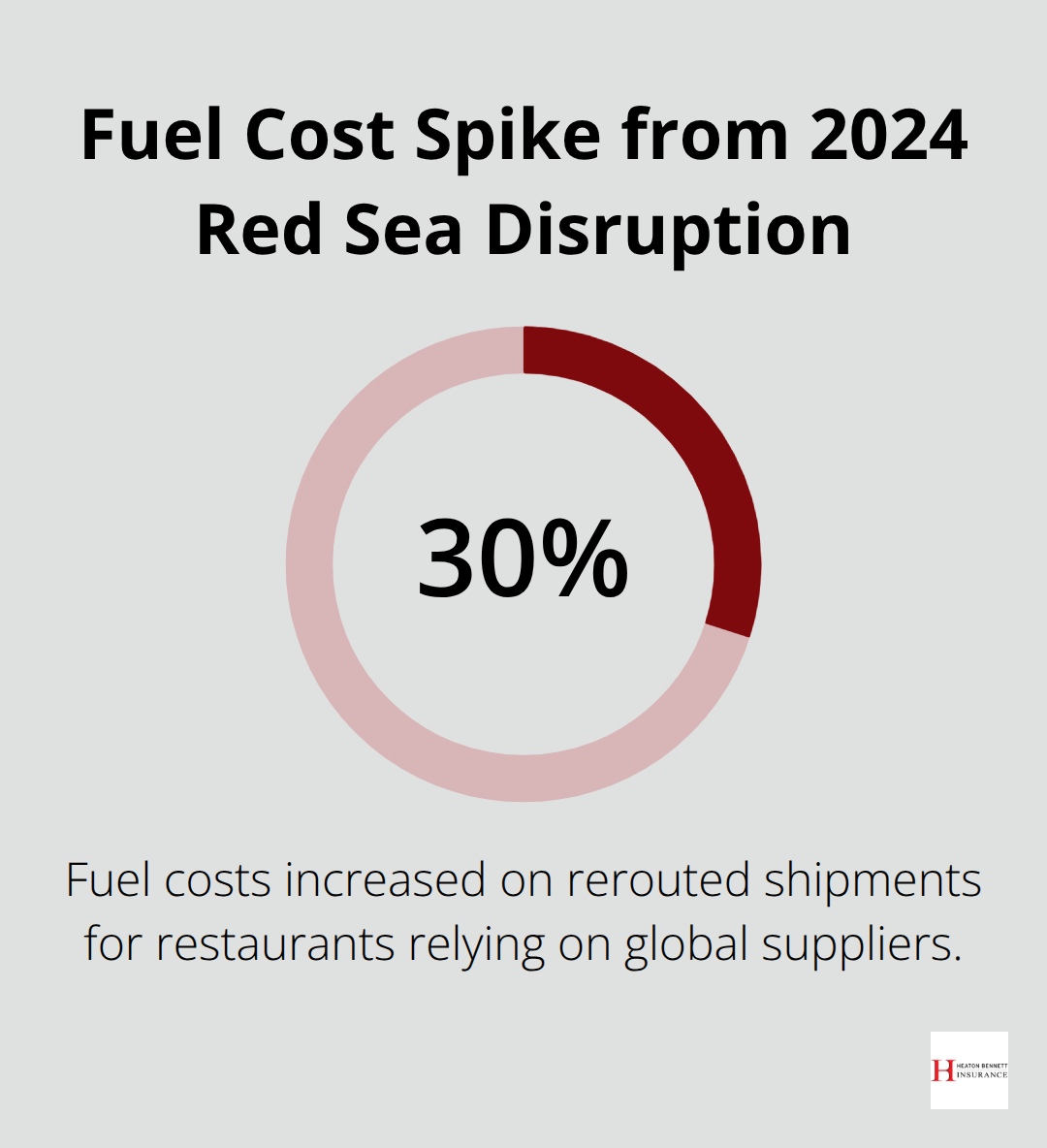
How Do You Choose the Right Annuity

Your financial advisor’s credentials matter more than their sales pitch when you select annuities. Work only with advisors who hold proper insurance licenses and can demonstrate experience with multiple annuity providers. The National Association of Insurance Commissioners reports that consumers who compare offers from at least three different insurers secure better terms and lower fees. Request specific fee breakdowns in written form, which should include surrender charges, annual management fees, and any rider costs before you make decisions.

Financial Strength Ratings Determine Safety

Insurance company ratings from AM Best, Moody’s, and Standard & Poor’s directly impact your annuity’s safety over decades. Never purchase from companies rated below A- by AM Best, as lower-rated insurers face higher bankruptcy risks that could jeopardize your retirement income. State guarantee associations provide limited protection (typically capping coverage at $250,000 to $300,000 per person per company). You can reduce concentration risk while you maintain maximum protection when you spread large investments across multiple highly-rated insurers. Verify current ratings before you finalize any annuity purchase, as ratings can change based on market conditions.

Questions That Reveal Hidden Costs

Ask your provider to explain all fees in plain language, not industry jargon. Variable annuities often hide mortality and expense charges that exceed 1.5% annually on top of management fees. Request a complete illustration that shows how fees will impact your account value over 10, 15, and 20 years. Many providers quote attractive teaser rates that reset to lower levels after the first year, so demand details about rate guarantees and renewal terms.

Avoid These Purchase Mistakes

The biggest mistake retirees make involves purchasing annuities without they understand surrender periods and withdrawal restrictions. Most contracts lock your money for 7-10 years with penalties that range from 5% to 10% for early access. Calculate your emergency fund needs before you commit, as annuities should represent no more than 30% of your total retirement assets.

Compact list of five common annuity buying mistakes U.S. retirees should avoid. - annuity basics

High-fee variable annuities destroy wealth through annual charges that exceed 3%, which compound over time and reduce your account value significantly. Fixed annuities currently offering rates below 3% fail to keep pace with inflation and should be avoided in favor of higher-yielding alternatives (especially when inflation runs above 3% annually). Remember that how much you contribute directly determines your monthly payments from the insurance company.

Final Thoughts

Annuity basics show these products work best for retirees who value guaranteed income over maximum growth potential. The 64% of Americans who fear they will outlive their money more than death find real value in lifetime income guarantees that annuities provide. Fixed annuities currently offer 3% to 4% guaranteed returns that beat savings accounts while they protect principal from market volatility.

Variable annuities suit retirees who feel comfortable with market exposure and want tax-deferred growth combined with income guarantees. However, their 2% to 3% annual fees can reduce long-term returns significantly. You should avoid annuities if you need frequent access to your money or cannot afford to lock funds away for 7-10 years due to surrender charges (especially if high-fee products exceed 3% annually).

Start your annuity research when you compare offers from at least three A-rated insurance companies. Focus on companies that AM Best rates A- or higher to protect against insurer bankruptcy risks. We at Heaton Bennett Insurance help Austin residents navigate complex insurance decisions through our independent agency that provides access to multiple carriers.

How to Choose Dental Insurance for Small Businesses?

Small business owners face mounting pressure to attract and retain quality employees in today’s competitive job market. Dental insurance for small business has become a key differentiator that can make or break hiring decisions.

At Heaton Bennett Insurance, we see firsthand how the right dental coverage transforms employee satisfaction while managing costs effectively. The challenge lies in navigating dozens of plan options without overspending or under-delivering on benefits.

Which Dental Plan Type Works Best for Small Businesses

Small businesses have three main dental insurance options, and the choice dramatically impacts both costs and employee satisfaction. Preferred Provider Organization plans offer the most flexibility and allow employees to visit any dentist while they provide maximum savings with in-network providers. The National Association of Dental Plans reports that PPO plans dominate the market because they balance choice with cost control effectively. Health Maintenance Organization plans require employees to select a primary dentist from a restricted network and deliver premiums that run 40-60% lower than PPO options but limit provider choice significantly. Indemnity plans provide unlimited dentist selection but come with the highest premiums and complex reimbursement processes that frustrate both employers and employees.

Coverage Structures That Actually Matter

Most dental plans follow a standard coverage structure: preventive care at 100%, basic procedures like fillings at 80%, and major work such as crowns at 50%. Annual maximums typically range from $1,000 to $2,500 per employee, with MetLife’s Employee Benefit Trends Study showing that 72% of small business employees consider dental insurance essential. Smart employers focus on plans with robust preventive coverage since the American Dental Association reports that individuals with dental coverage visit dentists twice as often as those without coverage.

Pie chart showing 72% of small business employees consider dental insurance essential

Coverage waiting periods vary significantly, with some plans that offer immediate preventive care while others impose 6-12 month delays for major procedures.

Network Decisions Drive Real Costs

Network strength determines actual employee costs more than premium prices do. Plans with extensive local networks reduce out-of-pocket expenses by 30-50% compared to limited networks. Verify that preferred local dentists participate in the network before you sign contracts, as network directories often contain outdated information. Out-of-network benefits typically reimburse at lower rates and require employees to pay providers directly before they seek reimbursement (which creates cash flow challenges that reduce plan satisfaction).

Premium Costs and Budget Reality

Small businesses typically pay between $8.94 to $13.90 monthly for group dental insurance per employee. Employers commonly cover 50-100% of employee-only premiums while employees pay for dependent coverage through payroll deductions. The average dental insurance premium reaches around $360 per year per employee according to the National Association of Dental Plans. These costs become tax-deductible business expenses that provide immediate financial advantages for small businesses.

Once you understand these fundamental plan structures and costs, the next step involves evaluating specific factors that will determine which option aligns best with your business goals and employee needs.

What Factors Actually Drive Your Dental Plan Decision

Budget realities demand brutal honesty about what your business can afford versus what employees expect. Small businesses with fewer than 25 employees who earn under $50,000 annually qualify for tax credits that cover up to 50% of dental premiums, which makes coverage significantly more affordable than most owners realize. The Harvard Business Review found that over 80% of employees prefer better benefits over pay raises, which means you invest $200-400 annually per employee in dental coverage and often deliver better retention results than equivalent salary increases.

Hub and spoke chart showing tax benefits for small businesses offering dental insurance - dental insurance small business

Calculate total costs and include administrative time, as complex plans that require pre-authorizations and manual claims processing can consume 2-3 hours monthly of HR resources.

Employee Demographics Shape Plan Selection

Age and family status of your workforce determines which coverage elements matter most. Businesses with younger employees should prioritize orthodontic coverage since 25% of orthodontic patients are adults, while companies with older workers benefit from enhanced coverage for crowns and periodontal treatment. The National Institute of Dental and Craniofacial Research reports that adults lose over 164 million work hours annually due to dental diseases, which makes preventive coverage non-negotiable regardless of demographics. Survey employees directly about their current dental needs and preferred providers before you select plans, as assumptions about employee preferences prove wrong 60% of the time (according to LIMRA research).

Customization Options That Actually Matter

Voluntary dental benefits allow employees to purchase additional coverage through payroll deductions without employer contributions, which gives budget-conscious businesses flexibility while they meet diverse employee needs. Plans that offer multiple coverage tiers let employees choose between basic preventive-only options and comprehensive coverage that includes major procedures. Dual-choice strategies work exceptionally well, with companies that offer both HMO and PPO options and see 15-20% higher employee satisfaction rates than single-plan approaches. Administrative platforms that integrate with existing payroll systems reduce implementation headaches and ongoing management costs significantly.

Tax Benefits and Financial Advantages

Small businesses gain immediate tax advantages when they provide dental coverage as premiums qualify as tax-deductible business expenses. Companies with fewer than 25 full-time employees who earn less than $50,000 annually may qualify for additional tax credits that cover dental premiums (making the actual cost substantially lower than advertised rates). These financial incentives often make dental coverage cost-neutral when you factor in reduced turnover expenses and improved employee productivity.

With these key factors clearly defined, you need to evaluate specific providers and compare their offerings to find the plan that delivers the best value for your unique business situation.
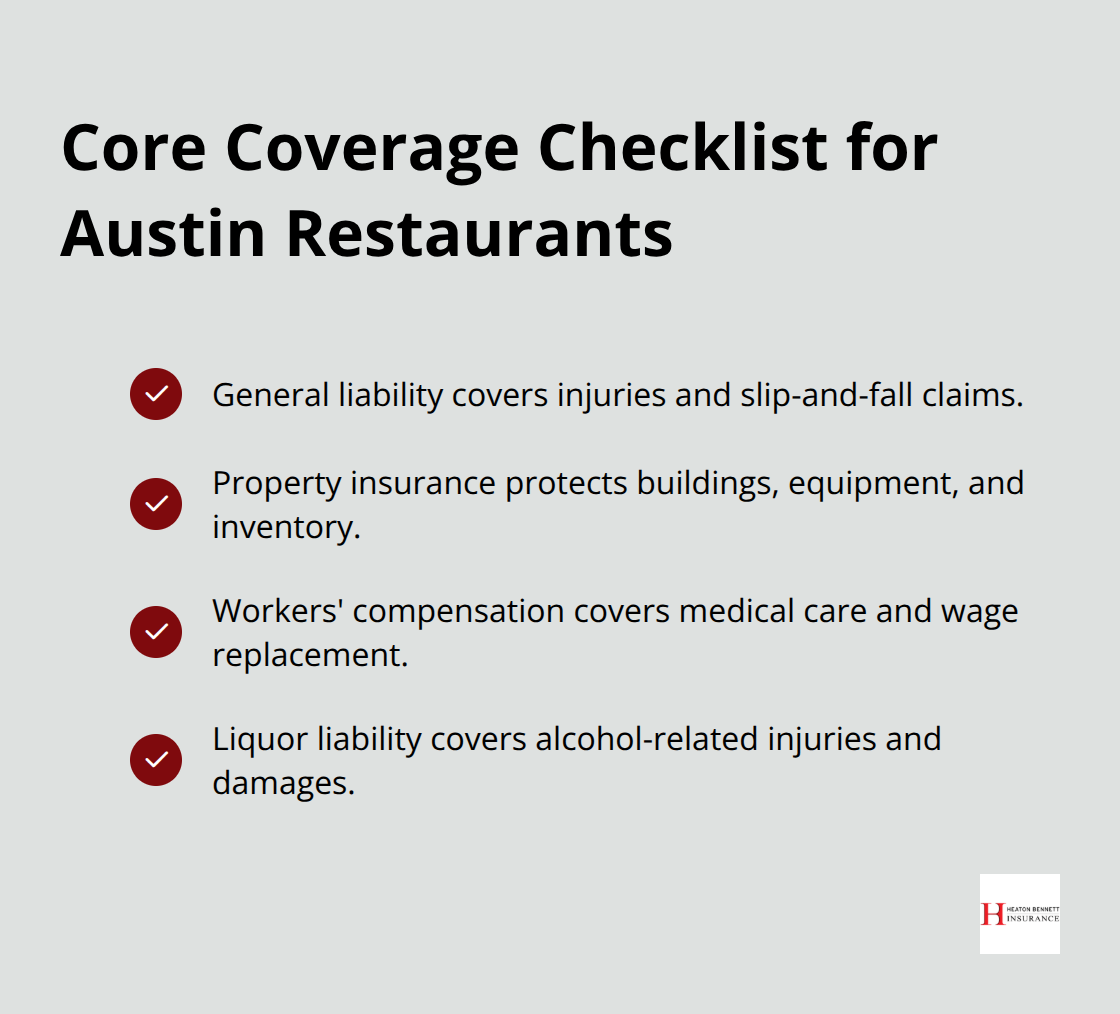
How Do You Compare Dental Insurance Providers Effectively

Provider network strength determines whether employees actually save money or face surprise bills at every dental visit. Delta Dental maintains the largest network with over 156,000 dentists nationwide, while regional carriers often provide better rates but limit provider choices to specific geographic areas. Request current provider directories directly from insurance companies rather than trust online searches, as network lists change monthly and outdated information leads to coverage disputes. Call three to five dental offices your employees currently visit to verify participation status and confirm whether they accept new patients under specific plans. The National Association of Dental Plans reports that employees who use out-of-network providers pay 35-50% more in out-of-pocket costs, which transforms affordable premiums into expensive reality.

Chart showing 35-50% higher out-of-pocket costs for out-of-network dental care - dental insurance small business

Coverage Exclusions That Destroy Budgets

Standard exclusions include cosmetic procedures, implants, and pre-existing conditions, but hidden limitations cause the most financial damage. Many plans exclude coverage for procedures that start before the effective date, even if treatment continues for months after enrollment begins. Wait periods vary dramatically between providers, with some plans that cover cleanings immediately while others impose 12-month delays for major procedures like root canals and crowns. Maximum annual benefits cap at $1,000-$2,500 per person, but lifetime orthodontic maximums often reach only $1,500 for adults compared to $2,000 for children under most plans. Missing tooth clauses exclude coverage for teeth lost before enrollment (which affects 25% of adults over 35 according to American Dental Association data). Request detailed benefit summaries that specify exact wait periods, annual maximums, and exclusion lists before you make final decisions.

Deductible Structures That Actually Work

Family deductibles operate differently across providers and dramatically impact total costs. Some plans require each family member to meet individual deductibles before coverage begins, while others apply family maximums that activate after two or three members reach their limits. PPO plans typically impose $50-$100 individual deductibles for basic and major services, while HMO plans often eliminate deductibles entirely but restrict provider choices. Coinsurance percentages remain consistent at 80% for basic procedures and 50% for major work, but reimbursement calculations vary between usual and customary rates versus contracted fee schedules. Plans that use contracted fee schedules provide predictable costs, while usual and customary rate plans create variable expenses that employees cannot budget accurately.

Claims Processing Speed and Efficiency

Electronic claims submission reduces payment delays from 4-6 weeks to 7-10 business days for most procedures. Providers with integrated digital platforms allow dentists to verify benefits instantly and submit pre-treatment estimates that prevent surprise costs. Some carriers still require paper forms and manual processing (which creates frustration for both employees and dental offices). Check whether providers offer mobile apps that let employees track claims status and view benefit usage in real-time. Administrative burden varies significantly, with some plans that require pre-authorization for basic procedures while others streamline approval processes through automated systems. Request quotes from at least five carriers to generate maximum savings and compare processing efficiency across multiple providers.

Final Thoughts

Small businesses must balance network strength, coverage structure, and total costs when they select dental insurance. PPO plans provide flexibility while HMO options cut premiums by 40-60%. Verify that employees’ preferred dentists participate in the network before you sign any contracts.

Start implementation with employee surveys and request quotes from five carriers. Compare annual maximums, wait periods, and exclusion lists with precision. Electronic claims processing cuts payment delays from weeks to days and boosts employee satisfaction dramatically.

Companies with dental insurance small business coverage report 67% fewer sick days related to oral health issues (while employees with coverage visit dentists twice as often for preventive care). Tax deductible premiums and potential credits for qualifying small businesses create financial advantages. We at Heaton Bennett Insurance help Austin businesses navigate these complex decisions and provide access to multiple carriers that match your workforce needs with effective dental insurance solutions.