

Commercial Insurance: Meaning and Importance for Businesses
At Heaton Bennett Insurance, we understand the critical role commercial insurance plays in safeguarding businesses.
Commercial insurance meaning encompasses a range of policies designed to protect companies from various risks and liabilities.
This blog post will explore the types of commercial insurance, their benefits, and why they’re essential for businesses of all sizes.
What Is Commercial Insurance?
The Foundation of Business Protection
Commercial insurance forms the bedrock of financial security for businesses. It consists of a suite of policies designed to shield companies from potential losses due to unexpected events, legal liabilities, and property damage. This comprehensive protection allows businesses to operate with confidence, knowing they have a safety net in place.
The Broad Spectrum of Commercial Coverage
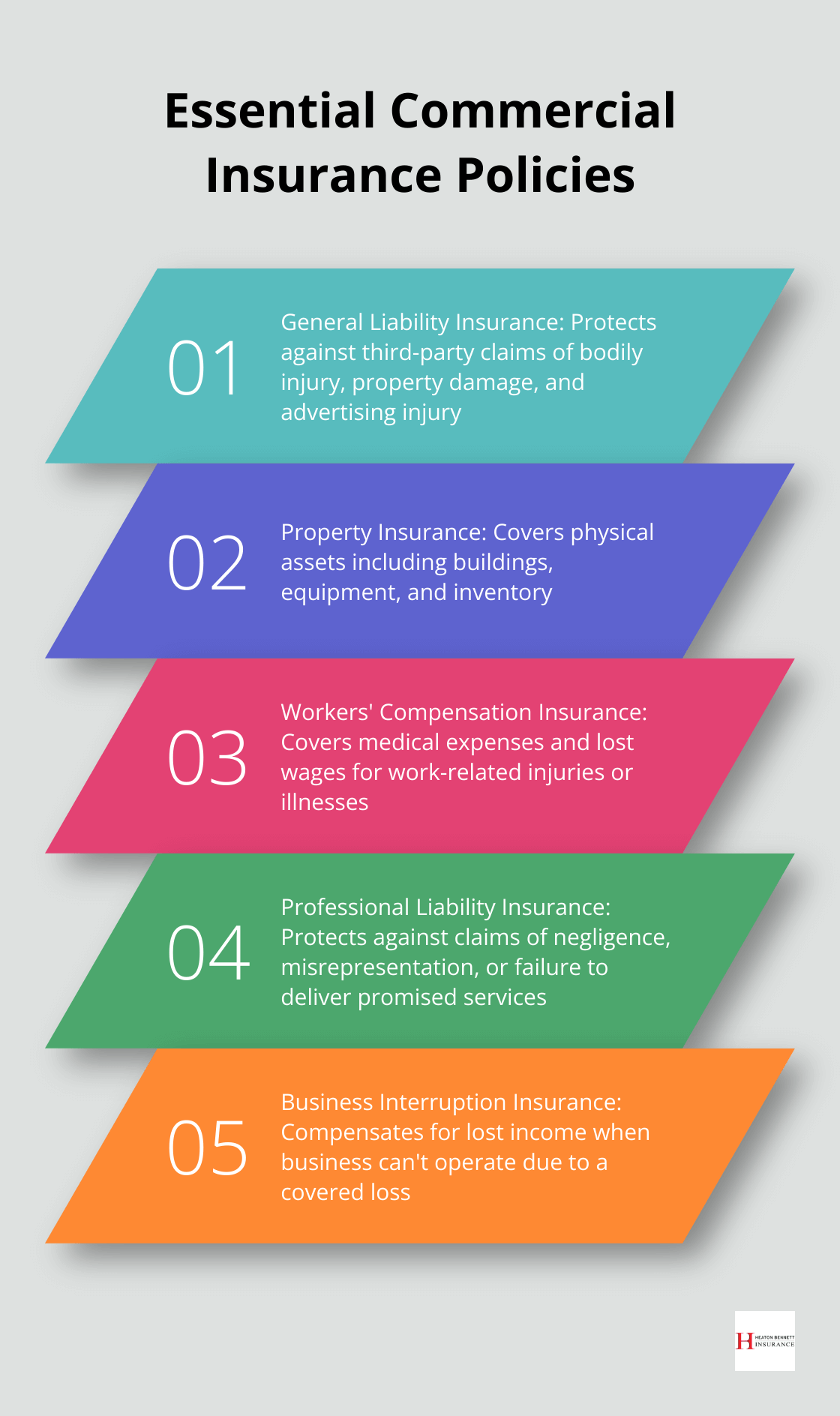
Commercial insurance encompasses a wide array of risks. General liability insurance safeguards companies from third-party claims of bodily injury or property damage. Property insurance protects a business’s physical assets, including buildings, equipment, and inventory. Workers’ compensation insurance covers employee injuries or illnesses that occur on the job.
The Insurance Information Institute reports that nearly 75% of small businesses will face a property loss within the next decade. This statistic underscores the necessity of robust commercial coverage for businesses of all sizes.

Distinguishing Personal from Commercial Insurance
While personal insurance protects individuals and their assets, commercial insurance caters specifically to business needs. The primary distinction lies in the scale and complexity of risks covered. For example, a standard homeowner’s policy won’t cover business-related claims, even for home-based enterprises. Commercial policies typically feature higher liability limits to match the potential risks businesses encounter.
Customizing Coverage for Unique Business Needs
Every business has its own set of risks and challenges, which necessitates a tailored approach to insurance. A construction company might require higher general liability limits due to the nature of their work, while a tech startup might prioritize cyber liability coverage. Insurance agencies (like Heaton Bennett Insurance) often conduct thorough risk assessments to ensure each business receives the appropriate mix of coverage.
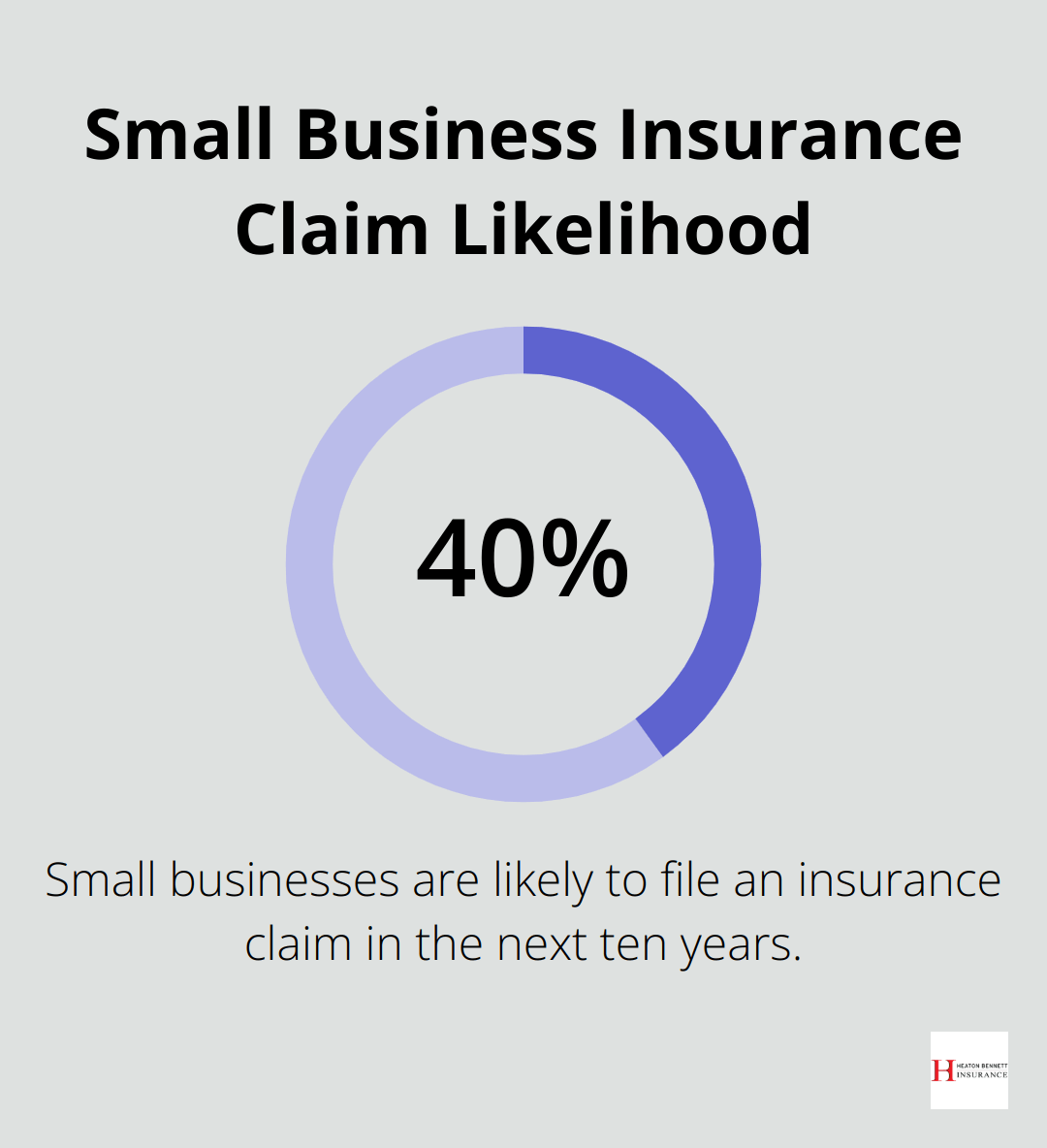
The Small Business Administration reveals that 40% of small businesses are likely to file an insurance claim in the next ten years. This statistic highlights the importance of not just having insurance, but having the right insurance. Working with an experienced agency can help businesses navigate these complex choices and secure comprehensive protection.
As we move forward, let’s explore the key benefits that commercial insurance provides to businesses, further illustrating why it’s an indispensable asset for companies of all sizes.
Why Commercial Insurance Matters
Financial Protection: A Business Lifeline
Commercial insurance acts as a crucial financial shield for businesses. The Insurance Information Institute reports that a typical slip-and-fall claim costs $20,000 on average. Without adequate coverage, such an incident could cripple a small business. Robust insurance policies absorb these financial impacts, allowing companies to maintain operations without depleting their resources.
Legal Compliance and Contractual Requirements
Many states mandate specific types of insurance for businesses. Workers’ compensation insurance, for instance, is compulsory in most states for companies with employees. Non-compliance can result in severe penalties (including hefty fines or even criminal charges). Moreover, numerous client contracts and lease agreements stipulate particular insurance requirements. Comprehensive coverage not only satisfies these legal and contractual obligations but often surpasses them, protecting businesses from potential lawsuits and contract violations.
Enhancing Business Credibility
A well-structured commercial insurance portfolio signals financial stability and responsible business practices to clients, partners, and employees. The National Association of Insurance Commissioners found that 71% of consumers prefer to purchase from adequately insured businesses. This increased trust can translate into more contracts, stronger partnerships, and an improved market position.
Empowering Business Growth
Commercial insurance doesn’t just protect; it empowers businesses to take calculated risks and seize opportunities. With proper coverage, companies can confidently expand operations, enter new markets, and innovate without constant fear of financial setbacks. This security allows businesses to focus on growth and development rather than potential risks.
Tailored Protection for Unique Needs
Every business faces distinct challenges and risks. A construction company might require higher general liability limits due to the nature of its work, while a tech startup might prioritize cyber liability coverage. Professional insurance agencies conduct thorough risk assessments to ensure each business receives an appropriate mix of coverage tailored to their specific needs.
As we explore the various types of commercial insurance policies in the next section, you’ll gain a deeper understanding of how these coverages work together to create a comprehensive shield for your business.
Essential Commercial Insurance Policies
Commercial insurance presents a complex landscape, but understanding the core policies can significantly impact your business’s protection strategy. Let’s explore the most critical types of commercial insurance that every business owner should consider.
General Liability Insurance: Your First Line of Defense
General liability insurance forms the foundation of any solid commercial insurance portfolio. This policy protects your business from third-party claims of bodily injury, property damage, and advertising injury. The Insurance Information Institute reports that the average cost of a slip-and-fall claim is $20,000. Without general liability coverage, such an incident could severely impact your business’s financial health.
Property Insurance: Safeguarding Your Physical Assets
Property insurance covers your business’s physical assets (including buildings, equipment, and inventory). The National Fire Protection Association reports that a structure fire occurs in the U.S. every 64 seconds. With property insurance, you receive protection against losses from fire, theft, and certain natural disasters. It’s important to regularly reassess the value of your assets to ensure adequate coverage, especially during inflationary periods.
Workers’ Compensation Insurance: A Legal Requirement
Workers’ compensation insurance is mandatory in most states for businesses with employees. This policy covers medical expenses and a portion of lost wages for employees who sustain injuries or become ill due to their job. The National Safety Council reports that a worker sustains an injury on the job every 7 seconds. Beyond legal compliance, workers’ compensation protects your business from potentially costly lawsuits and helps maintain employee morale.
Professional Liability Insurance: Protection Against Errors
Also known as errors and omissions insurance, professional liability insurance is essential for service-based businesses. It protects against claims of negligence, misrepresentation, or failure to deliver promised services. The American Bar Association notes that 5-6% of all professionals face a malpractice claim each year. This policy can cover legal defense costs and settlements, which can easily reach six figures.
Business Interruption Insurance: Maintaining Operations
Business interruption insurance compensates for lost income when your business can’t operate due to a covered loss. The Insurance Information Institute found that 40% of businesses never reopen after a disaster. This coverage can make the difference between weathering a storm and closing your doors permanently. It’s particularly valuable for businesses with high fixed costs or those in areas prone to natural disasters.
Final Thoughts
Commercial insurance forms the cornerstone of business protection, shielding companies from risks that could jeopardize their operations and financial stability. The meaning of commercial insurance extends beyond financial safeguarding; it represents a commitment to responsible business practices, legal compliance, and long-term sustainability. Businesses should conduct thorough risk assessments, consider industry-specific challenges, and work with experienced professionals to tailor policies to their unique needs.
At Heaton Bennett Insurance, we understand the complexities of commercial insurance and its vital role in business success. Our team specializes in crafting comprehensive insurance solutions that address the specific needs of businesses in Austin and beyond. We use our relationships with multiple carriers to find suitable and cost-effective coverage options for our clients.
Don’t leave your business’s future to chance. Secure your company’s financial well-being with a customized commercial insurance plan from Heaton Bennett Insurance. Our dedicated team will guide you through the process, ensuring you have the peace of mind to focus on growing your business.

