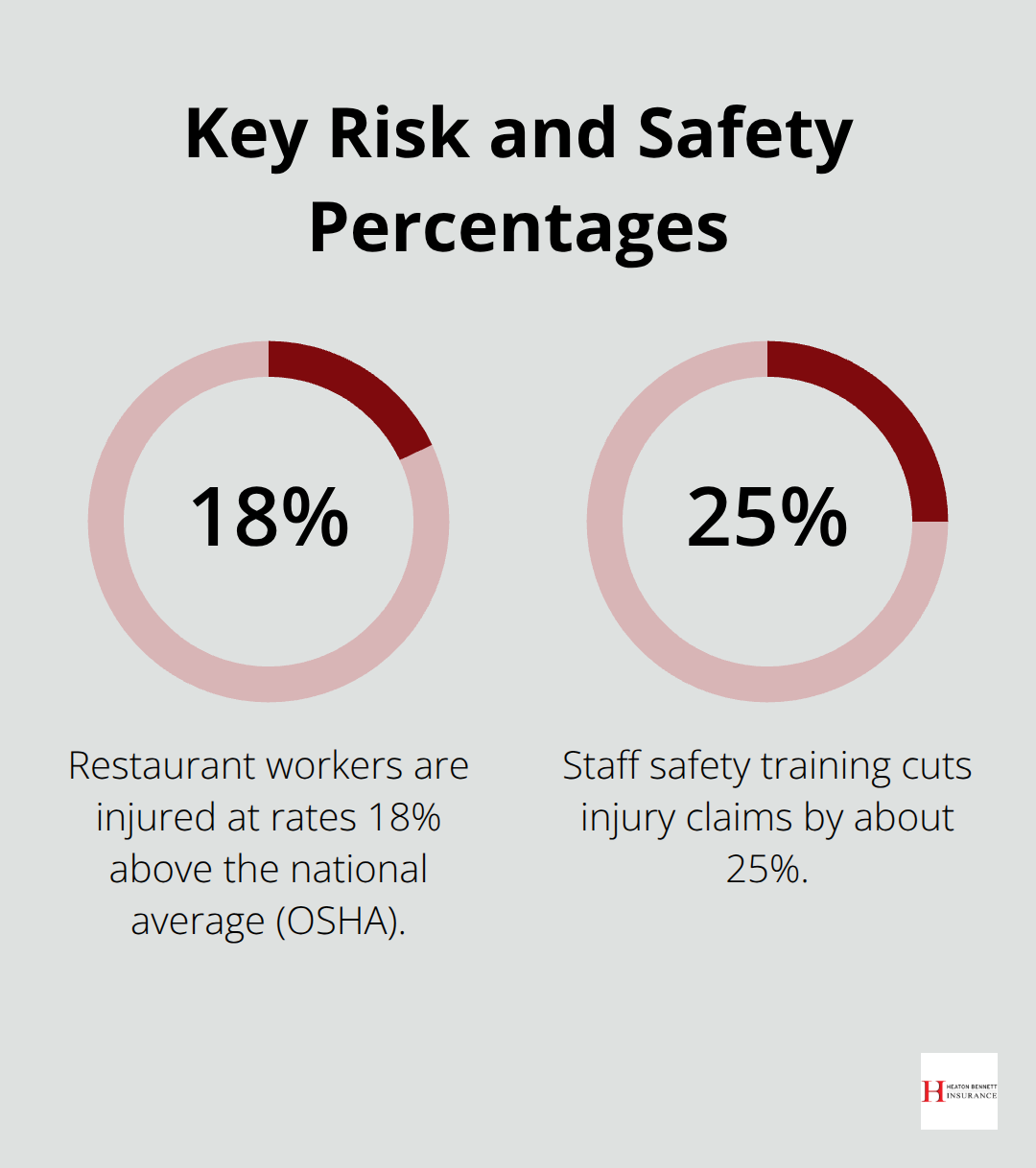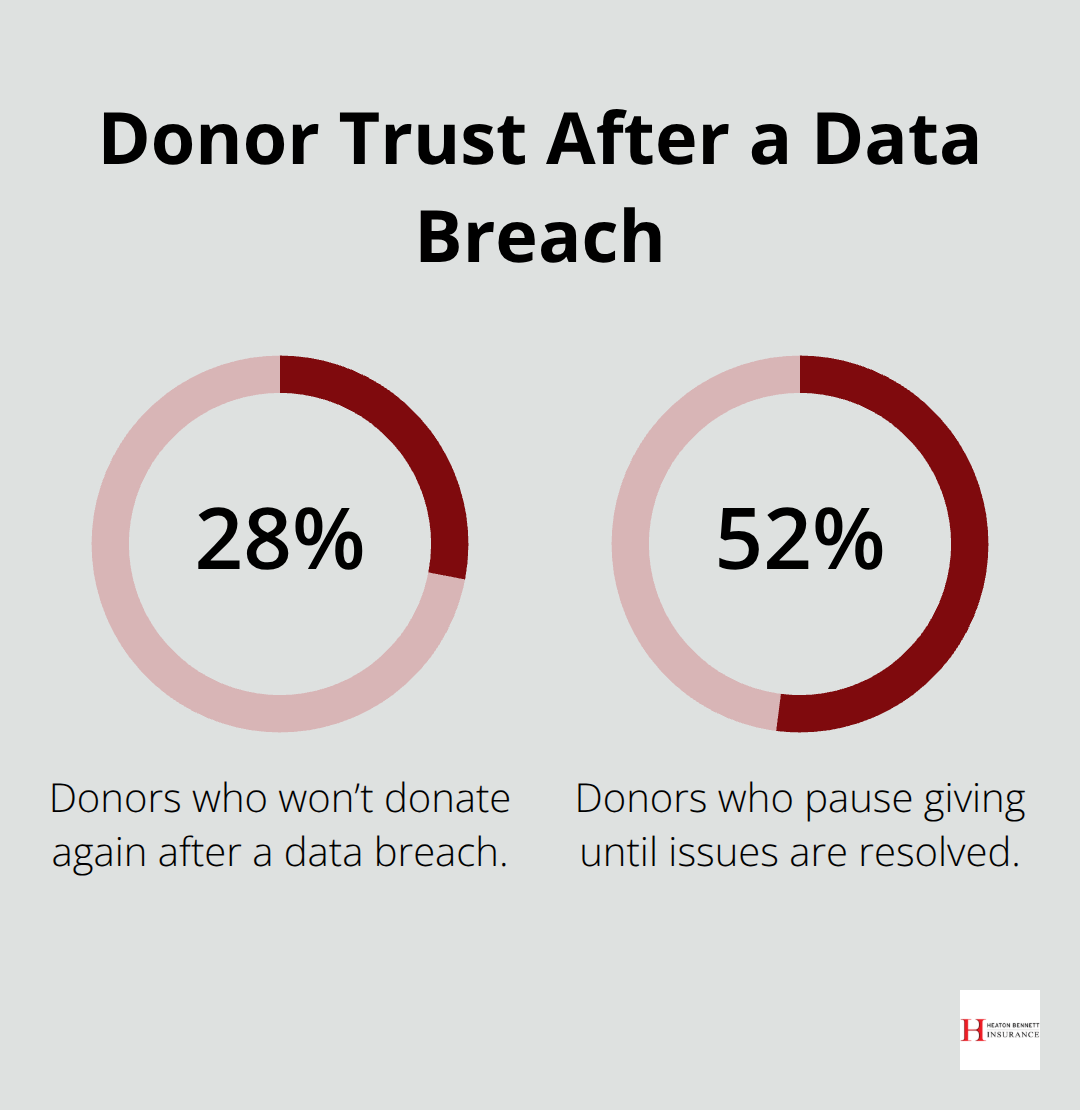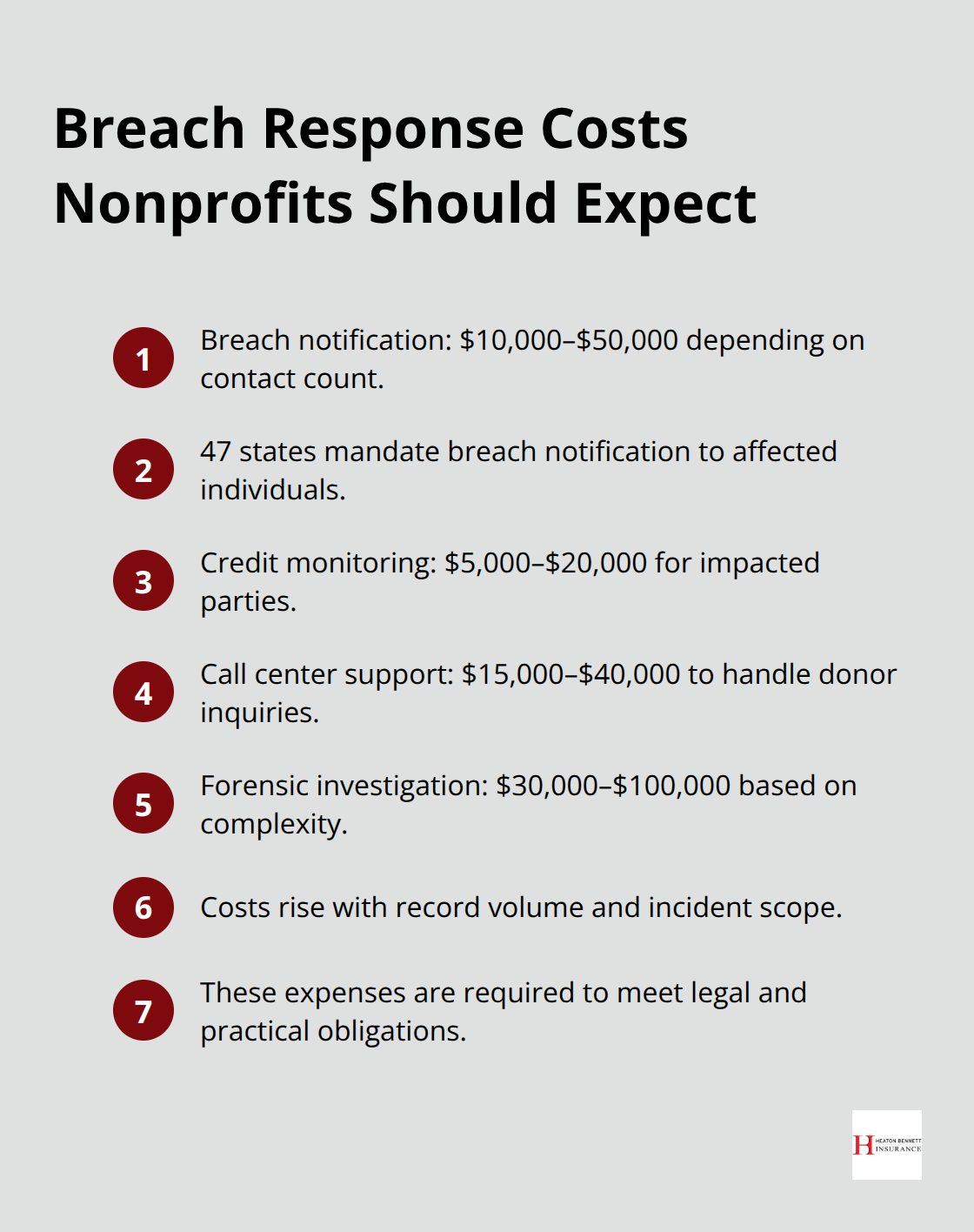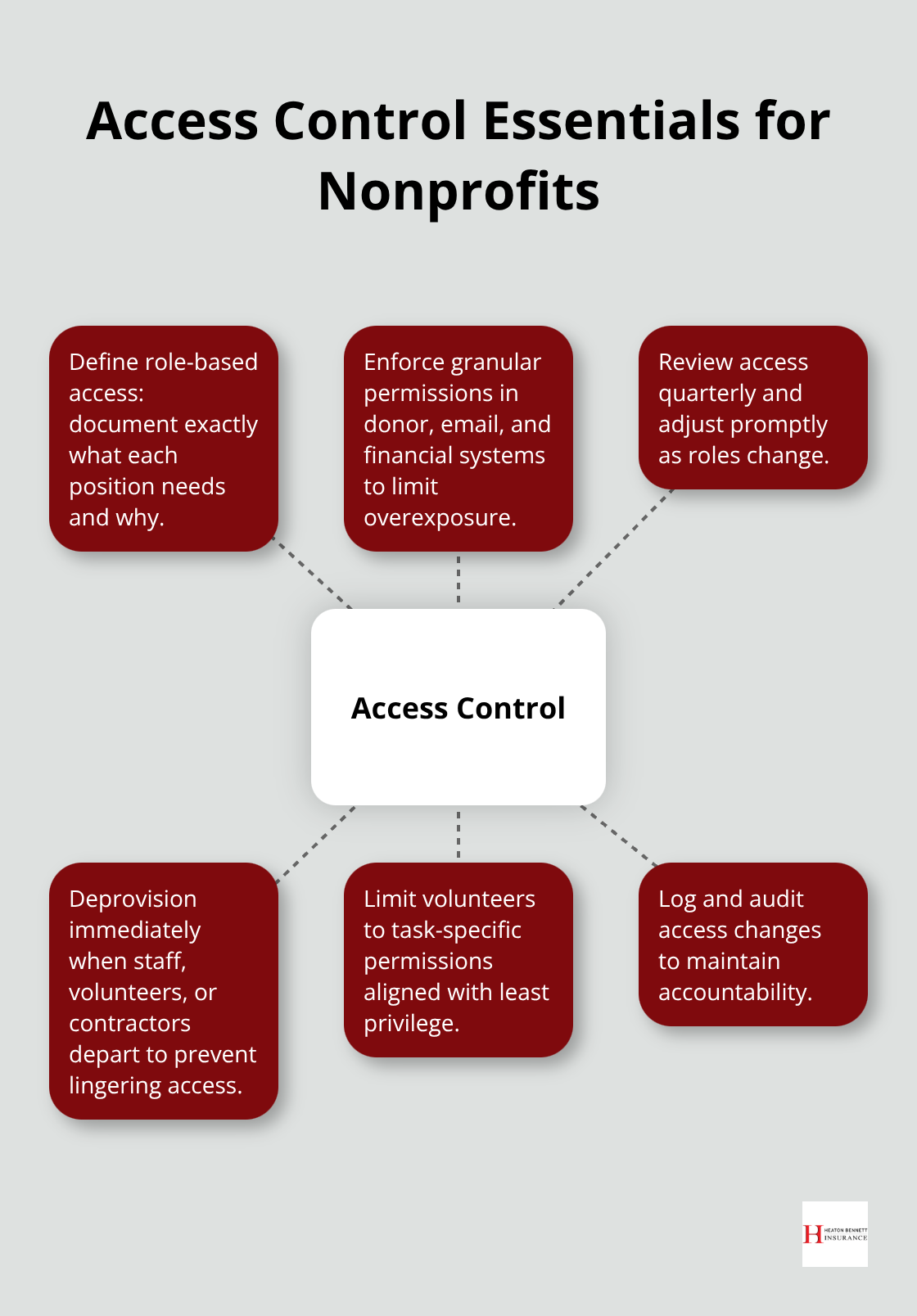

How to Choose Small Business Medical Insurance for Staff

Small business medical insurance for employees represents one of the most significant decisions you’ll make as an employer. The right plan attracts top talent while managing costs effectively.

We at Heaton Bennett Insurance understand that navigating healthcare options can feel overwhelming. This guide breaks down the selection process into manageable steps, helping you make informed decisions for your team.

Understanding Small Business Medical Insurance Requirements

Small businesses face different medical insurance obligations based on their size and structure. Companies with fewer than 50 full-time equivalent employees have no federal mandate to provide health coverage under the Affordable Care Act. However, businesses that reach 50 or more full-time employees must offer health insurance that meets specific standards or face penalties of $2,880 per employee annually (according to 2024 IRS guidelines).

ACA Compliance Thresholds Create Clear Boundaries

The 50-employee threshold calculation includes full-time workers plus full-time equivalents based on part-time hours. Companies that cross this line face the employer shared responsibility payment if they fail to offer coverage. The penalty structure operates on two levels: $2,880 per full-time employee when no coverage exists, or up to $4,320 per employee who receives marketplace premium tax credits when employer coverage proves inadequate.

Summary of ACA 50-employee threshold and penalty structure for small businesses - small business medical insurance for employees

State Requirements Add Complexity

State requirements vary significantly across the country. Some states impose additional mandates on smaller employers beyond federal requirements. California requires businesses with five or more employees to provide workers’ compensation coverage. Hawaii mandates health insurance for employees who work more than 20 hours per week. These state-level variations make compliance research essential before you select any plan.

Tax Advantages Reduce Real Costs

Small businesses that qualify for the Small Business Health Care Tax Credit receive up to 50% of premiums paid back as credits. Eligibility requires fewer than 25 full-time equivalent employees with average wages below $64,000 annually. The JPMorgan Chase Institute reports that health insurance represents approximately 4% of operating expenses for nonemployer firms as of 2023. Premium payments qualify as business deductions and reduce taxable income dollar-for-dollar.

Health Savings Account contributions and Health Reimbursement Arrangements provide additional tax-advantaged options for both employers and employees. These benefits create a foundation for smart plan selection, which requires careful evaluation of different insurance plan types and their specific features.

Key Factors When Selecting Medical Insurance Plans

The three dominant plan types each serve different business priorities, and your choice determines both cost structure and employee satisfaction levels. HMO plans cost approximately 10-15% less than PPO alternatives according to the Kaiser Family Foundation, but restrict employees to specific provider networks and require primary care physician referrals for specialist visits. PPO plans offer broader provider access and no referral requirements, which makes them attractive to employees who value flexibility over cost savings. High-deductible health plans paired with Health Savings Accounts create the lowest premium costs but shift more financial responsibility to employees through deductibles that typically range from $1,500 for individuals to $3,000 for families in 2024.

Network Size Determines Employee Access

Provider network evaluation requires specific data rather than general promises. Blue Cross Blue Shield operates the largest network with over 2.2 million providers nationwide, while UnitedHealthcare serves more than 1.8 million physicians and 5,600 hospitals. Network adequacy becomes critical when your workforce spans multiple geographic areas or includes employees with established doctor relationships. Small businesses should verify that networks include specialists relevant to their employee demographics, particularly for chronic conditions like diabetes or heart disease that affect workforce productivity.

Hub-and-spoke view of key factors in assessing provider networks for small businesses

The JPMorgan Chase Institute found that businesses with stronger provider networks experience 15% lower employee turnover rates related to benefit dissatisfaction.

Premium Structure Reveals True Costs

Premium analysis must account for the complete cost picture beyond monthly payments. Family coverage averages $605 monthly before tax credits, but employer contributions typically range from 50% to 100% of total costs. Businesses under $600,000 in annual revenue face median health insurance payroll burdens of 11.7% according to JPMorgan Chase Institute data. Smart employers calculate total annual costs (including deductibles, copayments, and out-of-pocket maximums) to understand real employee expenses. Plans with $500 monthly premiums but $5,000 deductibles often cost employees more than $750 premium plans with $2,000 deductibles when medical utilization occurs.

Coverage Areas Impact Employee Satisfaction

Geographic coverage becomes particularly important for businesses with remote workers or multiple locations. National carriers like UnitedHealthcare and Blue Cross Blue Shield provide consistent coverage across state lines, while regional insurers may offer better rates but limited geographic reach. Employees who travel frequently for business need plans that maintain coverage quality outside their home state. The average monthly premium for individual coverage reached $605 in 2023, but regional variations can create 20-30% cost differences between metropolitan and rural areas. Group health insurance premiums are paid with pre-tax dollars, which helps reduce overall payroll tax burden for employers.

Once you understand these plan fundamentals, the next step involves creating a smooth implementation process that gets employees enrolled efficiently while maximizing their understanding of available benefits.

Implementation and Employee Communication Strategies

Successful implementation begins 90-120 days before your desired start date, which allows sufficient time for carrier negotiations, employee education, and enrollment completion. The timeline depends heavily on your chosen effective date and carrier requirements. Most insurers require completed applications 30-45 days before coverage begins, but complex cases with medical underwriting can extend this timeline to 60 days. Small businesses that miss these deadlines often face delayed start dates or limited plan options, which creates gaps in coverage that expose both employer and employees to financial risk.

Employee Education Drives Enrollment Success

Effective communication requires multiple touchpoints rather than single announcement meetings. Research from the Society for Human Resource Management shows that employees need an average of seven exposures to benefit information before they make informed decisions. Host initial announcement meetings 60 days before enrollment, followed by individual consultation sessions 30 days later, and reminder communications weekly during the enrollment period.

Provide comparison charts that show actual dollar amounts for common medical scenarios like emergency room visits, prescription medications, and specialist consultations. Employees respond better to concrete examples than abstract benefit descriptions. For instance, show that a $50 urgent care copay costs less than a $200 emergency room visit for minor injuries. The 70% minimum participation rate required by most carriers makes thorough education essential for plan viability.

Key percentages affecting small-group health plan enrollment success - small business medical insurance for employees

Create simple decision trees that guide employees through plan selection based on their family size, preferred doctors, and typical medical usage patterns.

Open Enrollment Management Prevents Coverage Gaps

Annual open enrollment periods require systematic management to avoid administrative chaos and missed deadlines. Schedule enrollment meetings during work hours rather than lunch breaks to maximize attendance, as voluntary participation rates drop 25% when meetings occur during personal time. Use enrollment software that tracks completion status and sends automated reminders to employees who haven’t submitted forms.

The Kaiser Family Foundation reports that 71% of eligible employees at small firms enroll when offered comprehensive education and streamlined enrollment processes. Document all enrollment decisions with signed acknowledgment forms to protect against future disputes about coverage elections.

Plan Changes and Qualifying Events

Handle plan changes outside open enrollment only for qualifying life events like marriage, birth, or job status changes (as IRS regulations strictly limit mid-year modifications). Create backup communication methods including text messages and phone calls for employees who miss initial enrollment deadlines, since incomplete enrollments can disqualify entire groups from coverage.

Maintain detailed records of all qualifying events and their documentation requirements. Employees have 30 days from the qualifying event date to request coverage changes, and missing this window means they must wait until the next open enrollment period.

Final Thoughts

Small business medical insurance for employees requires you to balance multiple priorities: legal compliance, cost management, and employee satisfaction. The most successful employers focus on three essential criteria: understand your specific legal obligations based on company size, evaluate total cost structures beyond monthly premiums, and choose provider networks that serve your workforce effectively. Professional guidance becomes invaluable when you navigate the complex landscape of plan options, tax credits, and compliance requirements.

The JPMorgan Chase Institute data shows that businesses make informed decisions with expert support and achieve better cost outcomes and higher employee satisfaction rates. We at Heaton Bennett Insurance help Austin-area businesses find the right coverage solutions through our comprehensive approach to group benefits. Our independent agency status provides access to multiple carriers, which allows us to compare options and identify plans that match your specific needs and budget constraints.

Your next step involves three actions: gather employee demographic data, establish your budget parameters, and schedule consultations with qualified insurance professionals. Start this process 90-120 days before your desired effective date to allow sufficient time for thorough evaluation and smooth implementation (this timeline prevents coverage gaps and ensures proper plan selection). Contact Heaton Bennett Insurance to begin building a benefits package that attracts talent while managing costs effectively.

How to Insure Vacant Commercial Property

Empty commercial buildings face unique risks that standard policies often don’t cover. Property damage, vandalism, and liability claims can devastate unprepared owners.

We at Heaton Bennett Insurance see vacant commercial property insurance as essential protection during transition periods. The right coverage prevents financial disasters while your building awaits new tenants or buyers.

What Makes Vacant Property Insurance Different from Standard Coverage?

Commercial properties that sit empty for more than 60 days face insurance restrictions that catch most owners off guard. Standard commercial policies exclude or severely limit coverage once a building reaches 31% vacancy, which leaves owners exposed to significant financial losses. The Insurance Services Office defines vacant properties with this 31% threshold, and most insurers follow this guideline strictly. Office vacancy rates nationwide hit 18.2% in 2024 (a 30-year high), which means more property owners need specialized coverage than ever before.

Standard Policy Exclusions Create Major Gaps

Standard commercial insurance policies exclude vandalism, theft, and water damage coverage for vacant properties after 60 days. These exclusions exist because vacant properties experience theft incidents at rates 400% higher than occupied properties, while fire risks increase dramatically due to undetected electrical problems and arson attempts. Water damage claims from unnoticed leaks can reach six-figure amounts in vacant commercial spaces, yet standard policies won’t cover these losses.

Three key gaps in standard commercial insurance when a property becomes vacant. - vacant commercial property insurance

Property owners who don’t secure specialized vacant property insurance face personal liability for injuries on their premises, even from trespassers.

Security and Maintenance Requirements Transform Coverage Terms

Vacant property insurers demand specific security measures that standard policies don’t require. Motion-sensor lights, surveillance systems, and weekly property inspections become mandatory rather than optional. Properties without these measures face coverage denials or premium increases of 200-300%.

Hub-and-spoke diagram showing required security and maintenance conditions for vacant property insurance.

Florida properties need continuous air conditioning to prevent mold growth, while northern climates require winterization protocols to prevent pipe damage. These requirements aren’t suggestions – they’re policy conditions that void coverage when ignored.

Specialized Carriers Fill the Coverage Void

Most major insurance companies won’t cover properties deemed vacant, which significantly limits available options for property owners. Specialized carriers step in to fill this gap with policies designed specifically for empty commercial properties. These carriers understand the unique risks and offer coverage that standard insurers exclude (fire, vandalism, and limited water damage protection). A business umbrella policy can provide additional catastrophic loss protection for vacant commercial properties. The next step involves understanding exactly what types of coverage these specialized policies provide and how they protect your investment.

What Coverage Options Protect Vacant Commercial Properties?

Vacant commercial property insurance operates through three core coverage areas that address the elevated risks empty buildings face. Property coverage protects the building structure and any remaining contents against fire damage, which occurs 60% more frequently in vacant buildings according to National Fire Protection Association data. This coverage typically provides limits up to $5 million for the building structure, with separate limits for contents and debris removal. Vandalism protection becomes standard rather than excluded, covers graffiti removal, broken windows, and structural damage from break-ins that cost property owners an average of $15,000 per incident based on FBI property crime statistics.

Fire Protection Addresses the Highest Risk

Fire coverage for vacant properties includes protection against arson, which accounts for 14% of all structure fires in unoccupied commercial buildings according to the National Fire Protection Association. Specialized policies cover both intentional fires and accidental blazes from electrical malfunctions that go undetected in empty buildings. Water damage from firefighting efforts receives coverage up to specified limits, while smoke damage protection extends to HVAC systems and any remaining fixtures. Properties with active sprinkler systems monitored by fire departments receive premium discounts of 15-25% (making fire protection system maintenance a smart financial decision).

Liability Coverage Protects Against Unexpected Lawsuits

General liability coverage for vacant properties protects against injuries to trespassers, delivery personnel, and prospective tenants who enter the premises. This coverage typically provides $1 million limits per occurrence, addresses slip-and-fall accidents, falls from debris, and other premises liability claims that can reach six-figure settlements. Medical payments coverage handles immediate medical expenses regardless of fault, while personal injury protection covers claims related to wrongful eviction or discrimination during the vacancy period. Properties without adequate liability coverage face personal asset exposure when lawsuits exceed available coverage limits.

Business Interruption Insurance Provides Income Protection

Business interruption insurance offers financial relief during periods when vacant properties cannot generate rental income due to covered losses. This coverage pays for lost rental income and continuing expenses like mortgage payments, property taxes, and utilities while repairs take place. The coverage period typically extends from 12 to 24 months (depending on policy terms), which gives property owners time to complete repairs and find new tenants. Properties that maintain this coverage avoid cash flow problems that force distressed sales during extended vacancy periods.

Smart property owners who understand these coverage options need effective strategies to control their insurance costs while maintaining adequate protection. Commercial property insurance providers offer specialized policies designed specifically for vacant property insurance needs.

How Can You Cut Vacant Property Insurance Costs?

Property owners reduce vacant commercial insurance premiums by 30-50% through strategic security investments and proactive maintenance programs. Comprehensive surveillance systems with motion sensors and 24/7 monitoring cut premiums by an average of 25% according to commercial insurance data. Motion-activated exterior lights cost $2,000-5,000 to install but generate annual savings of $3,000-8,000 on insurance premiums for properties valued over $500,000. Smart alarm systems that notify local police departments immediately receive additional discounts of 10-15% from specialized carriers. Properties with professional security patrol services see premiums drop by another 20% because insurers view regular human oversight as the strongest deterrent against vandalism and theft.

Weekly Inspections Prevent Costly Claims

Regular property inspections prevent small problems from becoming expensive insurance claims that drive up future premiums. Weekly walkthroughs that document plumbing systems, electrical panels, and roof conditions catch issues before they cause water damage or fire hazards. Properties with documented inspection schedules receive premium credits of 15-20% from carriers who recognize proactive maintenance reduces claim frequency by 40%. Winterization protocols that include pipe insulation and heating system maintenance prevent freeze damage claims that average $25,000 per incident in northern climates. Air conditioning maintenance in humid climates like Florida prevents mold growth that can trigger claims exceeding $100,000 for commercial properties.

Specialized Carriers Offer Better Terms Than Standard Insurers

Direct work with carriers that focus exclusively on vacant properties generates savings of 25-40% compared to standard insurers who view empty buildings as high-risk accounts. These specialized carriers understand vacant property risks and price policies more competitively because they don’t need to subsidize losses from other coverage lines. Portfolio policies that cover multiple vacant properties under one policy reduce administrative costs and generate bulk discounts of 10-20%. Property owners who increase deductibles from $1,000 to $5,000 can reduce premiums by nearly 20% (provided they can handle higher out-of-pocket expenses during claims).

Professional Property Management Services Lower Risk Profiles

Property management companies that specialize in vacant buildings provide comprehensive oversight that insurers reward with premium discounts. These services include regular maintenance checks, emergency response protocols, and security coordination that reduce claim frequency by 35%. Professional management companies maintain relationships with local contractors who respond quickly to issues like roof leaks or broken windows before they escalate into major claims.

Percentage reductions from surveillance, security patrols, and professional management on vacant property insurance risk and cost. - vacant commercial property insurance

Properties under professional management receive preferential treatment from insurers because documented maintenance records and rapid response times demonstrate reduced risk exposure.

Final Thoughts

Property owners must act before standard policy exclusions take effect at 60 days of vacancy. Comprehensive security systems, weekly inspection schedules, and specialized carriers reduce insurance costs by 30-50% while they prevent devastating financial losses. Vacant commercial property insurance protects investments during transition periods when standard policies fail.

General agents often lack the expertise that empty buildings demand. We at Heaton Bennett Insurance connect property owners with specialized carriers who offer competitive rates and comprehensive coverage. Our independent agency status provides access to multiple vacant property insurers (which means better terms and pricing for your specific situation).

Proper vacant property coverage extends benefits far beyond premium costs. Properties with adequate insurance maintain their value during extended vacancies and avoid forced sales due to uninsured losses. Smart property owners recognize that vacant commercial property insurance represents protection rather than expense, safeguarding their investments until new opportunities emerge.

Annuities Explained The Ultimate Guide for Retirees [2025]

Retirement planning becomes more complex when you need guaranteed income that lasts your entire lifetime. Traditional savings accounts and investment portfolios can’t promise the security that many retirees desperately need.

We at Heaton Bennett Insurance believe understanding annuity basics is the first step toward building a rock-solid retirement income strategy. This comprehensive guide breaks down everything you need to know about annuities in 2025.

How Do Annuities Actually Work

An annuity creates a contract between you and an insurance company where you pay a lump sum or series of payments in exchange for guaranteed income payments later. The insurance company invests your money and promises to pay you back with interest according to your contract terms. This arrangement produces a predictable income stream that can last for a specific period or your entire lifetime.

The Three Main Annuity Categories

Fixed annuities guarantee a specific interest rate, typically from 2% to 4% annually in 2025. Your principal stays protected, and you know exactly how much income you’ll receive each month. Variable annuities tie your returns to market performance through investment subaccounts, which offer higher growth potential but provide no guarantees on returns.

Fixed indexed annuities link returns to market indexes like the S&P 500 while they protect your principal from losses. According to LIMRA, nearly 70% of annuity buyers prioritize lifetime income guarantees over growth potential when they make their purchase decisions.

Payment Calculation Methods

Insurance companies calculate your payments based on your age, gender, current interest rates, and your chosen payout option. A 65-year-old man who invests $100,000 in an immediate annuity might receive approximately $500-600 monthly for life in today’s interest rate environment. Women typically receive slightly lower payments due to longer life expectancy statistics.

Distribution Options Available

You can choose joint-life payouts that continue payments to your spouse after your death, or select period-certain options that guarantee payments for a specific timeframe (such as 10 or 20 years). Life-only payments maximize your monthly income but stop completely at death, which makes them suitable for single retirees without heirs to consider.

Quick reference list of common annuity payout choices and what they mean for retirees in the United States. - annuity basics

Surrender charges typically range from 5% to 10% in the first year and decline annually until they disappear after 7-10 years. These fees protect insurance companies from early withdrawals that could disrupt their investment strategies, but they also limit your access to funds during the surrender period.

Now that you understand how annuities function mechanically, you need to weigh their specific advantages against potential drawbacks for your retirement strategy.

Should You Buy an Annuity for Retirement

Annuities deliver the strongest advantage that most retirement products cannot match: guaranteed lifetime income that eliminates the fear of outliving your money. The Employee Benefit Research Institute found that retirees with annuities report significantly higher levels of financial security compared to those who rely solely on traditional investment portfolios.

Fixed annuities currently offer guaranteed returns of 2% to 4% annually, which beats savings account rates while they protect your principal from market crashes. Variable annuities provide tax-deferred growth that compounds without annual tax consequences until withdrawal, which allows your retirement funds to grow faster than taxable investments.

The Income Security Advantage

According to the American Council of Life Insurers, 25% of retirees already own annuities, and this percentage continues to climb as people recognize their income stability benefits. Nearly 64% of Americans worry more about running out of money in retirement than about death (according to Allianz research), which makes the guaranteed income feature particularly valuable.

Two key U.S. retirement statistics on annuity ownership and fears about outliving savings.

Variable annuities allow you to participate in market gains while they provide a safety net through minimum income guarantees. This combination appeals to retirees who want growth potential without complete market exposure.

The Hidden Cost Problem

Annuities carry substantial fees that can destroy your returns over time. Variable annuities typically charge 2% to 3% in annual fees, which include management expenses, mortality charges, and administrative costs. These fees compound annually and can reduce your account value by 30% to 40% over a 20-year retirement period.

Surrender charges present another major liquidity concern, as they range from 5% to 10% in early years and last up to a decade. Most annuities only allow 10% annual withdrawals without penalties, which severely limits access to your own money during emergencies.

Tax Implications You Must Consider

Non-qualified annuities offer tax deferral but create ordinary income tax rates on all growth when withdrawn, even if the underlying investments would qualify for capital gains treatment. This tax treatment can cost high earners an additional 15% to 20% compared to direct investment taxation.

Qualified annuities funded with IRA or 401k money provide no additional tax benefits since those accounts already grow tax-deferred. The Tax Cuts and Jobs Act maintains these tax structures through 2025, which makes current annuity tax planning strategies reliable for near-term retirement decisions.

When Market Conditions Matter

The current interest rate environment influences annuity returns significantly, with higher rates providing a larger safety cushion for insurance companies. Low interest rates may force insurers to take on more risk to achieve adequate returns, which impacts the safety margin of annuities.

Inflation presents a long-term threat to annuity safety, as fixed payments can lose purchasing power over time. Annuities with inflation protection or cost-of-living adjustments may provide better long-term value, even if they start with lower initial payments.

These factors make the selection process more complex than simply choosing between annuity types, which leads us to examine the specific criteria you should evaluate when choosing the right annuity for your situation.
How Do You Choose the Right Annuity

Your financial advisor’s credentials matter more than their sales pitch when you select annuities. Work only with advisors who hold proper insurance licenses and can demonstrate experience with multiple annuity providers. The National Association of Insurance Commissioners reports that consumers who compare offers from at least three different insurers secure better terms and lower fees. Request specific fee breakdowns in written form, which should include surrender charges, annual management fees, and any rider costs before you make decisions.

Financial Strength Ratings Determine Safety

Insurance company ratings from AM Best, Moody’s, and Standard & Poor’s directly impact your annuity’s safety over decades. Never purchase from companies rated below A- by AM Best, as lower-rated insurers face higher bankruptcy risks that could jeopardize your retirement income. State guarantee associations provide limited protection (typically capping coverage at $250,000 to $300,000 per person per company). You can reduce concentration risk while you maintain maximum protection when you spread large investments across multiple highly-rated insurers. Verify current ratings before you finalize any annuity purchase, as ratings can change based on market conditions.

Questions That Reveal Hidden Costs

Ask your provider to explain all fees in plain language, not industry jargon. Variable annuities often hide mortality and expense charges that exceed 1.5% annually on top of management fees. Request a complete illustration that shows how fees will impact your account value over 10, 15, and 20 years. Many providers quote attractive teaser rates that reset to lower levels after the first year, so demand details about rate guarantees and renewal terms.

Avoid These Purchase Mistakes

The biggest mistake retirees make involves purchasing annuities without they understand surrender periods and withdrawal restrictions. Most contracts lock your money for 7-10 years with penalties that range from 5% to 10% for early access. Calculate your emergency fund needs before you commit, as annuities should represent no more than 30% of your total retirement assets.

Compact list of five common annuity buying mistakes U.S. retirees should avoid. - annuity basics

High-fee variable annuities destroy wealth through annual charges that exceed 3%, which compound over time and reduce your account value significantly. Fixed annuities currently offering rates below 3% fail to keep pace with inflation and should be avoided in favor of higher-yielding alternatives (especially when inflation runs above 3% annually). Remember that how much you contribute directly determines your monthly payments from the insurance company.

Final Thoughts

Annuity basics show these products work best for retirees who value guaranteed income over maximum growth potential. The 64% of Americans who fear they will outlive their money more than death find real value in lifetime income guarantees that annuities provide. Fixed annuities currently offer 3% to 4% guaranteed returns that beat savings accounts while they protect principal from market volatility.

Variable annuities suit retirees who feel comfortable with market exposure and want tax-deferred growth combined with income guarantees. However, their 2% to 3% annual fees can reduce long-term returns significantly. You should avoid annuities if you need frequent access to your money or cannot afford to lock funds away for 7-10 years due to surrender charges (especially if high-fee products exceed 3% annually).

Start your annuity research when you compare offers from at least three A-rated insurance companies. Focus on companies that AM Best rates A- or higher to protect against insurer bankruptcy risks. We at Heaton Bennett Insurance help Austin residents navigate complex insurance decisions through our independent agency that provides access to multiple carriers.

How to Choose Dental Insurance for Small Businesses?

Small business owners face mounting pressure to attract and retain quality employees in today’s competitive job market. Dental insurance for small business has become a key differentiator that can make or break hiring decisions.

At Heaton Bennett Insurance, we see firsthand how the right dental coverage transforms employee satisfaction while managing costs effectively. The challenge lies in navigating dozens of plan options without overspending or under-delivering on benefits.

Which Dental Plan Type Works Best for Small Businesses

Small businesses have three main dental insurance options, and the choice dramatically impacts both costs and employee satisfaction. Preferred Provider Organization plans offer the most flexibility and allow employees to visit any dentist while they provide maximum savings with in-network providers. The National Association of Dental Plans reports that PPO plans dominate the market because they balance choice with cost control effectively. Health Maintenance Organization plans require employees to select a primary dentist from a restricted network and deliver premiums that run 40-60% lower than PPO options but limit provider choice significantly. Indemnity plans provide unlimited dentist selection but come with the highest premiums and complex reimbursement processes that frustrate both employers and employees.

Coverage Structures That Actually Matter

Most dental plans follow a standard coverage structure: preventive care at 100%, basic procedures like fillings at 80%, and major work such as crowns at 50%. Annual maximums typically range from $1,000 to $2,500 per employee, with MetLife’s Employee Benefit Trends Study showing that 72% of small business employees consider dental insurance essential. Smart employers focus on plans with robust preventive coverage since the American Dental Association reports that individuals with dental coverage visit dentists twice as often as those without coverage.

Pie chart showing 72% of small business employees consider dental insurance essential

Coverage waiting periods vary significantly, with some plans that offer immediate preventive care while others impose 6-12 month delays for major procedures.

Network Decisions Drive Real Costs

Network strength determines actual employee costs more than premium prices do. Plans with extensive local networks reduce out-of-pocket expenses by 30-50% compared to limited networks. Verify that preferred local dentists participate in the network before you sign contracts, as network directories often contain outdated information. Out-of-network benefits typically reimburse at lower rates and require employees to pay providers directly before they seek reimbursement (which creates cash flow challenges that reduce plan satisfaction).

Premium Costs and Budget Reality

Small businesses typically pay between $8.94 to $13.90 monthly for group dental insurance per employee. Employers commonly cover 50-100% of employee-only premiums while employees pay for dependent coverage through payroll deductions. The average dental insurance premium reaches around $360 per year per employee according to the National Association of Dental Plans. These costs become tax-deductible business expenses that provide immediate financial advantages for small businesses.

Once you understand these fundamental plan structures and costs, the next step involves evaluating specific factors that will determine which option aligns best with your business goals and employee needs.

What Factors Actually Drive Your Dental Plan Decision

Budget realities demand brutal honesty about what your business can afford versus what employees expect. Small businesses with fewer than 25 employees who earn under $50,000 annually qualify for tax credits that cover up to 50% of dental premiums, which makes coverage significantly more affordable than most owners realize. The Harvard Business Review found that over 80% of employees prefer better benefits over pay raises, which means you invest $200-400 annually per employee in dental coverage and often deliver better retention results than equivalent salary increases.

Hub and spoke chart showing tax benefits for small businesses offering dental insurance - dental insurance small business

Calculate total costs and include administrative time, as complex plans that require pre-authorizations and manual claims processing can consume 2-3 hours monthly of HR resources.

Employee Demographics Shape Plan Selection

Age and family status of your workforce determines which coverage elements matter most. Businesses with younger employees should prioritize orthodontic coverage since 25% of orthodontic patients are adults, while companies with older workers benefit from enhanced coverage for crowns and periodontal treatment. The National Institute of Dental and Craniofacial Research reports that adults lose over 164 million work hours annually due to dental diseases, which makes preventive coverage non-negotiable regardless of demographics. Survey employees directly about their current dental needs and preferred providers before you select plans, as assumptions about employee preferences prove wrong 60% of the time (according to LIMRA research).

Customization Options That Actually Matter

Voluntary dental benefits allow employees to purchase additional coverage through payroll deductions without employer contributions, which gives budget-conscious businesses flexibility while they meet diverse employee needs. Plans that offer multiple coverage tiers let employees choose between basic preventive-only options and comprehensive coverage that includes major procedures. Dual-choice strategies work exceptionally well, with companies that offer both HMO and PPO options and see 15-20% higher employee satisfaction rates than single-plan approaches. Administrative platforms that integrate with existing payroll systems reduce implementation headaches and ongoing management costs significantly.

Tax Benefits and Financial Advantages

Small businesses gain immediate tax advantages when they provide dental coverage as premiums qualify as tax-deductible business expenses. Companies with fewer than 25 full-time employees who earn less than $50,000 annually may qualify for additional tax credits that cover dental premiums (making the actual cost substantially lower than advertised rates). These financial incentives often make dental coverage cost-neutral when you factor in reduced turnover expenses and improved employee productivity.

With these key factors clearly defined, you need to evaluate specific providers and compare their offerings to find the plan that delivers the best value for your unique business situation.
How Do You Compare Dental Insurance Providers Effectively

Provider network strength determines whether employees actually save money or face surprise bills at every dental visit. Delta Dental maintains the largest network with over 156,000 dentists nationwide, while regional carriers often provide better rates but limit provider choices to specific geographic areas. Request current provider directories directly from insurance companies rather than trust online searches, as network lists change monthly and outdated information leads to coverage disputes. Call three to five dental offices your employees currently visit to verify participation status and confirm whether they accept new patients under specific plans. The National Association of Dental Plans reports that employees who use out-of-network providers pay 35-50% more in out-of-pocket costs, which transforms affordable premiums into expensive reality.

Chart showing 35-50% higher out-of-pocket costs for out-of-network dental care - dental insurance small business

Coverage Exclusions That Destroy Budgets

Standard exclusions include cosmetic procedures, implants, and pre-existing conditions, but hidden limitations cause the most financial damage. Many plans exclude coverage for procedures that start before the effective date, even if treatment continues for months after enrollment begins. Wait periods vary dramatically between providers, with some plans that cover cleanings immediately while others impose 12-month delays for major procedures like root canals and crowns. Maximum annual benefits cap at $1,000-$2,500 per person, but lifetime orthodontic maximums often reach only $1,500 for adults compared to $2,000 for children under most plans. Missing tooth clauses exclude coverage for teeth lost before enrollment (which affects 25% of adults over 35 according to American Dental Association data). Request detailed benefit summaries that specify exact wait periods, annual maximums, and exclusion lists before you make final decisions.

Deductible Structures That Actually Work

Family deductibles operate differently across providers and dramatically impact total costs. Some plans require each family member to meet individual deductibles before coverage begins, while others apply family maximums that activate after two or three members reach their limits. PPO plans typically impose $50-$100 individual deductibles for basic and major services, while HMO plans often eliminate deductibles entirely but restrict provider choices. Coinsurance percentages remain consistent at 80% for basic procedures and 50% for major work, but reimbursement calculations vary between usual and customary rates versus contracted fee schedules. Plans that use contracted fee schedules provide predictable costs, while usual and customary rate plans create variable expenses that employees cannot budget accurately.

Claims Processing Speed and Efficiency

Electronic claims submission reduces payment delays from 4-6 weeks to 7-10 business days for most procedures. Providers with integrated digital platforms allow dentists to verify benefits instantly and submit pre-treatment estimates that prevent surprise costs. Some carriers still require paper forms and manual processing (which creates frustration for both employees and dental offices). Check whether providers offer mobile apps that let employees track claims status and view benefit usage in real-time. Administrative burden varies significantly, with some plans that require pre-authorization for basic procedures while others streamline approval processes through automated systems. Request quotes from at least five carriers to generate maximum savings and compare processing efficiency across multiple providers.

Final Thoughts

Small businesses must balance network strength, coverage structure, and total costs when they select dental insurance. PPO plans provide flexibility while HMO options cut premiums by 40-60%. Verify that employees’ preferred dentists participate in the network before you sign any contracts.

Start implementation with employee surveys and request quotes from five carriers. Compare annual maximums, wait periods, and exclusion lists with precision. Electronic claims processing cuts payment delays from weeks to days and boosts employee satisfaction dramatically.

Companies with dental insurance small business coverage report 67% fewer sick days related to oral health issues (while employees with coverage visit dentists twice as often for preventive care). Tax deductible premiums and potential credits for qualifying small businesses create financial advantages. We at Heaton Bennett Insurance help Austin businesses navigate these complex decisions and provide access to multiple carriers that match your workforce needs with effective dental insurance solutions.

How to Find Affordable Auto Insurance for Young Drivers

Young drivers face insurance premiums that average 50% higher than experienced drivers, with rates often exceeding $3,000 annually. The combination of limited driving history and higher accident statistics creates significant financial pressure for new drivers and their families.

At Heaton Bennett Insurance, we understand that finding affordable auto insurance for young drivers requires strategic planning and smart shopping. The right approach can reduce premiums by 20-40% while maintaining adequate protection.

What Drives Your Insurance Costs Higher

Age Creates the Biggest Premium Jump

Insurance companies base rates on hard data, and the numbers paint a clear picture. Sixteen-year-old drivers pay $7,658 annually on average, which represents a 254% increase over thirty-year-old drivers who pay $2,189. The National Highway Traffic Safety Administration reports that teen crash rates per mile are three times higher than drivers aged twenty and older.

Even within the teen bracket, sixteen-year-olds crash 1.5 times more often than eighteen and nineteen-year-olds. These statistics directly translate into premium calculations that drop significantly each year until age twenty-five. Insurance carriers adjust rates based on this proven risk data rather than assumptions.

Chart showing the 254% premium increase for 16-year-old drivers compared to 30-year-old drivers - auto insurance for young drivers

Vehicle Choice Impacts Your Premiums Dramatically

Your car selection affects premiums as much as your age does. Larger vehicles with high crash test ratings and low theft rates generate lower premiums than sports cars or luxury vehicles. The Insurance Institute for Highway Safety maintains detailed safety ratings that insurers reference when they set rates.

A Honda Civic costs thousands less to insure annually than a Dodge Challenger. High-performance cars, luxury vehicles, and cars with poor safety records drive premiums higher, while practical, well-rated vehicles keep costs manageable. Vehicles with advanced safety features like automatic emergency braking and blind spot detection qualify for additional discounts with most carriers.

Location Determines Your Risk Profile

Geographic location creates dramatic premium variations that young drivers often overlook. Louisiana teens pay over $10,000 annually while North Carolina teens pay $3,692 for identical coverage (a difference of nearly $6,400 per year). Urban areas with higher accident rates, theft statistics, and population density generate higher premiums than rural locations.

Even moves within the same state can change rates substantially based on local crime statistics and accident frequency data compiled by state insurance departments. Understanding these cost-saving strategies becomes essential when you start shopping for the best rates available.

How Can Young Drivers Cut Insurance Costs in Half

Academic performance creates the most accessible path to immediate savings for young drivers. The good student discount reduces premiums by 10-25% for students who maintain a B average or better, which translates to $300-800 in annual savings. State Farm, Allstate, and Progressive offer these discounts to full-time students under 25, while some carriers extend eligibility through age 27 for graduate students. The National Association of Insurance Commissioners data shows that students who qualify for academic discounts maintain this benefit throughout college, which creates thousands in cumulative savings.

Driver Education Programs Generate Substantial Discounts

State-approved driver education courses reduce premiums by 5-15% with most major carriers. The Insurance Institute for Highway Safety reports that formal training programs decrease accident rates by 20% among new drivers, which insurers reward with lower rates. Defensive driving courses provide additional savings of 5-10% and remain valid for three years in most states. Online courses from AAA or the National Safety Council cost $25-50 but generate annual savings of $200-400. Most insurers require course completion within six months of policy inception to qualify for discounts.

Telematics Programs Offer the Highest Savings Potential

Usage-based insurance through telematics programs provides savings of 10-30% for safe drivers, with top performers who earn maximum discounts within six months. Progressive Snapshot, State Farm Drive Safe & Save, and Allstate Drivewise monitor acceleration, braking, speed, and nighttime driving to calculate personalized rates. Young drivers who avoid hard braking and maintain speeds within 10 mph of posted limits achieve the highest discount tiers. The Federal Highway Administration data indicates that telematics participants reduce risky driving behaviors by 40% (creating long-term premium benefits that extend beyond program completion).

Hub and spoke chart showing different discount strategies and their potential savings for young drivers

These discount strategies work best when you combine them with smart shopping techniques. The next step involves comparing quotes from multiple carriers to find the lowest base rates before you apply these money-saving discounts.

How Do You Find the Best Insurance Deal

Compare Multiple Carriers for Maximum Savings

Request quotes from at least five carriers to generate savings of 20-40% compared to accepting the first offer, according to the National Association of Insurance Commissioners. Progressive, State Farm, Geico, Allstate, and USAA consistently offer competitive rates for young drivers, but their rates vary dramatically based on individual risk factors. Submit all quote requests within a 14-day window to minimize credit report impacts, and provide identical information to each carrier for accurate comparisons.

Online quote tools deliver faster results, but direct conversations with agents reveal additional discounts that automated systems miss. Independent agencies access multiple carriers simultaneously, which saves time while providing comprehensive coverage options that single-carrier agents cannot match.

Ordered list chart showing three key steps to find the best insurance deal for young drivers - auto insurance for young drivers

Make Smart Coverage Decisions Without Risk

Choose liability limits above state minimums because young drivers face higher lawsuit risks after accidents. Texas requires 30/60/25 coverage, but 100/300/100 limits cost only 10-15% more while providing substantially better protection. Comprehensive and collision coverage make financial sense for vehicles worth more than $4,000, but skip these coverages on older cars where annual premiums exceed 20% of vehicle value.

Increase deductibles from $500 to $1,000 to reduce premiums by 15-20%, but maintain emergency funds to cover higher out-of-pocket costs. Personal injury protection and uninsured motorist coverage cost minimal amounts but provide essential protection against underinsured drivers (who cause 13% of accidents according to the Insurance Research Council).

Understand Policy Terms and Hidden Costs

Read exclusions carefully because standard policies exclude racing, commercial use, and intentional acts that young drivers commonly encounter. Gap coverage becomes essential for financed vehicles because new cars depreciate 20% immediately after purchase, which leaves owners responsible for loan balances after total losses.

Rental car coverage costs $20-40 annually but prevents $30-50 daily expenses during repairs that average 12 days for collision claims. Review policy renewal terms because some carriers increase rates substantially after the first year, particularly for drivers with claims or violations (making annual policy reviews essential for cost control).

Final Thoughts

Young drivers who apply these strategies reduce their auto insurance for young drivers costs by 30-50% annually. Academic discounts, driver education programs, and telematics programs create immediate savings that compound over time. Smart comparison shopping across multiple carriers generates additional reductions that single-carrier quotes cannot match.

Regular policy reviews become essential because rates change frequently based on record improvements, age milestones, and market conditions. Young drivers should reassess their coverage every six months to capture new discounts and competitive rates from different insurers. This practice helps drivers stay ahead of rate increases and take advantage of improved risk profiles.

We at Heaton Bennett Insurance help young drivers find competitive rates through our access to multiple carriers and personalized coverage analysis (which identifies all available discounts while matching coverage to individual needs and budgets). Our team works to reduce premiums through strategic policy selection and comprehensive carrier comparisons. Contact our Austin team to start lowering your auto insurance costs today.

How to Choose Business Insurance and Bonding Coverage

Business insurance and bonding protect your company from financial losses and legal requirements. Many business owners struggle to understand which coverage they actually need.

We at Heaton Bennett Insurance see companies make costly mistakes by choosing inadequate protection or paying for unnecessary coverage. The right combination of insurance and bonding safeguards your business while meeting contractual obligations.

What Makes Insurance Different From Bonding

Insurance transfers financial risk from your business to an insurance company, while bonds guarantee performance or financial responsibility to a third party. Insurance covers losses that happen to your business, but bonds protect others from your business’s failure to meet obligations.

The Insurance Information Institute reports that nearly 40% of small businesses face lawsuits annually. This statistic makes general liability insurance a necessity rather than an option. Workers compensation insurance costs average $936 per employee annually and remains mandatory in almost every state for businesses with employees.

Pie chart showing 40% of small businesses face lawsuits annually

Core Business Insurance Types You Need

General liability insurance protects against third-party injury claims and property damage. Most small businesses pay an average of $42 monthly for this coverage. Commercial property insurance covers buildings and equipment but excludes earthquake and flood damage from standard policies.

Professional liability insurance defends service providers against quality-related lawsuits. Accountants and consultants face the highest claim rates in this category. A Business Owner’s Policy combines general liability and commercial property coverage into one package, typically costing $57 monthly while providing better value than separate policies.

When Bonds Become Mandatory Requirements

Construction companies must secure performance bonds for projects that exceed $100,000 in most states. License bonds guarantee compliance with local regulations and range from one to five years in validity (depending on your business type and location).

Surety bonds cost up to 15% of coverage amounts annually. A $100,000 bond could cost $15,000 yearly under this pricing structure. Fidelity bonds protect against employee theft and fraudulent activities, and they become mandatory for businesses that handle client funds or sensitive financial data.

Your next step involves a thorough assessment of your specific business risks and exposures to determine which combination of insurance and bonds will provide adequate protection.

Which Risks Should Your Business Prioritize

Manufacturing businesses face injury claims 3.2 times more frequently than service companies according to the National Safety Council. Construction firms need commercial auto coverage for fleet vehicles and equipment floaters for expensive machinery. Technology companies require cyber liability insurance with coverage limits that start at $1 million due to data breach costs that average $4.88 million per incident (according to IBM Security).

Ordered list chart showing three key points about cyber liability insurance for technology companies - business insurance and bonding

Professional service firms like accountants and consultants need errors and omissions coverage with minimum limits of $1 million per claim and $3 million aggregate. Restaurants must secure product liability insurance since foodborne illness claims average $75,000 in settlements.

Asset Values Determine Coverage Amounts

Your coverage limits must reflect actual asset values rather than arbitrary amounts. Commercial property insurance should cover 100% of replacement costs for buildings plus contents at current market prices. Equipment schedules require annual updates since technology depreciates rapidly while specialized machinery often appreciates.

Business interruption coverage should equal 12 months of gross profits plus fixed expenses that continue during shutdowns. Professional liability limits should match your largest client contracts plus a 50% buffer for legal defense costs.

Workers Compensation Calculations Matter

Workers compensation must cover your highest-paid employees at full salary replacement since state minimums rarely provide adequate protection. Manufacturing workers face higher claim rates than office employees, which affects premium calculations significantly.

Construction workers require specialized coverage for high-risk activities like roofing and electrical work. Service industry employees need coverage for repetitive stress injuries that develop over time rather than sudden accidents.

Annual Reviews Prevent Coverage Gaps

Asset appraisals help maintain appropriate coverage levels as your business grows and equipment values change. Technology companies should review cyber coverage annually since breach costs continue to rise across all industries.

Professional service firms must adjust liability limits when they take on larger clients or expand service offerings. The next step involves understanding specific bond requirements that your industry and contracts demand.

Which Bond Type Does Your Business Actually Need

License bonds, performance bonds, and fidelity bonds serve different purposes and carry distinct cost structures that directly impact your bottom line. License bonds guarantee regulatory compliance and typically cost between 1% to 15% of the bond amount annually, with most businesses paying closer to the lower end for standard operations. Performance bonds protect project owners against contractor default and usually require 0.5% to 3% of the contract value, while fidelity bonds safeguard against employee dishonesty with premiums that range from $100 to $500 annually per $100,000 of coverage.

Hub and spoke chart showing three types of business bonds and their typical costs - business insurance and bonding

Performance Bond Requirements Hit Specific Thresholds

Federal construction projects that exceed $100,000 mandate performance bonds under the Miller Act, while state thresholds vary from $25,000 in some jurisdictions to $500,000 in others. Contractors must provide both performance and payment bonds simultaneously, which effectively doubles bond costs for large projects. Surety companies evaluate your business credit score, financial statements, and project history before they issue performance bonds, with approval rates that drop to 60% for companies with less than three years of operation history. Bond capacity typically equals 10 times your capital (meaning a company with $500,000 in capital can secure bonds up to $5 million in aggregate).

Fidelity Bonds Target Employee Access Levels

Businesses that handle client funds, process payments, or manage sensitive financial data need fidelity bonds regardless of employee count. Banks require fidelity coverage for any business that maintains commercial accounts above $250,000, while government contracts often mandate coverage equal to the largest single transaction your employees can access. Janitorial services need $50,000 minimum coverage per the Service Contractors Association International, while firms require coverage equal to their largest client relationship value plus six months of expenses.

License Bond Costs Vary by Industry

Professional service providers pay lower rates than construction companies due to reduced risk profiles. Real estate agents typically pay $100 to $300 annually for license bonds, while contractors face costs between $500 to $2,000 depending on their specialty and location. Auto dealers require bonds that range from $25,000 to $100,000 with annual premiums between $250 to $1,500 (based on credit scores and business history).

Final Thoughts

Smart business insurance and bonding decisions require accurate risk assessment and proper coverage calculations. Most businesses underestimate their actual exposure levels, which creates inadequate protection when claims occur. Your coverage limits must reflect current asset values, not outdated appraisals from previous years.

Independent insurance agents provide access to multiple carriers and can compare coverage options that single-carrier representatives cannot offer. We at Heaton Bennett Insurance help evaluate your specific risks and match you with appropriate carriers from our network. This approach saves time while providing comprehensive protection tailored to your business operations.

Business insurance and bonding requirements change as your company grows and takes on new contracts (especially in construction and professional services). Annual policy reviews prevent coverage gaps that could expose your business to significant financial losses. Professional guidance helps you navigate complex policy terms and state-specific requirements that vary across jurisdictions.

Is Group Disability Insurance Worth It for Your Company?

Group disability coverage protects your employees’ income when illness or injury prevents them from working. Yet many business owners question whether the investment makes financial sense.

We at Heaton Bennett Insurance see companies struggle with this decision daily. The answer depends on your workforce size, budget, and employee retention goals.

What Group Disability Coverage Actually Includes

Group disability insurance divides into two distinct types that serve different purposes. Short-term disability covers temporary conditions that last three to six months, replaces 60% to 100% of salary with minimal wait periods. Long-term disability begins after 90 to 180 days and provides 50% to 60% of base salary for extended periods, sometimes until retirement age. The Social Security Administration reports that one in four 20-year-olds will experience a disability before retirement, which makes this distinction vital for workforce plans.

Pie chart showing that 25% of 20-year-olds will experience a disability before retirement

Coverage Amounts Follow Strict Formulas

Most group plans cap monthly benefits at $5,000 regardless of salary levels, which creates coverage gaps for high earners. The standard 60% income replacement drops to 35% to 40% after taxes when employers pay premiums. Companies with 10 or more employees typically qualify for group rates, which cost significantly less than individual policies. Premium costs range from $25 to $500 monthly (based on industry risk levels), with office-based businesses that pay substantially less than operations in manufacturing.

Group Plans Trade Flexibility for Affordability

Group policies operate as guaranteed issue coverage, which means employees cannot face denial based on health conditions. However, this convenience comes with rigid benefit structures and limited portability when employees change jobs. Individual policies offer higher benefit caps, tax-free payouts when employees pay premiums, and stronger disability definitions. Group plans often require total disability for claims approval, while individual policies may cover partial disabilities or specific occupation limitations.

Premium Structure Affects Your Bottom Line

Employers have flexibility in premium payments through company coverage, employee contributions, or combination approaches. Pre-tax premiums can be tax-deductible for the business (which provides potential tax benefits for employers). However, benefits paid for employer-covered premiums may be taxed as income for employees, which reduces their net benefit value. This tax treatment significantly impacts the actual financial protection employees receive when they need benefits most.

Why Group Plans Save Money

Group disability insurance delivers substantial cost advantages that individual policies cannot match. Premium costs for group coverage range from $25 to $500 monthly based on industry risk, while individual policies typically cost 2-3 times more for comparable coverage. Companies with office-based employees pay significantly less than manufacturing operations due to lower claim frequencies.

Ordered list comparing group and individual disability insurance costs and benefits - disability coverage

Administrative Costs Drop Dramatically

Group plans eliminate medical underwriting costs and administrative overhead that drive up individual policy expenses. The guaranteed issue feature means no employee faces denial, which reduces the administrative burden of managing multiple individual applications and approvals. Companies process one group application instead of dozens of individual submissions, cutting paperwork and processing time by 75%.

Tax Benefits Lower Your Real Costs

Premium payments for group disability insurance qualify as tax-deductible business expenses, which reduces your effective cost by your corporate tax rate. A company that pays 25% corporate tax effectively reduces their premium costs by that same percentage. However, when employers pay premiums, employee benefits become taxable income (reducing the net benefit employees receive). Companies can shift this tax burden by requiring employees to pay premiums with after-tax dollars, making their benefits tax-free.

Retention Benefits Exceed Premium Costs

The Hartford reports that companies with comprehensive benefits packages experience 40% lower turnover rates than those with basic coverage. Replacing a skilled employee costs 50% to 200% of their annual salary according to Society for Human Resource Management data. For a company that loses just two employees annually at $60,000 salaries, replacement costs reach $60,000 to $240,000. Group disability premiums rarely exceed $3,000 annually per employee, making the retention value clear.

These financial advantages create a compelling business case, but the real value lies in what this coverage means to your employees when they face unexpected health challenges.

What Do Employees Really Gain from Group Coverage

Group disability insurance transforms your employees’ financial security in ways that individual policies cannot match. When a construction worker at a mid-sized firm suffers a back injury that requires six months of recovery, group short-term disability immediately replaces 60% to 100% of their salary with just a 7-day wait period. Without this protection, that same employee would face impossible choices between medical bills and mortgage payments. The Society for Human Resource Management found that 69% of employees consider disability benefits extremely important when they evaluate job offers (ranking it higher than retirement contributions).

Hub and spoke chart showing the key benefits of group disability insurance for employees - disability coverage

Coverage Reaches Every Employee

Group plans eliminate the health screening barriers that block high-risk employees from individual coverage. A diabetic office manager or a worker with a previous heart condition gains the same disability protection as their healthiest colleagues through guaranteed issue enrollment. Individual policies would either deny these employees outright or charge premiums that exceed $800 monthly for similar coverage. Group rates average just 1% to 3% of annual salary, which makes $50,000 employees pay roughly $500 to $1,500 yearly for comprehensive protection.

Benefits Packages Drive Talent Decisions

Companies that offer group disability insurance attract 23% more qualified applicants according to recent Bureau of Labor Statistics employment data. High-performing candidates specifically seek employers who demonstrate investment in long-term employee welfare beyond basic group health insurance. The guaranteed renewable feature means employees retain coverage stability regardless of health conditions they develop, unlike individual policies that may face cancellation or premium increases. This combination of affordability, accessibility, and employment-based stability creates a compelling value proposition that strengthens your position in competitive markets.

Financial Protection Starts Immediately

Short-term disability benefits begin within days of a qualifying condition, while long-term coverage activates after 90 to 180 days. Employees receive 50% to 60% of their base salary through long-term benefits (sometimes until retirement age). This immediate financial support prevents the devastating income loss that forces families into debt or bankruptcy when medical emergencies strike unexpectedly.

Final Thoughts

Group disability insurance provides measurable value when you compare premium costs against employee protection and retention benefits. Companies that spend $1,500 annually per employee on disability coverage often save $60,000 to $240,000 in replacement costs for each worker they retain. The guaranteed issue feature removes health screening barriers while it provides immediate financial protection that individual policies cannot match.

Your decision depends on workforce size, industry risk levels, and competitive position in talent markets. Businesses with 10 or more employees access group rates that cost significantly less than individual coverage. Manufacturing operations face higher premiums than office-based companies, but the protection value stays consistent across industries.

Companies that offer comprehensive disability coverage attract 23% more qualified applicants and experience 40% lower turnover rates than those with basic benefits (compared to businesses without these protections). We at Heaton Bennett Insurance help Austin businesses evaluate group disability options through our independent agency access to multiple carriers. Our team provides tailored coverage recommendations that fit your specific workforce needs and budget constraints.

Group AD&D Insurance An Often Overlooked Employee Benefit

Most employers focus on health insurance and retirement plans when designing benefit packages. Yet Group AD&D insurance often gets pushed aside despite offering significant value at minimal cost.

We at Heaton Bennett Insurance see this oversight repeatedly across industries. This additional layer of protection can strengthen your entire benefits strategy while addressing gaps that traditional life insurance leaves behind.

How Does Group AD&D Insurance Actually Work

Group AD&D insurance operates differently from traditional life insurance in three fundamental ways. Standard life insurance pays benefits for death from any cause, whether illness, natural causes, or accidents. AD&D insurance only pays when death or injury results from covered accidents like car crashes, falls, or workplace incidents. The Centers for Disease Control and Prevention reports accidents as the third leading cause of death in the United States, which makes this targeted coverage more relevant than many employers realize.

Coverage Amounts Follow Clear Formulas

Most group AD&D plans tie benefit amounts directly to employee salaries. Basic employer-paid coverage typically equals one to two times annual salary, while voluntary employee-paid options can reach five to ten times salary. A $50,000 annual earner might receive $100,000 in basic AD&D coverage automatically, with options to purchase additional protection up to $500,000. Dismemberment benefits follow percentage schedules: loss of both hands pays 100% of the benefit, single limb loss pays 50%, and loss of sight in one eye typically pays 25%. These predetermined amounts eliminate guesswork during claims processing.

Integration Creates Maximum Value

Smart employers bundle AD&D with life insurance rather than offer it standalone. This approach reduces administrative costs while it provides employees comprehensive accident protection. Business travel accident riders add extra coverage during work-related trips, often doubling or tripling the base benefit amount. The National Center for Health Statistics shows a 1 in 36 lifetime chance of accidental death (making this supplemental coverage a practical addition that addresses specific risks standard life insurance handles equally with all other causes).

Pie chart showing the 2.78% lifetime chance of accidental death according to the National Center for Health Statistics

Administrative Simplicity Drives Adoption

Group AD&D requires minimal underwriting compared to traditional life insurance. Most plans accept all eligible employees without medical exams or health questionnaires. This streamlined approach reduces enrollment complexity and speeds up implementation. Payroll deduction systems handle premium collection automatically, while simplified claim forms expedite benefit payments to families during difficult times.

The cost-effectiveness of group AD&D becomes even more apparent when employers examine the broader financial impact on their benefits strategy.

Why Group AD&D Makes Financial Sense for Employers

Premium Costs Stay Remarkably Low

Group AD&D insurance delivers exceptional value at minimal expense. Employer-paid basic coverage typically costs between $0.05 to $0.15 per $1,000 of coverage monthly. A company that provides $50,000 AD&D coverage for 100 employees pays roughly $250 to $750 per month total. This represents less than 2% of most health insurance budgets while it adds meaningful protection. Voluntary employee-paid options cost even less for employers since workers fund their own additional coverage through payroll deduction.

Tax Advantages Benefit Everyone

Employer-paid AD&D premiums qualify as tax-deductible business expenses, which reduces overall benefit costs. Employee-paid premiums come from pre-tax dollars when employers process them through Section 125 cafeteria plans (this lowers taxable income for workers). Benefits paid to beneficiaries arrive tax-free, unlike retirement account distributions or other financial instruments. The IRS treats AD&D coverage under $50,000 as non-taxable income for employees, which eliminates phantom income issues that plague higher life insurance amounts.

Ordered list chart showing three key benefits of Group AD&D insurance: low cost, tax advantages, and recruitment edge

Recruitment Edge Over Competitors

PwC research from 2023 identifies finances as the primary daily stress source for American adults. Companies that offer comprehensive protection including AD&D address these concerns directly. LIMRA data shows only 16% of employers provided AD&D coverage in 2010, which creates differentiation opportunities for forward-thinking companies. MetLife studies demonstrate that employees with supplemental benefits report higher job satisfaction and loyalty rates. Workers increasingly evaluate total compensation packages rather than salary alone (this makes comprehensive benefits packages essential for attracting quality candidates in competitive markets).

Pie chart showing only 16% of employers provided AD&D coverage in 2010 according to LIMRA data - group AD&D

Administrative Simplicity Reduces Overhead

Group AD&D requires minimal administrative burden compared to traditional insurance products. Most carriers handle enrollment through existing payroll systems without additional software requirements. Claims processing follows standardized procedures that reduce HR department workload during difficult situations. Automated premium collection through payroll deduction eliminates billing complications and late payment issues that plague other benefit programs.

The specific features and coverage limitations of group AD&D plans determine how effectively this benefit protects employees while it controls costs for employers.

Key Features and Considerations

Group AD&D insurance comes with specific limitations that employers must understand before implementation. Standard AD&D policies exclude deaths from natural causes, suicide, drug overdoses, and injuries sustained during criminal activities. High-risk recreational activities like skydiving, mountaineering, or professional sports typically fall outside coverage boundaries. Workers in dangerous occupations such as firefighting, law enforcement, or military service may face eligibility restrictions or higher premiums. Most policies also exclude injuries that occur while under the influence of drugs or alcohol (which can affect a significant portion of accident claims).

Coverage Exclusions Affect Claims

The exclusion list varies between carriers but follows predictable patterns. Deaths from medical conditions, heart attacks, or strokes receive no benefits regardless of circumstances. War-related injuries and acts of terrorism typically fall outside standard coverage. Some policies exclude deaths that occur during the commission of felonies or while the insured person violates laws. Aviation exclusions often apply to private aircraft but not commercial flights. Employers should review exclusion lists carefully since these limitations directly impact the value employees receive from their coverage.

Portability Protects Employee Investments

The strongest group AD&D plans offer portability features that allow employees to maintain coverage after they leave the company. This conversion option typically requires employees to continue premium payments directly to the insurance carrier within 31 days of termination. Portable coverage amounts usually mirror the group benefit levels, though some carriers reduce maximums for individual policies. Employees who develop health conditions during employment particularly benefit from portability since they can maintain accident coverage without medical underwriting.

Integration Maximizes Existing Benefits

Smart benefit design combines AD&D with existing life insurance rather than treats it as a separate product. This bundled approach reduces administrative costs and eliminates coverage gaps between different policies. Many carriers offer AD&D riders on group life insurance that cost 20-30% less than standalone policies. The combination also simplifies claims processing since beneficiaries work with a single carrier for both accident and natural death benefits (streamlining what can be a complex process during difficult times).

Plan Customization Options

Employers can tailor AD&D coverage to match their workforce demographics and risk profiles. Construction companies might emphasize higher benefit amounts due to workplace accident risks. Office-based businesses may focus on travel accident riders for employees who frequently travel for work. Some plans allow employees to purchase coverage for spouses and children at reduced rates. Flexible benefit structures let workers choose coverage levels that match their individual financial needs and family situations.

Final Thoughts

Group AD&D insurance represents one of the most cost-effective ways to strengthen employee benefits while it addresses financial protection gaps. The numbers speak clearly: premiums cost as little as $0.05 per $1,000 of coverage monthly, yet provide meaningful protection against the third leading cause of death in America. This combination of low cost and targeted coverage creates exceptional value for both employers and employees.

Companies must evaluate their current benefit structure and identify protection gaps when they implement group AD&D coverage. They should review workforce demographics, travel patterns, and industry-specific accident risks while they compare carrier options for coverage amounts, exclusions, and portability features. Most importantly, employers need to examine how AD&D integrates with life insurance to maximize administrative efficiency and employee value (which creates the strongest overall protection strategy).

Companies that offer comprehensive benefits including group AD&D report higher employee satisfaction and retention rates. Workers gain peace of mind when they know their families have financial protection against unexpected accidents, while employers differentiate themselves in competitive talent markets. We at Heaton Bennett Insurance help Austin businesses navigate these complex benefit decisions through our comprehensive approach to group insurance solutions.

Why Does My Auto Insurance Premium Keep Increasing?

Auto insurance premiums have surged 26% nationwide over the past two years, leaving drivers asking “why does my auto insurance go up” every renewal period.

Multiple factors drive these increases, from inflation hitting repair costs to changing risk patterns across the industry. We at Heaton Bennett Insurance see clients grappling with these rising costs daily, often without understanding the underlying causes.

Chart showing a 26% increase in auto insurance premiums nationwide over the past two years

What Forces Drive Your Premium Higher

Vehicle repair costs have jumped 37% since 2020 according to the Bureau of Labor Statistics, and insurers pass these increases directly to policyholders. Modern vehicles contain advanced safety technology, backup cameras, and collision avoidance systems that cost significantly more to repair than older models. A simple fender-bender that once required basic bodywork now demands recalibration of sophisticated sensors and replacement of expensive electronic components. Parts shortages have extended repair times and inflated costs further, with some repairs now taking weeks longer than pre-pandemic levels.

Claims Cost More and Happen More Often

The Insurance Information Institute reports that collision claims now average $5,992, up 36% from 2019 levels. Medical costs from auto accidents have risen even faster, with personal injury protection claims up 40% in three years. Weather-related claims have intensified dramatically, with hail damage alone costing insurers $2.5 billion more annually than five years ago. Distracted drivers cause more accidents despite awareness campaigns, while uninsured motorist claims force covered drivers to pay higher premiums.

Risk Assessment Models Have Changed

Insurance companies now analyze your habits through telematics and smartphone apps, and they’ve discovered that pandemic-era changes created new risk profiles. Urban drivers who switched to suburban commutes face different accident patterns, while work-from-home arrangements altered traditional risk calculations. Credit-based insurance scoring has become more sophisticated (with frequent credit checks that reveal financial stress correlating with claim frequency). ZIP code risk assessments now factor in local crime rates, weather patterns, and infrastructure quality more precisely than ever before.

These broad market forces affect every driver, but your personal circumstances play an equally important role in determining your specific premium increases.

How Your Personal Choices Impact Your Rates

Hub and spoke chart showing personal factors that impact auto insurance rates: driving record, credit score, life changes, and vehicle modifications - why does my auto insurance go up

Your driving record creates a permanent trail that insurers scrutinize with mathematical precision. A single speeding ticket raises your premium by an average of 20% for three to five years, while at-fault accidents trigger increases of 40-50% according to industry data from the National Association of Insurance Commissioners. Minor claims like windshield replacements or hit-and-run incidents signal higher risk to insurers, who track your claim frequency rather than dollar amounts. Drivers who file two claims within three years face premium increases of 25-35%, regardless of fault determination.

Credit Score Changes Hit Hard

Insurance companies check your credit score at renewals because data shows drivers with lower credit scores file 40% more claims than those with excellent credit. A credit score drop from 750 to 650 can increase your premium by 30-60% in states where credit-based pricing remains legal. Late payments, maxed-out credit cards, and new debt all trigger rate increases at renewal time. Divorce, job loss, or medical debt that damages your credit score directly translates to higher auto insurance costs within six months.

Life Changes That Cost You Money

Adding a teenage driver to your policy increases rates by 150-200% because drivers under 25 cause accidents at twice the rate of experienced drivers. Moving from rural areas to cities with higher crime rates and traffic density can double your premiums overnight. Marriage typically reduces rates by 5-15% as insurers view married couples as more stable risks, while divorce reverses these savings. Retirement often increases rates despite reduced mileage because insurers classify senior drivers over 70 as higher-risk categories (with premiums rising 10-25% annually after age 75).

Vehicle Modifications and Coverage Changes

The car you drive directly affects what you pay. Luxury vehicles cost 40-60% more to insure than economy models due to higher repair costs and theft rates. Sports cars with powerful engines face surcharges of 25-50% compared to sedans. Adding comprehensive coverage to an older vehicle might seem unnecessary, but removing it can leave you vulnerable to theft or weather damage. Coverage limit changes also impact rates-increasing liability limits from state minimums to $100,000/$300,000 typically adds $200-400 annually but provides essential protection.

These personal factors interact with broader market forces that operate completely outside your control, creating a complex web of influences on your premium costs.

What Market Forces Push Your Rates Higher

Insurance companies operate on razor-thin profit margins, with the industry’s combined ratio hitting 101.3% in 2023 according to AM Best data. This means insurers paid out more in claims than they collected in premiums. When companies like State Farm report $6.7 billion in losses or Allstate posts $2.8 billion in losses, they respond by raising rates across entire regions to restore profitability. Reinsurance costs have spiked 35% since 2022 as global catastrophe losses exceeded $100 billion annually, which forces primary insurers to pass these increases directly to consumers through higher premiums.

Weather Disasters Cost Everyone More

Ordered list chart showing three major weather-related factors impacting auto insurance costs: Hurricane Ian losses, annual hail storm damage, and flood damage increase - why does my auto insurance go up

Hurricane Ian alone generated $50 billion in losses in 2022, while hail storms now cause $10 billion annually in auto damage nationwide according to the National Insurance Crime Bureau. Texas drivers face automatic rate increases after major storms regardless of personal claims because insurers spread catastrophic losses across all policyholders in high-risk zones. Wildfire-prone areas like California see 15-25% annual increases as insurers exit entire counties, which leaves companies to absorb concentrated risks. Flood damage from extreme weather events has increased 400% over the past decade (pushing comprehensive coverage costs higher even for drivers who never file weather-related claims).

State Regulations Force Rate Changes

Florida’s no-fault insurance requirements cost drivers $1,200 more annually than tort states, while Michigan’s unlimited personal injury protection mandate created the nation’s highest premiums until recent reforms. New York’s requirement for motorist coverage adds $300-500 to every policy, regardless of your record. When states modify minimum coverage requirements or eliminate credit scores for insurance, companies adjust base rates to compensate for changed risk calculations. California’s Proposition 103 requires insurers to justify rate increases publicly (creating 18-month delays that force companies to implement larger increases when finally approved).

Market Competition Affects Your Options

Insurance companies exit unprofitable markets regularly, which reduces competition and drives up rates for consumers. When major carriers like Farmers or GEICO reduce their presence in high-risk states, fewer options remain for drivers. Independent agencies like Heaton Bennett Insurance provide access to multiple carriers, which helps clients find competitive rates even when market conditions tighten. Consolidation in the insurance industry has eliminated smaller regional carriers that once offered competitive alternatives to national companies.

Final Thoughts

Auto insurance premiums rise due to complex interactions between market forces, personal factors, and industry dynamics. Repair costs climb while claim severity increases, and catastrophic weather events drive baseline rate increases that affect every driver. Your personal record, credit score changes, and life circumstances create additional premium variations that compound these broader trends.

Smart drivers take proactive steps to manage these costs. Drivers who raise deductibles from $500 to $1,000 reduce premiums by 15-20% while they maintain essential protection. Policy holders who bundle auto insurance with homeowners or renters coverage typically save 10-25% on combined premiums (and regular policy reviews help identify unnecessary coverage on older vehicles or missed discount opportunities).

Drivers must shop for better rates when their current insurer implements significant increases. Independent agencies like Heaton Bennett Insurance provide access to multiple carriers and allow you to compare options without single company restrictions. The question “why does my auto insurance go up” has multiple answers, but proactive management helps you balance cost control with adequate protection needs.

Short-Term vs. Long-Term Disability Insurance What’s the Difference?

Disability insurance protects your income when illness or injury prevents you from working. Short-term disability covers temporary conditions, while long-term policies handle extended periods of inability to work.

We at Heaton Bennett Insurance see many people confused about which type they need. Understanding the key differences helps you make the right choice for your financial security.

How Does Short-Term Disability Work?

Short-term disability insurance replaces income for three to six months when you cannot work due to illness or injury. Most policies pay 60-70% of your gross income, with benefits that start after an elimination period of seven to 30 days. The Social Security Administration reports that over 25% of today’s 20-year-olds will experience at least one year of disability during their careers, which makes this coverage more important than many realize.

Pie chart showing 25% of 20-year-olds will experience at least one year of disability during their careers - short-term disability

What Conditions Qualify for Coverage

Pregnancy complications, mental health episodes, and cancer treatments represent the most common reasons people file short-term disability claims (according to LIMRA research from 2021). Surgery recovery, broken bones, and severe infections also qualify. Most policies exclude pre-existing conditions that doctors diagnose within six months before coverage begins and injuries from illegal activities or substance abuse.

Employer Plans Beat Individual Policies

Employer-sponsored short-term disability costs significantly less than individual coverage. Group rates through employers average 0.5-1% of your salary annually, while individual policies can cost 2-3% of your income. Only five states (including California and New York) mandate employer coverage, which leaves most workers dependent on voluntary employer programs. Individual policies offer portability when you change jobs but come with higher premiums and stricter medical underwriting requirements that can exclude coverage for health conditions.

How Benefits Work in Practice

Short-term policies typically activate after you submit medical documentation that proves you cannot perform your job duties. The elimination period acts as a deductible in time rather than money. Most people exhaust their short-term benefits before they return to work or transition to long-term coverage, which creates a gap that long-term disability insurance fills.

Why Long-Term Disability Matters More

Long-term disability insurance provides income replacement for years or even decades when you cannot work due to severe illness or injury. These policies typically cover 60% of your gross monthly income and can pay benefits until retirement age. The Social Security Administration data shows that disability claims that last more than 90 days often extend for years, which makes long-term coverage far more valuable than most people realize. Unlike short-term policies that handle temporary setbacks, long-term disability kicks in after elimination periods of 90 days to two years (with 90 days as the standard choice).

Coverage That Adapts to Your Needs

The best long-term policies include cost of living adjustments that increase your benefits annually to match inflation rates. This feature becomes critical when extended disabilities span multiple years. Own-occupation riders represent another must-have feature that pays benefits when you cannot perform your specific job, even if you could work in a different field. Professional workers like doctors and lawyers should never purchase long-term disability without own-occupation protection.

Premium Costs and Payment Structure

Annual premiums typically cost 1-3% of your salary, but high earners may pay $165 to $885 monthly (based on their occupation risk level and benefit amount selection). The average annual cost of disability insurance reaches approximately $2,200, though individual factors affect this amount. Shorter elimination periods lead to higher premiums since they increase the insurer’s risk level.

Individual Policies Beat Group Coverage

Employer-provided long-term disability often caps benefits at $5,000 monthly and disappears when you change jobs. Individual policies offer higher benefit limits, better definitions of disability, and portable coverage that follows you throughout your career. The National Compensation Survey found that only 35% of workers have access to employer long-term disability, with just 9% of low-wage workers who receive this benefit. Individual policies cost more upfront but provide superior protection and tax advantages when you pay premiums with after-tax dollars.

Hub and spoke chart showing 35% of workers have access to employer long-term disability, with only 9% of low-wage workers receiving this benefit - short-term disability

These fundamental differences between short-term and long-term coverage create important considerations when you evaluate which type of protection fits your specific situation.
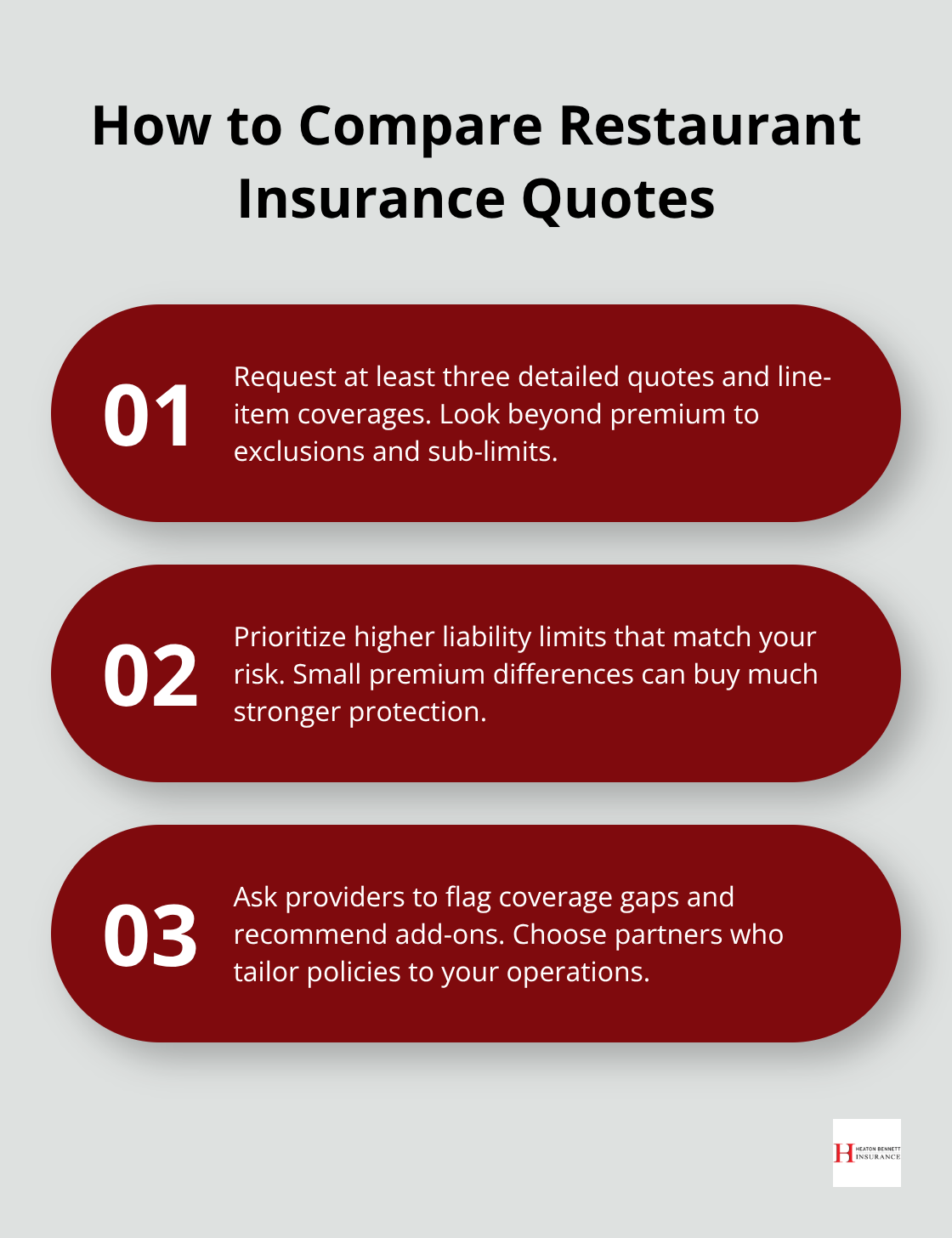
What Makes These Two Coverage Types So Different

Short-term and long-term disability insurance operate on completely different timelines and benefit structures that directly impact when you receive money and how much you get. Short-term policies activate benefits after elimination periods of seven to 30 days, while long-term coverage requires you to wait 90 days to two years before payments begin. This difference creates a critical gap that many people overlook when they plan their coverage strategy.

When Your Benefits Actually Start

The elimination period functions as your financial responsibility before insurance kicks in. Short-term policies with 14-day elimination periods cost significantly more than 30-day options, but the extra premium pays for faster access to benefits. Long-term policies with 90-day elimination periods represent the sweet spot for most people and balance affordable premiums with reasonable wait times.

Workers who choose 720-day elimination periods save substantial money on premiums but risk financial disaster during extended disabilities. The Bureau of Labor Statistics reports that only 40% of civilian workers had access to short-term disability in March 2020, while just 35% could access long-term coverage through their employers.

Ordered list chart comparing access to short-term and long-term disability coverage for civilian workers

How Much Money You Actually Receive

Short-term policies typically replace 60-70% of your gross income with higher percentages available through some employer plans, while long-term coverage usually caps benefits at 60% of gross monthly income. The calculation methods differ substantially between policy types.

Short-term benefits often use your current salary as the baseline, but long-term policies may average your income over the past two years to determine benefit amounts. Individual long-term policies frequently offer higher benefit limits than group coverage, with some professional policies that provide up to $15,000 monthly compared to typical group plan caps of $5,000.

Premium Costs Reflect Coverage Differences

Premium costs reflect these benefit differences, with long-term coverage that costs 1-3% of annual salary compared to short-term policies at 0.5-1% for employer plans. Higher earners among professionals like doctors may pay monthly premiums that range from $165 to $885 for disability coverage (depending on their occupation risk level and benefit amount selection).

The average annual cost of disability insurance reaches approximately $2,200, though individual factors affect this amount. Shorter elimination periods lead to higher premiums since they increase the insurer’s risk level.

Final Thoughts

Your financial situation determines which disability coverage works best for you. Workers with substantial emergency funds can choose longer elimination periods on long-term policies to reduce premiums, while those who live paycheck to paycheck need short-term disability for immediate protection. The statistics paint a clear picture: over 25% of 20-year-olds will face disability during their careers, yet only 40% of workers have access to short-term coverage through employers.

Most financial experts recommend that you combine both coverage types for complete protection. Short-term disability bridges the gap during your long-term policy’s elimination period, while long-term coverage protects against extended disabilities that could last years or decades. This dual approach costs more upfront but prevents income loss during any disability scenario (whether temporary or permanent).

Individual policies offer superior benefits compared to employer plans, especially for high earners who need coverage above typical group plan limits. Professional workers should prioritize own-occupation riders and cost-of-living adjustments that maintain purchasing power over time. We at Heaton Bennett Insurance help Austin residents navigate these complex coverage decisions and compare multiple carriers to find the best disability insurance solutions that match your specific needs and budget.