
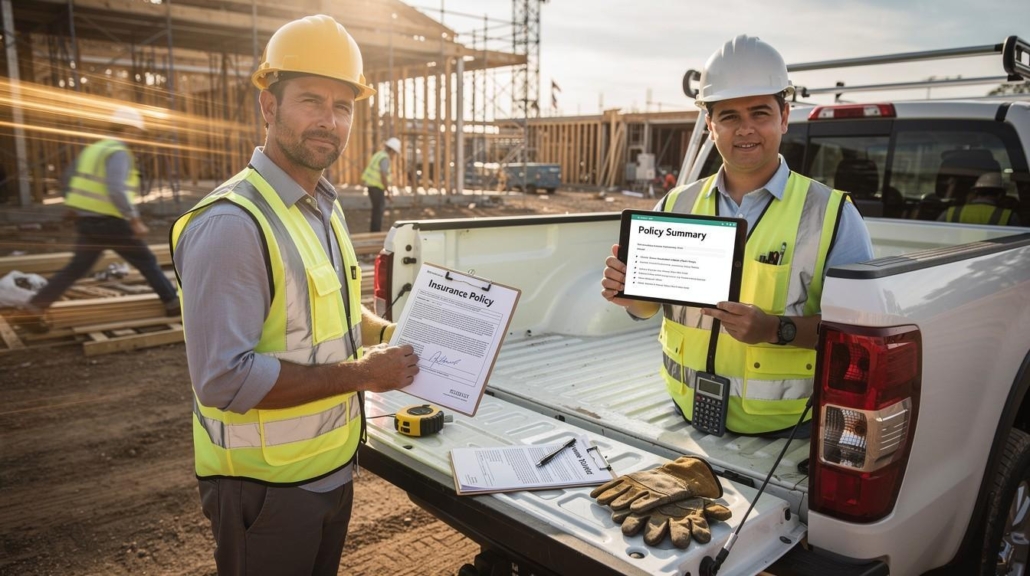
General Liability Insurance Contractors: A Practical Guide
General liability insurance for contractors isn’t optional-it’s the foundation of a sustainable business. Whether you’re managing a small renovation crew or overseeing major construction projects, the right coverage protects you from costly claims that could shut down operations.
At Heaton Bennett Insurance, we’ve seen firsthand how contractors who understand their coverage limits avoid expensive gaps in protection. This guide walks you through what’s covered, how to choose the right limits, and the claims you’re most likely to face.
What General Liability Insurance Actually Covers
The Three Core Protection Areas
General liability insurance protects contractors from three major categories of claims that can drain your business finances. Bodily injury and medical payments cover hospital bills, lost wages, and legal settlements when someone gets hurt on your job site or because of your work. If a homeowner slips on debris you left behind or a passerby is struck by falling materials, your policy pays their medical expenses and any judgment against you, typically up to your coverage limit.
Property damage coverage handles situations where your work damages someone else’s property-whether that’s accidentally breaking a client’s windows during installation, damaging their flooring, or harming a neighbor’s structure. Legal defense costs represent the third pillar: your insurance company pays your lawyer to defend you in court, separate from any settlement or judgment amount. This matters because legal defense alone can cost $50,000 to $150,000 depending on case complexity, according to data from the American Bar Association.
Why Your Homeowner’s Policy Won’t Protect You
Many contractors assume their homeowner’s policy covers work-related incidents, but standard homeowner policies explicitly exclude business activities, leaving you completely exposed. Your general liability policy is the only protection that covers the actual risks you face daily on job sites. This distinction separates contractors who operate legally from those who unknowingly operate without real protection.
Understanding Your Specific Policy Limits
The scope of coverage varies significantly between policies, so understanding what your specific contract includes is non-negotiable. Some policies exclude certain types of work like roofing or structural modifications, while others limit coverage for equipment damage or completed operations. A contractor installing electrical systems needs different coverage than one doing landscaping work, yet many policies are written too broadly or too narrowly for the actual work performed.
Your coverage limit matters as much as what’s covered-a $1 million aggregate limit sounds substantial until you face a major injury claim that exhausts it, leaving you personally liable for anything beyond that amount. Construction industry standards typically recommend $1 million per occurrence and $2 million aggregate for most contractors, though larger commercial projects often require $2 million per occurrence.
Staying Current With Your Coverage
Review your policy annually because scope creep happens: you take on new types of work, expand into different markets, or handle larger projects without updating your coverage. If you’re unsure whether your current policy covers your specific work activities, contact your insurance provider immediately rather than discovering gaps when a claim happens. Understanding what your policy actually protects is only half the battle-selecting the right coverage limits for your specific business size and risk exposure determines whether that protection truly works when you need it.
How Much Coverage Do You Actually Need
Calculate Your Maximum Potential Loss
Selecting coverage limits isn’t about picking a number that sounds reasonable or matching what your competitor uses. The right limit depends on your actual financial exposure, and getting this wrong leaves you either overpaying for unnecessary coverage or dangerously underinsured. Your business size, project types, and client base all factor into what adequate protection looks like, and these variables shift as your contracting business grows.
Start by calculating your maximum potential loss from a single incident rather than guessing. The National Association of Home Builders reports that the average cost of a serious injury claim in construction ranges from $200,000 to over $500,000 when medical expenses, lost wages, and legal judgments combine. A contractor installing kitchen cabinets faces different exposure than one doing structural repairs, and a crew working on residential properties has different risk than those handling commercial construction.
Match Coverage Limits to Your Work Type
Most general contractors operating in residential markets should carry minimum limits of $1 million per occurrence and $2 million general aggregate, but this baseline assumes straightforward work without major structural modifications. Commercial projects, structural work, or roofing operations typically require $2 million per occurrence because the potential for catastrophic injury or property damage increases substantially. Project scope matters more than company size, so a small crew taking on a major commercial renovation needs higher limits than a larger company doing minor residential repairs.
If you’re managing crews on multiple job sites simultaneously, your exposure multiplies because more people and more property means more opportunities for incidents. Calculate your worst-case scenario by considering the most expensive injury or property damage your work could realistically cause, then verify your per-occurrence limit covers that amount plus legal defense costs.
Account for Client Requirements and Property Values
If you regularly work on properties valued above $5 million or handle projects requiring building permits for structural work, your limits should reflect that exposure rather than defaulting to standard minimums. Many contractors discover they need higher limits when clients or general contractors bidding on projects demand it contractually, which happens frequently in commercial work where $2 million minimum coverage is standard industry requirement.
An insurance professional who understands your specific work activities helps you match coverage limits to your actual risk rather than being either excessive or inadequate. This assessment becomes especially important as you expand into new service areas or take on larger projects-your coverage needs shift with your business, and reviewing them annually prevents dangerous gaps from developing.
Common Claims Contractors Face and How to Prevent Them
Slip and Fall Incidents Cost More Than You Think
Slip and fall incidents dominate contractor liability claims because they happen constantly on job sites where hazards are unavoidable. The National Safety Council reports that fall injuries cost employers $51 billion annually in direct and indirect expenses, with a single serious fall claim averaging $30,000 to $100,000 depending on injury severity. Most contractors think hard hats and safety vests prevent claims, but they don’t-what prevents them is eliminating trip hazards, securing tools and materials so nothing falls on people below, and maintaining clear pathways through work zones.
Your job sites should have zero tolerance for loose debris, uncovered holes, or cables running across walkways. Photograph your work areas daily before crews arrive and after they leave, documenting that hazards were removed. This creates evidence if someone claims they slipped on something you left behind. Require crew members to wear proper footwear with grip soles, not sneakers or work boots with worn treads.
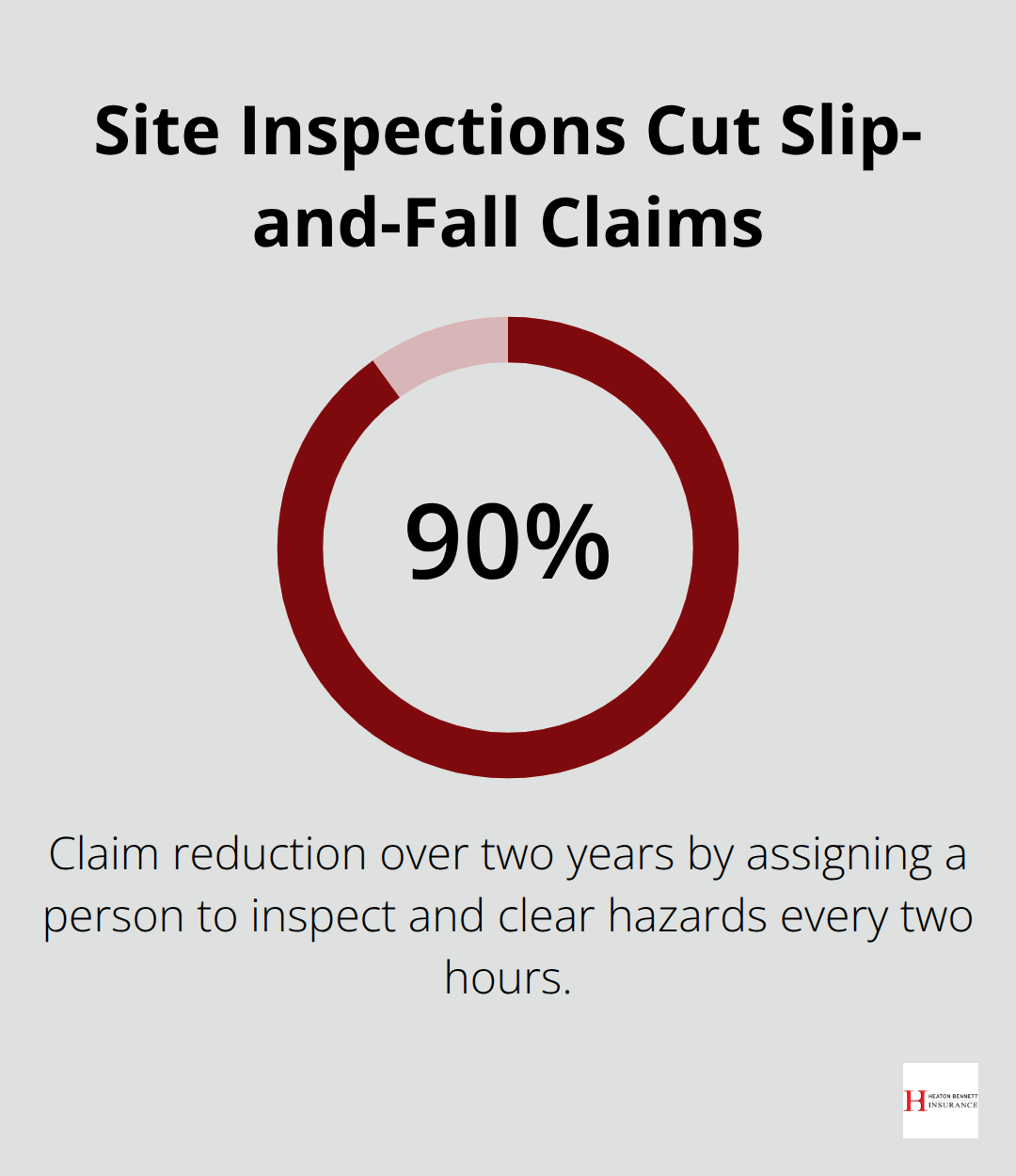
One contractor reduced slip and fall claims by 90 percent over two years simply by assigning one person each shift to walk the entire job site every two hours, removing debris and marking wet floors with cones. This single practice-consistent site inspections-transformed their claims history more than any other safety measure.
Property Damage Claims Destroy Your Margins
Property damage claims from construction work involve third-party property that isn’t yours to control. A crew accidentally punctures a homeowner’s water line while digging, or scaffolding bumps a neighbor’s fence, or paint overspray damages someone’s vehicle parked nearby-these incidents cost $15,000 to $75,000 in repairs plus liability judgments.
The solution is pre-project property documentation: photograph the client’s property, neighboring structures, and adjacent vehicles from multiple angles before work starts, then photograph again after completion. Mark underground utilities using your local utility locating service at least 48 hours before any digging occurs-this service is free in most states and protects you legally. Use protective barriers like plywood sheets, tarps, or temporary fencing to isolate your work zone from client property and neighboring areas.
Defective Workmanship Claims Cost the Most
Defective workmanship claims represent the most expensive category because they often involve structural issues that surface months or years after project completion. A roof installed improperly leaks two years later, causing $50,000 in water damage, or electrical work creates fire hazards discovered during inspection. These claims frequently exceed $100,000 because they include the original repair cost plus property damage plus legal costs.
The only real defense is meticulous documentation of materials used, installation methods followed, and inspections completed. Maintain detailed project records including photographs of each work phase, inspection reports, and written communication with clients about work completed. Use written contracts that specify exactly what work you’re performing and what standards you’re meeting-vague contracts create disputes over whether work was defective or performed as agreed.
Final Thoughts
General liability insurance for contractors protects your business from financial devastation, but only when you select coverage limits that match your actual risk exposure. The contractors who avoid catastrophic losses understand what their policies cover, calculate their maximum potential liability based on project scope, and implement prevention practices that reduce incidents before they occur. Slip and fall incidents, property damage during construction, and defective workmanship claims will happen in this industry-your job is protecting your business when they do.
Review your current coverage with fresh eyes and ask yourself whether your per-occurrence limit reflects the worst-case scenario your work could realistically cause. Does your aggregate coverage support multiple projects running simultaneously? Have you documented job site conditions and property conditions before and after work to defend against false claims? These actions separate contractors operating with genuine protection from those who discover gaps only after a claim arrives.
Working with an insurance professional who understands contractor-specific risks transforms general liability insurance for contractors from a compliance checkbox into actual business protection. Contact Heaton Bennett Insurance to review your coverage and verify that your limits reflect the real risks you face on every job site.
The information provided in this blog is for general informational purposes only and does not constitute legal, financial, or insurance advice. Coverage options, terms, and availability may vary. Please consult with a licensed professional for advice specific to your situation.

