

Who Needs Workers Compensation Insurance?
At Heaton Bennett Insurance, we often get asked: Who needs workers compensation insurance? The answer might surprise you.
Workers compensation insurance is a vital protection for businesses and employees alike. It’s not just for high-risk industries – many types of companies are legally required to have this coverage.
What Is Workers Compensation Insurance?
Definition and Purpose
Workers compensation insurance provides financial protection and medical benefits to employees who suffer injuries or illnesses due to their job. This insurance protects businesses from potential lawsuits while ensuring employees receive necessary care and compensation.
Legal Requirements for Businesses
The legal landscape for workers compensation insurance varies by state. Most states require businesses to carry this insurance as soon as they hire their first employee. In Texas (where Heaton Bennett Insurance operates), workers compensation insurance isn’t mandatory for private employers. However, public employers must provide coverage. Many Texas businesses choose to carry workers compensation insurance to protect themselves and their employees.
Coverage Provided
Workers compensation insurance typically covers:
- Medical expenses
- Lost wages
- Rehabilitation costs for work-related injuries or illnesses
- Death benefits to families of employees who die on the job
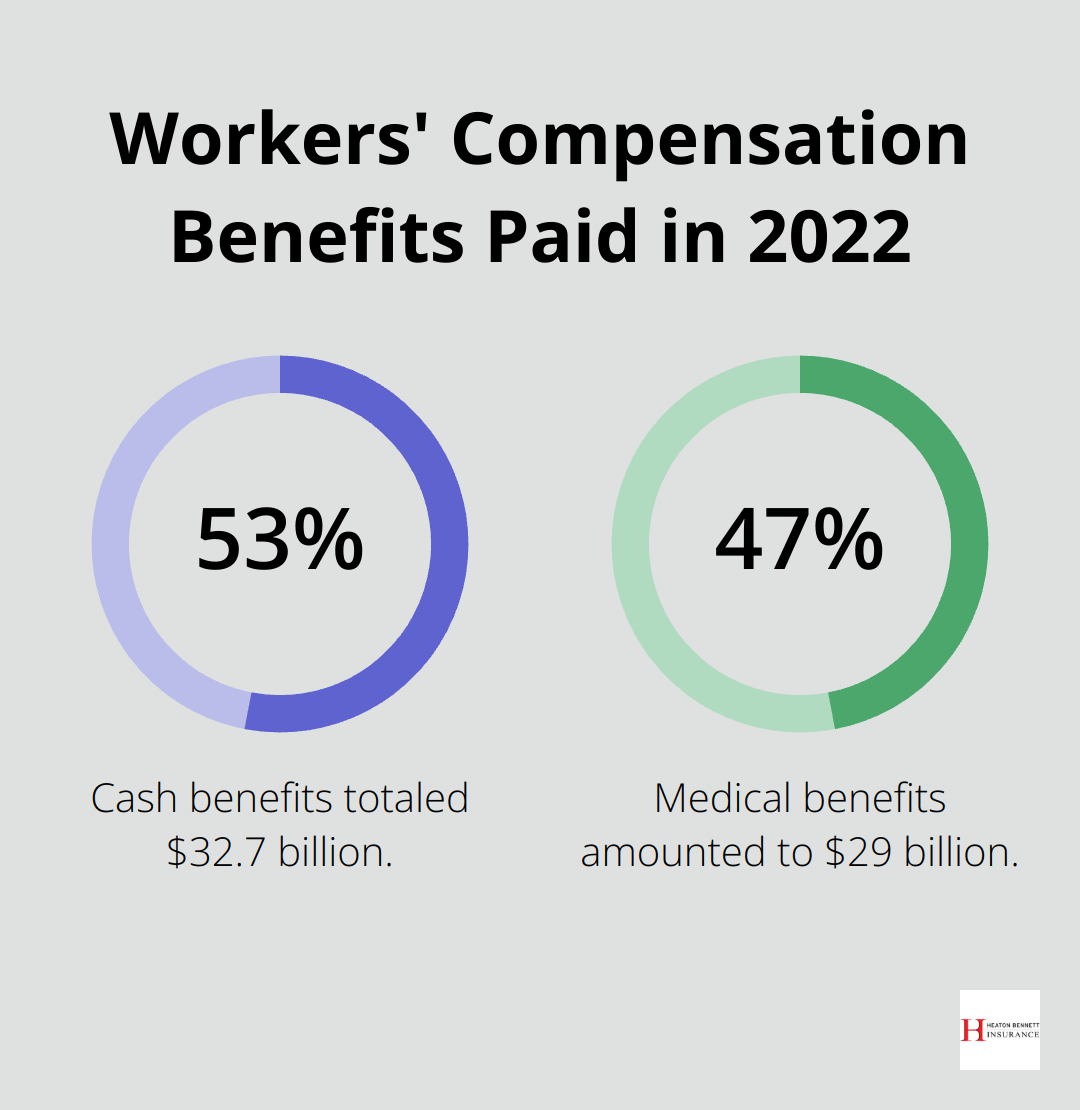
The National Academy of Social Insurance reports that in 2022, medical benefits paid through workers’ compensation totaled $29 billion, while cash benefits reached $32.7 billion.
Penalties for Non-Compliance
Failing to carry required workers compensation insurance can result in severe penalties:
- California: Noncompliance can lead to criminal charges, with fines starting at $10,000 and potential jail time.
- Illinois: Fines of $500 per day for noncompliance (with a minimum fine of $10,000).
These steep penalties highlight the importance of understanding and complying with your state’s workers compensation laws.
Navigating Complex Requirements
Businesses must understand the specific requirements for their state and industry. A knowledgeable insurance agent can guide you through the process of obtaining the right coverage, ensuring you’re protected and compliant with state laws.
The right workers compensation insurance isn’t just about meeting legal requirements – it’s about safeguarding your business and your employees. As we move forward, let’s examine which industries typically require this essential coverage.
Which Industries Need Workers Compensation Insurance?
High-Risk Sectors
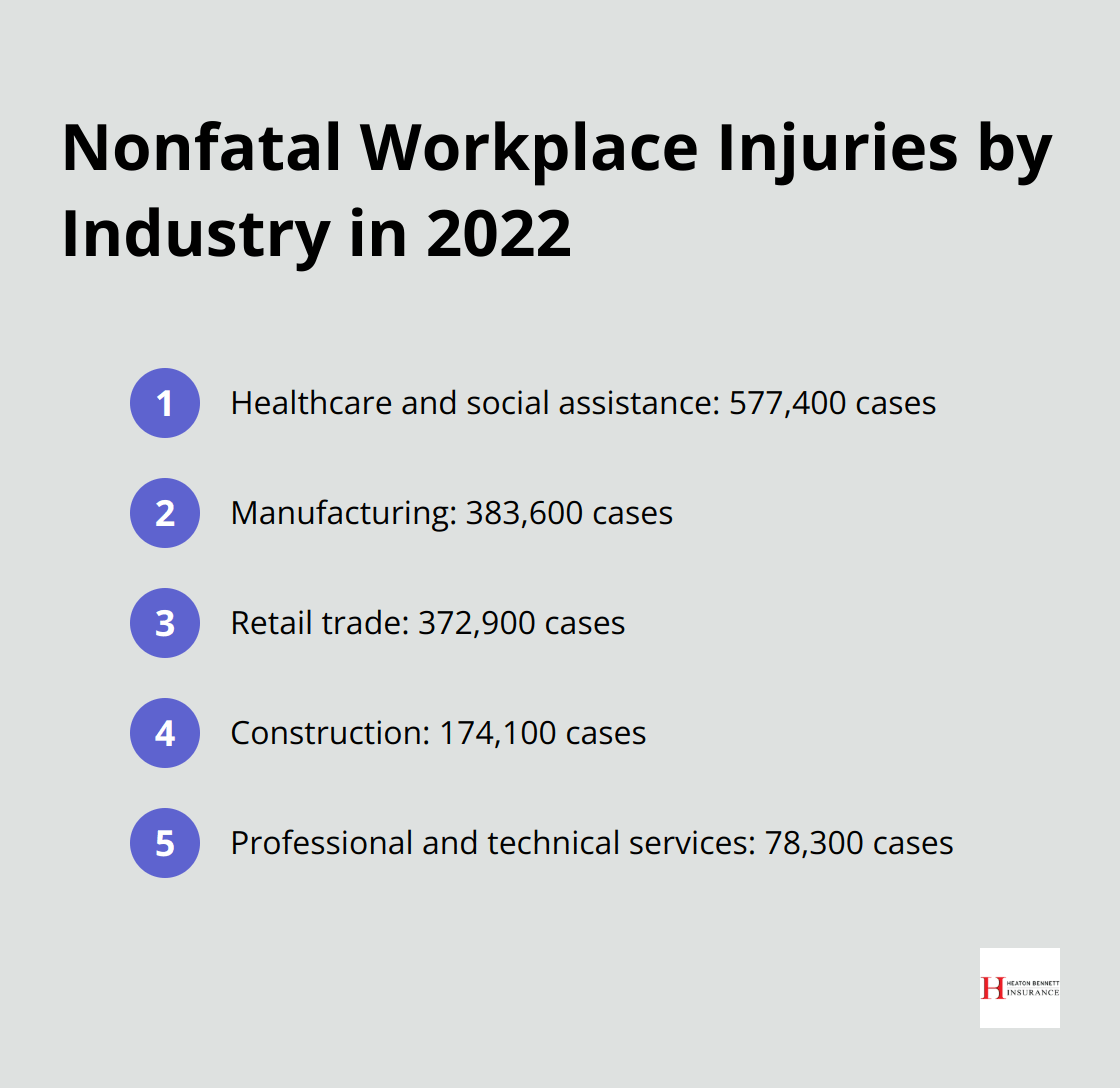
Construction and manufacturing stand at the forefront of industries that require robust workers compensation coverage. The U.S. Bureau of Labor Statistics reports alarming numbers: 174,100 nonfatal injuries in construction and 383,600 cases in manufacturing for 2022. These statistics highlight the critical need for comprehensive coverage in these fields.
Healthcare and social assistance also demand strong workers compensation policies. With a staggering 577,400 nonfatal workplace injuries reported in 2022, this sector faces unique risks. Hospitals, nursing homes, and home health care services must prioritize this coverage to protect their staff and operations from hazards like infectious diseases and injuries from patient handling.
Service-Based Industries
Retail and hospitality industries require careful consideration of workers compensation insurance, despite often being perceived as lower-risk. Retail trade reported 372,900 nonfatal workplace injuries in 2022. Common risks in these sectors include slip-and-fall accidents, repetitive strain injuries, and (unfortunately) workplace violence.
Professional services and office-based businesses aren’t exempt from needing workers compensation insurance. While their injury rates are generally lower (78,300 nonfatal injuries reported in professional and technical services in 2022), they still face risks such as ergonomic injuries and stress-related illnesses.
Industry-Specific Considerations
Different industries may require specialized coverage. For instance, the healthcare sector might need policies that cover needle-stick injuries or exposure to harmful substances. Construction companies often require coverage for injuries related to heavy machinery or falls from heights.
Insurance agencies (like Heaton Bennett Insurance) understand these industry-specific needs. They work closely with businesses to identify unique risks and provide tailored workers compensation solutions. Their expertise across various sectors ensures that businesses get the right coverage for their specific industry challenges.
Small Businesses and Startups
Even small businesses and startups need to consider workers compensation insurance. While requirements vary by state, many mandate coverage as soon as a business hires its first employee. This applies across industries, from tech startups to local retail shops.
Agriculture and Farming
The agricultural sector, often overlooked in discussions about workers compensation, faces significant risks. Farm workers encounter hazards from heavy machinery, exposure to chemicals, and physical strain. Many states have specific requirements for agricultural businesses, making it essential for farm owners to understand their obligations.
As we explore the industries that need workers compensation insurance, it becomes clear that this coverage extends far beyond traditionally high-risk sectors. Let’s now turn our attention to some exceptions and special cases in workers compensation requirements.
Who’s Exempt from Workers Comp?
Self-Employed Individuals and Sole Proprietors
Self-employed individuals and sole proprietors often have the option to opt out of workers compensation coverage. This decision, however, comes with risks. Without coverage, these individuals may face significant medical bills and lost income if they sustain injuries while working. Some states allow sole proprietors to voluntarily opt into workers compensation programs, which provides an extra layer of protection.
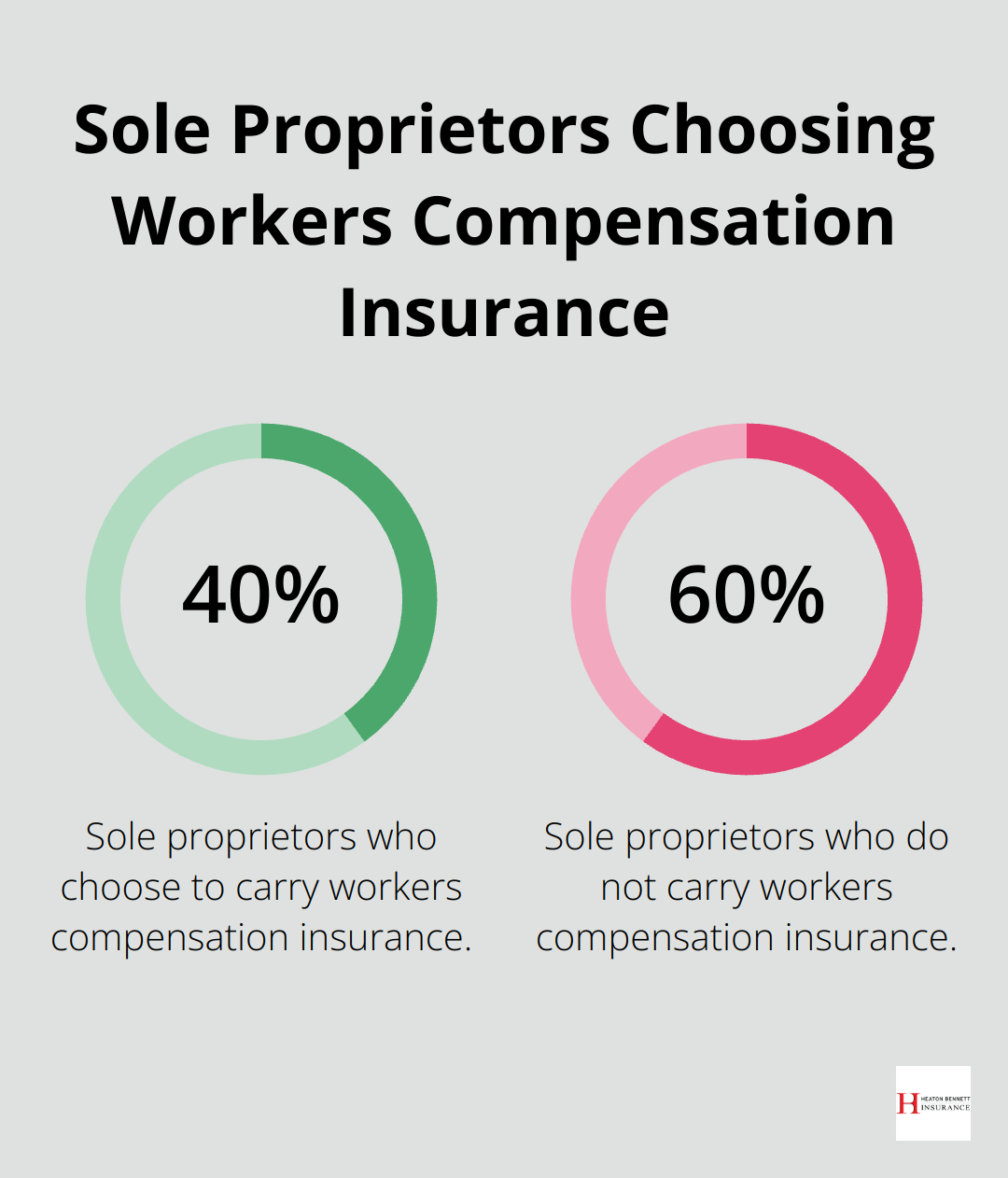
The National Federation of Independent Business reports that about 40% of sole proprietors choose to carry workers compensation insurance, even when not required. This trend suggests many recognize the value of this coverage, despite its optional status.
Independent Contractors
Independent contractors typically don’t require workers compensation coverage from the businesses they work with. However, misclassification of employees as independent contractors is a common issue. The U.S. Department of Labor reports that up to 30% of businesses misclassify workers as independent contractors when they should be considered employees.
Businesses must carefully evaluate their working relationships to ensure proper classification. Factors like control over work methods, provision of tools, and payment structure all play a role in determining worker status. Misclassification can lead to severe penalties and retroactive insurance costs.
Small Businesses
Some states exempt small businesses with few employees from mandatory workers compensation requirements. For instance, Alabama exempts businesses with fewer than five employees, while Florida exempts non-construction businesses with fewer than four employees.
The National Council on Compensation Insurance (NCCI) provides state-specific information on workers compensation requirements, which can prove invaluable for small businesses navigating these complexities.
Volunteer Organizations
Volunteer organizations often fall into a gray area. While volunteers aren’t typically covered under workers compensation, some states have provisions for volunteer firefighters or other specific groups. Organizations should check their state laws and consider voluntary coverage to protect their volunteers.
Navigating Exemptions
Understanding these exemptions is vital for proper compliance and risk management. Businesses and individuals should consult with insurance professionals (such as those at Heaton Bennett Insurance) to ensure they have the right coverage without unnecessary expenses. These experts can guide clients through the nuanced areas of workers compensation requirements, helping them make informed decisions about their insurance needs.
Final Thoughts
Workers compensation insurance protects businesses and employees across various industries. Companies that neglect proper coverage face severe legal penalties, financial risks, and potential damage to their reputation. Heaton Bennett Insurance understands the complexities of workers compensation requirements and guides businesses through insurance selection.
Our team of experts provides comprehensive coverage tailored to specific industry needs. We find the most suitable and cost-effective solutions for our clients through our relationships with multiple carriers. Our Security Snapshot process thoroughly assesses each business’s unique risks and insurance needs.
The question of who needs workers compensation insurance often has nuanced answers depending on state, industry, and specific business circumstances. Heaton Bennett Insurance offers personalized service and expert advice to secure your business and employees. Contact us today to obtain the right workers compensation coverage for your unique needs.

