

Do LLCs Need Workers Compensation Insurance?
At Heaton Bennett Insurance, we often encounter questions about workers’ compensation insurance for LLCs. This critical coverage protects both employees and business owners in case of work-related injuries or illnesses.
However, the requirements for LLCs can vary significantly depending on several factors. In this post, we’ll explore whether your LLC needs workers’ compensation insurance and what you should consider when making this important decision.
What Is Workers Compensation Insurance for LLCs?
The Fundamentals of Workers Compensation
Workers compensation insurance serves as a critical safety net for businesses and their employees. It provides financial protection and medical benefits to workers who suffer job-related injuries or illnesses. For LLCs, a thorough understanding of this coverage is essential for legal compliance and risk management.

At its core, workers compensation insurance covers medical expenses, lost wages, and rehabilitation costs for employees injured on the job. It also protects businesses from potential lawsuits related to workplace injuries. The National Safety Council reports that the average cost of a workers compensation claim in 2022 was $44,000, which underscores the financial importance of this coverage.
State-Specific Requirements for LLCs
The legal landscape for workers compensation varies significantly by state. In Texas, workers compensation is not mandatory for private employers. However, states like California and New York require it for all businesses with employees, including LLCs.
California, for instance, mandates that even LLCs with just one employee must carry workers compensation insurance. The penalties for non-compliance are severe (up to $100,000 or twice the amount the employer would have paid in premiums, whichever is greater).
Benefits Beyond Legal Compliance
While legal requirements often drive the decision to obtain workers compensation insurance, the benefits extend far beyond compliance. This coverage helps attract and retain employees by demonstrating a commitment to their well-being. It also provides financial stability, protecting your LLC from potentially devastating out-of-pocket expenses in the event of a workplace accident.
A study by the Workers Compensation Research Institute found that states with robust workers compensation systems experienced a 5% reduction in workplace injuries over a five-year period. This data suggests that the presence of workers compensation insurance can contribute to safer work environments.
Industry-Specific Considerations
Different industries face varying levels of risk, which can impact the need for and cost of workers compensation insurance. High-risk industries (such as construction or manufacturing) typically require more comprehensive coverage and may face higher premiums. On the other hand, low-risk industries (like office-based businesses) might have lower premiums but still benefit from the protection offered by workers compensation insurance.
As we move forward, it’s important to consider how these factors apply to your specific LLC. The next section will explore the key determinants that influence whether your LLC needs workers compensation insurance, including the number of employees, industry type, and state-specific regulations.
Do LLCs Need Workers Comp Insurance?
Employee Count and Classification
The number of employees in your LLC often determines the need for workers’ compensation insurance. Many states require coverage for businesses with even one employee. However, the definition of an employee varies. Some states consider LLC members as employees, while others exempt them. You must accurately classify your workers, including part-time and seasonal staff. Misclassification can result in severe penalties.
Industry Risk Factors
Your LLC’s work nature significantly impacts your need for workers’ compensation insurance. High-risk industries (such as construction or manufacturing) typically face stricter requirements and higher premiums. The Bureau of Labor Statistics reported that the construction industry had an incident rate of 2.7 per 100 full-time workers in 2021, compared to 2.3 across all industries. This higher risk often necessitates mandatory coverage, regardless of employee count.
State-Specific Regulations
Workers’ compensation laws differ dramatically by state. Texas allows most private employers to opt out of workers’ compensation, while California mandates coverage for all businesses with employees. Some states offer exemptions for small businesses or specific industries. The National Federation of Independent Business provides a state-by-state guide to workers’ compensation laws, which LLC owners can use as a valuable resource.
Contractual Requirements
Even if your state doesn’t mandate workers’ compensation for your LLC, client or partner contracts might. Many larger companies and government entities require their contractors to carry workers’ compensation insurance. This requirement protects them from potential liability and ensures a baseline of financial responsibility. If you fail to meet these contractual obligations, you could lose business opportunities or face breach of contract claims.
Proactive Planning
LLCs should consider their business growth and potential client requirements when deciding on workers’ compensation insurance. This proactive approach can save time and stress in the long run. For example, an LLC that initially opts out of workers’ compensation might later scramble for coverage to secure a lucrative contract.

The consequences of not having workers’ compensation coverage when needed can be severe. The next section will explore the potential risks and penalties associated with foregoing this essential insurance.
What Happens If Your LLC Skips Workers Comp?
Legal and Financial Penalties
LLCs that neglect workers’ compensation insurance face severe consequences. In California, operating without coverage is a criminal offense, punishable by up to $10,000 in fines or one year in county jail. New York imposes penalties of $2,000 per 10-day period of noncompliance. These fines accumulate rapidly, potentially forcing your LLC into financial distress.
Out-of-Pocket Injury Costs
Without workers’ compensation insurance, your LLC becomes directly responsible for employee injury costs. The National Safety Council reports that the average work-related injury costs $44,000 in medical expenses and lost wages. For a small LLC, such an unexpected expense could prove catastrophic. In severe cases (like permanent disabilities), costs can soar into millions, potentially bankrupting your business.
Damaged Business Relationships
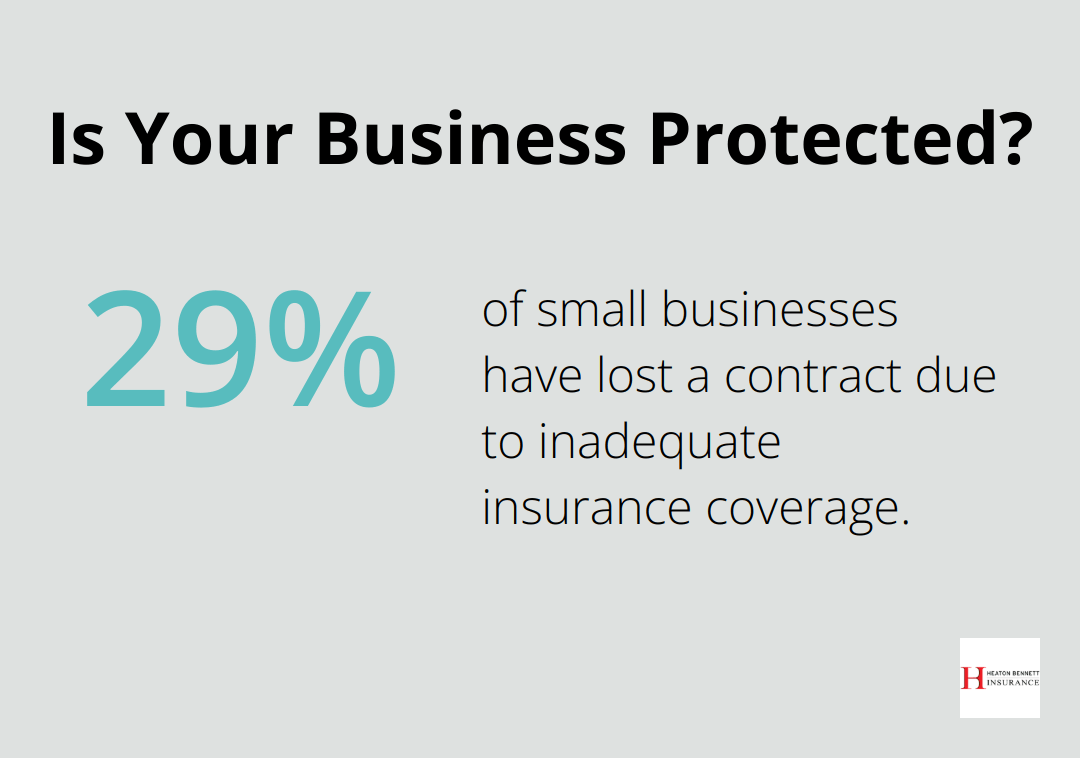
The absence of workers’ compensation insurance can severely impact your LLC’s relationships with clients, partners, and employees. Many contracts require proof of coverage, and failing to provide it leads to lost business opportunities. The National Federation of Independent Business found that 29% of small businesses have lost a contract due to inadequate insurance coverage. Moreover, employees may view the lack of coverage as a red flag, making it harder to attract and retain top talent in an increasingly competitive job market.
Regulatory Compliance Issues
Skipping workers’ compensation insurance often results in regulatory compliance issues. State labor departments conduct regular audits and investigations to ensure businesses comply with workers’ compensation laws. Non-compliant LLCs may face cease and desist orders, preventing them from operating until they obtain proper coverage. This downtime can result in significant revenue loss and damage to the company’s reputation.
Personal Liability Risks
One of the primary benefits of forming an LLC is the protection of personal assets from business liabilities. However, failing to maintain required insurance (including workers’ compensation) can pierce this corporate veil. In such cases, LLC owners may find their personal assets at risk if an injured employee sues the company. This situation undermines the very purpose of establishing an LLC structure in the first place.
Final Thoughts
Workers’ compensation insurance for LLCs protects businesses and employees from financial hardships due to work-related injuries. The necessity of this coverage depends on factors such as employee count, industry risk, state laws, and contractual requirements. LLCs without proper coverage face severe consequences, including fines, legal issues, and potential damage to business relationships.

We at Heaton Bennett Insurance recommend that LLC owners carefully assess their workers’ compensation insurance needs. A proactive approach to insurance can shield your business from unexpected financial burdens and legal complications. It also shows your commitment to employee welfare, which can enhance your company’s reputation and help attract skilled workers.
For tailored guidance on workers’ compensation insurance and other business coverage options, contact Heaton Bennett Insurance. Our team can help you create a comprehensive insurance strategy that meets your LLC’s specific needs and ensures adequate protection for your business and employees.

