

General Liability Insurance: Core Coverage For Small Businesses
Small business owners face real risks every day. A customer slips on your floor, a product causes injury, or someone claims your work damaged their property-and suddenly you’re facing legal bills and settlements that could cripple your business.
General liability insurance protects you from these financial disasters. At Heaton Bennett Insurance, we’ve seen how the right coverage makes the difference between a business that survives a claim and one that doesn’t.
What General Liability Insurance Actually Covers
The Three Core Coverage Areas
General liability insurance protects your business from three major categories of claims that can drain your bank account. The first covers bodily injury and medical expenses when someone gets hurt on your property or because of your work. If a customer trips in your office and breaks their arm, or a client develops an allergic reaction to a product you sold them, your policy pays their medical bills and any resulting legal judgments. Courts award an average of $15,000 to $50,000 for slip-and-fall cases, according to the National Floor Safety Institute, which is why this coverage matters.
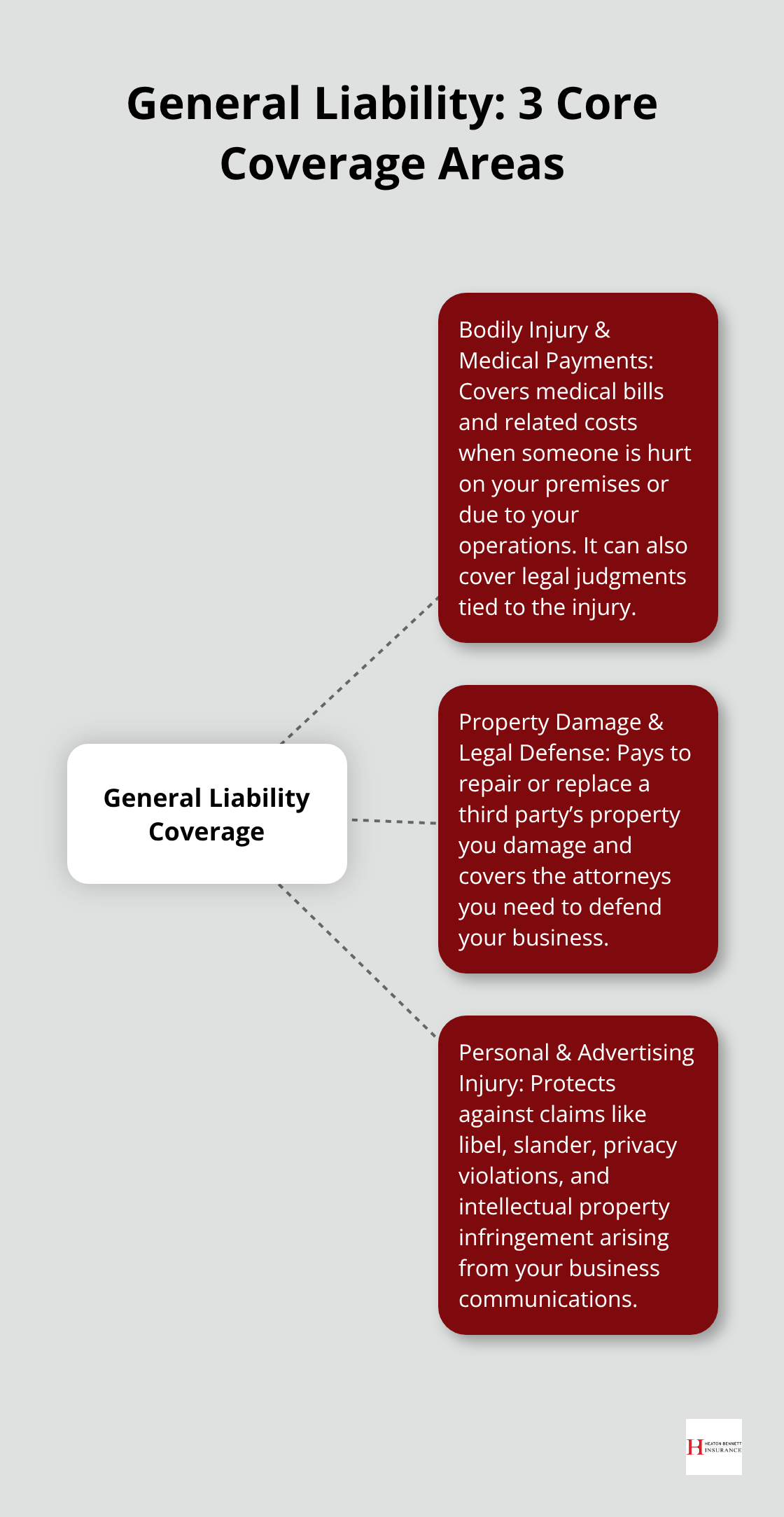
The second category covers property damage and legal defense costs when your business damages someone else’s belongings or their building. A service call that damages a client’s expensive equipment, or your delivery truck hitting their fence-your policy handles both the repair costs and the lawyers you’ll need. The third category covers personal injury and advertising injury claims, which many small business owners overlook entirely. This protects you if someone claims your business violated their privacy, defamed them in marketing materials, or infringed on their intellectual property rights.
Why Defense Costs Matter More Than You Think
The financial impact of skipping this coverage is severe. The Insurance Information Institute reports that the average general liability claim costs $6,000 to $10,000 in defense costs alone, before any settlement or judgment. Small businesses without coverage face mounting legal bills, potential judgments that exceed their annual revenue, and the real risk of bankruptcy.
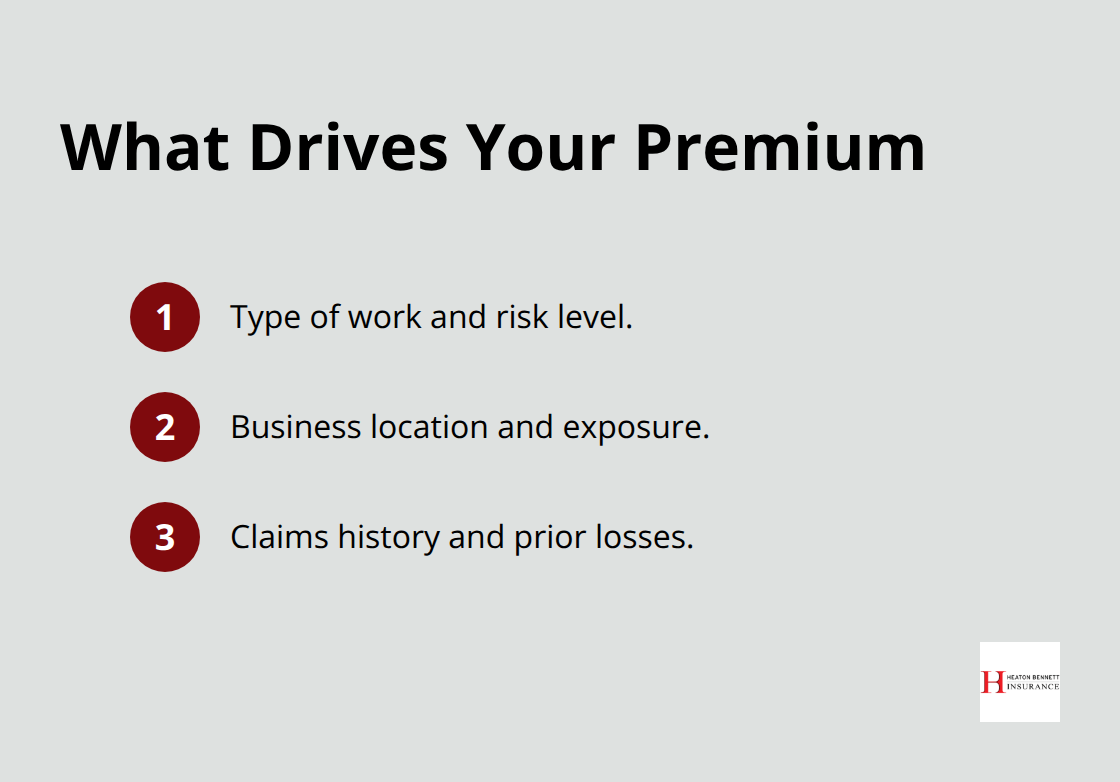
A roofing contractor, plumber, or salon owner faces higher exposure than an office-based business, but every business gets sued. Premium prices vary significantly across carriers-some insurers charge $400 annually for small service businesses while others demand $1,200 for identical operations. The type of work you do, your business location, and your claims history all affect pricing.
Getting the Right Coverage Limits
Request quotes from at least three carriers and compare what each policy actually covers, since some policies include coverage limits of $300,000 per claim while others offer $1 million or higher. Your industry determines how much protection you actually need. A consulting firm might operate safely with $300,000 per claim, while a contractor handling high-value client property should carry $1 million or more.
The gaps in your coverage become obvious only when a claim arrives. That’s when you discover whether your policy protects you adequately or leaves you exposed to personal liability.
Why Your Business Needs General Liability Insurance
A Single Claim Can Drain Your Bank Account
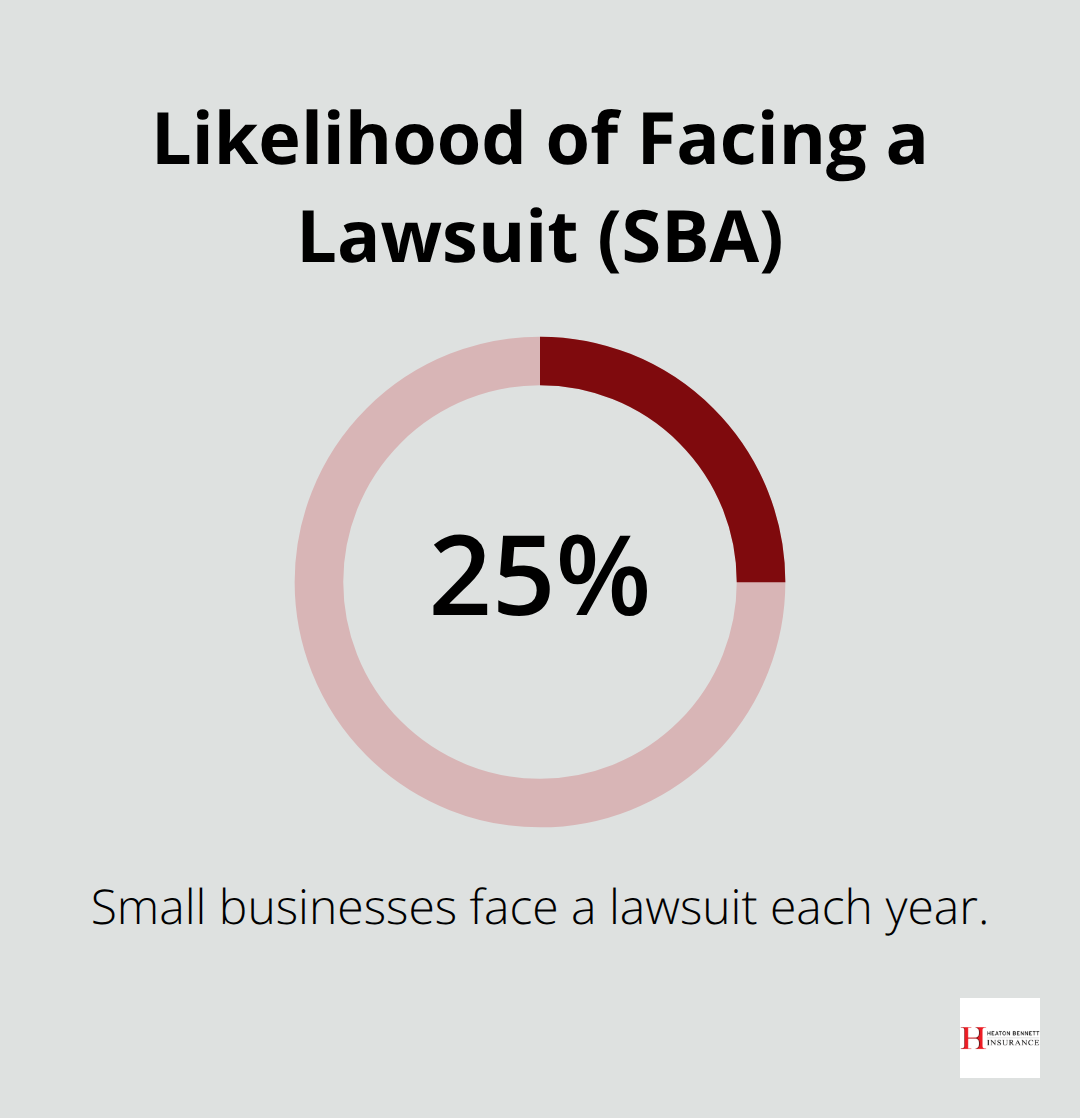
Without general liability insurance, a single claim forces you to pay legal fees, medical bills, and settlements directly from your business bank account. The Small Business Administration reports that 25% of small businesses face a lawsuit each year, and those without coverage often exhaust their savings within months. You’re not just protecting against catastrophic events-you’re protecting your ability to operate tomorrow. Business owners who carry proper coverage recover and continue serving customers.
Those without it often close their doors.
Meeting Client and Vendor Requirements
Your clients and vendors expect you to carry general liability insurance, and many won’t work with you without proof of coverage. Contractors, service providers, and retailers face explicit requirements from larger companies before they’ll sign contracts. If you want to bid on commercial projects or supply established businesses, you need a certificate of insurance showing adequate coverage limits. Building this credibility isn’t optional in competitive industries-it’s the price of entry.
How Insurance Builds Customer Trust
Customers perceive insured businesses as more trustworthy and professional. A salon owner with $1 million in liability coverage signals stability and accountability to clients. A service contractor displaying their insurance certificate demonstrates they take their work seriously and can cover damages if something goes wrong. This perception matters when customers choose between you and a competitor, especially for high-value services where trust determines purchasing decisions.
The Real Cost of Operating Without Coverage
The cost of annual premiums (typically $400 to $1,200 for small service businesses) is negligible compared to the credibility gap you create by operating without coverage. Your business reputation and growth potential depend on meeting industry standards, and general liability insurance is the baseline standard across virtually every sector. When you lack this protection, potential clients question your professionalism and stability. The next chapter examines the specific claims that small businesses face most often-and how general liability insurance handles them.
Common Claims Small Businesses Face
Slip-and-Fall Accidents on Your Property
Slip-and-fall accidents happen constantly in retail, service, and office environments. The National Safety Council reports that falls account for over 800,000 hospitalizations annually in the United States, and businesses face direct liability when someone gets injured on their property. A customer slips on a wet floor in your retail store, a vendor trips on uneven concrete in your warehouse, or a client falls down your office stairs-these incidents generate immediate medical bills and legal claims. Restaurants face particularly high exposure, with slip-and-fall claims averaging $20,000 to $30,000 in settlements according to industry data.
Documentation makes the difference between a manageable claim and a catastrophic one. When an incident occurs, photograph the exact conditions, gather witness contact information immediately, and report the claim to your insurance carrier within 24 hours. Delaying this process weakens your defense and increases settlement costs. Property owners who implement basic safety measures-maintaining clear floors, installing proper signage, fixing hazards promptly-reduce their exposure significantly, but even the most cautious business owner cannot prevent every accident.
Product Liability and Service Failures
Product liability and service failures create another major claim category that catches business owners unprepared. When a product you sold or manufactured causes injury, or your service creates property damage or personal harm, customers pursue compensation regardless of your intent. A salon applies a chemical treatment that damages a client’s hair and causes scalp burns, a contractor installs faulty electrical work that damages a client’s home, or a food supplier’s product causes foodborne illness-these situations generate expensive claims fast.
The Consumer Product Safety Commission received over 24,000 product-related injury reports in 2024, and manufacturers and retailers share liability exposure across the supply chain. Service businesses face equal risk when their work creates unexpected consequences. A plumber’s repair work causes water damage weeks later, an HVAC technician’s installation fails and damages expensive equipment, or a personal trainer’s instruction leads to injury-your insurance covers these scenarios when you carry proper coverage. Document all work completed, maintain detailed service records, and photograph conditions before and after service delivery to strengthen your defense position if claims arise.
Conclusion
General liability insurance protects everything you’ve built as a small business owner. The claims we’ve covered throughout this post happen regularly, and businesses without proper coverage face devastating financial consequences when a slip-and-fall accident or product liability claim exceeds their annual revenue. With coverage in place, you handle these incidents and move forward.
General liability insurance also opens doors that would otherwise stay closed. Clients and vendors require proof of coverage before they’ll work with you, and that certificate becomes your entry ticket to commercial contracts and larger opportunities. The credibility you gain from carrying proper coverage directly influences customer decisions and your ability to compete in your market.
We at Heaton Bennett Insurance work with multiple carriers to build tailored coverage that matches your specific business risks (our Security Snapshot process identifies exactly what your business needs rather than forcing you into generic policies). Reach out to Heaton Bennett Insurance today to review your general liability insurance coverage and close any gaps before the next claim arrives.
The information provided in this blog is for general informational purposes only and does not constitute legal, financial, or insurance advice. Coverage options, terms, and availability may vary. Please consult with a licensed professional for advice specific to your situation.

