

Business Insurance Quotes: Compare And Save On Coverage
Business insurance quotes reveal what coverage actually costs for your operation. Most business owners spend too little time comparing quotes, which means they either overpay or leave themselves dangerously underprotected.
At Heaton Bennett Insurance, we’ve seen firsthand how the right quote comparison saves businesses thousands while strengthening their protection. This guide walks you through comparing quotes effectively and avoiding the costly mistakes most owners make.
Why Business Insurance Quotes Actually Matter
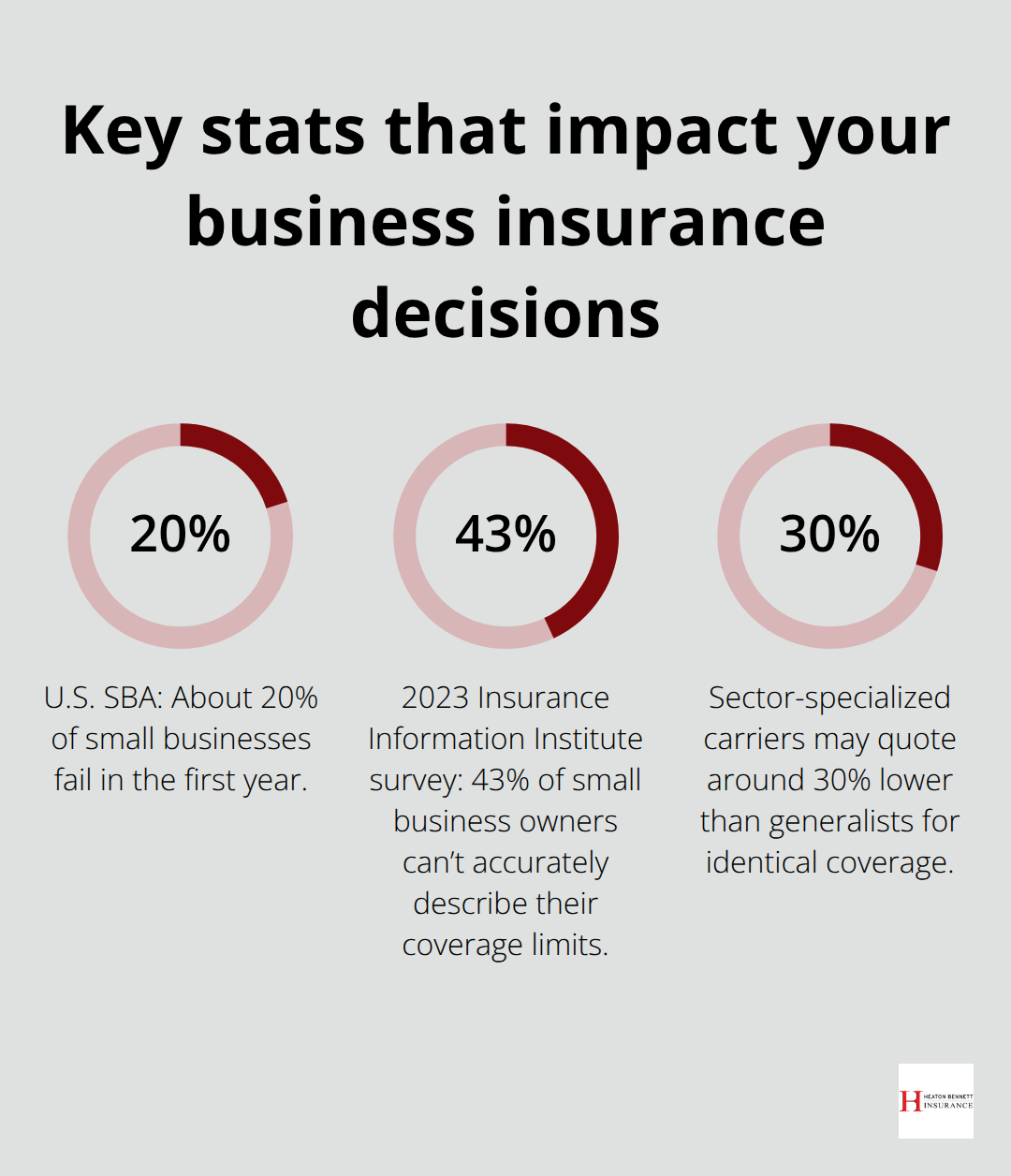
A single unexpected liability claim wipes out years of profit. According to the U.S. Small Business Administration, about 20% of small businesses fail within the first year, and inadequate insurance coverage contributes significantly to these failures. When you skip quote comparison, you’re gambling with your business’s survival. Some owners think one quote suffices, but this approach costs them thousands annually. Business owners who compare quotes from multiple carriers often find they’ve been overpaying by 30-40% without realizing it. The real danger isn’t just overpaying though-it’s underinsuring. Many businesses carry policies with gaps they don’t even know exist until a claim gets denied.
What Your Quote Actually Reveals
A business insurance quote tells you the real cost of protecting specific assets and liabilities tied to your operation. The National Association of Insurance Commissioners reports that businesses comparing quotes from at least three carriers save an average of $500-$2,000 annually on commercial coverage. The quote does more than show price; it forces you to think clearly about what you’re actually protecting. When you request quotes, you receive a snapshot of what different carriers think your risk profile is. Some insurers view your industry or business model differently than others, which directly affects pricing. A quote from one carrier might exclude certain operations entirely, while another includes them. This variation matters enormously because it shows you which carriers actually understand your business type.
Coverage Gaps Hide in the Details
Most business owners focus solely on the premium number and ignore what’s actually covered. According to a 2023 survey by the Insurance Information Institute, 43% of small business owners couldn’t accurately describe their coverage limits. This knowledge gap leads to serious problems when claims arise. A quote for general liability at $1,200 annually might sound reasonable until you realize the policy excludes your specific service offerings. Another carrier’s $1,400 quote might include exactly what you need. The premium difference becomes irrelevant when one policy actually protects you and the other doesn’t. Comparing multiple quotes forces you to read the fine print across different options, making it harder to accidentally accept inadequate coverage just because the price looked good.
Why Multiple Quotes Matter More Than You Think
Shopping with just one carrier leaves you blind to what’s available in the market. Different insurers price risk differently based on their claims history, underwriting philosophy, and appetite for specific industries. A carrier that specializes in your sector often quotes lower rates than a generalist, even for identical coverage. You won’t know this advantage exists unless you request quotes from carriers with different specialties. The comparison process itself teaches you what questions matter most for your business. You’ll learn which coverage limits make sense, which deductibles fit your cash flow, and which exclusions actually affect your operations. This education alone justifies the time spent requesting multiple quotes.
Moving Forward with Confidence
Now that you understand why quotes matter and what they reveal, the next step involves learning how to compare them effectively. The comparison process requires more than just looking at premium prices-it demands careful attention to what each policy actually covers and what it leaves unprotected. When you’re ready to move forward, get a free quote and start comparing your options today.
How to Compare Quotes Across Different Carriers
Requesting quotes from multiple carriers is non-negotiable if you want accurate pricing. Most business owners stop after one or two quotes and assume they’ve done their due diligence, but this approach leaves thousands on the table. Request quotes from at least five different carriers, including both national insurers and regional specialists who focus on your industry. Each carrier evaluates risk differently, which means their pricing for identical coverage can swing by 40-60%. A carrier that loves manufacturing businesses might quote you 30% lower than one that rarely works with manufacturers.
Standardize Your Information Across All Requests
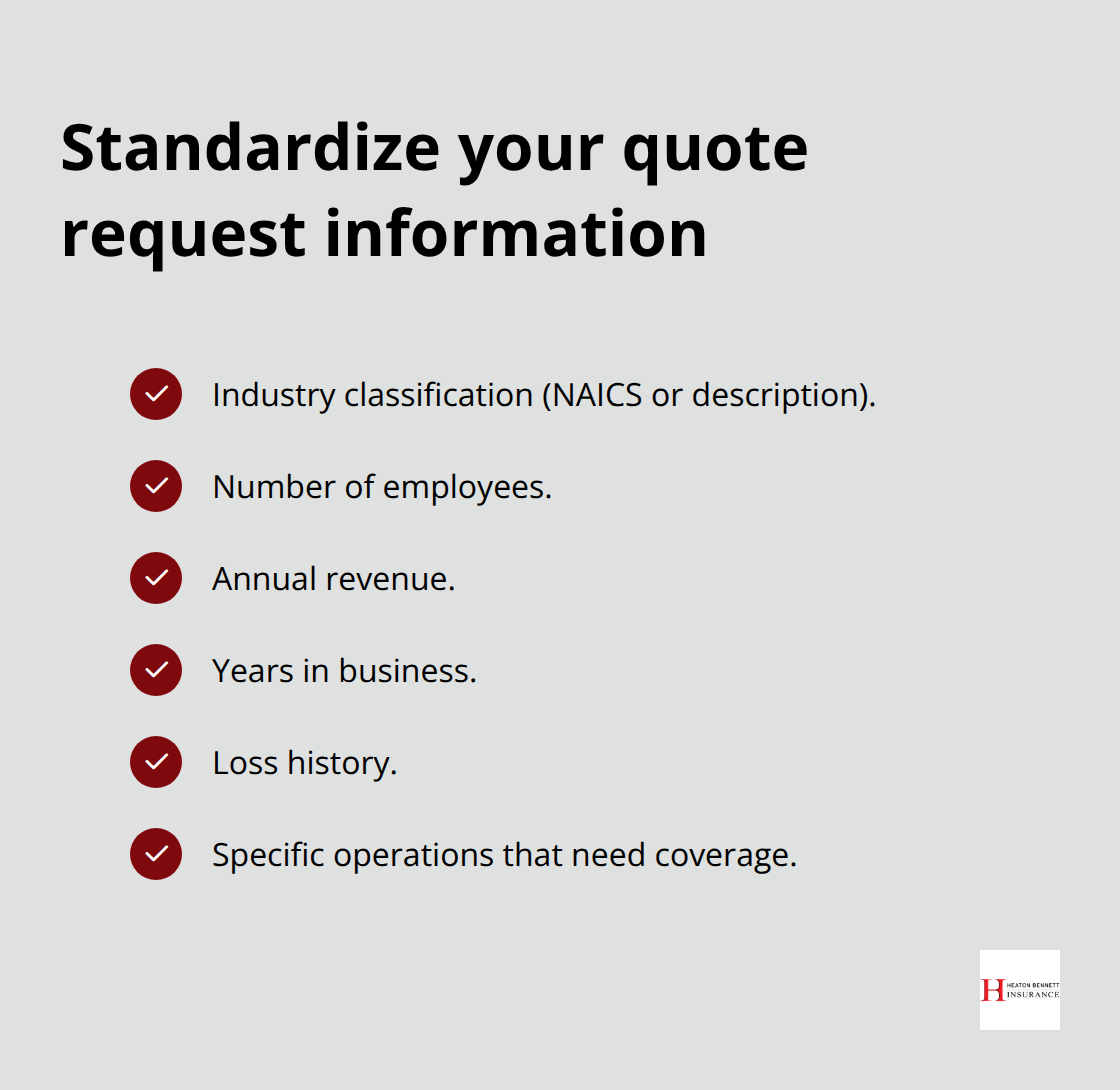
When you request quotes, provide identical information to each carrier so the comparison stays valid. Small differences in how you describe your business can dramatically shift quotes, making comparisons meaningless. Create a simple spreadsheet with your business details and use it for every quote request. Include your industry classification, number of employees, annual revenue, years in business, loss history, and specific operations you need covered. This consistency makes your comparison meaningful and reveals true pricing differences between carriers.
Focus on Coverage Limits and Deductibles
Coverage limits determine how much an insurer pays when a claim happens. If you carry general liability with a 1 million dollar limit but face a lawsuit for 2 million dollars, you’re personally liable for the gap. The average commercial liability claim costs around 25,000 dollars, but catastrophic claims regularly exceed 500,000 dollars. Your deductible is what you pay out of pocket before insurance kicks in. A 2,500 dollar deductible saves you money on premiums but means you absorb that cost when claims occur.
Most businesses underestimate their deductible tolerance and choose amounts they can’t actually afford when claims happen. Calculate what your business could realistically pay in a single claim scenario, then set your deductible accordingly. The premium price itself matters far less than what happens when you actually need coverage. A quote that’s 30% cheaper but excludes your primary business operations is worthless. Compare quotes by listing coverage limits, deductibles, and excluded services side by side rather than focusing on the final premium number.
Read Exclusions Before Making Any Decision
Exclusions are the provisions that explicitly state what insurance won’t cover. They hide in the fine print and destroy businesses when claims arrive. Request the complete policy language from each carrier, not just a summary document. Read the exclusions section of every quote before moving forward. Common exclusions for service businesses include independent contractor work, operations outside your service area, and specific service types you might occasionally perform.
A cleaning service that also does light repairs might discover their liability policy excludes the repair work entirely. Another carrier might include it with a modest premium increase. Without reading exclusions, you won’t know which carrier actually protects your full operation. Professional liability policies for consultants frequently exclude certain service offerings or client types. Workers’ compensation policies exclude independent contractors, which matters enormously if you use them regularly. Ask each carrier to explicitly confirm what services are covered and what’s excluded. Request written confirmation rather than relying on verbal assurances from quotes.
Move Beyond Price to Real Protection
The comparison process reveals which carrier actually understands your business type and risk profile. Different insurers price risk differently based on their claims history, underwriting philosophy, and appetite for specific industries. A carrier that specializes in your sector often quotes lower rates than a generalist, even for identical coverage. You won’t know this advantage exists unless you request quotes from carriers with different specialties. This education teaches you which coverage limits make sense, which deductibles fit your cash flow, and which exclusions actually affect your operations.
Once you’ve gathered quotes from multiple carriers and compared their coverage limits, deductibles, and exclusions, you’re ready to identify the common mistakes that trip up most business owners during this process. If you need assistance navigating your claims and payments or have questions about your coverage, contact a local insurance professional who can guide you through the comparison process.
Where Business Owners Go Wrong With Insurance Shopping
Most business owners sabotage their insurance strategy by fixating on premium price while ignoring what they actually purchase. The Insurance Information Institute found that 58% of small business owners admitted they don’t fully understand their coverage, yet they still make purchasing decisions based primarily on cost. This approach creates two dangerous outcomes: you either overpay for coverage you don’t need, or you underpay and discover critical gaps when claims arrive. A business that chooses a $900 annual general liability policy over a $1,200 option without comparing what each covers plays financial roulette. The cheaper policy might exclude your primary service offerings entirely, leaving you unprotected when you need coverage most.
Price becomes irrelevant the moment a claim gets denied because your chosen policy didn’t actually cover your operation. Selecting policies based purely on premium leads to catastrophic claim denials that cost far more than the savings you thought you achieved.
The Trap of Underestimating Coverage Needs
Business owners consistently underestimate their coverage needs because they haven’t thought through realistic claim scenarios. A service business with three employees might think a $500,000 general liability limit suffices, but a single serious injury claim can easily exceed $1 million in medical costs, lost wages, and legal fees. The average workers’ compensation claim for a serious injury costs around $40,000, yet many small business owners choose the minimum deductible they can afford rather than calculating what a realistic claim would cost their operation.
You need to work backward from actual risk exposure, not forward from budget constraints. If your business operates on a $200,000 annual profit margin, carrying a $100,000 deductible is financially reckless because a single claim would consume your entire year’s earnings. Many contractors skip professional liability coverage entirely because they view it as optional, then face lawsuits for faulty workmanship that cost $75,000 to $150,000 in legal defense alone.
Honest assessment of what your business could realistically lose in different claim scenarios determines the coverage limits that actually protect your assets. A manufacturing business might think general liability at a competitive rate covers everything, then discover the policy excludes product liability entirely when a manufactured item injures someone. Another carrier might include product liability with a modest premium increase of $200 annually, which seems trivial compared to the $50,000 to $500,000 cost of defending a product liability claim.
Why Fine Print Matters More Than Premium Numbers
Exclusions embedded in policy language destroy businesses far more often than premium increases do. Request the actual policy documents from each carrier, not just summary sheets or quotes, and read the exclusions section completely. Look specifically for exclusions related to independent contractors, operations outside your primary service area, specific services you occasionally provide, and any coverage limitations based on employee count or annual revenue.
A cleaning service that occasionally performs light repairs needs confirmation that repair work is covered, not just general cleaning services. Professional service providers should verify whether their policies exclude specific client types or industries they work with. The time spent reading exclusions prevents far more expensive problems than the time saved by skipping this step.
How Carriers View Your Risk Differently
Different insurers price risk differently based on their claims history, underwriting philosophy, and appetite for specific industries. A carrier that specializes in your sector often quotes lower rates than a generalist, even for identical coverage. You won’t know this advantage exists unless you request quotes from carriers with different specialties (both national insurers and regional specialists who focus on your industry).
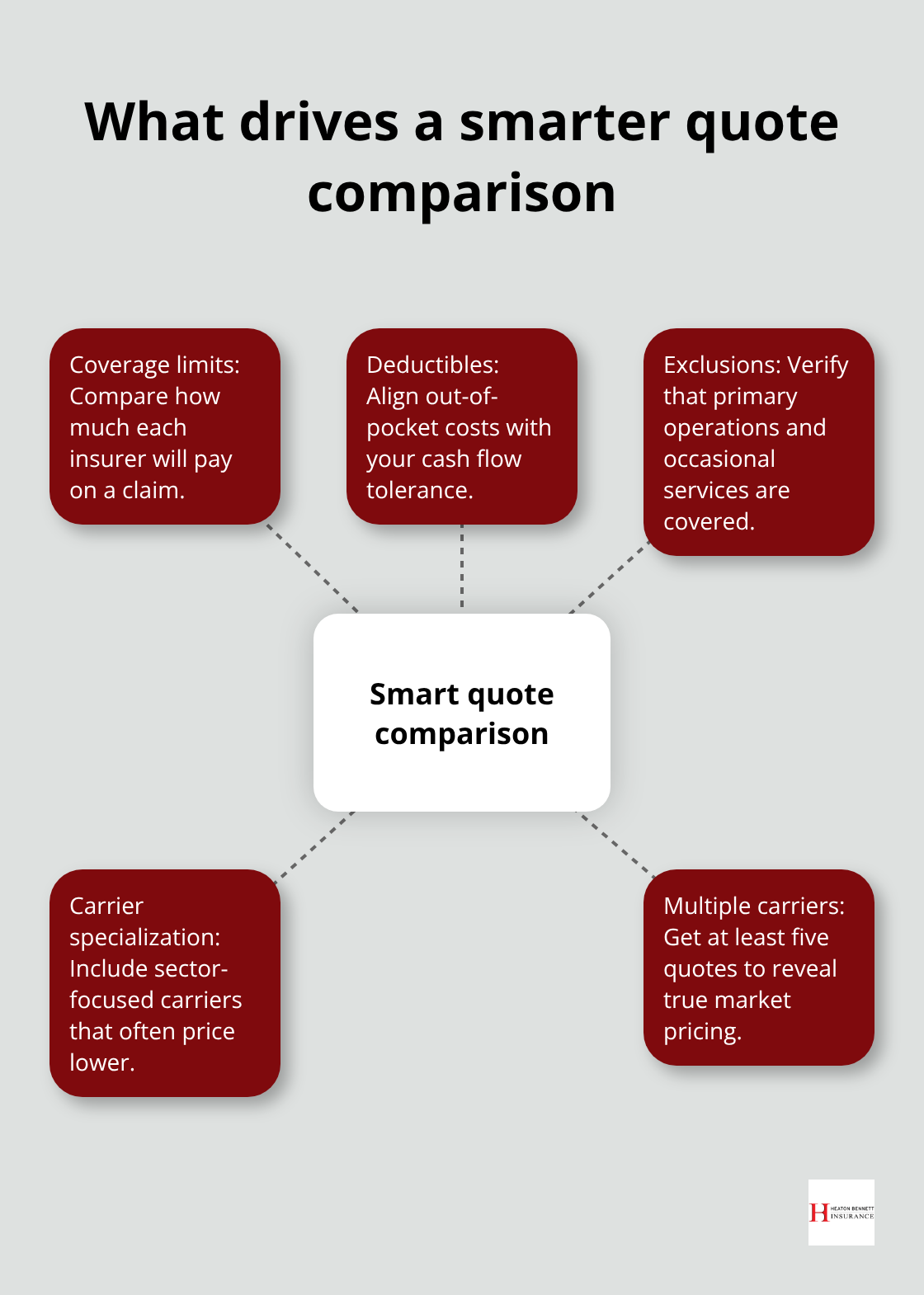
Each carrier evaluates risk differently, which means their pricing for identical coverage can swing by 40-60%. A carrier that loves manufacturing businesses might quote you 30% lower than one that rarely works with manufacturers. This variation reveals which carrier actually understands your business type and risk profile.
Moving Forward With Accurate Comparisons
Requesting quotes from multiple carriers is non-negotiable if you want accurate pricing. Most business owners stop after one or two quotes and assume they’ve completed their due diligence, but this approach leaves thousands on the table. Request quotes from at least five different carriers to see the full range of options available for your operation.
When you request quotes, provide identical information to each carrier so the comparison stays valid. Small differences in how you describe your business can dramatically shift quotes, making comparisons meaningless. Create a simple spreadsheet with your business details and use it for every quote request. Include your industry classification, number of employees, annual revenue, years in business, loss history, and specific operations you need covered. This consistency makes your comparison meaningful and reveals true pricing differences between carriers rather than differences caused by incomplete information.
Final Thoughts
Comparing business insurance quotes separates businesses that survive unexpected claims from those that face financial devastation. The companies that protect themselves spend time understanding their coverage before disaster strikes, not scrambling to read policy language after a claim gets denied. Request quotes from at least five different carriers, compare coverage limits and deductibles side by side, and read the exclusions section completely before making your decision.
Premium price should never drive your choice. A policy that costs 30% less but excludes your primary operations becomes worthless the moment you need it. Carriers that specialize in your industry often quote lower rates than generalists for identical coverage, which means you won’t find the best option without requesting multiple quotes and calculating realistic claim scenarios for your operation.
At Heaton Bennett Insurance, we help you navigate business insurance quotes without the overwhelming complexity. As an independent agency in Austin, Texas, we work with multiple carriers and use our Security Snapshot approach to identify coverage gaps you might miss on your own. Get your free quote today and let our team guide you toward protection that actually fits your business.
The information provided in this blog is for general informational purposes only and does not constitute legal, financial, or insurance advice. Coverage options, terms, and availability may vary. Please consult with a licensed professional for advice specific to your situation.

