

Commercial Auto Insurance Glossary: Key Terms Defined
Navigating the world of commercial auto insurance can be complex, especially when faced with unfamiliar terminology.
At Heaton Bennett Insurance, we understand the importance of clarity in insurance matters. That’s why we’ve created this comprehensive commercial auto insurance glossary.
Our guide breaks down key terms and concepts, helping business owners make informed decisions about their coverage needs.
What Are the Core Components of Commercial Auto Insurance?
Commercial auto insurance provides essential protection for businesses that depend on vehicles for their operations. This type of insurance consists of several key components that work together to offer comprehensive coverage.
Liability Coverage: The Foundation of Protection
Liability coverage forms the foundation of any commercial auto policy. It protects your business from financial losses if one of your vehicles causes an accident that injures others or damages their property. This coverage isn’t just a prudent business decision; it’s often mandated by law. The Insurance Information Institute states that liability claims represent the most frequent and expensive type of auto insurance claim, underscoring the need for robust coverage in this area.
Collision Coverage: Safeguarding Your Vehicles
Collision coverage protects your own vehicles when they collide with another vehicle or object, regardless of fault. This component of commercial auto insurance ensures that your business can quickly repair or replace damaged vehicles, minimizing downtime and maintaining operational efficiency.
Comprehensive Coverage: Beyond Collisions
Comprehensive coverage extends protection to your vehicles for non-collision incidents such as theft, vandalism, or natural disasters. The National Association of Insurance Commissioners reports that while comprehensive claims occur less frequently, they can be substantial (with an average claim of $1,817 in 2019).
Personal Injury Protection: Caring for Your Team
Personal Injury Protection (PIP), also known as no-fault coverage, covers medical expenses for you and your passengers, regardless of who caused the accident. This coverage proves particularly valuable in states with no-fault insurance laws. The National Highway Traffic Safety Administration highlights the importance of this coverage, reporting that the economic cost of motor vehicle crashes to employers exceeds $60 billion annually.

Each business has unique needs when it comes to commercial auto insurance. A thorough assessment of specific risks allows for the creation of a tailored policy that provides the right mix of these core components. This customized approach ensures businesses have the protection they need to operate confidently on the road.
As we move forward, we’ll explore more advanced concepts in commercial auto insurance that build upon these core components, providing even more comprehensive protection for businesses with unique needs or specialized operations.
Beyond the Basics: Advanced Auto Coverage for Businesses
Commercial auto insurance extends far beyond standard policies. As businesses expand, their insurance requirements evolve. Advanced coverage options provide essential protection for unique situations and potential risks that standard policies might not address.
Hired and Non-Owned Auto Coverage: Protection Beyond Company Vehicles
Businesses often use vehicles they don’t own for work-related activities. Hired and non-owned auto coverage protects your business when employees use their personal vehicles for work or when you rent vehicles for business purposes.
The National Association of Insurance Commissioners reports that about 40% of vehicle accidents occur during work-related travel. This statistic highlights the importance of this coverage, especially for businesses with employees who frequently drive for work.
Uninsured/Underinsured Motorist Coverage: Safeguarding Against the Unexpected
Despite legal requirements, the Insurance Research Council reports that about 1 in 8 drivers on U.S. roads lack insurance. Uninsured/underinsured motorist coverage protects your business if one of your vehicles becomes involved in an accident with a driver who has insufficient or no insurance.
This coverage proves particularly valuable in states with high rates of uninsured drivers. For example, in Florida (where the uninsured driver rate reaches nearly 27%), this coverage could significantly impact businesses operating vehicle fleets.

Specialized Protection: Cargo and Garage Keepers Coverage
Businesses that transport goods or service vehicles often require additional specialized coverage. Cargo insurance protects the goods you transport, while garage keepers coverage proves essential for businesses that store or service other people’s vehicles.
The American Trucking Associations reports that the average value of cargo per truckload in the U.S. amounts to around $100,000. Without proper cargo insurance, a single accident could result in a substantial financial loss for a business.
Understanding these complex coverage options allows businesses to tailor policies that address their specific needs. The right combination of advanced coverage options ensures protection against a wide range of potential risks, safeguarding a business’s financial health and future.
As we explore the next section, we’ll examine special considerations for commercial auto policies, including fleet insurance and experience rating, which further customize coverage to meet unique business needs.
Tailoring Commercial Auto Policies for Your Business
Commercial auto insurance doesn’t follow a one-size-fits-all approach. Businesses need policies that address their specific risks and operational needs. This chapter explores key elements that help customize commercial auto coverage.
Fleet Insurance: Simplified Coverage for Multiple Vehicles
Businesses operating multiple vehicles can benefit from fleet insurance. This solution covers all vehicles under a single policy, simplifying administration and potentially reducing costs. The National Association of Insurance Commissioners reports that businesses with five or more vehicles can save up to 15% on premiums through fleet policies.
Commercial Auto Symbols: Defining Coverage Scope
Commercial auto symbols (ranging from 1 to 9) specify which vehicles a policy covers. Symbol 1 provides the broadest coverage, insuring any auto, while Symbol 7 covers only specifically described autos. A study by the Insurance Services Office found that misunderstanding these symbols often leads to coverage gaps in commercial auto policies.
Endorsements and Riders: Fine-tuning Your Policy
Businesses can customize their policies with endorsements and riders. For example, rental reimbursement covers the cost of a rental vehicle if a covered auto is out of service due to a covered loss. The Auto Insurance Report indicates that businesses with rental reimbursement endorsements experience 20% less downtime following accidents.
Experience Rating and Claims History: Influencing Premiums
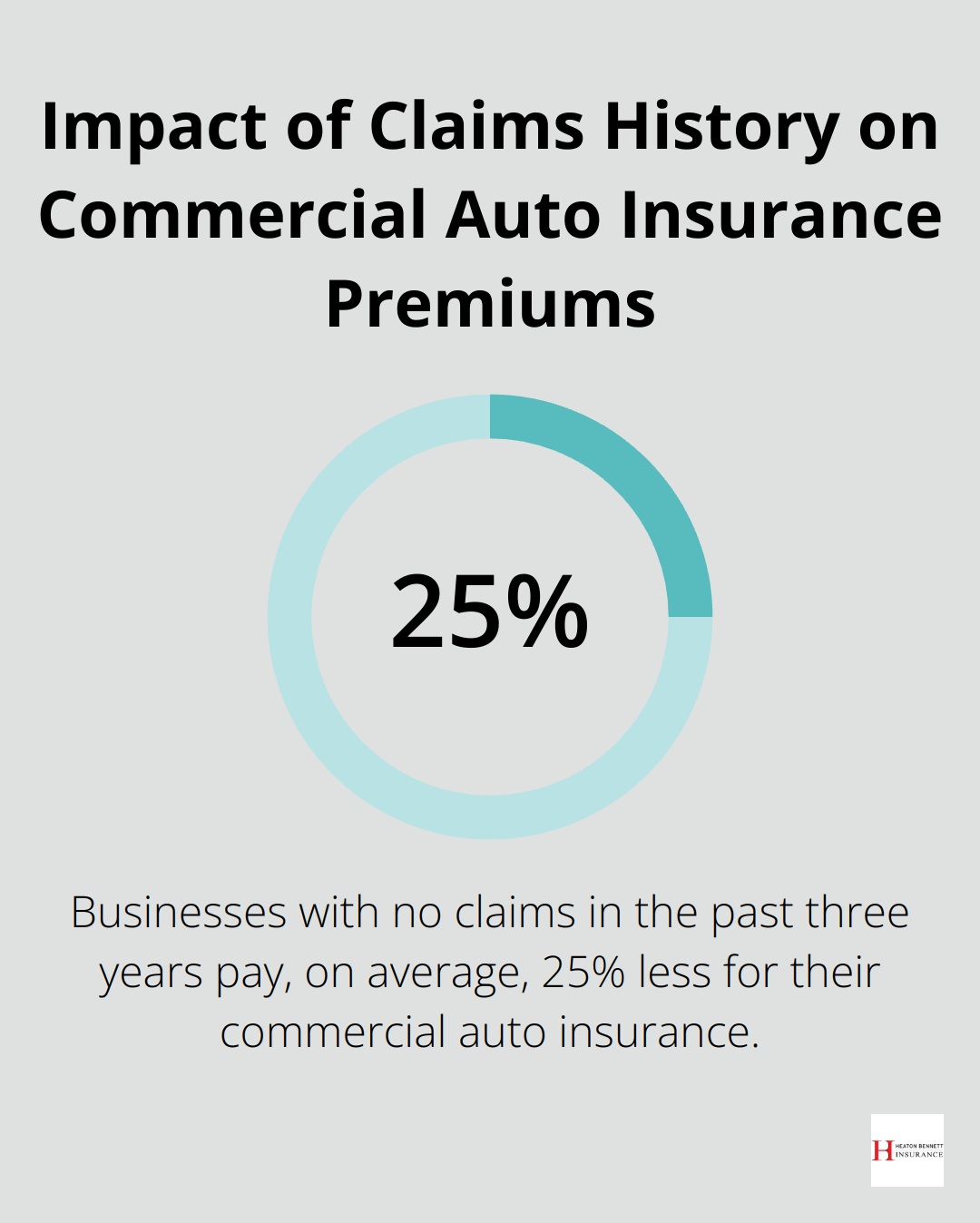
A business’s claims history significantly affects its premiums. Insurance companies use experience rating to adjust premiums based on past claims. The Insurance Information Institute reports that businesses with no claims in the past three years pay, on average, 25% less for their commercial auto insurance.
Working with an Independent Agency
Independent insurance agencies (like Heaton Bennett Insurance) work with multiple carriers to find the best coverage at competitive rates. They analyze a business’s operations, vehicle usage, and claims history to design comprehensive commercial auto policies. This approach ensures businesses receive tailored protection that aligns with their specific needs and risk profiles.
Final Thoughts
Business owners must understand commercial auto insurance to make informed coverage decisions. Our commercial auto insurance glossary helps you navigate complex terms and concepts. This knowledge equips you to assess your business’s unique needs and ensure comprehensive protection.
Independent insurance agencies offer advantages for commercial auto coverage. They access multiple carriers, compare policies, and find the best fit for your business. These agencies provide personalized advice, considering your specific operations, vehicle usage, and risk profile.
Heaton Bennett Insurance specializes in guiding businesses through commercial auto insurance complexities. Our team of experts creates customized insurance solutions using our “Security Snapshot” process (which analyzes your specific needs). We work with multiple carriers to provide appropriate coverage at competitive rates.

