

Best Auto Insurance Options for Teen Drivers
Getting the best auto insurance for teens is a critical step for parents of young drivers. At Heaton Bennett Insurance, we understand the unique challenges and concerns that come with insuring teenage motorists.
This guide will explore the top insurance options available, helping you navigate coverage choices and find ways to save on premiums. We’ll also provide practical tips to ensure your teen driver stays protected on the road while keeping costs manageable.
Understanding Auto Insurance for Teen Drivers
The High Cost of Insuring Young Drivers
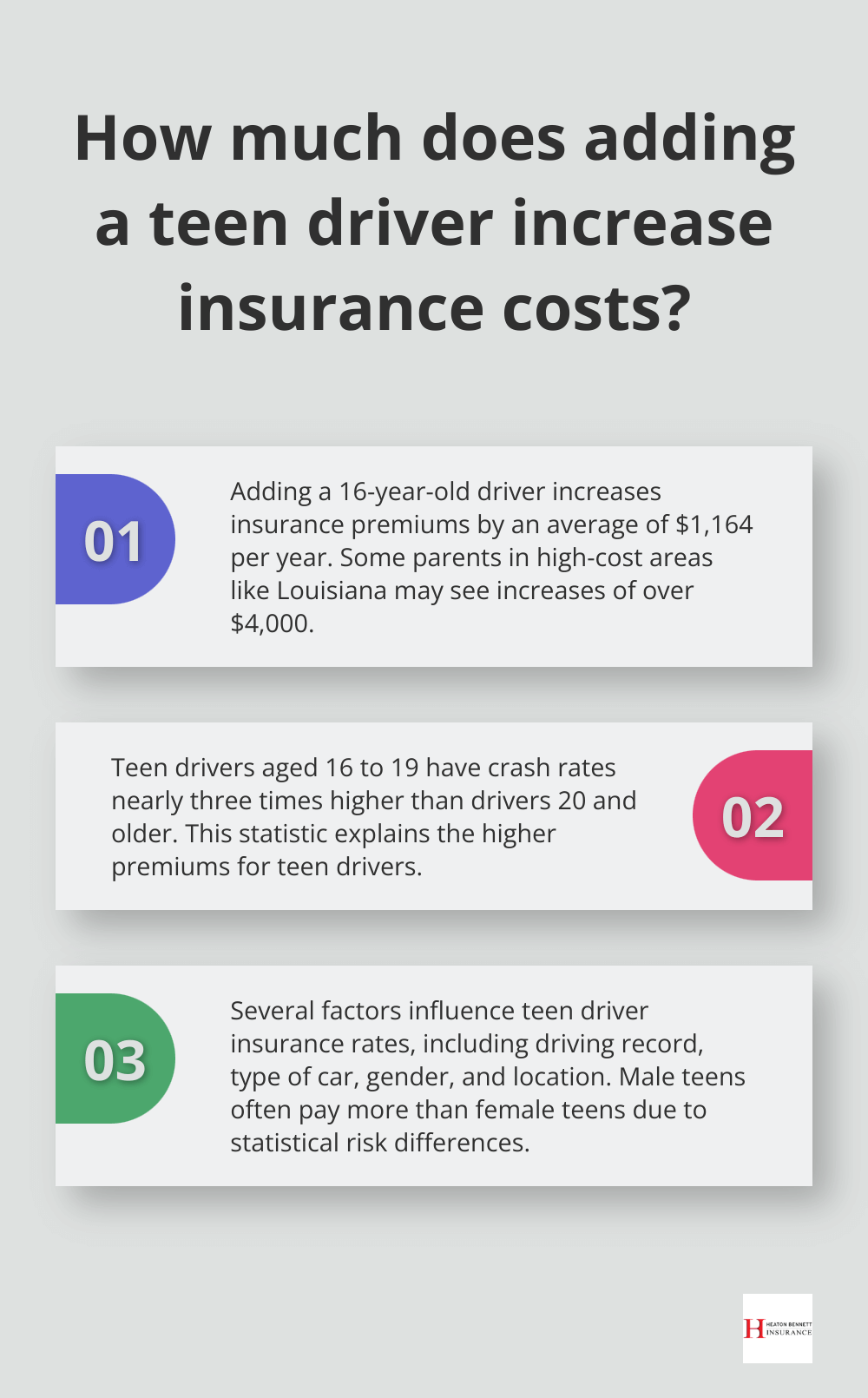
Teen drivers often face sticker shock when they see their auto insurance rates. This isn’t an arbitrary decision by insurance companies; it’s based on hard data about the risks associated with young, inexperienced drivers. The Insurance Institute for Highway Safety reports that drivers aged 16 to 19 have crash rates nearly three times higher than those 20 and older. This statistic alone explains the higher premiums for teen drivers.
Financial Impact on Family Policies
When parents add a teen driver to their existing policy, they should expect a significant increase in their premium. Forbes Advisor reports that the average increase in cost for adding a 16-year-old driver is $1,164 per year for parents. This amount varies widely by state and insurer, with some parents seeing increases of over $4,000 in high-cost areas like Louisiana.
Legal Requirements for Teen Drivers
Every state has minimum insurance requirements that all drivers (including teens) must meet. These typically include:
- Liability coverage for bodily injury
- Liability coverage for property damage
- Personal injury protection (in some states)
- Uninsured motorist coverage (in some states)
It’s important to check your state’s specific requirements to ensure your teen is legally covered.
Factors That Influence Teen Driver Insurance Rates
Insurance companies consider several factors when they set rates for teen drivers:
- Driving record: Even a single ticket or accident can dramatically increase rates for young drivers.
- Type of car: Safer, less expensive cars generally cost less to insure.
- Gender: Male teens often pay more than female teens due to statistical risk differences.
- Location: Urban areas typically have higher rates than rural areas due to increased accident risk.
Finding the Right Coverage
Understanding these factors can help you make informed decisions about your teen’s insurance coverage. Working with an independent agency (like Heaton Bennett Insurance) allows you to compare rates from multiple carriers, potentially finding better rates and coverage options for teen drivers in Austin, Texas and beyond. As we move into the next section, we’ll explore specific coverage options that are particularly important for teen drivers, including accident forgiveness which can provide financial protection and peace of mind for new drivers.
What Coverage Do Teen Drivers Need?
Essential Liability Coverage
Liability coverage forms the foundation of any auto insurance policy, especially for teens. It covers damages or injuries your teen might cause to others in an accident. Most states require a minimum amount, but these limits often fall short. We recommend higher limits, ideally 100/300/100 ($100,000 per person, $300,000 per accident for bodily injury, and $100,000 for property damage). This extra protection proves valuable given the higher accident rates among teen drivers.
Collision and Comprehensive: Protecting Your Investment
While not legally required, collision and comprehensive coverage play a vital role for teen drivers. Collision covers damage to your teen’s car in an accident, regardless of fault. Comprehensive protects against non-collision incidents like theft, vandalism, or natural disasters. Teens face a higher likelihood of accidents, making these coverages essential to avoid significant out-of-pocket expenses.
Medical Coverage Options
Personal Injury Protection (PIP) or Medical Payments coverage can provide critical financial support. They cover medical expenses for you and your passengers, regardless of fault. Some states mandate PIP. Even where optional, we strongly advise it for teen drivers due to their increased risk of accidents and potential injuries.
Guarding Against Uninsured Drivers
Uninsured/Underinsured Motorist coverage often gets overlooked but holds critical importance, especially for inexperienced drivers. It protects your teen if hit by a driver with no insurance or insufficient coverage. The Insurance Research Council reports that about 1 in 8 drivers on the road lack insurance, highlighting the necessity of this coverage.
Tailoring Coverage to Your Teen’s Needs
Every teen driver faces unique circumstances. Factors such as the type of car they drive (sports car vs. family sedan), their driving habits (daily commute vs. occasional use), and even their academic performance can influence the ideal coverage mix. Some insurers offer specialized programs for teen drivers, including accident forgiveness policies that prevent rate increases after a first-time accident.

The right coverage package can make a significant difference for teen drivers and their families. While upfront costs might seem higher, the long-term financial security these coverages provide proves invaluable. As we move forward, we’ll explore strategies to help offset these costs and find the best value for your teen’s auto insurance.
How to Reduce Teen Auto Insurance Costs
Insurance for teen drivers can be expensive, but several effective strategies can reduce costs without compromising coverage. This chapter explores practical ways to lower premiums for young drivers.
Capitalize on Academic Achievement
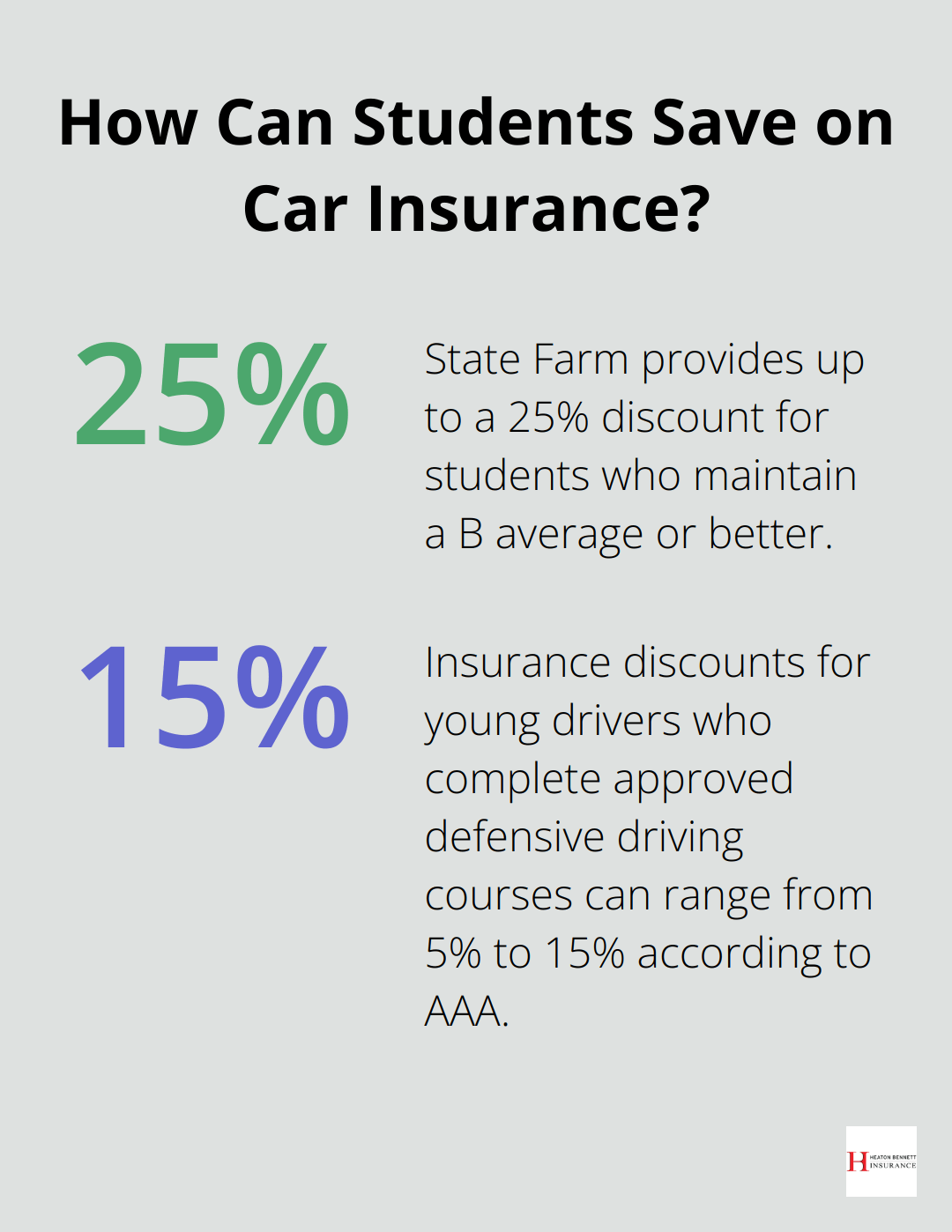
Many insurers offer good student discounts, which can result in significant savings. State Farm, for example, provides up to a 25% discount for students who maintain a B average or better. To qualify, teens typically must provide a recent report card or transcript. This discount not only saves money but also encourages academic excellence.
Use Technology to Your Advantage
Telematics programs have transformed auto insurance pricing. These devices or smartphone apps monitor driving behavior and reward safe habits with lower premiums. Progressive’s Snapshot program, for instance, has helped drivers save an average of $146 on their six-month policy. Participation in these programs can lead to substantial savings while promoting safer driving practices.
Enhance Driving Skills
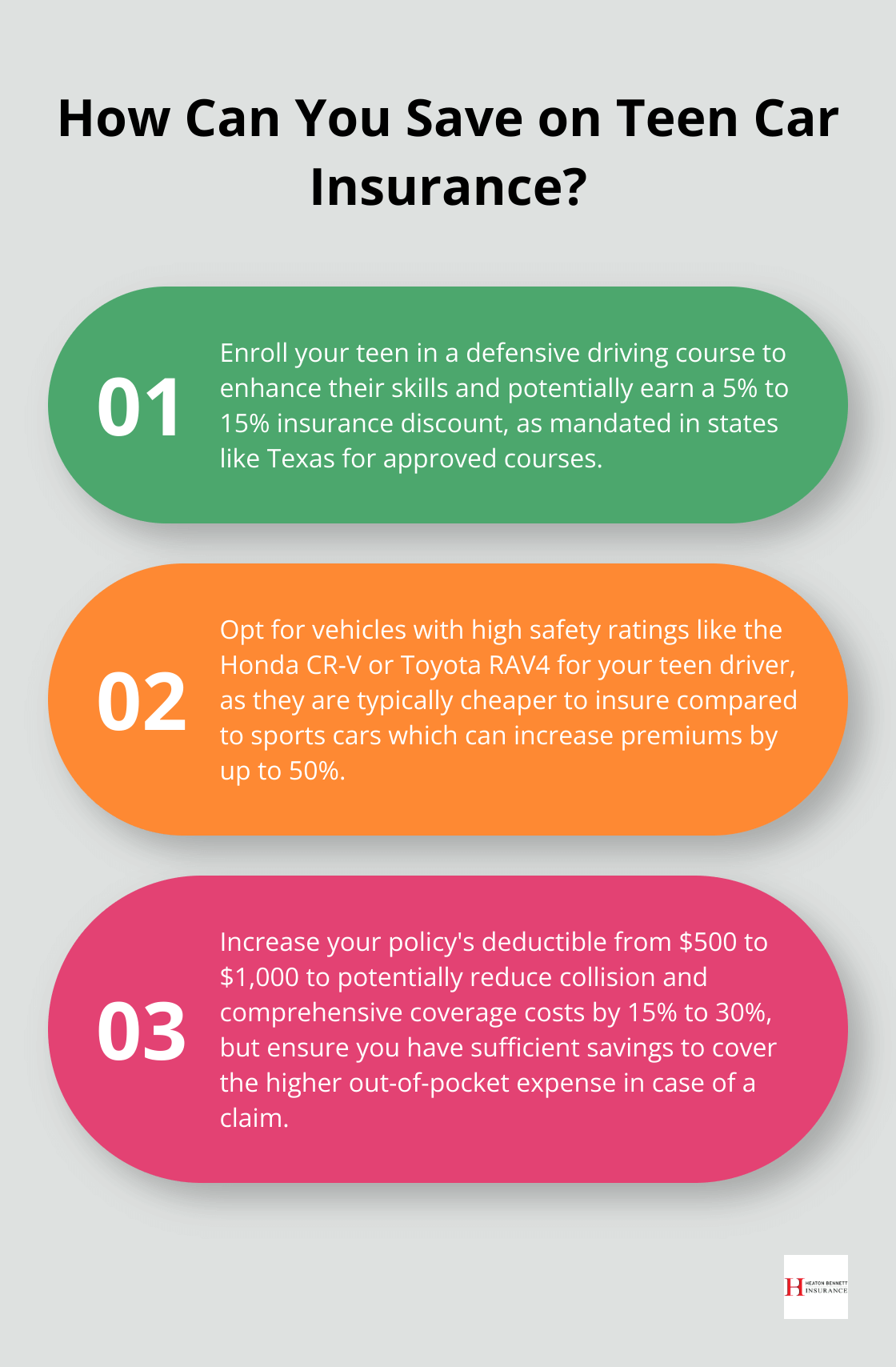
Completion of a defensive driving course can yield multiple benefits. It enhances your teen’s driving skills, and many insurers offer discounts for course completion. These discounts can range from 5% to 15% (according to AAA). Some states, like Texas, even mandate insurance discounts for young drivers who complete approved courses.
Select Vehicles Strategically
The car your teen drives significantly impacts insurance costs. Larger, heavier vehicles are often safer and cheaper to insure (as reported by the Insurance Institute for Highway Safety). Sports cars and high-performance vehicles can increase premiums by up to 50%. Instead, opt for vehicles with high safety ratings and anti-theft features. The Honda CR-V and Toyota RAV4 typically have lower insurance costs for teens.
Modify Your Deductibles
An increase in your policy’s deductible can lower monthly premiums. For instance, a deductible increase from $500 to $1,000 could reduce your collision and comprehensive coverage cost by 15% to 30%. However, you must ensure you can afford the higher out-of-pocket expense in case of a claim. This strategy works best for families with some savings set aside for emergencies.
Consider Accident Forgiveness
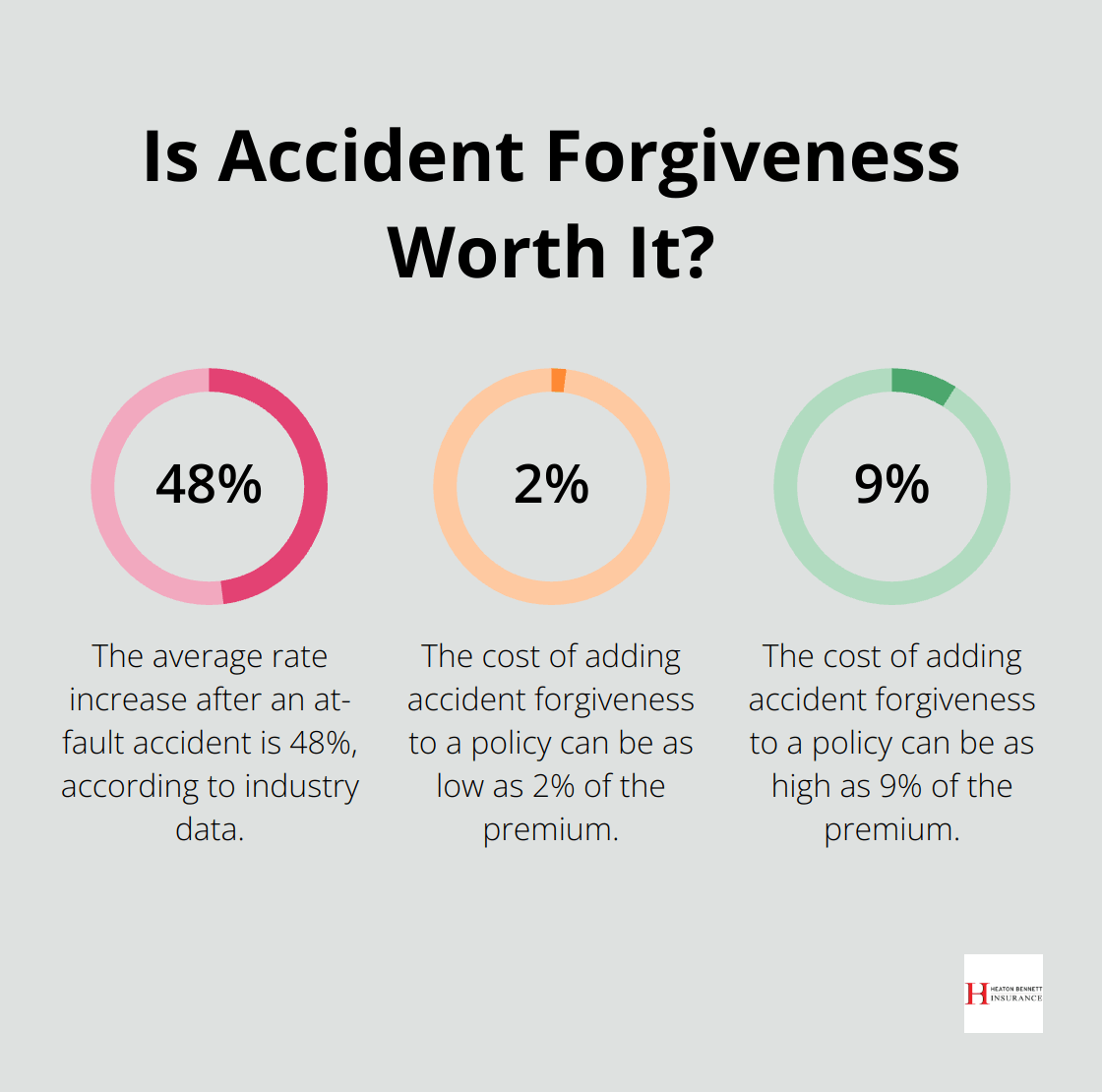
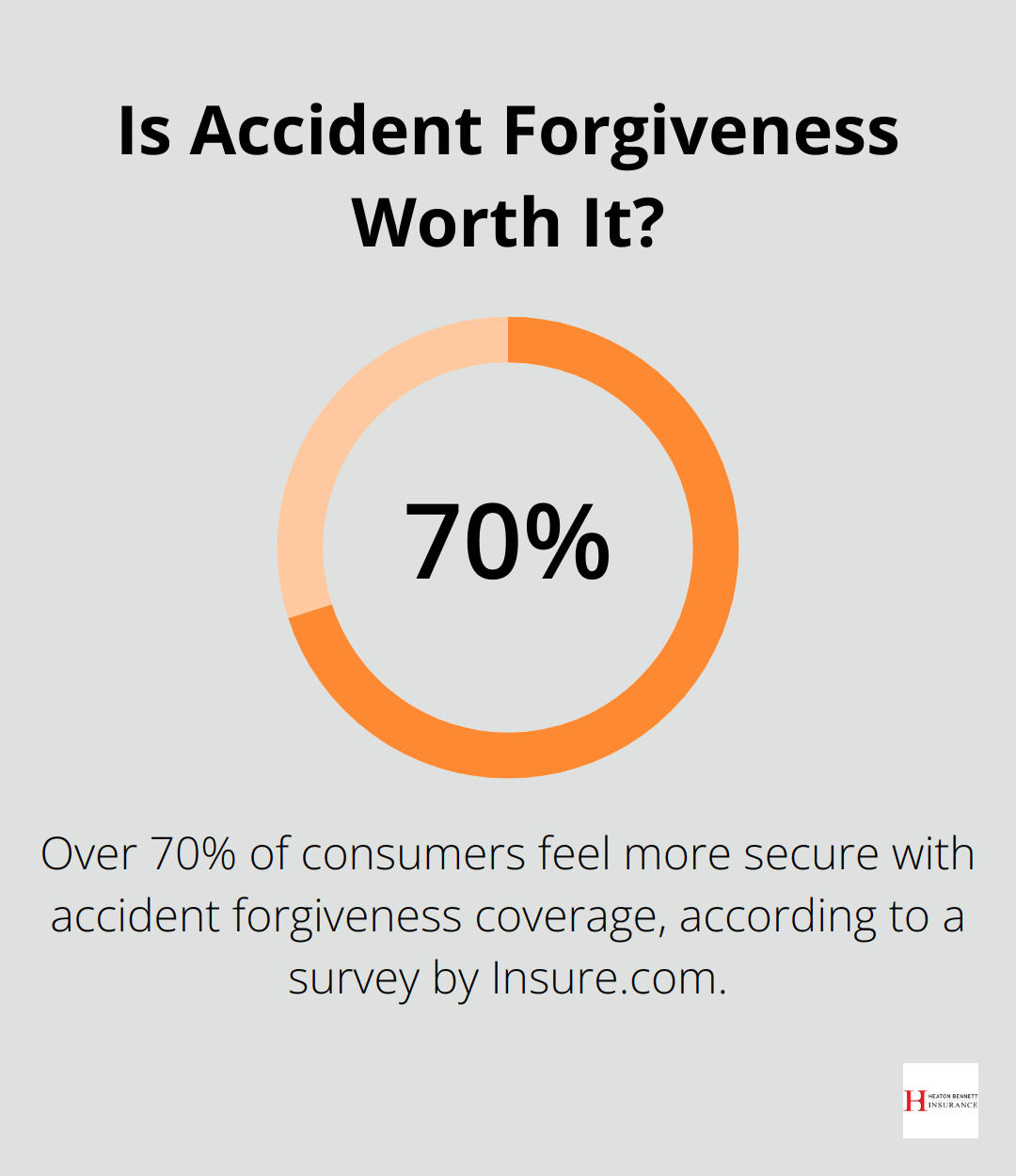
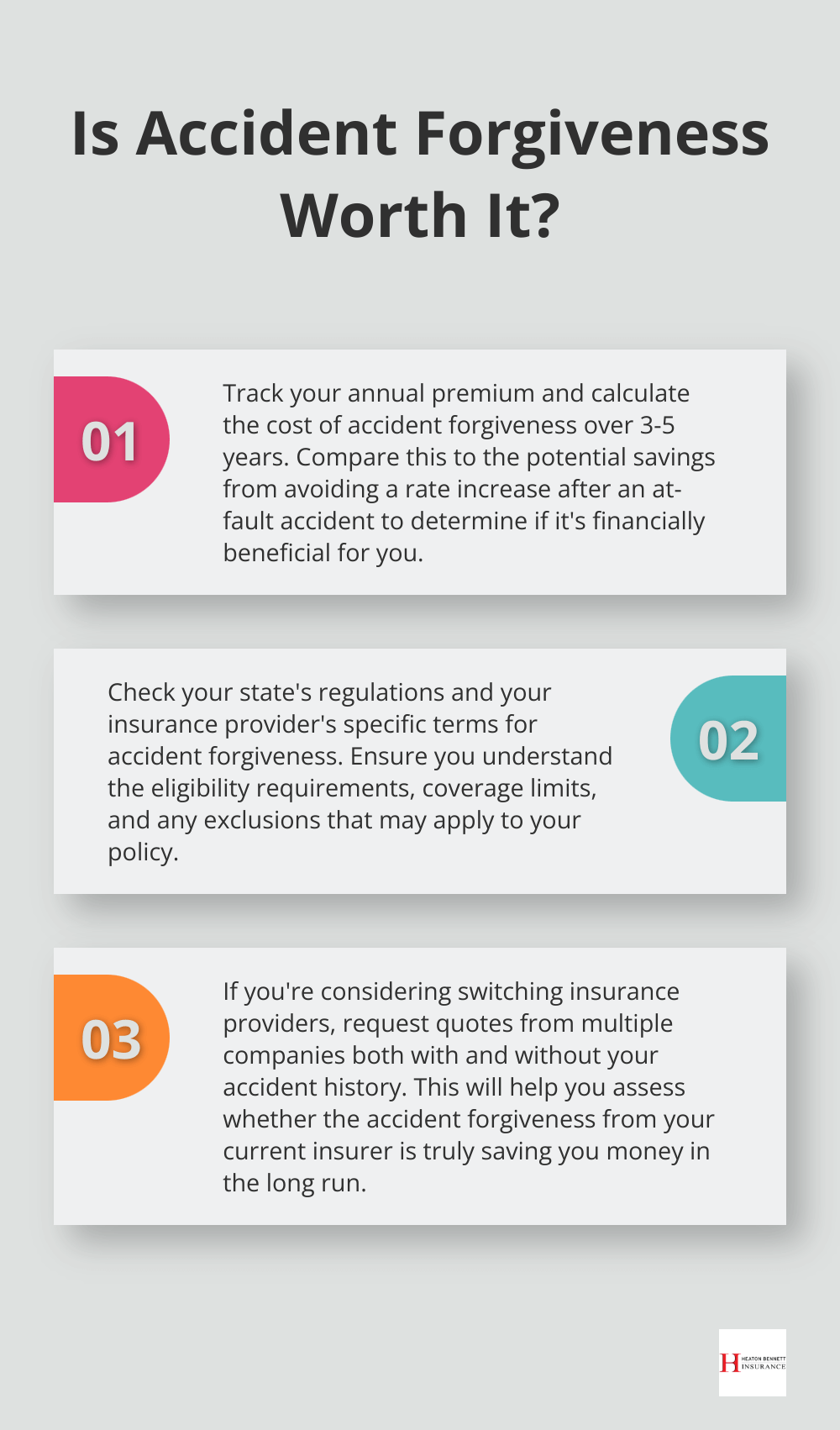
Accident forgiveness is a feature offered by some insurance companies that can protect teen drivers from rate increases after their first at-fault accident. While it may increase the initial premium slightly, it can provide significant savings in the long run, especially for inexperienced drivers who are more prone to accidents.
Final Thoughts
Auto insurance for teen drivers requires a balance between comprehensive coverage and affordability. The best auto insurance for teens considers the unique risks and needs of inexperienced drivers while offering ways to mitigate high premiums. Good student discounts, safe driving programs, and strategic vehicle choices can contribute to more manageable insurance expenses without sacrificing necessary protection.
We at Heaton Bennett Insurance understand the challenges of insuring teen drivers in Austin, Texas and beyond. Our team of experts can guide you through the process of finding the right coverage at the best possible rates. We have access to multiple insurance carriers, allowing us to compare options and find a policy that fits your specific needs and budget.
Don’t navigate this important decision alone. Let Heaton Bennett Insurance help you find the best auto insurance for your teen driver. We’ll work with you to balance coverage and cost, ensuring your young driver receives proper protection as they gain experience on the road.











 Determining whether your bicycle is covered by your insurance depends on the type of policy you have and the coverage it offers.
 If you haven’t already, now is the time to consider purchasing a home safe. Beyond protecting your valuables and family heirlooms from theft, a home safe also provides a secure place for important documents. It’s worth becomes immeasurable when unexpected events like home fires or burglaries occur. By keeping your documents and valuables safely stored, you can mitigate potential losses and maintain peace of mind. The benefits alone should be enough to motivate you to invest in a home safe.
 Selling your home can be a significant endeavor, requiring careful preparation and attention to detail. Often, homeowners neglect certain repairs that may not bother them but could dissuade potential buyers or raise concerns during home inspections.
 Embarking on the journey of engagement is a joyous occasion, bringing happiness not only to the couple but also to their loved ones. While savoring this special moment, it is essential for the newly engaged couple to prioritize protecting their engagement ring by obtaining an insurance policy without delay.