
Non-Trucking Use (Bobtail)
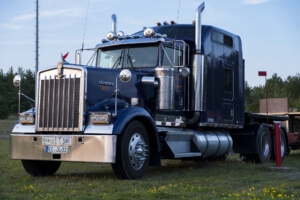 Non-Trucking Use (NTU) Liability Insurance is for the Owner-Operator who leases their truck for the long term. Non-Trucking Use Liability coverage, formerly referred to as Bobtail Coverage, becomes effective when you’re using your truck for a non-business purpose, such as driving to the store, picking up groceries or many other things. It is important to understand that this coverage is for when you’re not working and you’ve essentially “signed off” for the day.
There are very specific exclusions for Non-Trucking Use Liability coverage. There are also great benefits. It is important to discuss with a licensed agent at Heaton Bennett Insurance so you understand both.
NTU Coverage can provide the following:
- Liability Coverage
- Auto Medical Payments
- Uninsured or Underinsured Motorist Coverage
- Personal Injury Protection (PIP)
- Physical Damage Coverage
There are additional coverage options. Discuss with a Heaton Bennett Insurance agent if this coverage might be right for your situation. Call Heaton Bennett Insurance at: 512-372-8311
Frequently Asked Questions
What is the difference between bobtail and non-trucking liability coverage?
The terms are sometimes used interchangeably, but policies may define them differently. Coverage can depend on whether the truck has a trailer attached and whether it is being operated for business purposes.
When can non-trucking liability coverage apply?
It may apply during certain personal uses of a truck that is leased to a motor carrier. Texas owner-operators should review their lease and policy definitions to understand when coverage may apply.
Does non-trucking liability cover damage to the truck?
Non-trucking liability generally addresses certain liabilities to others rather than damage to the insured truck. Physical damage coverage may need to be considered separately.
Does it apply while traveling to pick up a load?
Traveling to collect cargo may be considered a business activity and could fall outside non-trucking use coverage. Applicability depends on the policy language and circumstances.